cranberry nut dessert

Copy of IMG_1245

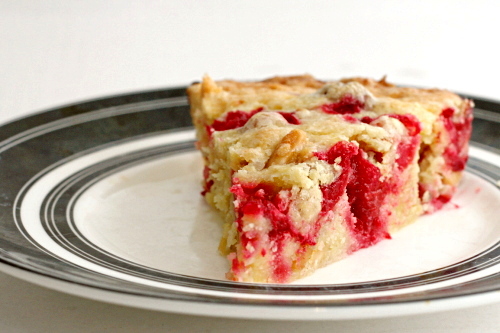
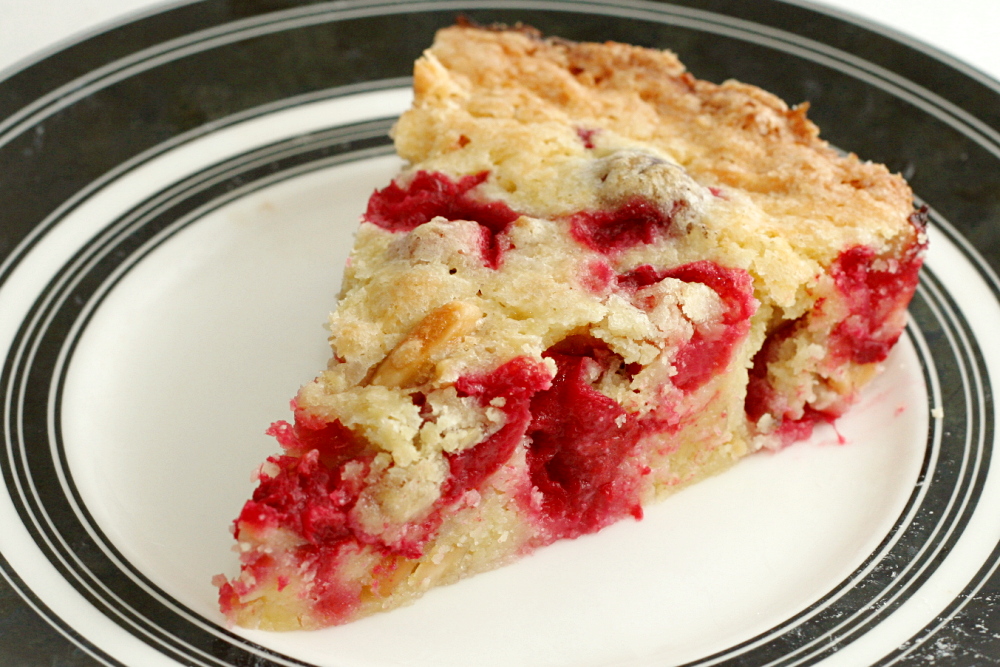
Sometimes I’m too full of myself for my own good. When I saw this on Jen’s site, I noted that she called it ‘cranberry dessert.’ But, in my hubris, I figured, what the hell, it looks like a cake. I’ll call it a cake and serve it as a cake.

Copy of IMG_1202

In retrospect, though, the vague title ‘dessert’ is probably more appropriate. Or maybe cranberry clafoutis? Except with more butter. Cobbler doesn’t quite work because the breading isn’t biscuits.

Copy of IMG_1205

Even looking at the photos now, it looks like a cake. The recipe is mixed like a quick bread, so that’s cake-like.

Copy of IMG_1206

But somehow, when I was eating it, it seemed more like a fruit dessert, maybe because the ratio of fruit to batter is so high. It was fantastic on its own, but it did cry out for a scoop of vanilla ice cream. Next time I won’t deny it.

Copy of IMG_1210

One year ago: Lime Meltaways

Printer Friendly Recipe
Cranberry Nut Dessert (rewritten from Use Real Butter)

Most nuts would work here, but I used lightly toasted almonds and it seemed like a perfect match.

1 cup (4.8 ounces) all-purpose flour
1 cup (7 ounces) granulated sugar
¼ teaspoon salt
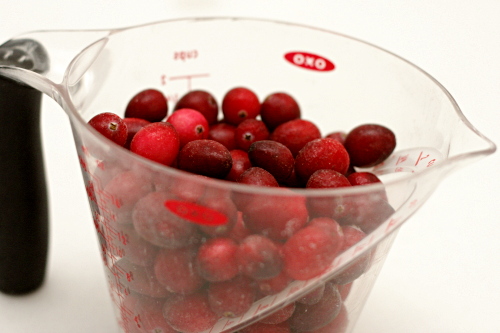
2 cups fresh or frozen cranberries
½ cup chopped nuts
2 eggs
8 tablespoons (1 stick) butter, melted and cooled
½ teaspoon almond extract

1. Adjust a rack to the middle position and heat the oven to 350ºF. Spray a pie pan with spray oil.

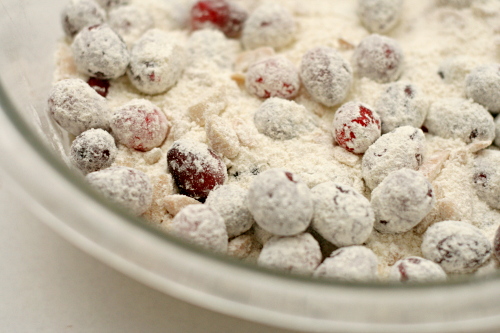
2. In a large bowl, combine the flour, sugar, salt, cranberries, and nuts. In another bowl, whisk the eggs until broken up, then whisk in the butter and almond extract. Pour the liquid ingredients into the dry ingredients and stir until just combined.

3. Spread the batter in the prepared pan; bake for 40 minutes or a until toothpick inserted near the center of the pan comes out clean or with a few crumbs hanging onto it. Let the dessert cool for at least 15 minutes before serving. Serve with ice cream or whipped cream, if desired.

Copy of IMG_1248

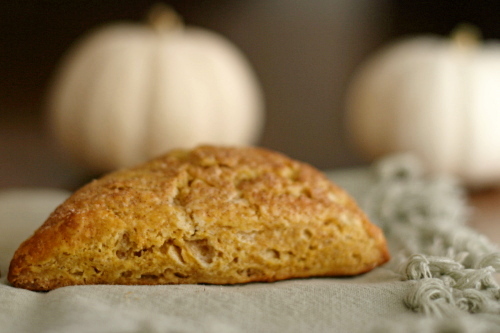
pumpkin scones

Copy of IMG_0444

Oh, did you want to see something besides scones? I’m sorry, it turns out that the ol’ crumblycookie has become all scones, all the time.

Copy of IMG_0295

No, just kidding. This is the last scone recipe. I just wanted to get through them in one fell swoop, which is what’s kind of fun about NaBloPoMo.

Copy of IMG_0305

Like most of us, I love pumpkin. The thing is though, that you can’t just add pumpkin into whatever your favorite baking recipe is, because it changes the texture quite a bit. It adds a moist, cakey…I want to say gummy texture, but that sounds negative, and it isn’t necessarily a bad thing. But it also isn’t what you want in scones.

Copy of IMG_0307

So even though I have two great basic scone recipes, I didn’t even consider just adding pumpkin into one of them and seeing what happens. (Although now I’m curious.) So I had to start my search for recipes from scratch, and I settled on this Joy of Baking recipe because the picture shows tall scones with flaky layers.

Copy of IMG_0312

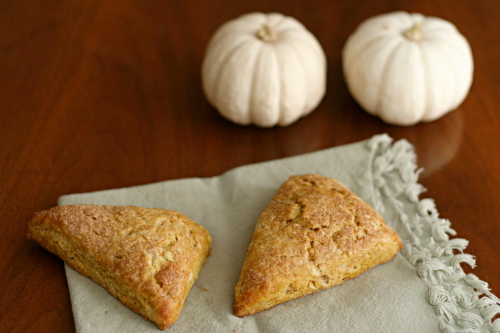
And I nailed it! I can’t imagine a better pumpkin scone. This has everything I want in a scone – the texture walks the line between tender and flaky, it’s sweet but not too much, and the pumpkin and spices are noticeable but not overwhelming. Yet another perfect scone recipe.

One year ago: Gratin Dauphinois

Copy of IMG_0452

Printer Friendly Recipe
Pumpkin Scones
(adapted just a bit from Joy of Baking)

Makes 8 scones

I left out the nuts and raisins, just because I wanted a smooth texture this time. And instead of using the egg wash and turbinado sugar for sprinkling, I brushed the scones with milk and sprinkled them with a mixture of about 1 tablespoon granulated sugar and ½ teaspoon cinnamon. It gave the scones a really nice thin crisp layer after baking.

I’ve also tweaked the order in which the ingredients are added to the dough, because I’m full of myself and I think I know better than the professionals. Or something.

2 cups (260 grams) all purpose flour
½ teaspoons ground ginger
½ teaspoons ground cinnamon
1 teaspoon baking powder
¼ teaspoon baking soda
¼ teaspoon salt
½ cup (113 grams) cold unsalted butter, cut into pieces
⅓ cup (50 grams) raisins
¼ cup (30 grams) toasted and chopped pecans (optional)
⅓ – ½ cup buttermilk
⅓ cup (72 grams) light or dark brown sugar
½ cup fresh or canned pumpkin puree (not pumpkin pie mix)
1 teaspoon pure vanilla extract

Egg Wash:
1 large egg
1 tablespoon milk or cream
Turbinado sugar for sprinkling the tops of the scones (optional)

1. Preheat oven to 400ºF (200ºC) and place rack in middle of oven. Line a baking sheet with parchment paper.

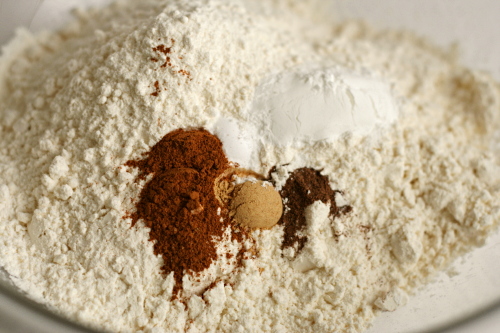
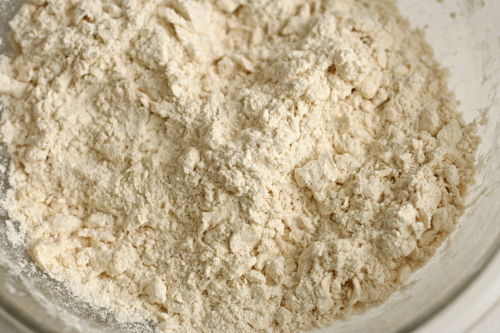
2. In a large bowl, whisk together the flour, spices, baking powder, baking soda and salt. Cut the butter into small pieces and blend into the flour mixture with a pastry blender or two knives. The mixture should look like coarse crumbs. Stir in the raisins and pecans, if using. In a separate bowl, mix together the buttermilk, sugar, pumpkin puree and vanilla, and then add the buttermilk mixture to the flour mixture. Mix just until the dough comes together. Do not overmix the dough.

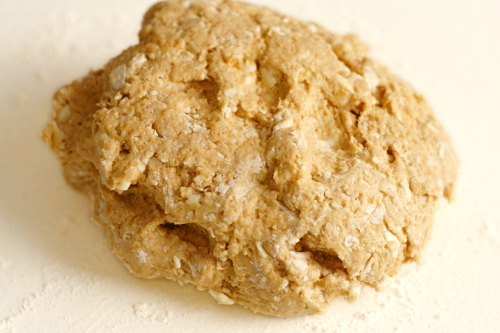
3. Transfer to a lightly floured surface and knead dough gently four or five times and then pat the dough into a circle that is about 7 inches (18 cm) round and about 1½ inches (3.75 cm) thick. Cut this circle in half, then cut each half into 4 pie-shaped wedges (triangles). Place the scones on the baking sheet. Brush the tops of the scones with the egg wash and sprinkle a little Turbinado sugar on top, if desired.

4. Place the baking sheet inside another baking sheet to prevent the bottoms of the scones from over browning. Bake for about 20 minutes or until golden brown and a toothpick inserted in the middle comes out clean. Transfer to a wire rack to cool.
Copy of IMG_0447

buttermilk scones

Copy of IMG_0247

Having a great, seemingly perfect recipe for something isn’t enough to stop me from trying new recipes. There’s always something to learn, you know? Even though one of the first biscotti recipes I ever made is still the best, I’ve made many many more recipes and I’ve learned some little biscotti tricks along the way. But I still haven’t found a better biscotti recipe.

Copy of IMG_8357

The cranberry scones were one of the first scone recipes I ever made, and certainly the first to knock my socks off. Of course, cranberries aren’t in season year-round anyway, but I successfully adapted the recipe for rhubarb, and I’m sure I could have used most other fruits.

Copy of IMG_8374

But instead, I kept trying new recipes, including this one. And this time…well, I won’t say this recipe is better, but it is definitely as good. Aargh, don’t tell me I need to do a scone comparison!

Copy of IMG_8383

I suppose it’s okay to have two perfect scone recipes, right? And one probably isn’t better than the other anyway. One thing I’ve found from recipe comparisons is that once you have great dependable recipes, it all comes down to personal preference.

Copy of IMG_8385

Well, my personal preference is for whatever gets me a delicious treat on a Saturday morning. This certainly qualifies. And so does this.

Copy of IMG_9868

One year ago: Brown Sugar Apple Cheesecake

Printer Friendly Recipe
Buttermilk Scones (adapted just slightly from Tartine, by Elisabeth Pruett and Chad Robertson)

The measurements are weird because this is half of the recipe in Tartine’s cookbook. But geez, who needs 5 cups of flour worth of scones? I’ve also made them slightly smaller – 8 scones for this half-recipe instead of 6, because 6 would have been huge. (Each scone would have 3 tablespoons of butter in it!)

Zante currants are just standard dried currants.

I skip the melted butter and just use milk on top of the unbaked scones.

6 tablespoons zante currants (1.75 ounces) or 3 ounces fresh berries
2¼ cups + 2 tablespoons (12 ounces) all-purpose flour
1½ teaspoon baking powder
¼ + 1/8 teaspoon baking soda
¼ cup (1.75 ounces) granulated sugar
½ teaspoon + 1/8 teaspoon salt
9 tablespoons butter, very cold
¾ cup buttermilk
½ teaspoon lemon zest
3 tablespoons unsalted butter, melted
large crystal sugar or granulated sugar for sprinkling

1. Preheat the oven to 400 degrees. Line a baking sheet with parchment paper or a silicone baking mat.

2. To make the dough, first combine the currants with warm water to cover in a small bowl and set aside for about 10 minutes until the currants are plumped. Drain well. If you’re using berries instead of currants, put them in the freezer.

3. While the currants are plumping (or the berries are freezing), whisk the flour, baking powder, and baking soda in a large mixing bowl if making by hand, or into the large bowl of a stand mixer fitted with the paddle attachment. Add the sugar and salt and stir to mix with a rubber spatula. Cut the butter into ½-inch cubes and scatter the cubes over the dry ingredients. If you are using a mixer, pulse on and off so that you don’t break down the butter too much. You want to end up with a coarse mixture with pea-sized lumps of butter visible.

4. Add the buttermilk all at once along with the lemon zest and currants. (If you’re using berries, don’t add them yet.) Mix gently with a rubber spatula by hand or on low speed if using the mixer. Add the berries and continue to mix just until you have a dough that holds together. Be careful not to mash the berries into the dough, or you will color it with their juice. If the mixture seems dry, add a little more buttermilk. You still want to see some of the butter pieces at this point, which will add to the flakiness of the scones once they are baked.

5. Dust your work surface with flour, and turn the dough out onto it. Using your hands, pat the dough into a rectangle about 9 inches long, 5 inches wide, and 1½ inches thick. Brush the top with the melted butter and sprinkle with the sugar. Using a chef’s knife, cut the dough into 8 triangles. Transfer the triangles to the prepared baking sheet.

6. Bake the scones until the tops are lightly browned, 25 to 30 minutes. Remove from the oven and serve immediately.

Copy of IMG_9863

cranberry orange scones

Copy of IMG_1625

This recipe changed the whole shape of my last year. Before making these great scones, I’d spend a large part of both weekend mornings cooking, usually something sweet one day and something savory the other. It made for a nice breakfast category here, but it wasn’t the best way to relax on the weekend.

Copy of IMG_1123

Not anymore. I still often cook something one morning, but on the other, it’s all about scones. I make the dough early in the week and freeze it, then on a lazy weekend morning, I just have to bake them, make coffee (or, more often, wait for Dave to), and sit down to flip through a cookbook. It’s become one of my favorite times of the week.

Copy of IMG_1126

These pictures? They’re from when I made the scones last winter, but it was way past cranberry season, so I’ve been holding onto this blog entry for months and months.

Copy of IMG_1137

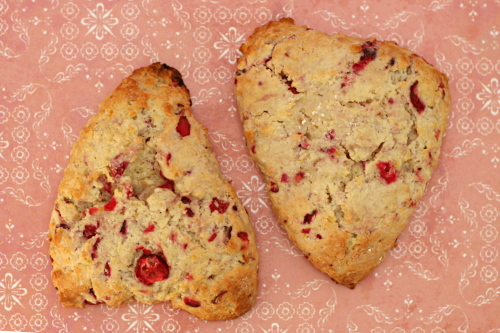
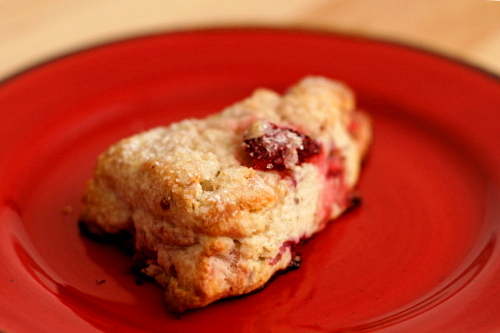
It’s time. Cranberries are showing up in stores, and there is no better way to enjoy them. These are so tender, have just the right sweetness, and make for a stress-free weekend breakfast, even with guests. Even after a year of making scones, these are still one of my favorites.

Copy of IMG_1631

One year ago: Warm Chickpea and Butternut Squash Salad

Printer Friendly Recipe
Cranberry Orange Scones (adapted from Gourmet via Smitten Kitchen)

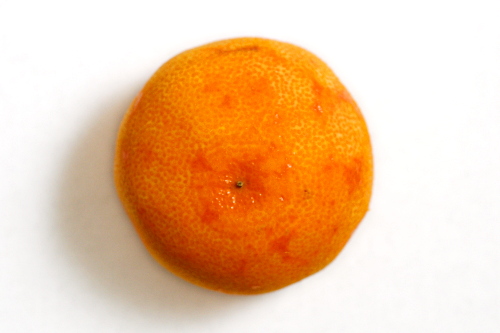
The recipe originally calls for (Meyer) lemon zest, but orange – or tangerine, which I’ve also used – is such a great partner for cranberry that I couldn’t resist using it instead. I also like increasing the cranberries a bit (already reflected in the recipe).

I’ve baked this recipe at high altitude (at least 5000 feet) with good results. They weren’t quite as pretty, but the taste and texture weren’t affected.

I always flash-freeze scones, then bake them straight from the freezer, adding a couple extra minutes to the baking time.

Makes 8 scones

1½ tablespoons freshly grated orange zest
2½ cups (12 ounces) all-purpose flour
½ cup (3.5 ounces) sugar plus 3 tablespoons
1 tablespoon baking powder
½ teaspoon salt
¾ stick (6 tablespoons) cold unsalted butter, cut into bits
1½ cups fresh cranberries, chopped coarse (I usually do this in the food processor)
1 large egg
1 large egg yolk
1 cup heavy cream

1. Adjust an oven rack to the middle position and heat the oven to 400°F. Line a large baking sheet with parchment paper or a silicone baking mat.

2. In a small bowl, toss together fresh cranberries and 3 tablespoons sugar. In another small bowl, lightly beat the egg and yolk, then stir in cream.

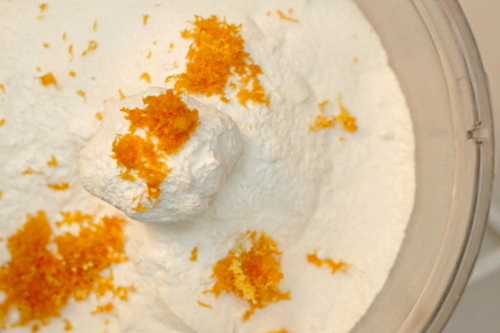
3. In a food processor, pulse the flour, ½ cup sugar, baking powder, salt, and zest until combined. Add the butter and process until the mixture resembles coarse meal. Transfer to a large bowl. (You can also just smoosh the butter into the dry ingredients with your fingers instead of using a food processor.) Stir the cranberries into the flour mixture. Then gently fold the egg mixture into the flour until just combined.

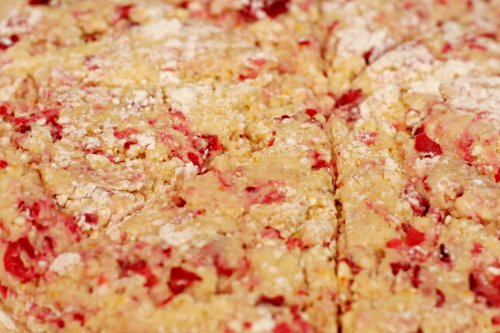
4. On a well-floured surface with floured hands, pat the dough into a 1-inch-thick round (about 8 inches in diameter). With a 2-inch round cutter or the rim of a glass dipped in flour, cut out as many rounds as possible, rerolling the scraps as necessary. (Or cut the circle into wedges, which is my standard method.) Arrange the scones about 1 inch apart on the prepared baking sheet and bake 15 to 20 minutes, or until pale golden. Cool about 10 minutes, then serve.
Copy of IMG_1626

sweet potato biscuits

Copy of IMG_0056

I love that not just one, but two of this month’s Tuesdays with Dorie recipes are non-desserts. I haven’t baked a TWD dessert in weeks! I’ve gone almost a month with choosing all of my own desserts!

Copy of IMG_0028

I don’t mean to complain; obviously I like being part of the group, or, well, I wouldn’t be. It’s just that I’m only baking for me and Dave, so if a dessert recipe makes 12 servings, that’s all we get for the week. That’s why I have a calculator in the kitchen and many many small oddly shaped pans. Fractions are my friend if I want to bake more than once per week.

Copy of IMG_0030

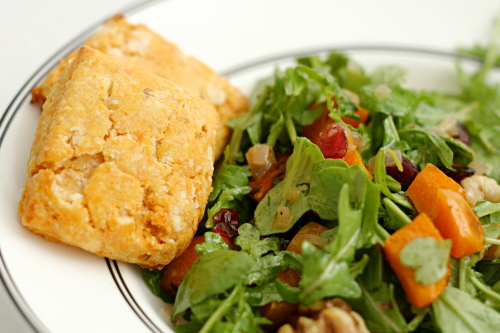
Getting to serve a TWD recipe with dinner is a rare treat. These sweet potato biscuits were a nice complement to the roasted butternut squash salad I made a few weeks ago.

Copy of IMG_0035

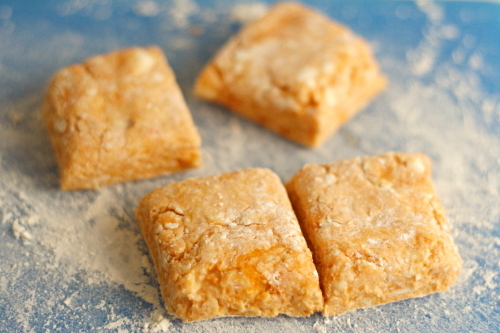
These biscuits are made the standard biscuit way – cut cold butter into flour+flavoring+leavening, then moisten the mixture, in this case with mashed sweet potatoes. It quickly became apparent that my sweet potatoes (bought fresh, then cooked and mashed) weren’t going to be able to turn the dry ingredients into biscuit dough, so I added some buttermilk, which helped.

Copy of IMG_0036

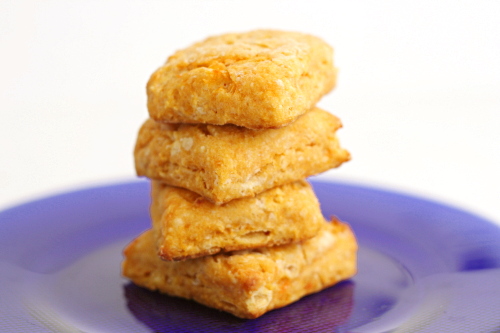
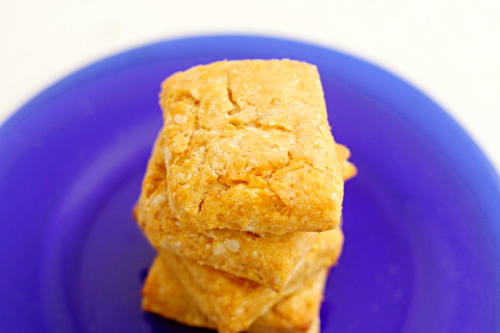
Except that something seems to have gone wrong, because my biscuits didn’t rise hardly at all. I liked the flavor quite a bit, but the texture was oh-so-dense. Still, this is the first sweet potato biscuit I’ve tried, and I quite like the idea. I’ll need to play with some more recipes.

Copy of IMG_0068

Erin chose this recipe for TWD, and she has it posted.

One year ago: Pumpkin Muffins

Copy of IMG_0058

allspice crumb muffins

Copy of IMG_0191

Dave wants just one thing to make his workday more enjoyable, just one simple thing, and that’s biscotti. Although what he really wants is almond biscotti, and not any almond biscotti, it has to be this recipe.

Copy of IMG_0169

Sadly for Dave, biscotti aren’t one of my favorite things to bake, and I certainly have no interest in making the same recipe over and over again. No no, I have much more fun making muffins, so usually he brings muffins to work instead of biscotti. Poor, poor Dave.

Copy of IMG_0174

Muffins are just so easy. Mix up some dry ingredients, mix up some wet ingredients, stir them together. Lately I’ve been adding the sugar and salt with the wet ingredients instead of the dry. They both dissolve easily, and if it’s brown sugar, I don’t have to worry about it clumping.

Copy of IMG_0179

I wish I had taken the time to grind my own allspice – I have whole berries, plus a spice-dedicated coffee grinder, but I got lazy and stuck to the powder and my allspice flavor didn’t seem very distinct. But that’s okay, because these still make an excellent muffin – light, tender, tasty. I would certainly rather eat one of these with my morning tea instead of biscotti, biscotti, and more biscotti.

Copy of IMG_0200

Kayte chose these muffins for Tuesdays with Dorie and she has posted the recipe. Next time, I’ll reduce the butter in the crumb topping by a tablespoon or two. Not only did I have more topping than I needed, but it didn’t seem quite solid enough and flowed off the muffin a bit.

One year ago: I swear this is a coincidence, but one year ago was the Lenox Almond Biscotti.  Which are good, but do not pass Dave’s Biscotti Approval Test.

Copy of IMG_0188

bran muffins

Copy of IMG_7107

Everything I eat is evaluated based on its ratio of nutrition to flavor. That sounds tedious but it isn’t. It’s really just answering one simple question that I think most of us ask before we dig in: Is it worth it?

Copy of IMG_7017

For example, macaroni and cheese: very indulgent, but also very delicious. Definitely worth it, at least once in a while.

Copy of IMG_7022

Raw carrots? Very healthy, but, eh, not my favorite thing to eat. I tend to ignore them unless there’s nothing else. But add some hummus, and you’ve increased the flavor significantly without decreasing the nutrition drastically, and hey, I’ll eat that.

Copy of IMG_7100

Sometimes I forget that something can be both ridiculously good for you and ridiculously good. And something like these muffins comes along, perfect in every way, both taste and health, and I’m oh-so-pleasantly reminded. Nutrition to flavor ratio? Off the charts.

Copy of IMG_7104

One year ago: Pain Ordinaire

Printer Friendly Recipe
Moist Bran Muffins
(from the King Arthur Flour’s Whole Grain Baking)

Makes about 18

Note that this is a two-day process, as the dough needs to set overnight before baking. Fortunately, at that point it can actually wait in the refrigerator for several days.

I’ve used both raisins and dried cranberries in these, and both are good. Of course most any dried fruit would work. I’ve also used clementine juice instead of orange juice, and that worked just fine.

¾ cup boiling water
1¼ cups unprocessed wheat bran, divided
¾ cup dried fruit, chopped if large raisins
¾ cup packed light or dark brown sugar
¼ cup vegetable oil
2½ cups whole wheat flour, traditional or white whole wheat
1 teaspoon baking soda
½ teaspoon baking powder
1 teaspoon salt
1 large egg
¾ cup buttermilk
½ cup orange juice

1. Pour boiling water over ¾ cup of the bran cereal in a small mixing bowl. Add the raisins, brown sugar and oil. While the bran mixture cools, blend together the flour, baking soda, baking powder, and salt in a large mixing bowl.

2. Beat the egg with the buttermilk and orange juice in a large measuring cup. Add this mixture to the dry ingredients. Stir in remaining ½ cup bran cereal, and then the bran-raisin mixture. Cover the bowl and refrigerate overnight.

3. The next day, preheat the oven to 375 degrees. Lightly grease a muffin tin. Fill each cup two-thirds full. Bake the muffin until a tester comes out clean, about 23 to 26 minutes.

4. Remove from oven and allow to cool in pan for 5 minutes, then turn out onto a rack to finish cooling, or serve warm.

Copy of IMG_7111

zucchini bread

Copy of IMG_8571

You know what always makes me twitchy with envy? Hearing people talk about how they just have sooo many zucchini or tomatoes or whatever from their garden, and they just don’t know what to do with it all.

Shut. Up.

Also: Give them to me.

Copy of IMG_8549

I live in an apartment. There are no raised beds and no compost bins. There isn’t enough sunlight for container plants. I can’t even keep herbs because the cats eat them.

No, I bought these zucchini from the grocery store, although it at least was from the local farm section. But it’s the end of summer, and, damn it, I wanted zucchini bread.

Copy of IMG_8552

I’m not a big carrot cake fan – vegetables? dessert? they do not belong together – but zucchini bread I can do. It’s a quick bread, a snack; it isn’t masquerading as a fancy cake. Like most quick breads, this one starts with the dry ingredients (flour, salt, leavener, nuts) and the wet ingredients (eggs, butter, sugar, yogurt, a little lemon juice) mixed separately before being folding together.

Copy of IMG_8557

What I like about this recipe is how it treats the zucchini. Zucchini is full of water, and think about it – when did you last add water to a quick bread? You don’t, because it makes baked foods wet and gummy. So you have to remove the water from the zucchini. After the zucchini is shredded, mix it with a couple tablespoons of sugar, and let it sit and drain in a strainer while you prepare the rest of the ingredients. By the time you’re ready to move on with the recipe, the zucchini will have given up something like a half-cup of (bright green) water. What’s even better about this method is that you end up using more zucchini than you could if you had to keep all of the water in the dough.

Copy of IMG_8562

Ooh, I loved these. Loved them. So soft, so tender, so pretty and green. They don’t taste at all vegetal, and they’re just sweet enough. Someday I’ll have a house and a vegetable garden, and I will turn so much zucchini into beautiful bread. Until then, I’ll be grateful that zucchini is available year-round from the grocery store.

Copy of IMG_8568

One year ago: Sausage and Red Pepper Hash

Zucchini Bread (from Cooks Illustrated)

To make muffins instead of a loaf, divide the batter between 12 greased and floured muffin cups. Bake at 375 degrees for 18-25 minutes.

2 cups (10 ounces) all-purpose flour, plus more for dusting
1 pound zucchini, washed and dried, ends and stems removed, cut in half lengthwise and seeded if using large zucchini, each half cut into 1-inch pieces
¾ cups (5¼ ounces) sugar
½ cup pecans or walnuts, chopped coarse
1 teaspoon baking soda
1 teaspoon baking powder
½ teaspoon salt
¼ cup plain yogurt
2 large eggs, beaten lightly
1 tablespoon lemon juice
6 tablespoons (¾ stick) butter, melted and cooled

1. Adjust an oven rack to the middle position and heat the oven to 375 degrees. Grease the bottom and sides of a 9 by 5-inch loaf pan; dust with flour, tapping out the excess.

2. In the bowl of a food processor fitted with the metal blade, process the zucchini and 2 tablespoons of the sugar until the zucchini is coarsely shredded, twelve to fifteen 1-second pulses. Transfer the mixture to a fine-mesh strainer set at least 2 inches over a bowl and allow to drain for 30 minutes. Alternatively, you can shred the halved zucchini (don’t cut into 1-inch pieces) on the large holes of a box grater, toss with the 2 tablespoons of sugar, and drain.

3. Meanwhile, spread the nuts on a baking sheet and toast until fragrant, 5 to 7 minutes. Transfer the nuts to a cooling rack and cool completely. Transfer the nuts to a large bowl; add the flour, baking soda, baking powder, and salt, and whisk until combined. Set aside.

4. Whisk together the remaining ½ cup plus 2 tablespoons of sugar, yogurt, eggs, lemon juice, and melted butter in a 2-cup glass measure until combined. Set aside.

5. After the zucchini has drained, squeeze the zucchini with several layers of paper towels to absorb excess moisture. Stir the zucchini and the yogurt mixture into the flour mixture until just moistened. Scrape the batter into the prepared pan and smooth the surface with a rubber spatula.

6. Bake until the loaf is golden brown and a skewer inserted in the center comes out clean, 55 to 60 minutes, rotating the pan halfway through baking. Cool in the pan for 10 minutes, then transfer to a wire rack and cool for at least one hour before serving. (The bread can be wrapped with plastic wrap and stored at room temperature for up to 3 days.)

Copy of IMG_8579

quick baking powder pizza crust

Copy of IMG_7780

I’m not exactly Ms. Spontaneous.  I like a Plan. I like following the Plan. I do not like when the Plan is disrupted.

Dave was supposed to stop at the farm stand after work one day to pick up some corn on the cob for black bean and corn quesadillas, but the farm stand was closed. A quick juggle of my meal Plan for the week left me with the option of making Smitten Kitchen’s squash and goat cheese pizza that night instead, except that I didn’t have time to make regular pizza dough, and I certainly didn’t have time to defrost the dough I already had in the freezer, as per the original Plan.

Copy of IMG_7772

Instead, I mixed up this quick-bread version of pizza dough that I’ve always been curious about. It’s basically a biscuit, so the dry ingredients are mixed, then butter (less butter than in most biscuit recipes) is cut in, and milk is stirred into the mixture to bind it.

After that, you can treat it like regular pizza dough, by rolling it out and baking it on a pizza stone. At least that’s what I did, but I do wonder if, in this case, a lower oven temperature and a regular baking sheet might work better. Then again, biscuits are usually baked a really high temperature too…

Copy of IMG_7775

I’m probably trying to fix something that isn’t broken, because I thought the pizza crust was good the way I made it. It doesn’t have much in common with regular yeasted pizza crust, but its thinner, crisper, almost cracker-like texture was a great base for this lighter non-traditional pizza. For a sauce-drenched, cheese-laden, meat-topped pizza, yes, I’d want something more substantial. But for just a bit of goat cheese and some fresh summer squash, it was perfect, even preferable. Not to mention, quick, so no Plan is needed.

Copy of IMG_7788

One year ago: Banana Nutella Crepes

Quick Baking Powder Pizza Dough (from Jeanne Lemlin’s Vegetarian Classics)

For 4 (8-inch) pizzas

I believe I made half the recipe into a 12-inch pizza.

Tip from Lemlin: If you want to make the dough in advance, just roll it out and place it on a baking sheet, then pop it in the freezer until you are ready for dinner. Let it thaw at room temperature for 30 minutes or so before covering it with your toppings.

2½ cups (12 ounces) unbleached flour, plus extra for dusting
1½ teaspoons baking powder
½ teaspoon salt
4 tablespoons unsalted butter, chilled and cut into pieces
1 cup low-fat milk
olive oil for greasing or cornmeal for sprinkling

1. Place the flour, baking powder, and salt in a large bowl. Add the butter and toss to coat. Rub the butter into the flour with your fingertips until the mixture resembles coarse meal. You can do this in a food processor, if desired. Add the milk slowly and mix just until the dough is evenly moistened.

2. Turn the dough onto a lightly floured surface and knead 2 or 3 times, or just until it is pliable. Divide the dough into 4 balls.

3. Lightly oil a large baking sheet, or if you will be using a pizza stone, sprinkle some cornmeal on a pizza peel. Using a lightly floured rolling pin, roll out each ball into an 8-inch circle. Place 2 on a baking sheet or 1 on the pizza peel. Proceed with your pizza recipe.

Copy of IMG_7778

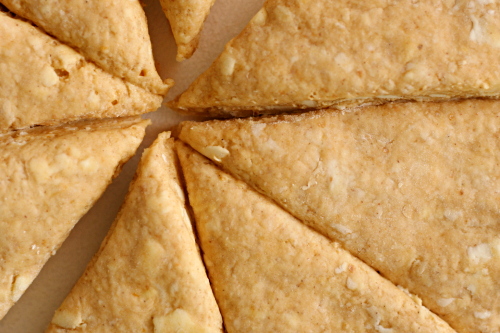
rhubarb scones

copy-of-img_5500

Scones get a seriously bad rap. People think they’re bland, dense, and/or crumbly. People think you can only enjoy them if you have a mug of coffee or tea with them. Branny told me that her husband thinks they taste like chalk. And these people aren’t completely wrong – some scones are pretty terrible. As for the whether they need to be accompanied by a hot drink, I happen to think that everything even a little sweet is better with coffee or tea.  But that doesn’t mean that I can’t enjoy a cookie without coffee.

copy-of-img_5281

Like a lot of foods, you might have to make scones yourself to get good ones. I can’t personally attest to the scones at coffee shops, but if they’re on par with every other baked treat I’ve ordered from a national coffee shop chain, they’ll be stale and bland. Don’t judge scones based on this example.

copy-of-img_5288

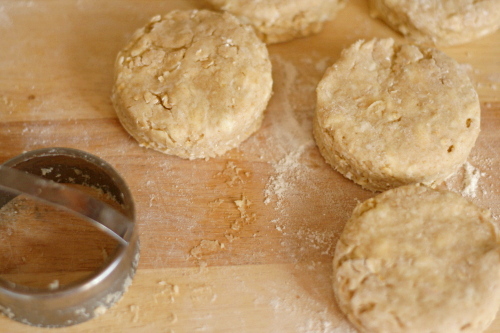
Scones are similar to biscuits, although many scone recipes have eggs included, which is rare in biscuits. In both, the dry ingredients are mixed first, and cold butter is cut in, then cold liquid is gently stirred in. Compared to the last scone recipe I made, this one has less butter, but richer dairy (cream as opposed to yogurt + milk).

copy-of-img_5517

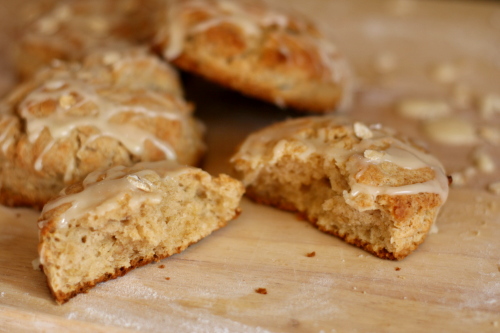
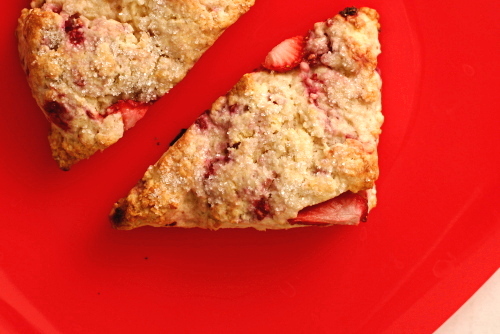
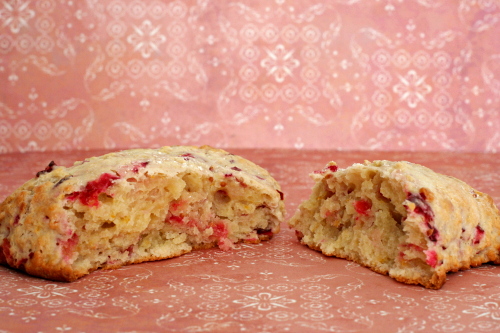
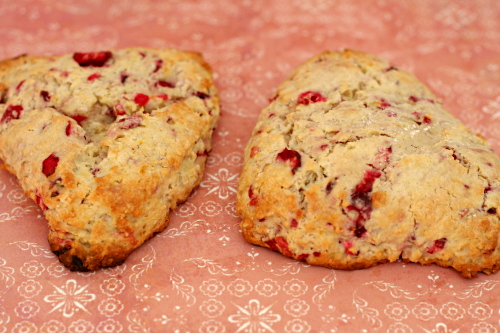
The cream changes the texture from flaky to melt-in-your-mouth tender. They’re sweet, but only slightly so, and studded by juicy, tart bits of rhubarb. There’s nothing bland, dense, crumbly, or chalky about these scones, and while I enjoyed mine with my Saturday cup of coffee, a hot drink is not required to appreciate these. If you think you don’t like scones, try these.

copy-of-img_5496

One year ago: Kaiser Rolls – I have to admit that I’ve made these twice and have decided that they’re just not worth the effort.  I like using this much easier dough instead.

Printer Friendly Recipe
Rhubarb Cream Scones
(adapted from Gourmet via Smitten Kitchen)

I only used 1½ cups (2 stalks) of rhubarb, but it wasn’t nearly enough. I would even err on the high side of 2 cups.

Update 5/8/2012 – While many people have had good results with this recipe, a few commenters have complained that their dough was too wet. This might have to do with imprecise volume measurements of flour, variability in rhubarb juiciness, or perhaps the size of the eggs used. Regardless, start with ½ cup of cream, then add more until the dough comes together but holds its shape. It might be sticky, but you should be able to pat it out with floured hands.

2½ cups (12 ounces) all-purpose flour
½ cup sugar (3.5 ounces) plus 3 tablespoons
1 tablespoon baking powder
½ teaspoon salt
¾ stick (6 tablespoons) cold unsalted butter, cut into bits
2 cups diced rhubarb (¼-inch cubes), about 3 stalks
1 large egg
1 large egg yolk
1 cup heavy cream (see update)

1. Preheat oven to 400F and line a large baking sheet with parchment paper. Adjust a baking rack to the middle position. In a small bowl, mix the rhubarb with 3 tablespoons sugar.

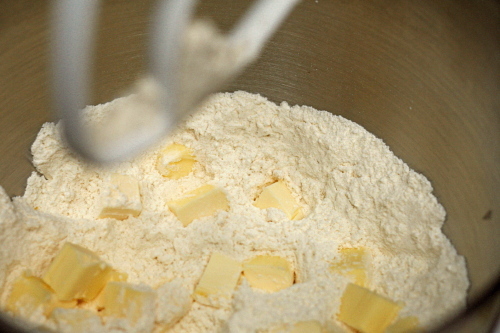
2. In a food processor, pulse the flour, ½ cup sugar, baking powder, and salt a few times, just to mix. Distribute the butter evenly over the dry ingredients and pulse until the mixture resembles coarse meal. Transfer to a large bowl.

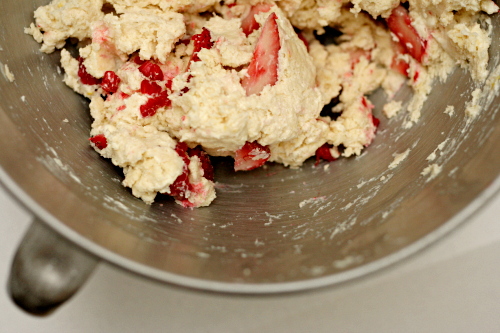
3. Stir the rhubarb into the flour mixture. Lightly beat the egg, yolk, and cream together in a bowl (use the same one you used for the rhubarb), then add this mixture to the flour mixture. Stir until just combined.

4. On a well-floured surface with floured hands, pat the dough into a 1-inch-thick round (about 8 inches in diameter). Using a 2-inch round cutter or rim of a glass dipped in flour, cut out as many rounds as possible, rerolling scraps as necessary. Arrange rounds about 1 inch apart on baking sheet and bake for 15 to 20 minutes, or until pale golden.  Transfer the scones to a cooling rack and let them cool slightly before serving.

copy-of-img_5495