chocolate chip cookie comparison

copy-of-copy-of-img_7109

Everyone is always talking about what the best chocolate chip cookie recipe is. Last year, it seemed like everyone was making the Best Big Fat Chewy Chocolate Chip Cookie. A few months ago, Cooks Illustrated’s Thick and Chewy Chocolate Chip Cookie was all the rage. These days, people are testing out the New York Times recommendation to chill the dough for 36 hours before baking.

Until recently, I stayed out of this discussion. I knew that my favorite was unpopular among food bloggers – good ol’ Tollhouse, with just a bit more flour. I’ve made it so often that I don’t bother getting out the recipe anymore. When I lived alone, I made it nearly once a week. I would eat two cookies each night with tea, and then give the rest to Dave when I saw him over the weekend. He’d eat the rest of the batch in one day.

copy-of-img_5775

But eventually, curiosity got the best of me. It was the New York Times recipe that did it. I can never seem to resist making things more complicated – a required 36 hour rest was just up my alley, right? And then once I tried one new recipe, it was like a dam opened, and suddenly I wanted to be part of this quest to find the perfect recipe.

Because, let’s face it, just about all chocolate chip cookies are good (and certainly the ones I was making would be), Dave and I decided we would need to do side-by-side comparisons to discern differences between the recipes. I decided to try four of the most popular recipes – Tollhouse, NY Times, Cooks Illustrated, and Alton Brown’s The Chewy.

copy-of-img_8405

I wanted to publish this entry with conclusive results. I wanted to come to you and say “This recipe is the one you should make. It is the best. The most butterscotchy, the most tender, the best dough, the most fun to bake.” I wanted to let you know unequivocally that the overnight rest was or was not important.

But I just don’t think it’s going to happen. The more cookies I eat, the more indecisive I get. I even made each recipe again, hoping to try again with fresh cookies. (Thank god for BakingGALS.) I had bags and bags of carefully labeled cookies in my freezer. It’s out of control. It’s time to stop the insanity and tell you what I did learn from this.

copy-of-img_7103

Regarding the overnight rest – it certainly doesn’t hurt, and I find it pretty convenient actually. You can bake one cookie sheet of cookies at a time, and you have fresh cookies every night. (You also have dough in the fridge available at all times, and I have no self-control.) Does it make a difference? Maybe. I think it gives cookies a more pronounced butterscotch flavor, and sometimes I think it helps even out the texture. But it’s pretty subtle.

copy-of-img_5082

Of the four recipes, Dave and I had two favorites, and the bake-off between those two was inconclusive.

My favorite was Alton Brown’s The Chewy. I am, sadly, not kidding when I say that I ate ten of these the first time I made them. <blush> Self-control-wise, I’m usually pretty good with cookies once they’re baked. This must have been a bad morning. It had a great butterscotch flavor, and a nice soft texture – tender without being too chewy or crisp. However, Dave had a few complaints about them being greasy, and I see his point, although I’m not bothered by this as much.

copy-of-img_5086

We were also very fond of the New York Times recipe. It was soft, with just a bit of crispness to the edges, which I like. However, they were a little dry and bready, and didn’t have as much flavor as Alton’s. They definitely weren’t greasy though.

I definitely wanted to like Cook Illustrated’s Thick and Chewy recipe. Over and over, I hear people say that it’s their absolute favorite, and usually I love CI. But not this time. These took chewy to the extreme. It was like cookie flavored bubble gum, although the cookie flavor was weak. I made them again, convinced that I must have done something wrong the first time, but I still couldn’t get excited about these cookies.

copy-of-img_8409

Dave wasn’t a fan of the Tollhouse cookies at all – too greasy, he says. I still like their flavor, which is intensely buttery. I also like the crispy edges and tender middles. But they could definitely benefit from some extra flour (which is how I made them for years, but I followed the recipe exactly this time).

This shouldn’t be, but is, an issue to consider as well – the doughs made from melted butter (Alton’s and CI’s) were not nearly as good as those made from softened butter. That’s sad. Tollhouse’s dough is the best, but NY Time’s is nothing to scoff at. The NY Times recipe is the most fun to make – lots of mixer use with that one.

copy-of-img_8417

I wish I could provide a solid answer to the “which is best” chocolate chip cookie question, but I’m not sure it’s that easy. For one thing, every one has their own preferences – I only had two testers and we couldn’t agree! However, keep in mind that chocolate chip cookies are pretty much always good. Any of these recipes will give you something delicious. But if I have to recommend one, it would be Alton Brown’s The Chewy.

copy-of-copy-of-img_5789

Since this original post, I have also made Cooks Illustrated’s Perfect Chocolate Chip Cookies.

The Chewy (from Alton Brown)

2 sticks unsalted butter
2¼ cups bread flour
1 teaspoon kosher salt
1 teaspoon baking soda
¼ cup sugar
1¼ cups brown sugar
1 egg
1 egg yolk
2 tablespoons milk
1½ teaspoons vanilla extract
2 cups (12 ounces) semisweet chocolate chips

Hardware:
Ice cream scooper (#20 disher, to be exact)
Parchment paper
Baking sheets
Mixer

Heat oven to 375F.

Melt the butter in a heavy-bottom medium saucepan over low heat. Sift together the flour, salt, and baking soda and set aside.

Pour the melted butter in the mixer’s work bowl. Add the sugar and brown sugar. Cream the butter and sugars on medium speed. Add the egg, yolk, 2 tablespoons milk and vanilla extract and mix until well combined. Slowly incorporate the flour mixture until thoroughly combined. Stir in the chocolate chips.

Chill the dough, then scoop onto parchment-lined baking sheets, 6 cookies per sheet. Bake for 14 minutes or until golden brown, checking the cookies after 5 minutes. Rotate the baking sheet for even browning. Cool completely and store in an airtight container.

Chocolate Chip Cookies (from the New York Times)

1½ dozen 5-inch cookies.

2 cups minus 2 tablespoons (8½ ounces) cake flour
1⅔ cups (8½ ounces) bread flour
1¼ teaspoons baking soda
1½ teaspoons baking powder
1½ teaspoons coarse salt
2½ sticks (1¼ cups) unsalted butter
1¼ cups (10 ounces) light brown sugar
1 cup plus 2 tablespoons (8 ounces) granulated sugar
2 large eggs
2 teaspoons natural vanilla extract
1¼ pounds bittersweet chocolate disks or fèves, at least 60 percent cacao content
Sea salt

1. Sift flours, baking soda, baking powder and salt into a bowl. Set aside.

2. Using a mixer fitted with paddle attachment, cream butter and sugars together until very light, about 5 minutes. Add eggs, one at a time, mixing well after each addition. Stir in the vanilla. Reduce speed to low, add dry ingredients and mix until just combined, 5 to 10 seconds. Drop chocolate pieces in and incorporate them without breaking them. Press plastic wrap against dough and refrigerate for 24 to 36 hours. Dough may be used in batches, and can be refrigerated for up to 72 hours.

3. When ready to bake, preheat oven to 350 degrees. Line a baking sheet with parchment paper or a nonstick baking mat. Set aside.

4. Scoop 6 3½-ounce mounds of dough (the size of generous golf balls) onto baking sheet, making sure to turn horizontally any chocolate pieces that are poking up; it will make for a more attractive cookie. Sprinkle lightly with sea salt and bake until golden brown but still soft, 18 to 20 minutes. Transfer sheet to a wire rack for 10 minutes, then slip cookies onto another rack to cool a bit more. Repeat with remaining dough, or reserve dough, refrigerated, for baking remaining batches the next day. Eat warm, with a big napkin.

Thick and Chewy Chocolate Chip Cookies (from Cooks Illustrated)

Makes 1½ dozen 3-inch cookies

CI note: These truly chewy chocolate chip cookies are delicious served warm from the oven or cooled. To ensure a chewy texture, leave the cookies on the cookie sheet to cool. You can substitute white, milk chocolate, or peanut butter chips for the semi- or bittersweet chips called for in the recipe. In addition to chips, you can flavor the dough with one cup of nuts, raisins, or shredded coconut.

2⅛ cups bleached all-purpose flour (about 10½ ounces)
½ teaspoon table salt
½ teaspoon baking soda
12 tablespoons unsalted butter (1½ sticks), melted and cooled slightly
1 cup brown sugar (light or dark), 7 ounces
½ cup granulated sugar (3½ ounces)
1 large egg
1 large egg yolk
2 teaspoons vanilla extract
1-2 cups chocolate chips or chunks (semi or bittersweet)

1. Heat oven to 325F. Adjust oven racks to upper- and lower-middle positions. Mix flour, salt, and baking soda together in medium bowl; set aside.

2. Either by hand or with electric mixer, mix butter and sugars until thoroughly blended. Mix in egg, yolk, and vanilla. Add dry ingredients; mix until just combined. Stir in chips.

3. Form scant ¼ cup dough into ball. Holding dough ball using fingertips of both hands, pull into two equal halves. Rotate halves ninety degrees and, with jagged surfaces exposed, join halves together at their base, again forming a single cookie, being careful not to smooth dough’s uneven surface. Place formed dough onto one of two parchment paper-lined 20-by-14-inch lipless cookie sheets, about nine dough balls per sheet. Smaller cookie sheets can be used, but fewer cookies can be baked at one time and baking time may need to be adjusted. (Dough can be refrigerated up to 2 days or frozen up to 1 month – shaped or not.)

4. Bake, reversing cookie sheets’ positions halfway through baking, until cookies are light golden brown and outer edges start to harden yet centers are still soft and puffy, 15 to 18 minutes (start checking at 13 minutes). (Frozen dough requires an extra 1 to 2 minutes baking time.) Cool cookies on cookie sheets. Serve or store in airtight container.

Original Nestle Toll House Chocolate Chip Cookies (slightly adapted)

Makes 60 cookies

2¼ cups all-purpose flour
1 teaspoon baking soda
1 teaspoon salt
1 cup (2 sticks) butter, softened
¾ cup granulated sugar
¾ cup packed brown sugar
1 teaspoon vanilla extract
2 large eggs
2 cups (12-ounces) chocolate chips

Preheat oven to 375° F.

Combine flour, baking soda and salt in small bowl. Beat butter, granulated sugar, brown sugar and vanilla extract in large mixer bowl until creamy. Add eggs, one at a time, beating well after each addition. Gradually beat in flour mixture. Stir in morsels. Drop by rounded tablespoon onto ungreased baking sheets.

Bake for 8 to 11 minutes or until golden brown. Cool on baking sheets for 2 minutes; remove to wire racks to cool completely.

rice pudding

copy-of-img_8780

I thought Tuesdays with Dorie was going to mutiny this week. Isabelle chose rice pudding for us to make, but the recipe has a mistake in it regarding the cooking time, and Dorie was traveling without an internet connection and wasn’t able to give us a heads up until many of us had already had frustrating experiences.

copy-of-img_8720

Even worse, the recipe was suspicious from the beginning. Dorie uses just ¼ cup of rice to thicken 3¼ cups of milk, far less rice than most rice pudding recipes use. Plus, the instructions actually say that the pudding will be thin when it’s taken off of the stove, but it’ll thicken once it chills. I don’t think Dorie meant that it should be quite this thin.

copy-of-img_8674

Unsurprisingly, my “pudding” never thickened. I left it in the fridge for two days, too irritated to think about it, until I realized that I could just put it back on the stove and try cooking it longer and maybe it would thicken. And eventually it did. Once Dorie was able to let the group know about the typo, I realized that the cooking time was indeed supposed to be longer than what the book says.

copy-of-img_8713

In the end, the rice pudding was pretty good. I wouldn’t say that it was any better or worse than the only other time I’ve had rice pudding. At least there was chocolate this time.  Rice pudding just isn’t really my thing though. I kept thinking to myself, “why is there rice in my pudding?” Dave wondered why anyone would eat rice pudding when they could be eating tapioca pudding. He has a good point.

Isabelle has posted Dorie’s rice pudding recipe. Keep in mind that you’ll need to cook it for 55 minutes or so, until the texture is pudding-like. The ratio of rice to milk does work.

copy-of-img_8785

baked eggs with spinach and mushrooms

copy-of-img_8611

There’s nothing not to like about this recipe. It’s eggs-on-stuff, and I love eggs-on-stuff, especially when the stuff is onions, mushrooms, and spinach. And then it’s sprinkled with parmesan. What a perfect flavor combination.

copy-of-img_8608

You know the only thing this recipe is lacking? Carbs. Ah, starch. Carbs in any form would be good, but I’m thinking especially of either adding cubed parboiled potatoes with the onions, or serving the whole thing on top of toast. Or hash browns.

And that gives me an excuse to make this again…soon.

copy-of-img_8610

Baked Eggs with Spinach and Mushrooms (from Gourmet June 2004 via Smitten Kitchen)

Serves 4

10 ounces baby spinach leaves
¼ cup finely chopped onion
1 garlic clove, finely chopped
2 tablespoons unsalted butter
5 ounces mushrooms, thinly sliced (2 cups)
⅓ cup heavy cream
¼ teaspoon salt
¼ teaspoon black pepper
⅛ teaspoon freshly grated nutmeg
4 large eggs
2 tablespoons finely grated parmesan

Put oven rack in upper third of oven and preheat oven to 450F.

Bring ½ inch water to a boil in a 10- to 12-inch ovenproof heavy skillet (not cast-iron), then add half of spinach and cook, turning with tongs, until wilted, about 30 seconds. Add remaining spinach and wilt in same manner, then cook, covered, over moderately high heat until spinach is tender, about 2 minutes. Drain in a colander and cool under cold running water. Gently squeeze handfuls of spinach to remove as much liquid as possible, then coarsely chop.

Wipe skillet dry, then cook onion and garlic in butter over moderately low heat, stirring, until softened, 2 to 3 minutes. Add mushrooms and increase heat to moderate, then cook, stirring, until mushrooms are softened and have exuded liquid, about 3 minutes. Stir in cream, salt, pepper, nutmeg, and chopped spinach and bring to a simmer. Remove skillet from heat and make 4 large indentations in spinach mixture. Break an egg into each indentation and bake, uncovered, until egg whites are set but yolks are still runny, 7 to 10 minutes. Lightly season eggs with salt and pepper, then sprinkle with cheese.

stuffed sandwich rolls (aka monsters)

copy-of-img_8071

This is a recipe that has drastically changed throughout the years. Six years ago, I got the idea for sandwich filling sealed in biscuits from a book of backpacking recipes. I originally followed the recipe exactly, making biscuits with whole wheat and soy flour. They were so dense that they earned the name “monsters” with my group of backpacking friends. Every time I’ve made them since, I’ve adjusted the biscuit recipe slightly, making it lighter and adding flavor. Still, the biscuits always seem dry and dense.

copy-of-copy-of-img_7731

I finally had an epiphany this last time – the fundamental flaw in this recipe is that biscuits are used at all. Biscuits are best fresh out of the oven, not carried around in a backpack for three days. I’m guessing the backpacking recipe book developed the recipe with biscuits because they assumed that the average backpacker wasn’t comfortable baking with yeast. But as far as food preparation goes, I am not the average backpacker.

copy-of-img_7735

That led to Monsters 2.0 – meat and cheese sealed in my favorite sandwich bread. These were far better than the original Monsters. They stayed sealed better – the biscuit versions tended to pop open. They’re healthier, since biscuits usually contain high amounts of fat. And although yeast bread requires more patience than biscuits, I don’t think this new version involves any more actual effort than the biscuit version.

copy-of-img_7943

But the main advantage was, of course, in the eating. We ate these four days after I made them, and they still tasted fresh. And while food always tastes better in the woods, I think Monsters have their place at home as well. You can make a batch, bake them, freeze them, and then have a delicious sandwich ready whenever you need it.

copy-of-img_8066

Monsters 2.0 (Stuffed Sandwich Rolls) (bread recipe pieced together from Betty Crocker, Cooks Illustrated, and Peter Reinhart)

Makes 12 sandwiches

I apologize for the vagueness of “sandwich fillings” as an ingredient. You can use whatever you want, although cheese and meat is the obvious choice. I think ham makes the best filling because it keeps well. That being said, I always use turkey because one of my friends who I often make these for doesn’t eat red meat. I don’t know how we get away with eating turkey that hasn’t been refrigerated for days, but no one has ever had a problem with it. As far as how much to use – as much as possible. I’ll update this next time I make these with something more precise, but I never use enough filling. Definitely use more than you see in the photos.

3-3½ cups (15-17½ ounces) unbleached flour, plus extra for work surface
1½ teaspoons table salt
1 cup water, warm (110 degrees)
1 egg
2 tablespoons vegetable oil or unsalted butter, melted
¼ cup (1.75 ounces) granulated sugar or 3 tablespoons honey
1 package (2¼ teaspoons) rapid-rise yeast (also called instant)
Sandwich fillings (see note above)
2 tablespoons milk

1. Adjust an oven rack to middle position and heat the oven to 200 degrees. Once the oven temperature reaches 200 degrees, maintain heat for 10 minutes, then turn off the oven.

2. Mix flour, salt, and yeast in the bowl of a standing mixer fitted with the dough hook. Mix water, egg, butter, and honey in 1-quart Pyrex liquid measuring cup. Turn machine to low and slowly add liquid. When dough comes together, increase speed to medium (setting number 4 on a KitchenAid mixer) and mix until dough is smooth and satiny, stopping machine two or three times to scrape dough from hook if necessary, about 10 minutes. Turn dough onto lightly floured work surface; knead to form smooth, round ball, about 15 seconds.

3. Place dough in very lightly oiled bowl, rubbing dough around bowl to lightly coat. Cover bowl with plastic wrap; place in warm oven until dough doubles in size, 40 to 50 minutes.

4. Divide the dough into 12 equal pieces. Form the pieces into smooth balls. Cover the balls with plastic wrap and allow them to rest for 10 minutes.

5. On a lightly floured work surface, roll out each ball to form an oval ⅛-inch thick. Layer sandwich filling on one side of each oval, leaving a ½-inch border. Fold dough over filling, stretching it a bit if absolutely necessary. Seal the edges with the tines of a fork.

6. Cover the rolls loosely with plastic wrap. Let rise until puffy, 30-45 minutes.

7. Heat oven to 350F. Use the tines of a fork to re-seal the edges of the rolls. Using a pastry brush, brush the rolls with the milk.

8. Bake until rolls are golden, 25-40 minutes. Transfer the rolls to a cooling rack. Wait at least 30 minutes before serving.

mashed potatoes

copy-of-copy-of-img_8991

I have a pet peeve about mashed potatoes. I hate when they’re boiled after they’re peeled. It drives me crazy when people peel them, slice them really thin, and then boil them. I think they absorb so much water and then, after being mashed, they just can’t get their flavor back.

Clearly, based on how many of their recipes are my favorites, I’m a big fan of Cooks Illustrated, and their recipe for mashed potatoes was the start of that. My friend had checked The New Best Recipe out of the library, and I was at her place flipping through it when I saw the recipe for mashed potatoes, which called for the potatoes to be boiled in their skins. I loved the idea – how it maximizes the flavor of the potatoes. But, I hated peeling hot just-boiled potatoes.

copy-of-img_8983

This new recipe improves upon that idea by steaming the potatoes – so it’s just the tiniest bit more effort (because the potatoes need to be rinsed halfway through steaming) as a normal mashed potato recipe, but it makes such a difference! Seriously, I tasted these potatoes, before butter or salt or any of that goodness was added, and the flavor was – it was pure potato! Exactly what you want!

Adding melted butter first, before the liquid, coats the starch with fat so it can’t absorb the liquid, and liquid absorption is what leads to gluey mashed potatoes. Heating the milk before adding it to the potatoes just makes good sense – it keeps the potatoes from getting cold.

I know most people don’t use a recipe when they make mashed potatoes. But they should! Don’t you want amazing mashed potatoes every single time you make them? And all you have to do to get there is steam the potatoes instead of boiling them, and add melted butter before adding liquid. There’s no excuses!

copy-of-img_8989

Fluffy Mashed Potatoes (from Cooks Illustrated)

CI note: This recipe works best with either a metal colander that sits easily in a Dutch oven or a large pasta pot with a steamer insert. To prevent excess evaporation, it is important for the lid to fit as snugly as possible over the colander or steamer. A steamer basket will work, but you will have to transfer the hot potatoes out of the basket to rinse them off halfway through cooking. For the lightest, fluffiest texture, use a ricer. A food mill is the next best alternative. Russets and white potatoes will work in this recipe, but avoid red-skinned potatoes.

Bridget note: I don’t have a metal colander or a pasta pot, but a cheapo steamer seems to work just fine. I also don’t have a ricer or a food mill, but I actually like the texture that a potato masher provides. Really, the key is the steaming.

2 pounds Yukon Gold potatoes (4 to 6 medium), peeled, cut into 1-inch chunks, rinsed well, and drained
4 tablespoons unsalted butter, melted
table salt
⅔ cup whole milk, warm
ground black pepper

1. Place metal colander or steamer insert in large pot or Dutch oven. Add enough water for it to barely reach bottom of colander. Turn heat to high and bring water to boil. Add potatoes, cover, and reduce heat to medium-high. Cook potatoes 10 minutes. Transfer colander to sink and rinse potatoes under cold water until no longer hot, 1 to 2 minutes. Return colander and potatoes to pot, cover, and continue to cook until potatoes are soft and tip of paring knife inserted into potato meets no resistance, 10 to 15 minutes longer. Pour off water from Dutch oven.

2. Set ricer or food mill over now-empty pot. Working in batches, transfer potatoes to hopper of ricer or food mill and process, removing any potatoes stuck to bottom. Using rubber spatula, stir in melted butter and ½ teaspoon salt until incorporated. Stir in warm milk until incorporated. Season to taste with salt and pepper; serve immediately.

kugelhopf

copy-of-img_8885

This is the second Tuesdays with Dorie recipe in a row that I didn’t even know what it was before I made it. I had to wikipedia it to find out if I was supposed to serve it as dessert or what. I ended up serving it with some healthy omelets for breakfast.

This was not the most popular recipe we’ve made in the group. It seems like a lot of people had problems with the consistency of the dough and its rising times, and I’m wondering if some of those problems can be attributed to unfamiliarity working with yeast. A few people were surprised by how much time the recipe required, but almost all of that is spent waiting for the dough to rise. I didn’t think this was any more effort than any other yeast bread recipe.

copy-of-img_8833

I didn’t have any problems putting the recipe together. I can’t say I followed the directions exactly – I kept forgetting about it after I put it in the refrigerator, even though I was supposed to punch it down every once in a while. But I find that yeast breads are pretty forgiving.

copy-of-img_8879

I liked the texture of the bread quite a bit. It was very tender and light. The raisins were a nice addition. I wonder if it would be tasty to soak the raisins in rum instead of hot water to plump them? Or is a rum soak inappropriate for something that’s generally served for breakfast? (And do I care if it is? Probably not.)

copy-of-img_8883

The only problem I had with the kugelhopf is that it tasted totally flat. I was actually wondering if I had forgotten to add the salt, but now I see that quite a few people thought the bread was bland. Looking at the recipe, I can why – ¼ teaspoon of salt is a not a lot for a loaf this size. I would expect to use about three times that amount. I really need to be more careful with the salt amounts in Dorie’s recipes – I find that she tends to use less than I prefer. It’s just hard not to trust the professional in these matters.

Overall though, I enjoyed the little kugelhopf rolls, and I’m a better baker for knowing what the heck kugelhopf is. You can find the recipe on Yolanda’s blog.

copy-of-img_8890

bacon-wrapped pork tenderloin medallions

copy-of-img_8222I almost never serve meals that consist of a meat, a starch, and a vegetable. This was never a conscious decision on my part; it was more of a slow realization. I’ve not sure why I don’t, but I think it’s because they’re usually more work. I tend to save meat-starch-vegetable meals for the weekend when I have more time. And when I do, I find it’s best to wrap the meat in bacon.

copy-of-img_8213

Okay, so this is the only meat I’ve ever wrapped in bacon. But I can’t deny that it made for some tasty pork tenderloin. Bacon makes everything better.

copy-of-img_8217

The recipe is not difficult at all. It only has a few ingredients, so it’s kept very simple. The only time consuming step was wrapping the bacon around the pork tenderloin medallions, but it takes less than a minute per medallion, and if you were serving this for guests, I don’t see any reason why that couldn’t be done ahead of time.

copy-of-img_8227

The tenderloin was, unsurprisingly as it’s wrapped in bacon, very good. However, next time I think I’ll brine it before cooking it, as maybe it was a little dry. (I might have overcooked it though – cooking big chunks of meat is probably my weakest skill in the kitchen.) The recipe is supposed to be served with a pan sauce, but somehow I missed that until too late.  I didn’t miss it.

copy-of-img_8234

Bacon-Wrapped Pork Tenderloin Medallions (from Cooks Illustrated)

CI note: We prefer natural to enhanced pork (pork that has been injected with a salt solution to increase moistness and flavor), though both will work in this recipe. Begin checking the doneness of smaller medallions 1 or 2 minutes early; they may need to be taken out of the pan a little sooner.

12-14 slices bacon (1 slice for each pork medallion)
2 pork tenderloins (1 to 1¼ pounds each), trimmed of fat and silver skin, cut crosswise into 1½-inch pieces; thinner end pieces scored and folded
Kosher salt and ground black pepper
2 tablespoons vegetable oil

1. Place bacon slices, slightly overlapping, in microwave-safe pie plate and cover with plastic wrap. Cook in microwave on high power until slices shrink and release about 1/2 cup fat but are neither browned nor crisp, 1 to 3 minutes. Transfer bacon to paper towels until cool, 2 to 3 minutes.

2. Wrap each piece of pork with 1 slice bacon and secure with 2 toothpicks where ends of bacon strip overlap, inserting toothpicks on angle and gently pushing them through to other side.

3. Season pork with pepper. Heat oil in 12-inch skillet over medium-high heat until shimmering. Add pork cut side down and cook, without moving pieces, until well-browned, 3 to 5 minutes. Turn pork and brown on second side, 3 to 5 minutes more. Reduce heat to medium. Using tongs, stand each piece on its side and cook, turning pieces as necessary, until sides are well browned and internal temperature registers 145 to 150 degrees on instant-read thermometer, 8 to 14 minutes. Transfer pork to platter and tent lightly with foil; let rest 5 minutes, then serve.

copy-of-img_8229

gallitos (costa rican breakfast tacos)

copy-of-img_8282

Dave lived in New Jersey for half a year while I was finishing up graduate school three hours away in upstate New York. We took turns visiting each other on the weekends, but the weekends in NJ were undoubtedly more fun, because we always took the train into Manhattan. I love Manhattan.

copy-of-img_8258

Just about every meal I’ve eaten in Manhattan has been exceptional, but one of my favorites was at Calle Ocho. We went for brunch and ordered the gallitos. I love tacos any time of the day. Dave and I don’t live as close to Manhattan anymore, so I can’t just go order gallitos whenever I want. But it took me two years to realize that there was nothing stopping me from making them myself.

copy-of-img_8267

I don’t remember the meal exactly, but the menu description helps – “Platter of Traditional Costa Rican Tacos, Scrambled Eggs, Chorizo, Calle Ocho Fries.” I could have sworn there was squash too, and pico de gallo just makes sense.

copy-of-img_8274

I will admit that this recipe is a bit of a project, and not much of it can be prepared in advance. I think it would be great for guests arriving late morning for brunch. Everyone can build their own tacos, which would be fun, and I imagine it’s not something many people have had before. Of course you should serve it with mimosas, as is fitting for any brunch, and which also accompanied my gallitos at Calle Ocho.  You can never go wrong serving champagne with breakfast.

copy-of-img_8260

The only problem I’ve had with the recipe is figuring out what to do with the tortillas. I feel like corn tortillas is more appropriate than flour, and they’re also a little lighter. However, they tend to crack instead of bend, even after being warmed and wrapped in foil. I’m not willing to fry them individually for breakfast. Unless someone has a better recommendation, I’m thinking I’ll start using flour tortillas instead. I did recently see a brand of corn tortillas that looked more flexible, so I’ll try those as well.

The gallitos are pretty great. There’s so many flavors working together – the sweet squash, salty potatoes, spicy chorizo, and fresh pico de gallo are wonderful. For me, this is definitely worth the effort involved.

copy-of-img_8284

Gallitos

Serves 4 to 6

To save time, you can cook the potatoes and squash together.

2½ tablespoons canola or vegetable oil
12 ounces (about 2 medium) Yukon Gold potatoes, diced into ¼-inch cubes
salt
16 small flour or corn tortillas
16 ounces (1 medium) butternut squash, peeled and diced into ¼-inch cubes
½ teaspoon sugar
12 ounces chorizo, diced into ½-inch cubes
4 eggs
2 tablespoons milk
Pico de gallo (recipe follows)

1. Heat oven to 200F. Wrap tortillas in foil and place in warm oven.

2. Heat 1 tablespoon oil in large nonstick skillet over medium heat. Add potatoes and ¾ teaspoon salt and stir until the potatoes are coated with oil. Cover the pan and cook, stirring occasionally, until potatoes are browned and tender, about 20 minutes. (If potatoes aren’t beginning to brown after 12 minutes, remove lid.) Pour potatoes into heatproof serving bowl and place in warm oven.

3. Meanwhile, in small nonstick skillet, cook chorizo over medium heat until evenly browned. Place chorizo in heatproof serving bowl and place in warm oven. Wipe pan with paper towels.

4. In now empty large nonstick pan (no need to clean or wipe), heat 1 tablespoon oil over medium heat. Add squash, ½ teaspoon salt, and sugar and sauté, uncovered, until browned and tender, about 20 minutes.

5. Meanwhile, heat remaining ½ tablespoon oil in small nonstick pan over medium heat. Crack eggs into a medium bowl. Add ¼ teaspoon salt, pinch black pepper, and milk. Whisk until evenly combined. Pour the egg mixture into the pan and reduce the heat to medium-low. Gently lift and stir the eggs until they form large, mostly dry curds. Pour eggs into serving bowl.

6. Serve tortillas, potatoes, squash, chorizo, eggs and pico de gallo separately, allowing each person to build their tacos as they please.

Pico de gallo: (adapted from the Pioneer Woman)
4 roma tomatoes, diced fine
1 small red onion, diced fine
1-2 jalapenos, minced
½ cup cilantro, chopped fine
juice of half a lime
salt to taste

Mix all ingredients.

copy-of-img_8287

gratin dauphinois (potatoes au gratin)

copy-of-img_67821

One advantage of screwing up a recipe is that at least you know when you don’t screw it up. The first time I made this recipe, I thought I might have overcooked it. The second time, I knew I overcooked it.

I’m a big fan of Jeffrey Steingarten, the food writer for Vogue. I have two of his books and I’ve enjoyed them both. He claims to have made a gratin once a week for the past ten years and calls this one “so fantastically good that [he has] made it every day for the past few weeks.” I’m not capable of resisting that recommendation, regardless of the half stick of butter and 1½ cups of cream. (Yikes.)

copy-of-img_67171

Steingarten developed his recipe to maximize the crispy parts, so the potatoes are placed in the baking pan in a single layer. Steingarten considers cheese in this type of gratin “a gross and pitiful imposture”, because the cream should reduce to a cheese-like flavor, so adding cheese is unnecessary. I have to do one more quote, because there’s no way I’ll be able to describe this as accurately and enticingly as Steingarten (which is why he is a professional and I am a blogger). “[The liquid] will coat the vegetable with an intensely flavorful concentrate…and the surface…is beautifully browned and crusty and delicious.”

copy-of-img_67291

Steingarten also says “if your gratin is truly brilliant, the bottom will become golden and crisp as well.” My gratin was not, and has never been with this recipe, truly brilliant. I’m not sure why; my only theory is that I’m using Pyrex when cast iron would be a better choice. The only cast iron cook/bakeware I have is my Dutch oven, but maybe I’ll try baking this is an All-Clan stainless steel skillet next time to see if I can get the bottom crust to form.
copy-of-img_67361

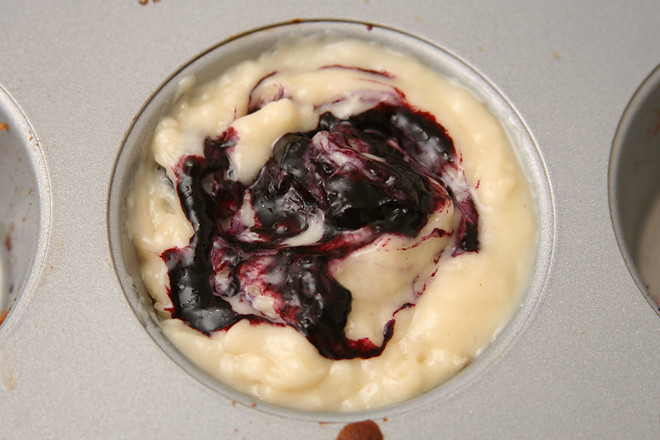
The recipe isn’t particularly difficult; it looks long due to Steingarten’s very detailed instructions. I typed out the recipe in Steingarten’s exact words because they have so much of his writing style in them, which I thought was worth keeping. However, there are aspects of the recipe that I change. A minor one is replacing the white pepper with black pepper, not only because I keep the black pepper on the counter and the white pepper requires some digging in the pantry, but because I think the flavor is better with the potatoes. Also, Steingarten calls for a pound and a half of potatoes, and says that “you will undoubtedly have some slices leftover.” With the pan size he calls for, I tend to have at least a third of the slices leftover. I’ve found that I should either increase the pan size or decrease the potatoes I slice.

copy-of-img_67471

Steingarten is also careful to instruct that the potatoes should be removed from the oven before “the cream has broken down into clear, foamy butterfat”. Oops. Good advice. Otherwise you end up with a disgusting greasy mess that makes it all too obvious that there’s a dismaying amount of fat in the recipe.

copy-of-img_67551

But, if you do it right, you have deliciously tender, creamy, crisp potatoes that don’t need cheese to taste cheesey or bread crumbs to be crispy. On the top. If you try the recipe and get a crispy bottom too, let me know!

copy-of-img_67831

Gratin Dauphinois (from Jeffrey Steingarten’s It Must’ve Been Something I Ate)

4 tablespoons (½ stick) butter
1 (scant) cup milk
1 large garlic clove, peeled and lightly crushed
½ teaspoon freshly ground white pepper
¾ teaspoon salt
1/8 teaspoon freshly grated nutmeg, about a dozen gratings
1½ pounds baking potatoes
1½ cups heavy cream

Special equipment: A large, low baking dish made of enameled iron, glass, or earthernware. The quantities in this recipe work out perfectly when baked in a dish measuring about 120 square inches on the inside bottom, where the slices of potato will lie. This translates into a rectangle 9-by-13 inches, or 10-by-12 inches; an 11-inch square; a 12-inch circle; or an oval 10-by-15 inches. An enameled iron baking dish is preferred – mine is made by Le Creuset – because it produces a delectable crust underneath the potatoes. A hand-sliced device, such as a traditional French stainless-steel mandoline or a much less expensive but excellent plastic Japanese-made device manufactures by Benriner.

Let the butter soften at room temperature for an hour or so. Meanwhile, preheat your oven to 425F.

Place the milk, garlic clove, pepper, salt, and nutmeg in a small saucepan, bring to a boil, and remove from the heat.

Meanwhile, liberally butter the bottom of the baking dish using about half the butter. Peel the potatoes, rinse them, and pat them dry. Then, slice them 1/8-inch thick, discarding the smallest slices. (This is easier with a slicing machine, inexpensive or elaborate. The quantities and cooking times given here work out best when the slices are even and close to 1/8 inch. Just keep adjusting your slicing machine until a little pile of eight slices measures an inch high.) Under no circumstances should you wash the potatoes after they have been sliced – the surface starch is absolutely indispensable.

Evenly arrange the potatoes in the buttered dish in one layer of overlapping slices. (Begin by laying out a row of slices along one narrow end of the baking dish, overlapping each one about a third of the way over the slice that came before. Repeat with a second row. Continue until the baking dish is neatly paved.) You will undoubtedly have some slices left over. Please do not try to cram them in.

Bring the milk to the boil again and pour it over the potatoes, removing the garlic. Cover the pan with a sheet of aluminum foil. Bake in the middle of the oven for about 15 minutes, until most of the milk has been absorbed. Meanwhile, bring the cream to a boil, and remove from the heat. When the potatoes are ready, remove and discard the aluminum foil. Bring the cream back to the boil and pour it over the potatoes, dotting the surface with the remaining butter.

Bake, uncovered, for another 20 to 25 minutes, until the potatoes have turned a golden brown, spotted with darker, crisp area. (Rotate the baking dish halfway through if the gratin is browning unevenly.) The underside of the gratin will also be brown and crispy in spots. But do not wait until most of the cream has broken down into clear, foamy butterfat. The potatoes should be dotted with thickened, clotted cream, especially between the slices.

Let the gratin settle for 10 minutes. (This will allow the excess butterfat to drain to the bottom of the dish.) Then eat immediately – taste and texture suffer with each passing minute. Cut into 6 or 8 rectangles with a blunt knife and serve each one with a thin, wide metal slotted spatula.

rugelach

copy-of-img_8773

The closest I’ve ever come to making, or even eating, rugelach is spreading jam on scraps of pie dough, rolling them up, sprinkling them with sugar, and baking them. So pretty close actually. Except that it never occurred to me to add chocolate, so I’ve been missing out.
copy-of-copy-of-img_8728

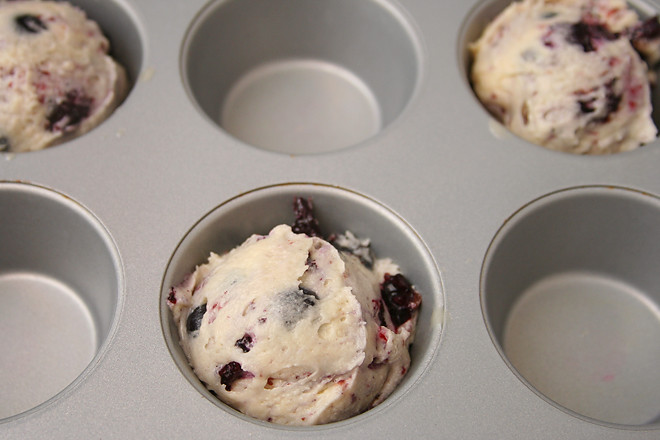
Dave loves jam+scraps of dough, so I was confident that he’d enjoy these. I was right, and he was not pleased when I sent the first batch to a soldier in Iraq. That gave me a great reason to make them again, with a few changes I had in mind.

copy-2-of-copy-of-img_8741

Dorie practically insists that we play with the filling recipe, so I took it upon myself to do so. For the first batch I followed the recipe exactly, and it was no bad thing. However, they were, if such a thing is possible, too chocolately. Not that they weren’t still delicious, but I happened to know that I added all sorts of other tasty things in the filling, and I wanted to taste all of it!

copy-of-img_8761

For the second batch, I cut the chocolate in half and reduced the jam a little, since so much of it oozed out from the first batch. And in a weird reversal, after months of replacing Dorie’s raisins with other dried fruit, I ran out of currants and substituted raisins. Still good. So many flavors playing along nicely together.

copy-of-img_8770

The recipe, chosen for TWD, can be found on Grace’s site. Changes I made include cutting the amount of chocolate in half, reducing the jam to ½ cup, and increasing the cinnamon to ¾ teaspoon. I also found that it was best to cut the dough into triangles before adding the chunks of chocolate, which blocked my pizza cutter when I added it before cutting.

copy-of-img_8767