black bean squash burritos

copy-of-img_3454

One of my (many) goals for this year was to cook less. And boy have I. My cooking and baking was getting out of hand there for a while and getting in the way of other things I needed to be doing. Like working. But I swung too far in the other direction, because do you realize that I haven’t posted a non-baked recipe in a month? In fact, I almost ran out of anything I could post about. Now I’m getting back on track with trying new, easy, healthy dinner recipes.
copy-of-img_3437

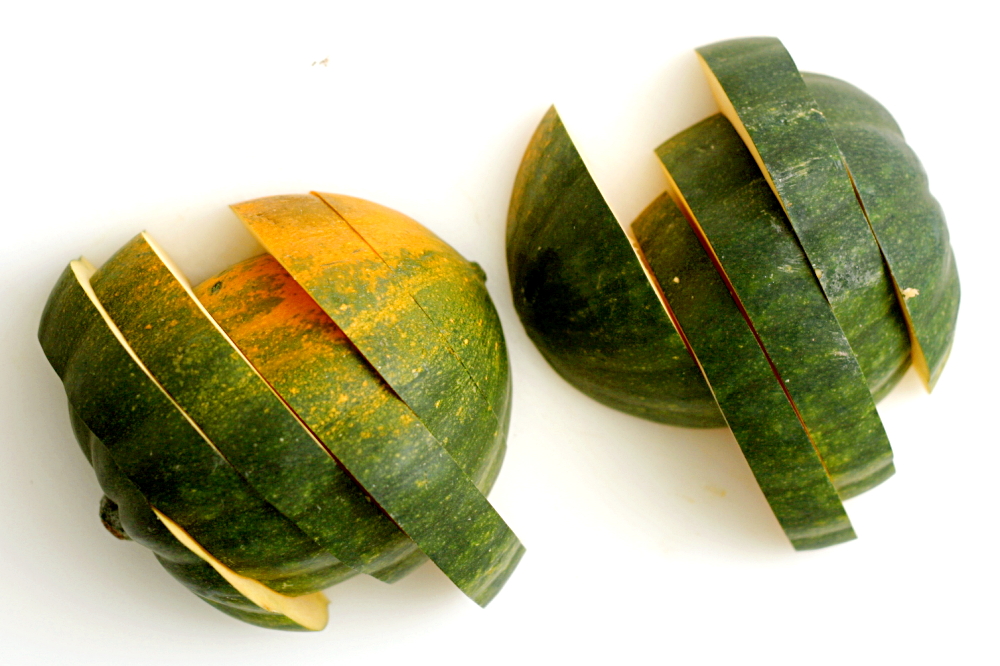
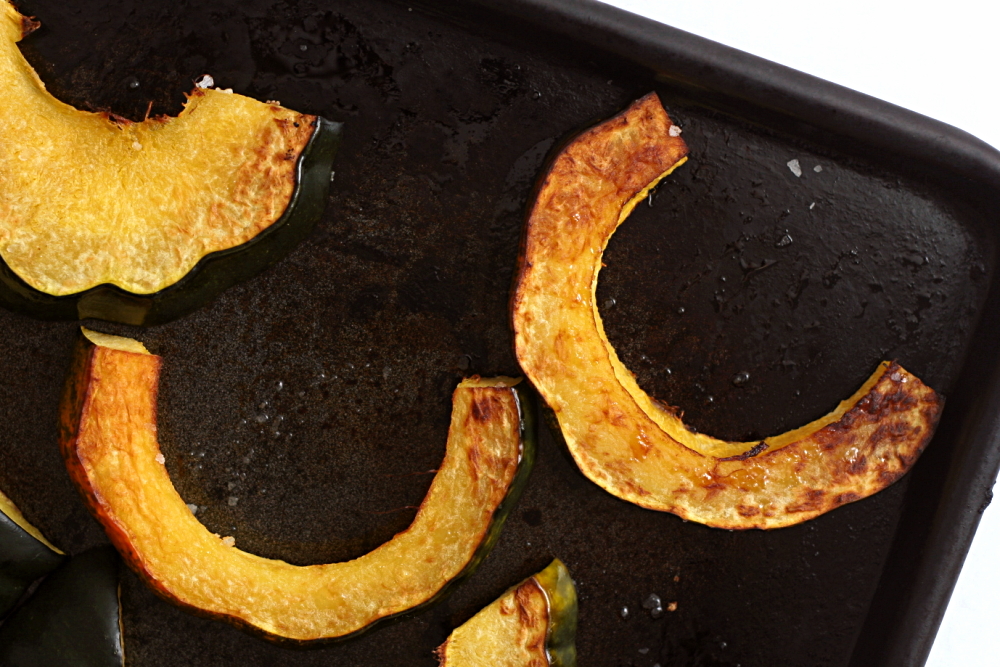
Black bean and squash burritos have been on my radar for a while, but then when I finally decided to make them, I couldn’t find a recipe. I ended up just writing my own. For the squash, I knew I wanted to avoid peeling and dicing it while it was raw, as that whole process always ends up pissing me off. So I sliced the squash, seasoned it, rubbed it in just a little olive oil, and roasted it until it was soft and browned.
copy-of-img_3445

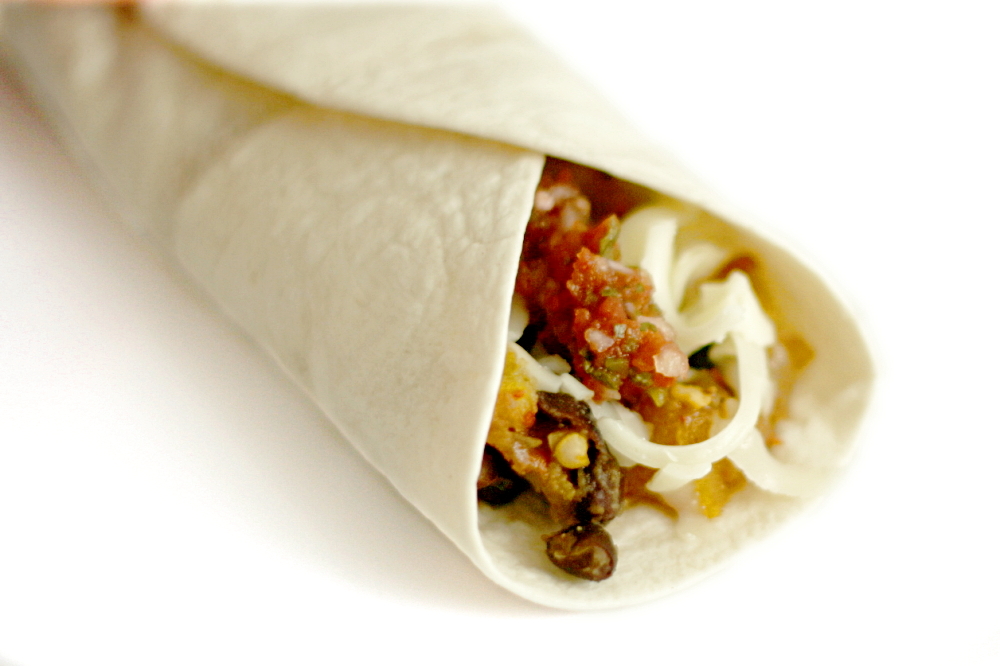
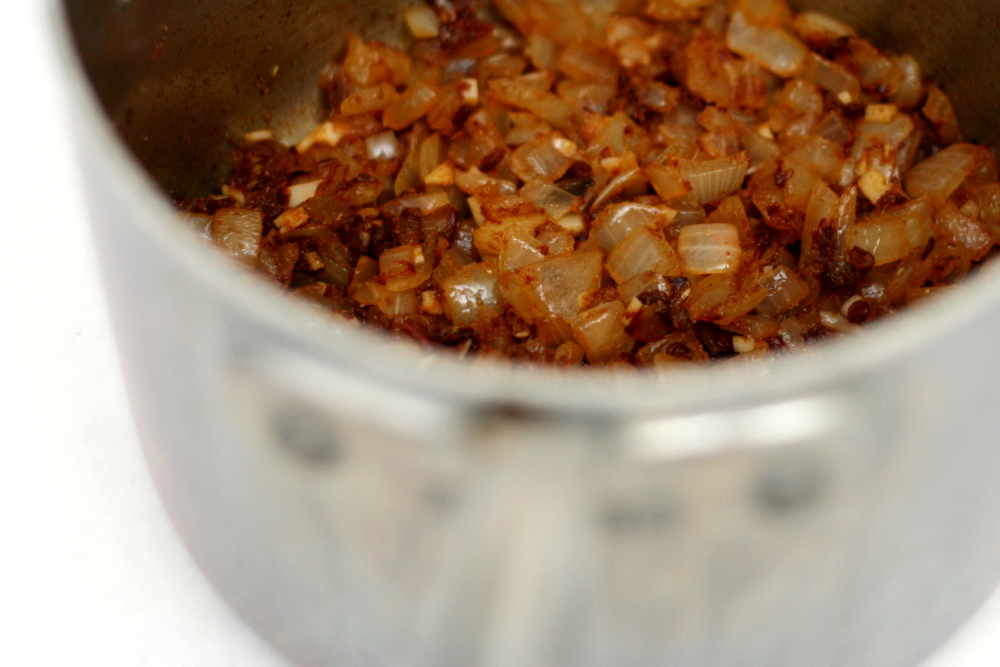
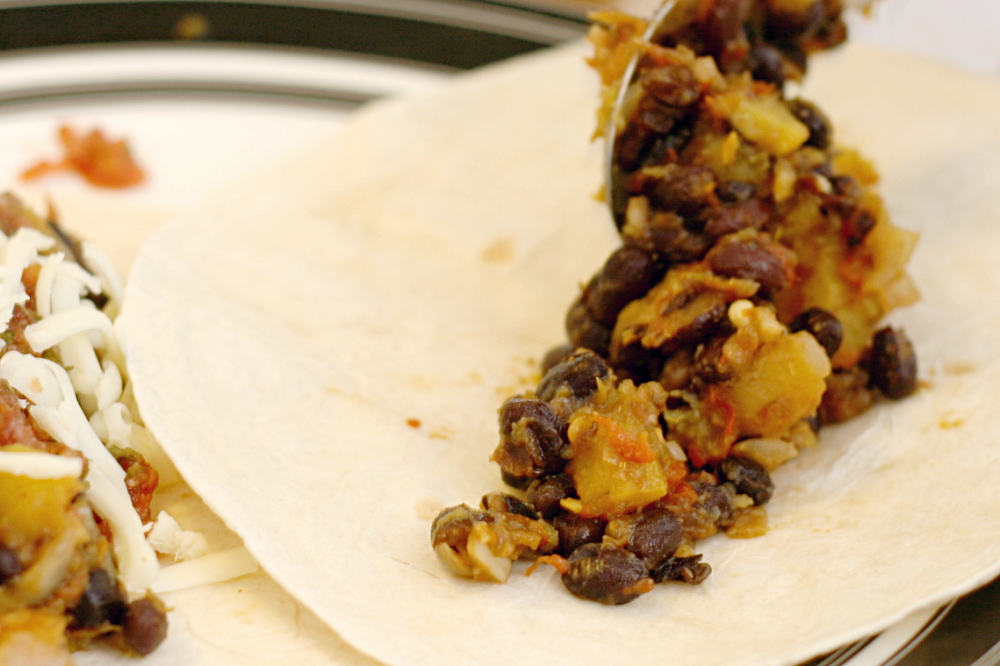
While the squash was in the oven, I sautéed some onions, then added garlic and spices before stirring in green chiles and black beans. When the squash was done, I pulled the peels off and roughly chopped the flesh, which I threw into the pot with the beans. That simple mixture was my main filling, and I served it with salsa and cheese.
copy-of-img_3246

I thought they were really good. And they’re so easy, and they’re healthy, and cheap. An overall success in my book. Dave…um, he thought they were fine. His exact words were, “I like regular burritos better.” I told them he should judge these based on their own merits instead of comparing them to something else, and he said, “Too squashy.” Pbbth. Whatever. I thought they were seriously tasty.
copy-of-img_3449

One year ago: Gooey Chocolate Cake – my first recipe with Tuesdays with Dorie

Squash and Black Bean Burritos

Note: The burritos are also good when they’re made with chipotle chiles instead of green chiles.  If you go that direction, I’d use four, and more if you like a lot of spice.

Serves 4-6

2 small acorn squash
salt and pepper
2 tablespoons olive oil
2 medium onions, chopped small
4 cloves garlic, minced
2 teaspoons ground cumin
1 teaspoon ground coriander
8 ounces green chiles, diced
2 (15-ounce) cans black beans, rinsed and drained
10 (7-inch) flour tortillas, warmed
salsa
4 ounces queso fresco, crumbled, or shredded cheddar (about 1 cup)

1. Adjust an oven rack to the middle position and heat the oven to 450F. Halve the squash and scoop out the seeds. Cut each half into ¾-inch slices. Spread 2 teaspoons of olive oil on a baking sheet and lay the squash slices on the oil, turning each slice over to thinly coat each side. Generously season with salt and pepper. Roast until the squash is browned on the edges and tender throughout, about 20 minutes.

2. Heat 4 teaspoons olive oil in a medium saucepan over medium heat until shimmering. Add onion and sauté, stirring occasionally, until just browned around the edges, 5-7 minutes. Add garlic, cumin, and coriander. Cook, stirring constantly, for about 30 seconds, until fragrant. Stir in the chiles, beans and a pinch of salt. Lower the heat to low, cover, and heat just to warm.

3. When the squash has cooled enough to handle, peel the skin off of each slice. Roughly chop the squash into ¼- to ½-inch pieces and stir into the black beans.

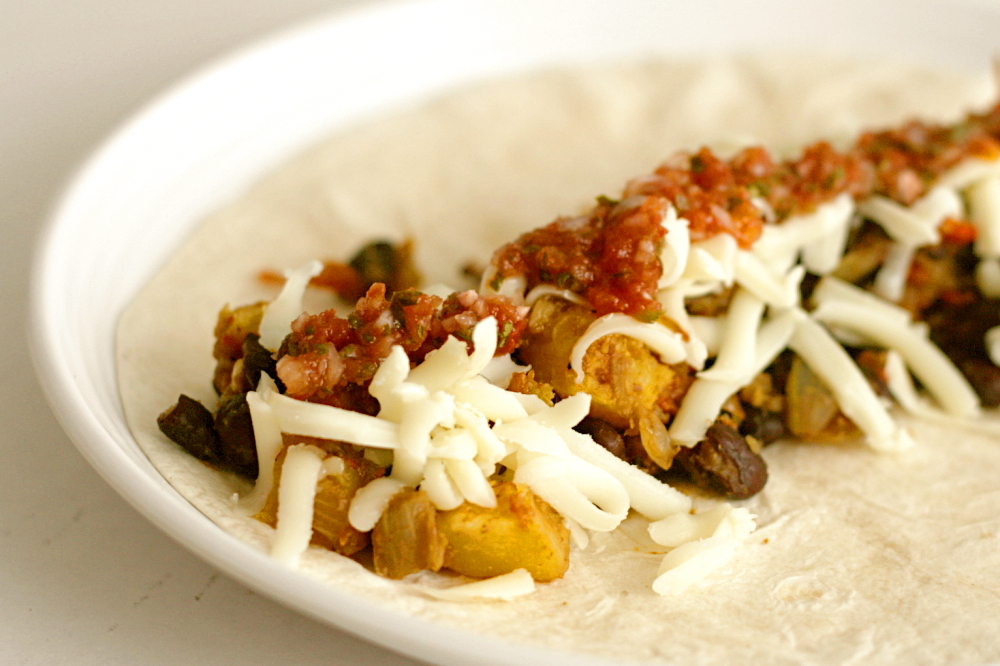
4. Layer the squash-black bean mixture, salsa, and cheese in center of each tortilla. Fold and serve.
copy-of-img_3446

cook’s illustrated’s perfect chocolate chip cookies

copy-of-img_3471

If you’re at all familiar with my blog, you must have known that I would be all over Cooks Illustrated’s new chocolate chip cookie recipe. Not because it might become my new favorite – I knew beforehand that it wouldn’t. The thing is, I’m a major cookie dough eater. To me, the baked cookies are just a bonus dessert; the dough is the reason I make chocolate chip cookies. And I don’t like dough made with melted butter.

copy-of-img_3459

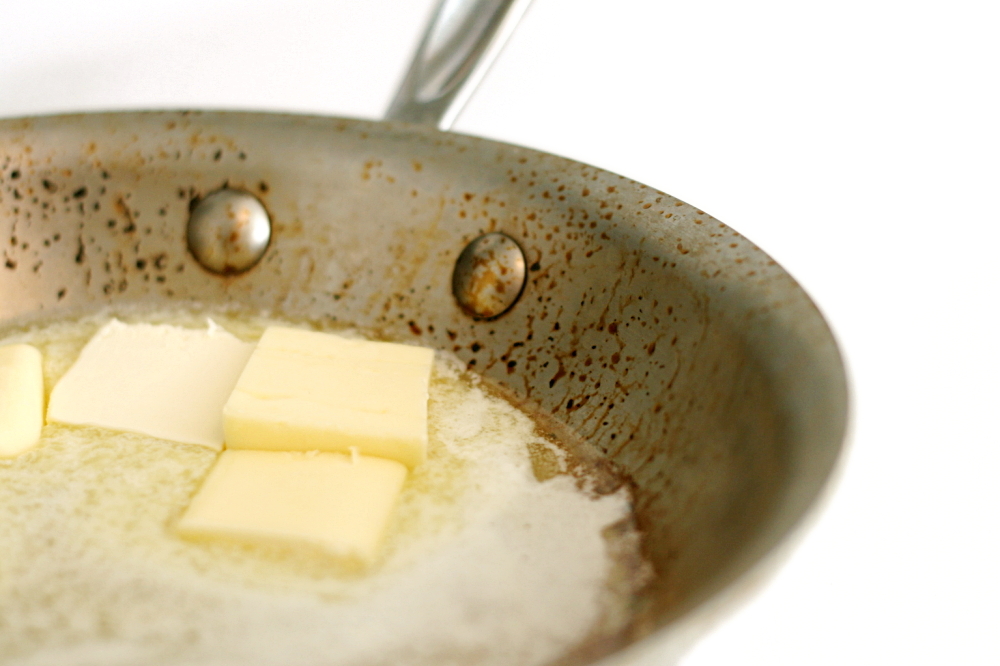
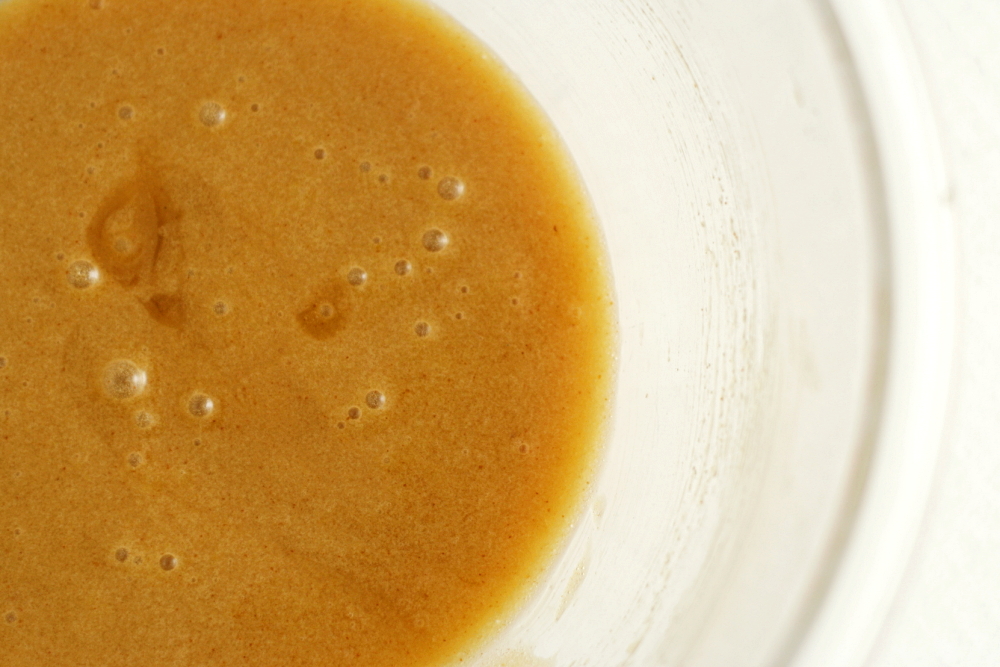
No, the real reason I wanted to try this recipe is because it has some interesting tricks in it, and I thought I might learn something. First, a portion of the butter is browned. Then the sugar is mixed into the melted butter and left to set for 10 minutes, which apparently dissolves the sugars and gives them more opportunity to caramelize in the oven.

copy-of-img_3466

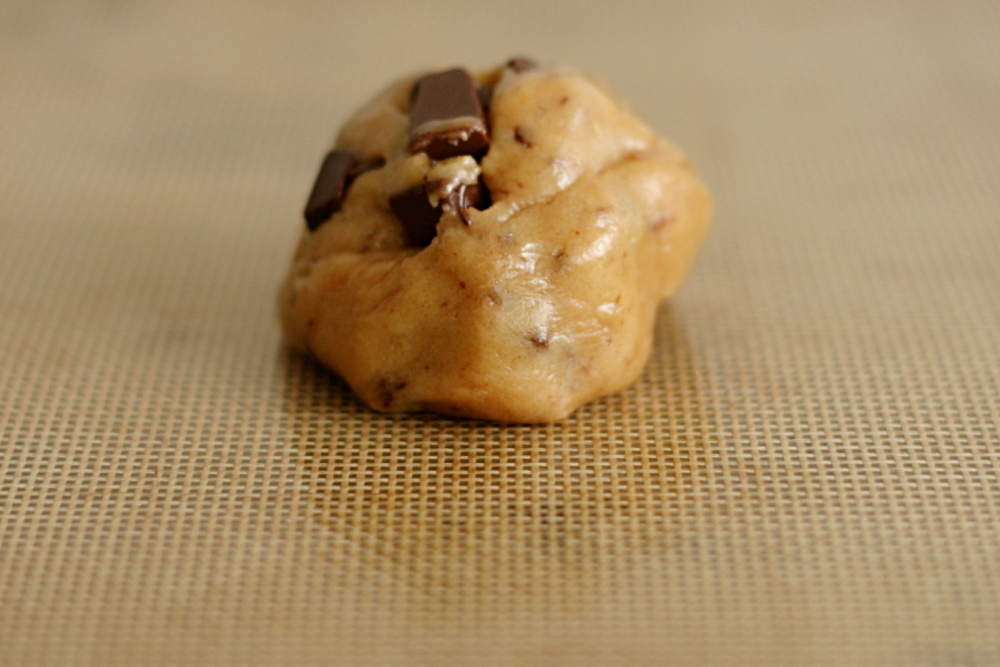
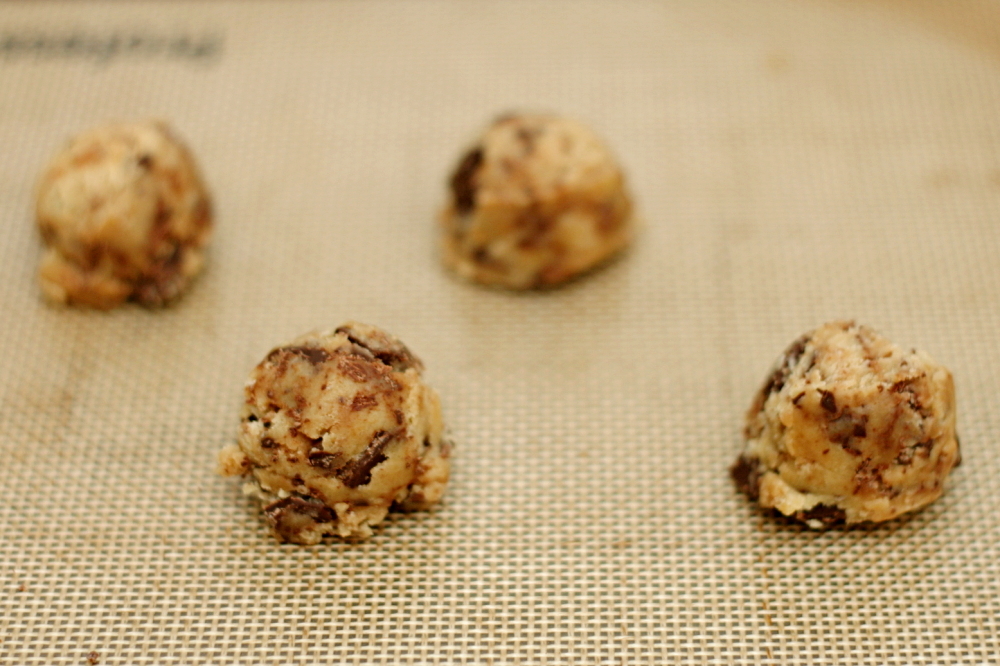
It also makes the recipe very easy – you just melt the butter, whisk in a few more ingredients, let it set, then stir in the remaining ingredients. Divide the dough into 16 portions and bake.

copy-of-img_3468

Here are, for me, the things the recipe has against it. 1) The dough has a greasy texture from the melted butter. 2) It uses portions of eggs. This is a pet peeve of mine, because I hate having containers of egg parts in my freezer or refrigerator. For something I make as often as chocolate chip cookies, I’d rather use whole eggs. 3) It doesn’t use a stand mixer. Dude, stand mixers are fun. That’s why everyone these days has one.

copy-of-img_3477

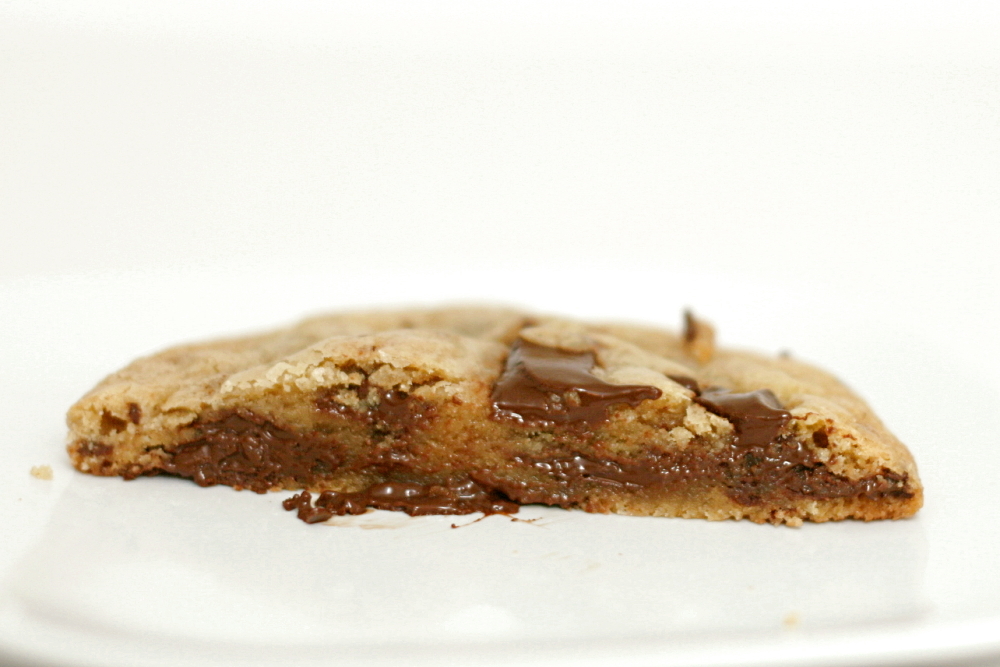
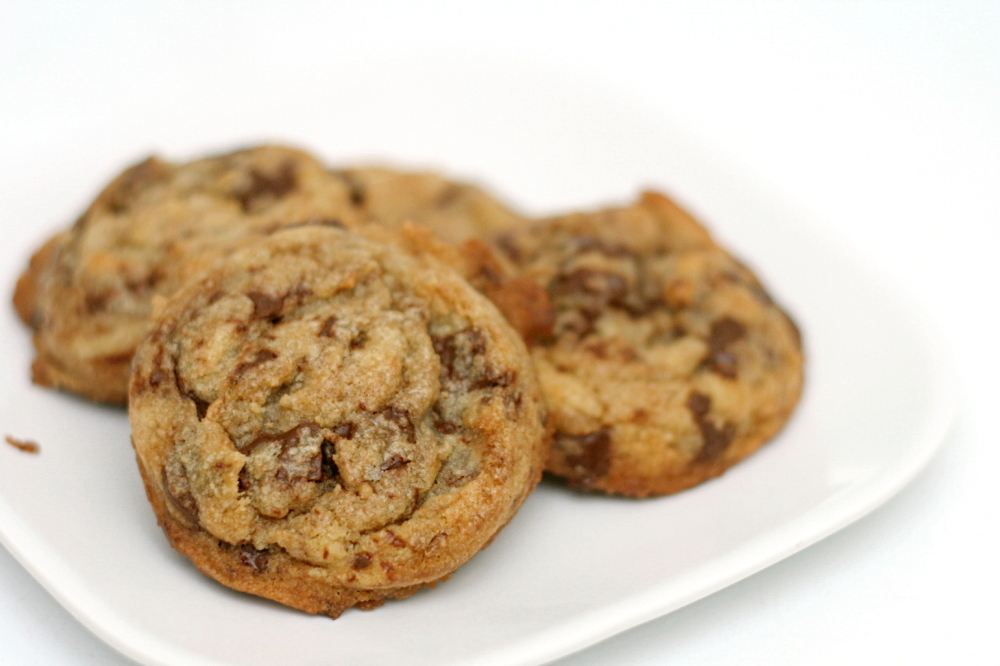
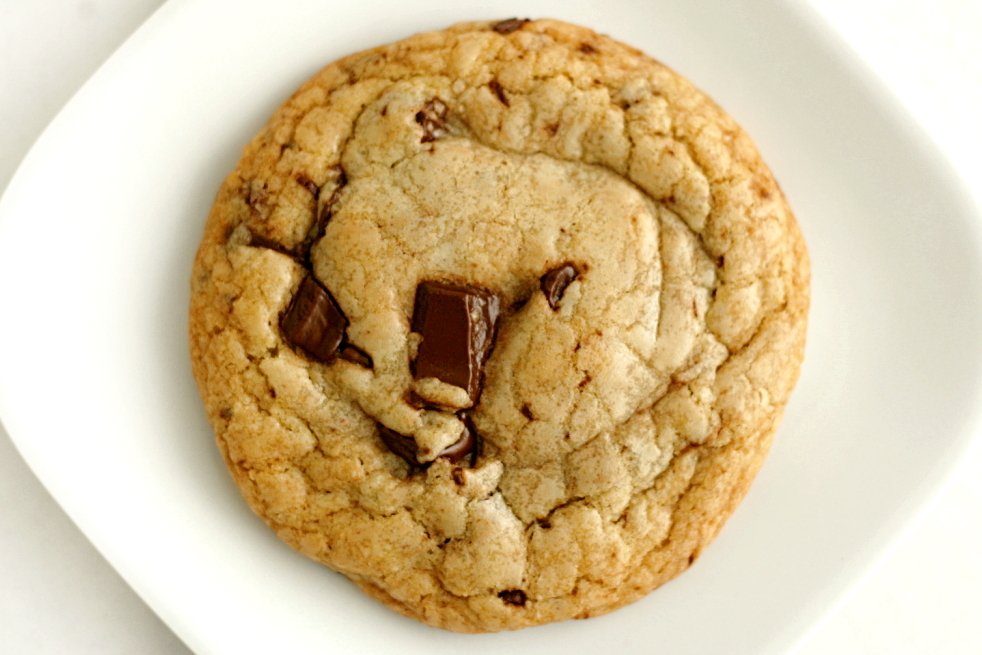
You may have noticed that none of my complaints take issue with the outcome of the baked cookie? That’s because the cookies were really good. This wasn’t a side-by-side comparison, so it’s hard for me to say exactly where they stand in my chocolate chip cookie rating, but they’re certainly in the upper echelon of chocolate chip cookies. So if you’re normal, and all you want out of your chocolate chip cookie recipe is really good cookies without a lot of effort, then definitely check this recipe out. It’s certainly up there with Alton Brown’s popular The Chewy and the NY Times recipe.

copy-of-img_3474

One year ago: Spinach Feta Pine Nut Tart and Dorie’s Perfect Party Cake

Perfect Chocolate Chip Cookies (from Cook’s Illustrated May/June 2009)

Note from Bridget: The recipe makes large cookies in an effort to maximize the difference in texture between the crisp exterior and the tender center. However, I prefer small cookies. I tried baking both sizes, and preferred the texture of the smaller cookies anyway. They still had a great mix of textures. If you do this, you’ll want to reduce the baking time to 7-9 minutes.

1¾ cups (8¾ ounces) unbleached all-purpose flour
½ teaspoon baking soda
14 tablespoons (1¾ sticks) unsalted butter
½ cup (3½ ounces) granulated sugar
¾ cup (5¼ ounces) packed dark brown sugar
1 teaspoon table salt
2 teaspoons vanilla extract
1 large egg
1 large egg yolk
1¼ cups semisweet chocolate chips or chunks
¾ cup chopped pecans or walnuts, toasted (optional)

1. Adjust oven rack to middle position and heat oven to 375 degrees. Line 2 large baking sheets with parchment paper. Whisk flour and baking soda together in medium bowl; set aside.

2. Heat 10 tablespoons butter in 10-inch skillet over medium-high heat until melted, about 2 minutes. Continue cooking, swirling pan constantly until butter is dark golden brown and has nutty aroma, 1 to 3 minutes. Remove skillet from heat and, using heatproof spatula, transfer browned butter to large heatproof bowl. Stir remaining 4 tablespoons butter into hot butter until completely melted.

3. Add both sugars, salt and vanilla to bowl with butter and whisk until fully incorporated. Add egg and yolk and whisk until mixture is smooth with no sugar lumps remaining, about 30 seconds. Let mixture stand for 3 minutes, then whish for 30 seconds. Repeat process of resting and whisking 2 more times until mixture is thick, smooth and shiny. Using rubber spatula or wooden spoon, stir in flour mixture until just combined, about 1 minute. Stir in chocolate chips and nuts (if using), giving dough final stir to ensure no flour pockets remain.

4. Divide dough into 16 portions, each about 3 tablespoons (or use a #24 cookie scoop). Arrange 2 inches apart on prepared baking sheets, 8 dough balls per sheet.

5. Bake cookies 1 tray at a time until cookies are golden brown and still puffy, and edges have begun to set but centers are still soft, 10-14 minutes, rotating baking sheet halfway through baking. Transfer baking sheet to wire rack; cool cookies completely before serving.

copy-of-img_3479

coconut butter thins

copy-of-img_3262

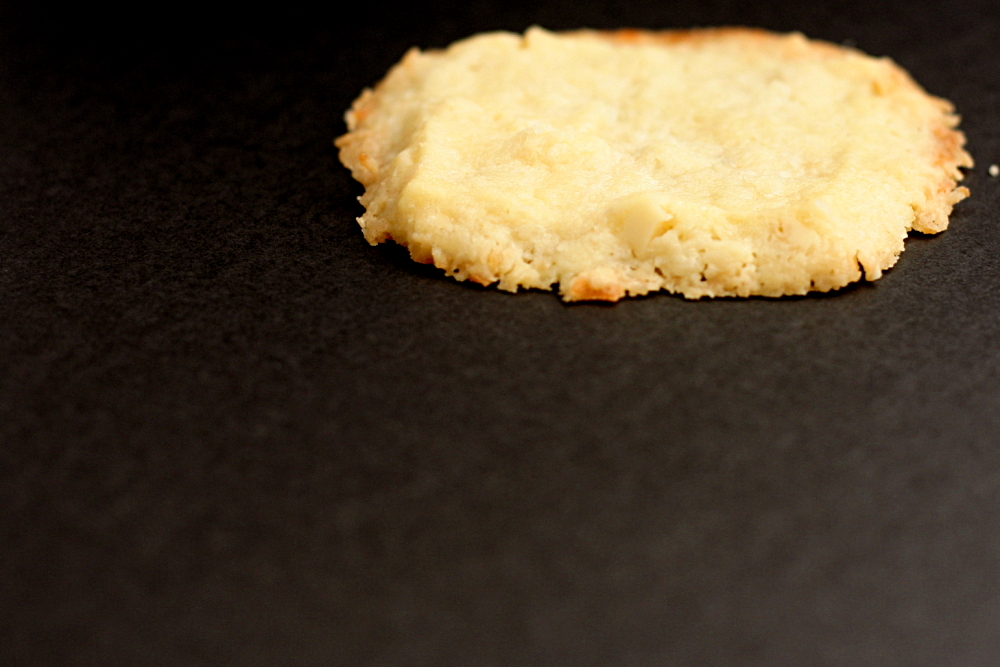
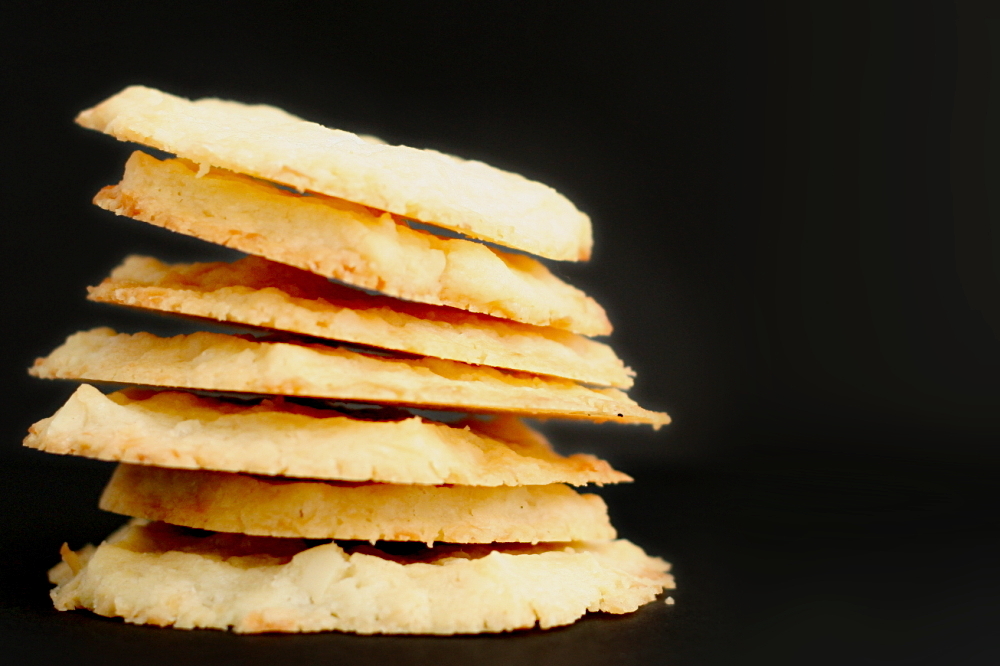
There was some confusion among the Tuesdays with Dorie group about this recipe. Are the cookies supposed to retain their shape as they’re baked, like a classic shortbread cookie? Or are they supposed to become thin, as the title implies, and wafery and lacy, as Dorie describes them? I think it’s clear what side of the debate I’m on…

copy-of-img_3252

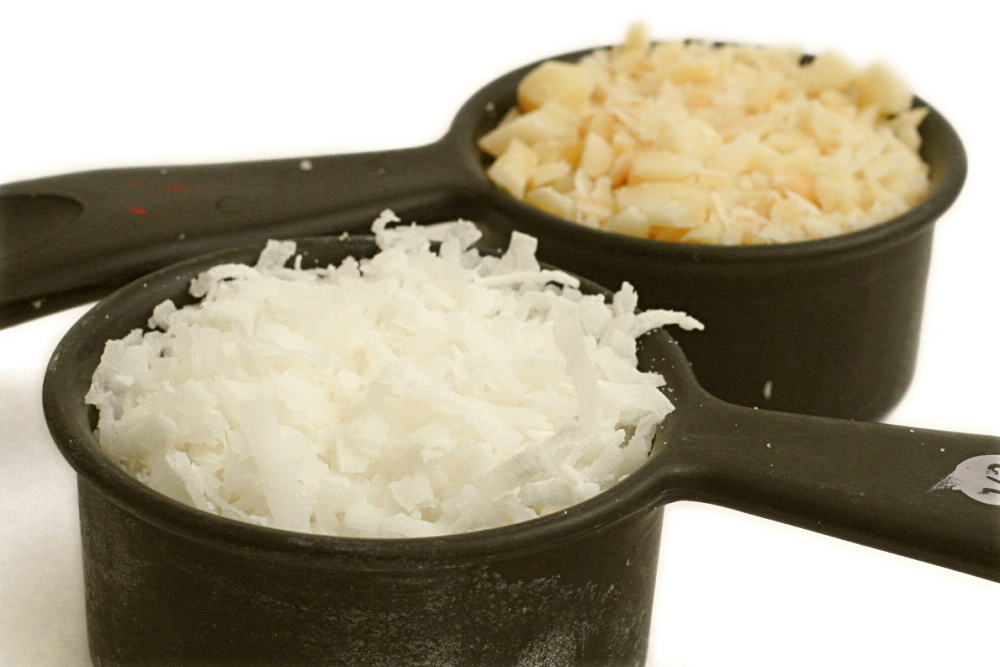
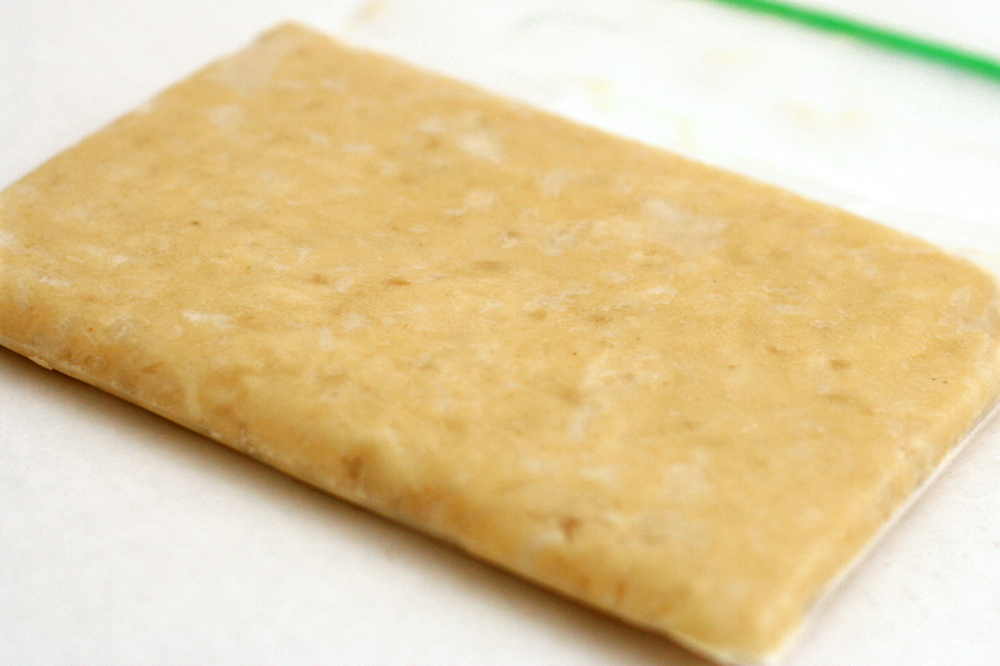
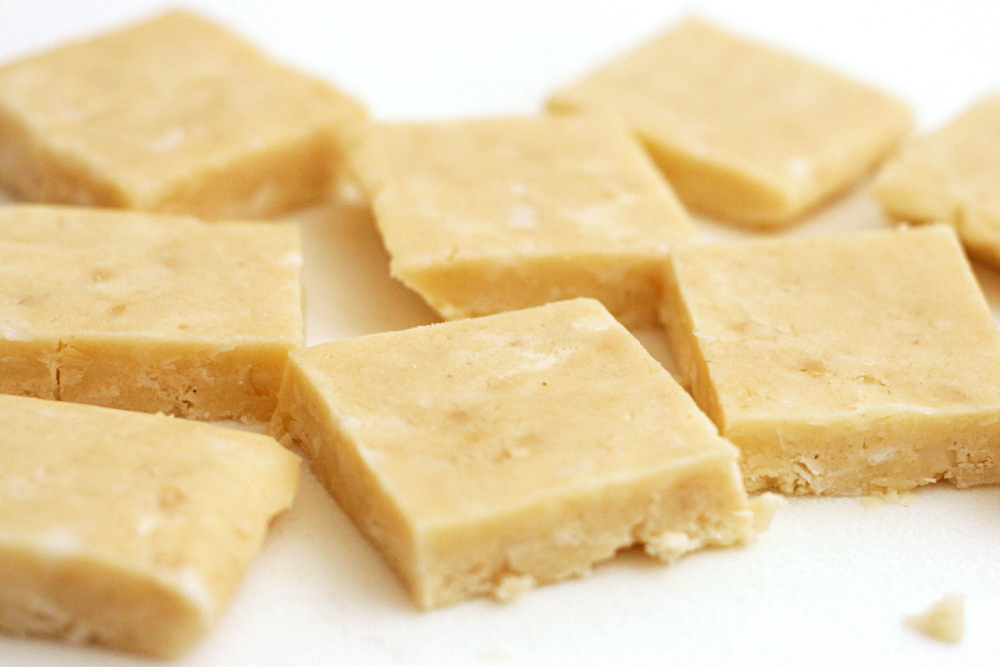
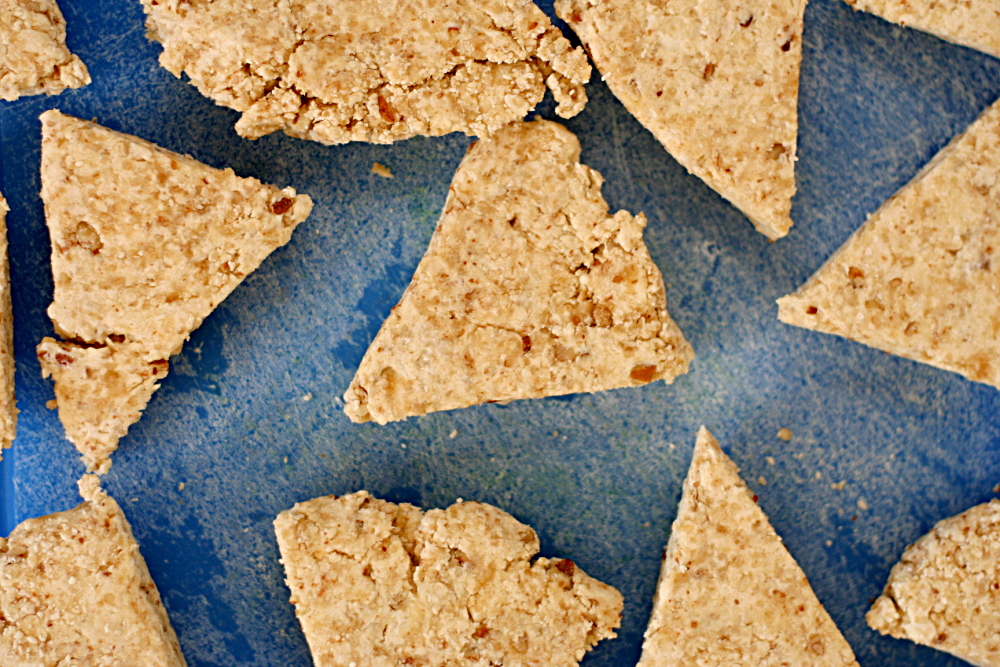
The cookies are mixed like shortbread, with no eggs and no leavener. Coconut, macadamia nuts, and lime zest is added to give them a tropical flavor. The dough is rolled out in a ziploc bag, chilled, then cut into squares and baked.

copy-of-img_3256

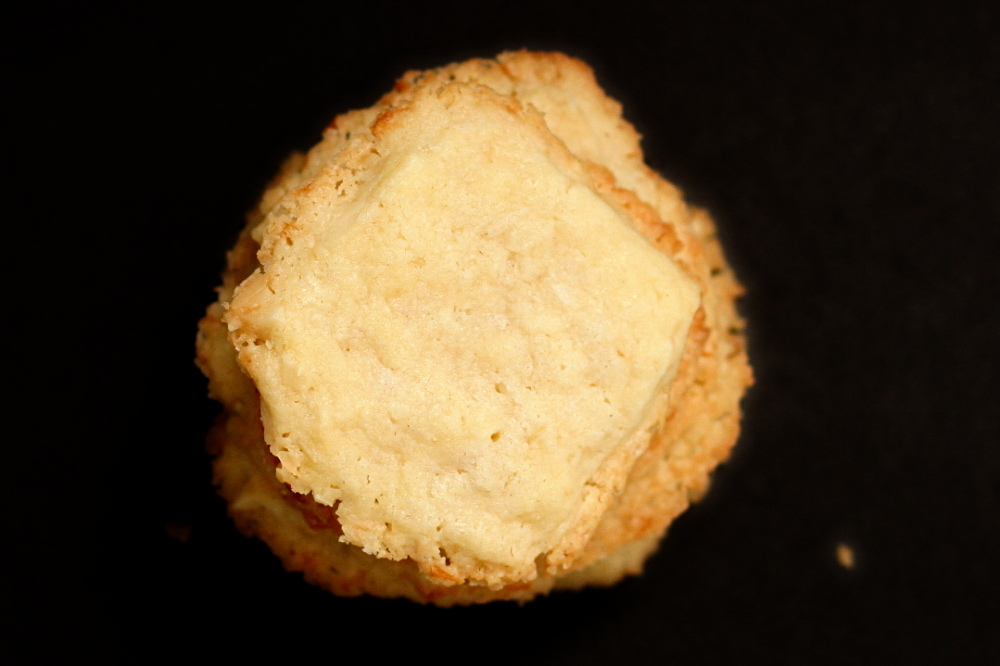
The cookies go into the oven with a thickness of ¼-inch, and, for me, they came out substantially thinner. But, again, Dorie makes clear that there’s supposed to be a lot of room between the cookies on the sheet, and they are called Coconut Butter Thins, after all. If you’d like them to look more like a classic shortbread, I’d increase the baking temperature to 375F, decrease the baking time substantially, and freeze the dough before baking.

copy-of-img_3258

I increased the salt a bit, because I’ve found that I like my sweets saltier than Dorie. I also forgot to buy a lime (twice), so I just sprinkled in some lemon extract instead of using lime zest.

copy-of-img_3267

I thought they were pretty great. The edges were crispy and the center was tender.  The coconut flavor was subtle, but that and the nuts gave the cookie some depth.  Jayne has the recipe posted.

One year ago: Bagels

copy-of-img_3260

lemon poppy seed waffles

copy-of-img_2372

Over the last week, I’ve invested a considerable amount of time, plus some money, into my blog to make it look…well, pretty much the same. Plus, I’m guessing most of you read my blog through Google Reader or something similar and never actually see the design. Be that as it may, there are a couple design features on it that I’ve mostly gotten used to but have always bugged me a little. Now I can fix them! Eventually. When I learn how.

copy-of-img_2352

Thank god for things I do know how to do, like cook. I first tried a recipe for lemon poppy seed waffles that I found through epicurious, but my socks weren’t knocked off. It was a little dense and not crispy on the outside the way I like. I considered beating the egg whites separately and folding them back into the batter, but ultimately decided that if I’ve already found a waffle recipe that I like, why not stick with it? Especially if it’s less work.

copy-of-img_2349

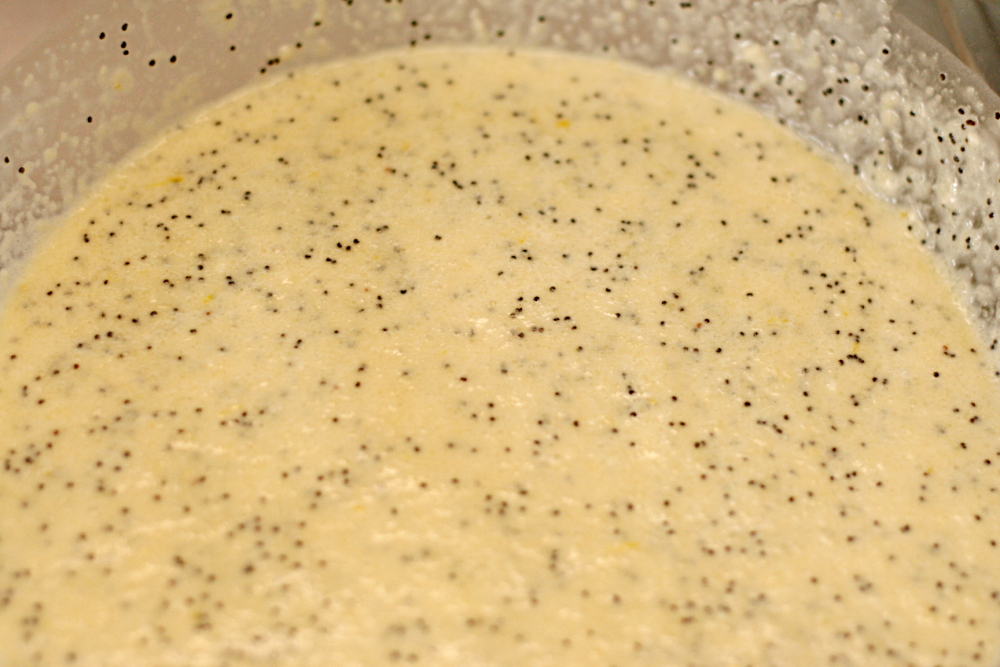
I took my favorite overnight waffle recipe and added lemon zest and poppy seeds to it. To maximize the flavor of the lemon, I rubbed the zest with the sugar before adding the remaining ingredients. (Thanks for the tip, Dorie!) The lemon sugar is mixed with water, yeast, milk, melted butter, and flour, then left to rest on the countertop overnight. The eggs and a bit of baking soda are stirred in in the morning right before the waffles are cooked.

copy-of-img_2361

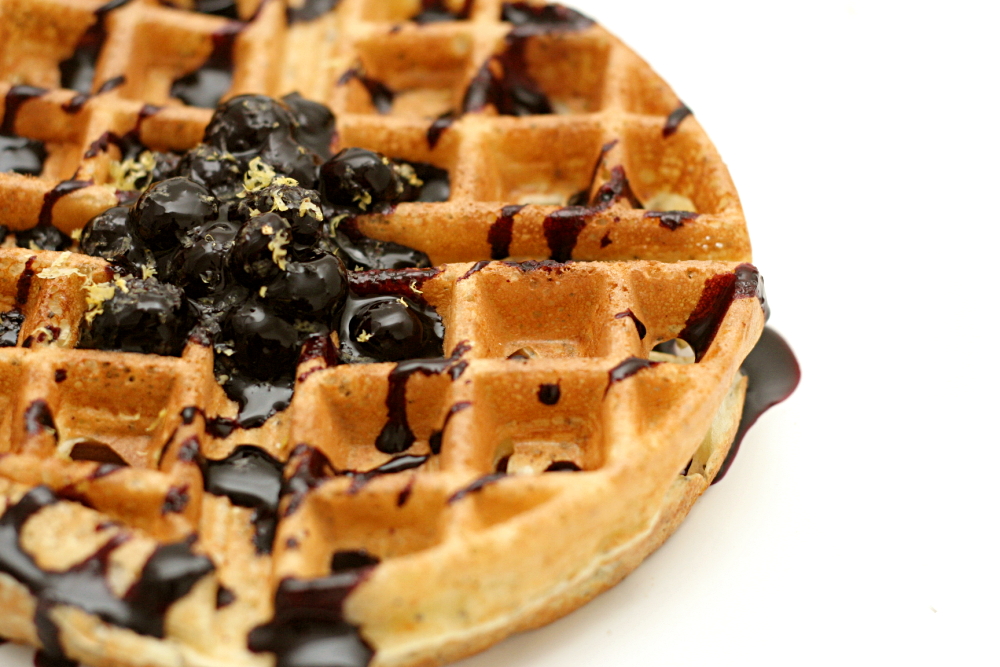
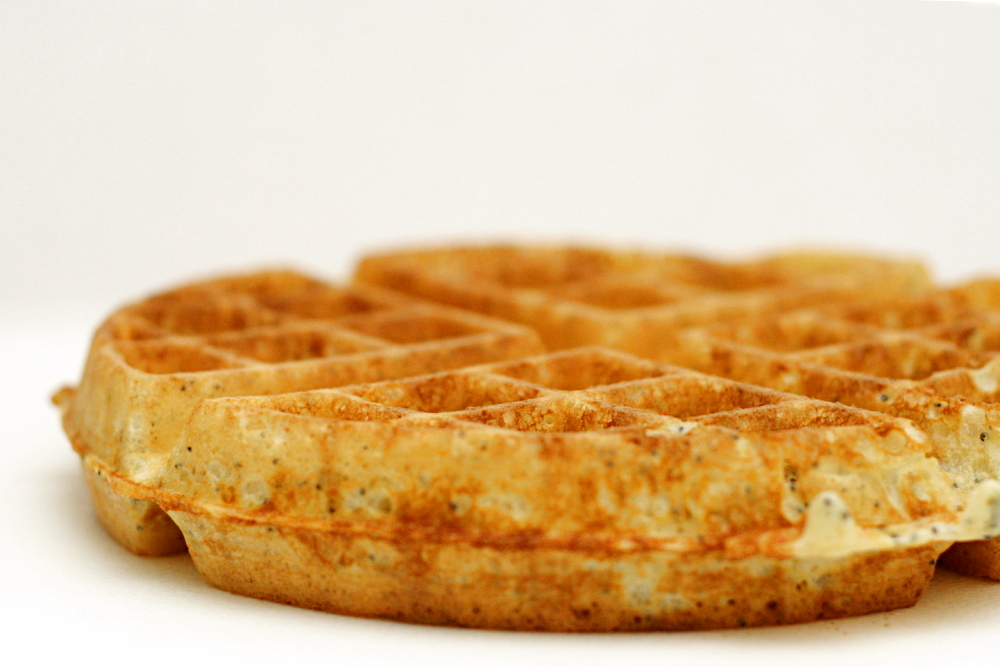
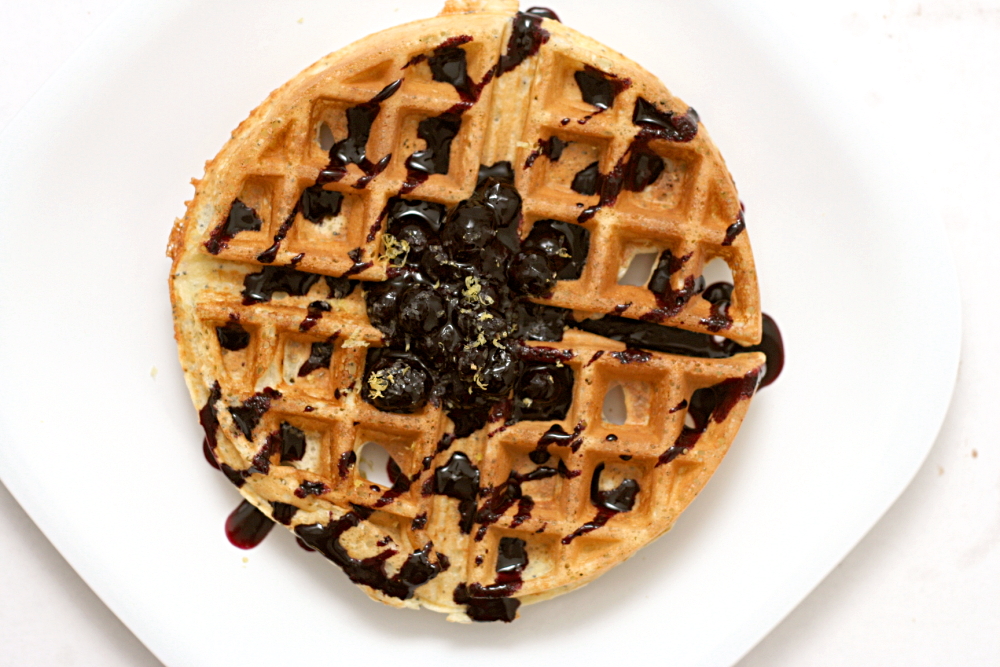
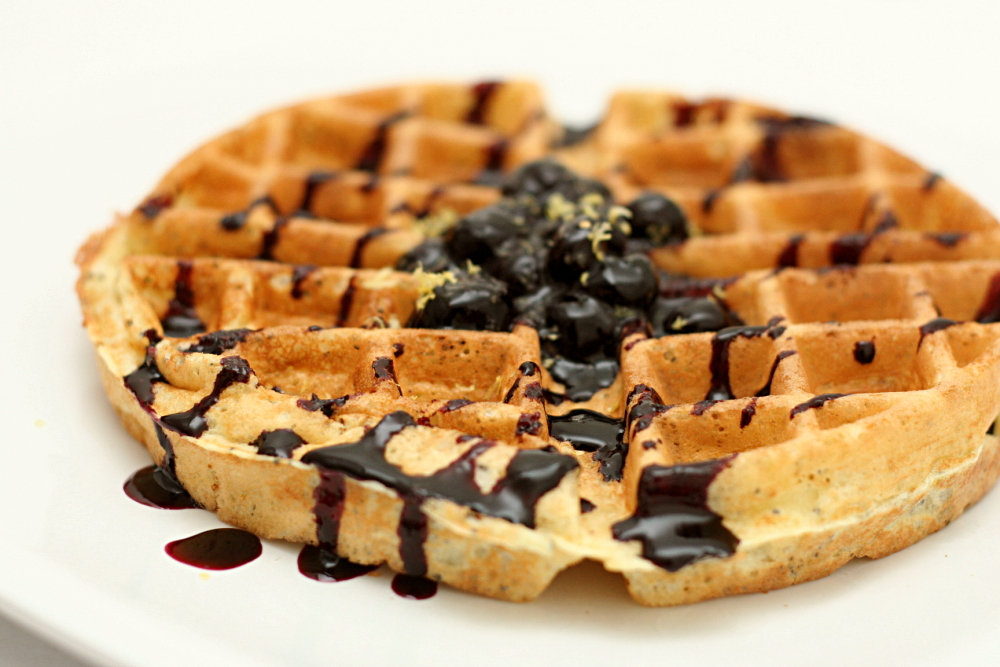
I love the texture of these waffles. They’re so light in the middle, and so crisp on the outside. I also love the crunch of poppy seeds. And the flavor, of course, is dominated by lemon, then topped with lemon’s great compliment, blueberries. Pretty nice for just a few minutes of effort in the morning.

copy-of-img_2377

One year ago: Whole Wheat Pasta with Greens, Beans, Tomatoes, and Garlic Chips

Lemon Poppy Seed Waffles (adapted from Waring Pro and from Bon Apetit September 2000 through epicurious)

The waffles have a pretty strong sourdough flavor, and although I generally like it, it’s a little much in these lemon waffles. I’m going to try reducing the yeast to 1 teaspoon next time. I’ll be sure to update when I do.

zest of one lemon
1 tablespoon granulated sugar
½ cup water
2¼ teaspoons (one packet) instant dry yeast
2 cups whole milk
4 tablespoons unsalted butter, melted and cooled
3 tablespoons poppy seeds
1 teaspoon salt
2 cups all-purpose flour
2 large eggs, lightly beaten
2 teaspoons vanilla extract
¼ teaspoon baking soda

1. The night before, or at least 8 hours before baking, rub the sugar and zest together until fragrant. Add the water, yeast, milk, melted butter, poppy seeds, and salt. Beat in the flour until smooth (this may be done using a hand mixer on low speed). Wrap the bowl tightly with plastic wrap and let stand overnight (or for 8 hours) on the countertop. Do not refrigerate.

2. When ready to bake, preheat your waffle maker on your preferred setting. While the waffle maker is heating, stir the eggs, vanilla extract, and baking soda into the batter. Measure out enough batter for your waffle maker and pour into the preheated waffle maker. Use a heat-proof spatula to spread the batter evenly over the grids. Close lid and bake the waffle in the waffle maker until it indicates the waffle is done.

3. Remove waffle and repeat until the desired number of waffles has been made. Cover remaining batter and place in the refrigerator for up to 3 days. Waffles may be kept warm in an oven at low-heat (200°F). Place waffles on a cookie sheet on a rack in the warm oven.

Blueberry Sauce

It’s very important to mix the cornstarch with cold water before adding it to the hot liquid. Otherwise, it will form clumps.

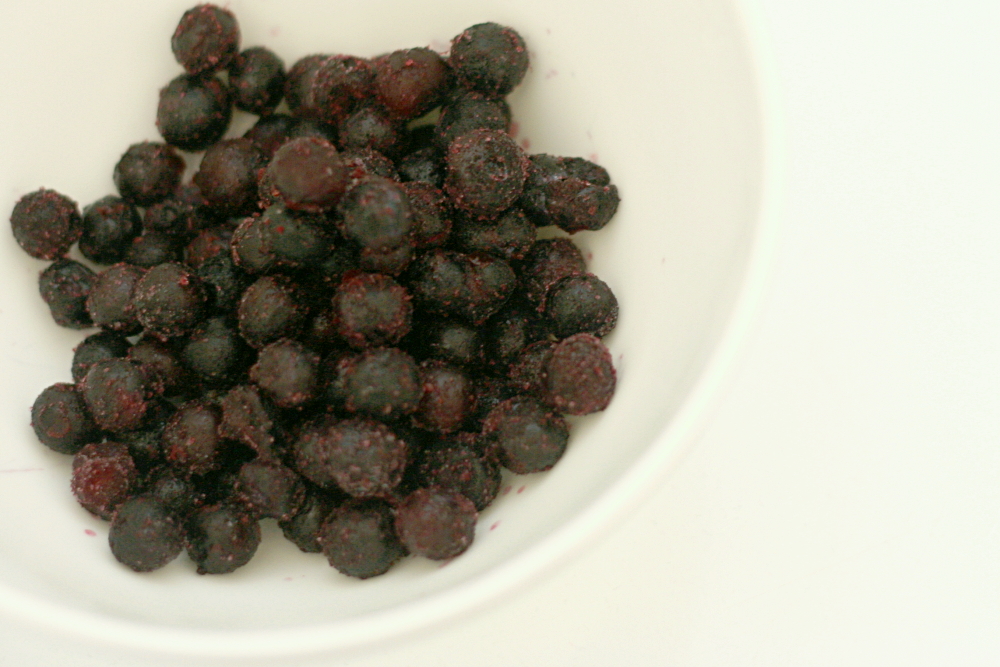
8 ounces blueberries, fresh or frozen
¼ cup sugar
¼ cup water
1½ teaspoons cornstarch
1½ teaspoons lemon juice

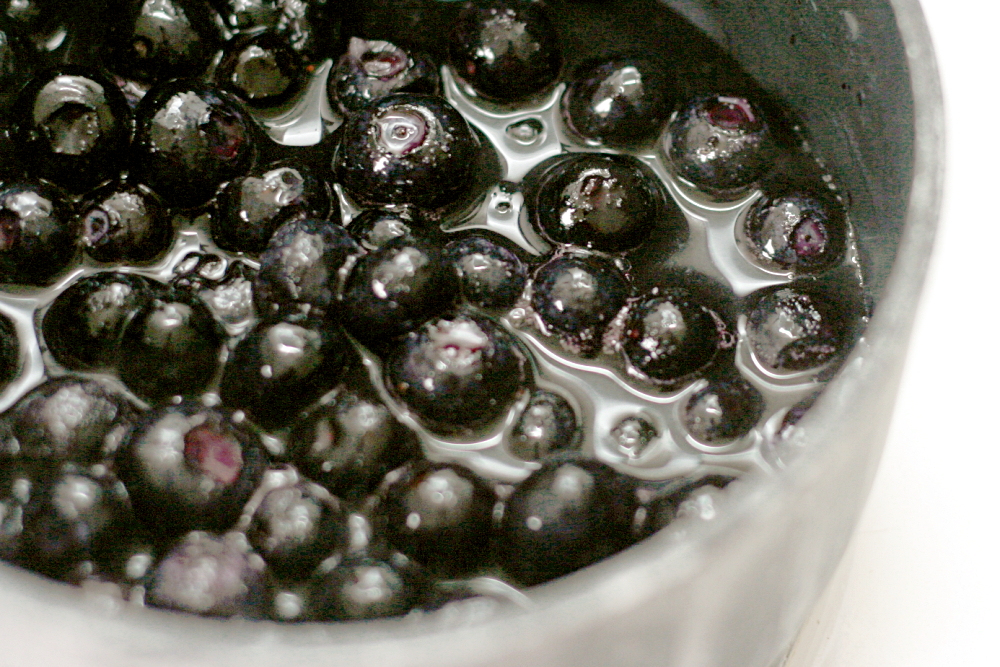
Heat the blueberries, sugar, and 2 tablespoons of the water in a medium saucepan over medium-high heat until simmering. Reduce the heat to medium and simmer until the most of the blueberries have popped, 3-4 minutes. Meanwhile, mix the remaining 2 tablespoons water with the cornstarch. Add to the blueberry mixture and simmering, stirring constantly, until thickened, about 1 minute. Stir in the lemon juice.

copy-of-img_2374

blueberry crumb cake

copy-of-img_3207
Dave and I decided to walk 1000 miles this year. It works out to about 20 miles per week, just under 3 miles per day. It’s an ambitious goal, but not unattainable. The problem is, we’re way behind. By the end of February, we were already half a month’s worth of miles behind where we should have been. And since our work schedules prohibit us from catching up during the week, our only option is to do a whole lot of walking on the weekends. Which works out great, because I feel a lot better about having a big piece of blueberry cake for breakfast when I walk 7½ miles right afterward.

copy-of-img_3191

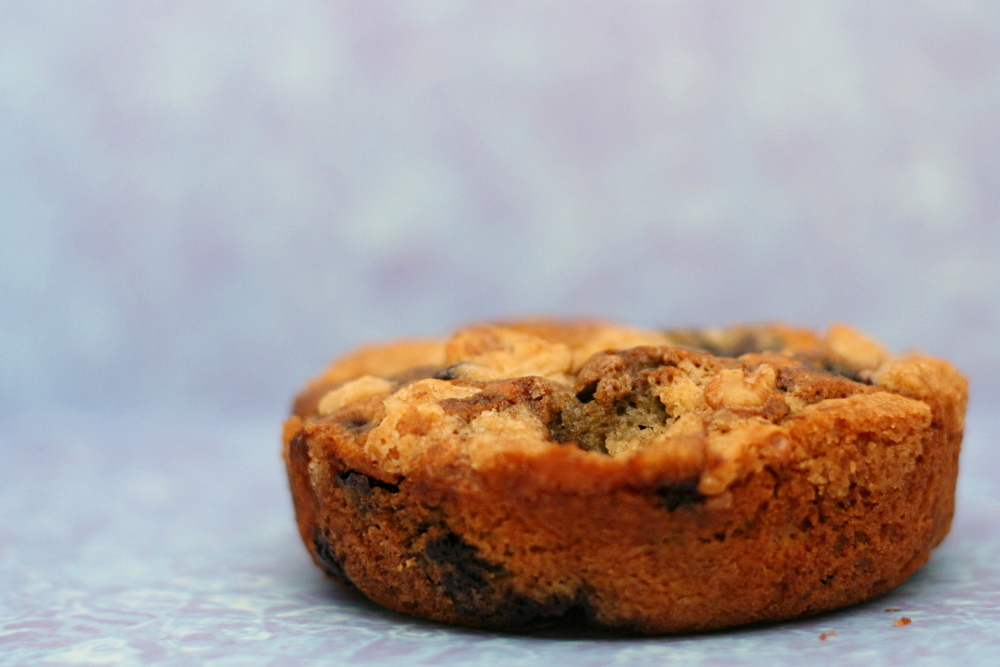
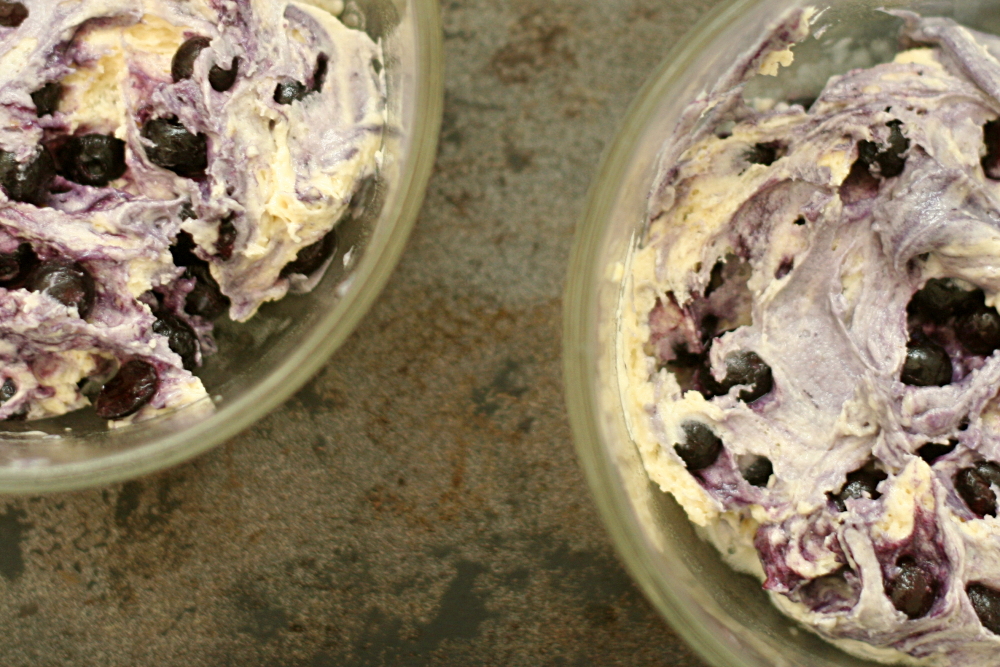
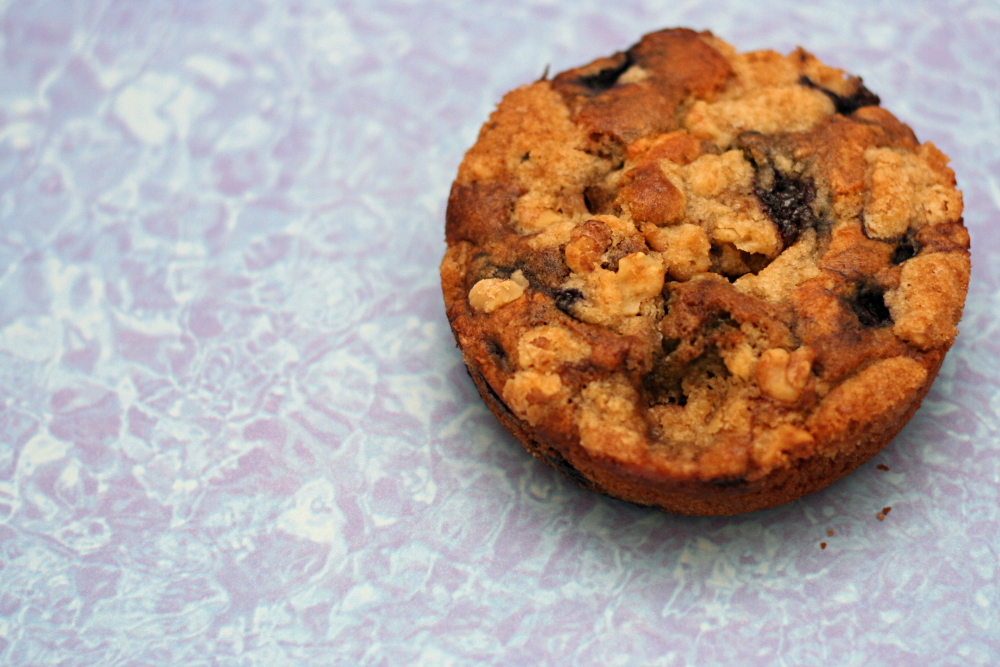
This crumb cake follows the same process as many layer cakes – the butter and sugar are creamed together, the eggs and vanilla are slowly added, then the dry ingredients and liquid ingredients are added alternately. It’s topped with a buttery sugary nut mixture before being baked.

copy-of-img_3202

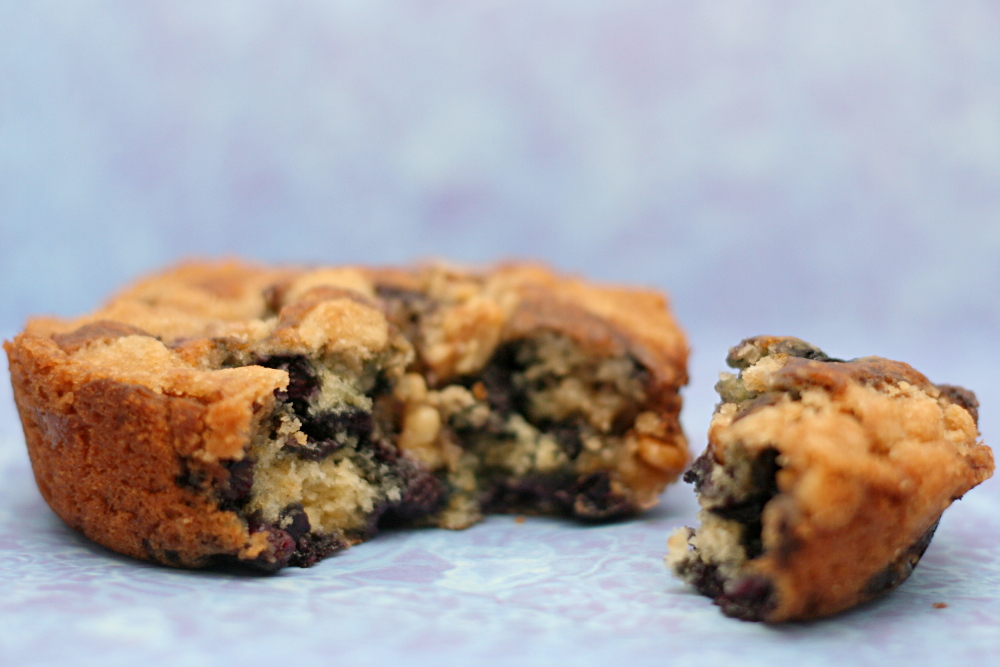
I thought it was very good. I’m always a big fan of blueberries (and cake), and I liked the walnuts quite a bit. The crumb topping was an enjoyable crisp contrast to the tender cake. It was maybe just the tiniest bit too sweet for me, so I think next time, I’ll actually reduce the crumb topping by half. And since I have a lot of miles to make up still, next time could be very very soon. Sihan has posted the recipe.

One year ago: Chocolate Sandwich Cookies

copy-of-img_3214

copy-of-img_3208

pecan sour cream biscuits

copy-of-img_2095

So what exactly is the difference between a biscuit and a scone? It seems to me that scones are just sweet biscuits. I’ve been going through a scone phase the last few months, making batches and freezing them unbaked. It makes for a great weekend breakfast, because there’s basically no work to do. Plus I love scones with coffee and I only drink coffee on the weekends. I know that technically, these aren’t scones. The name says biscuits, but I thought they’d fit right in with the theme.

copy-of-img_2080

They’re made just like any other biscuit (or scone) – mix the dry ingredients, cut (or rub) in the butter, stir in some liquid. In this case, the liquid includes sour cream, which seemed promising because I really like the tenderness of scones made with cream, and sour cream has that same richness.

copy-of-img_2082

The biscuits were just as good as I had hoped. Not only were they light and tender, but I love the flavor of the nuts. I only put jam on my biscuit for the sake of the photograph, but then I decided that it was a great compliment. I’m so glad that I have a few more of these in the freezer, stocked up for a lazy weekend morning.

copy-of-img_2091

One year ago: Chocolate Cream Pie

Pecan Sour Cream Biscuits (from Dorie Greenspan’s Baking: From My Home to Yours)

2 cups (9.6 ounces) all-purpose flour (or 1¾ cups all-purpose flour and ⅓ cup cake flour)
1 tbsp baking powder
½ tsp salt
¼ tsp baking soda
¼ cup (packed) (1.74 ounces) light brown sugar
5 tbsp cold unsalted butter, cut into 10 pieces*
½ cup cold sour cream
¼ cup cold whole milk
⅓ cup finely chopped pecans, preferably toasted

Center a rack in the oven and preheat the oven to 425F. Get out a sharp 2-inch-diameter biscuit cutter, and line a baking sheet with parchment or a silicone mat.

Whisk the flour(s), baking powder, salt and baking soda together in a bowl. Stir in the brown sugar, making certain there are no lumps. Drop in the butter and, using your fingers, toss to coat the pieces of butter with flour. Quickly, working with your fingertips or a pastry blender, cut and rub the butter into the dry ingredients until the mixture is pebbly. You’ll have pea-size pieces, pieces the size of oatmeal flakes and pieces the size of everything in between – and that’s just right.

Stir the sour cream and milk together and pour over the dry ingredients. Grab a fork and gently toss and turn the ingredients together until you’ve got a nice soft dough. Now reach into the bowl with your hands and give the dough a quick, gentle kneading – 3 or 4 turns should be just enough to bring everything together. Toss in the pecans and knead another 2 to 3 times to incorporate them.

Lightly dust a work surface with flour and turn out the dough. Dust the top of the dough very lightly with flour and pat the dough out with your hands or roll it with a pin until it is about ½ inch high. Don’t worry if the dough isn’t completely even – a quick, light touch is more important than accuracy.

Use the biscuit cutter to cut out as many biscuits as you can. Try to the cut the biscuits close to one another so you get the most you can out of this first round. By hand or with a small spatula, transfer the biscuits to the baking sheet. Gather together the scraps, working them as little as possible, pat out to a ½-inch thickness and cut as many additional biscuits as you can; transfer these to the sheet. (The biscuits can be made to this point and frozen on the baking sheet, then wrapped airtight and kept for up to 2 months. Bake without defrosting – just add a couple more minutes to the oven time.)

Bake the biscuits 14 to 18 minutes, or until they are tall, puffed and golden brown. Transfer them to a serving basket.

copy-of-img_2094

deli-style rye bread

copy-of-img_2344

Last week I was at the grocery store with my parents, trying to choose a dessert to bring home to share. My dad wanted strawberry cake, and my mom wanted German chocolate cake. I wasn’t going to get in the middle of this, and honestly, I don’t know why my dad even offers his opinion. Dessert is a decision that my mom will always get to make.

copy-of-img_2314

Apparently that apple doesn’t fall far from the tree, because Dave and I were recently choosing a menu item to split to go with our pot of mussels – he wanted a reuben, and I wanted smoked duck salad. Of course we got salad, but only after I promised to make Dave a reuben at home.

copy-of-img_2321a

First I had to make rye bread. I was inundated with recipes – Peter Reinhart has several, and King Arthur’s Flour has far too many to choose between. I thought that Cooks Illustrated’s recipe would be a safe bet for my first time making rye bread.

copy-of-img_2324

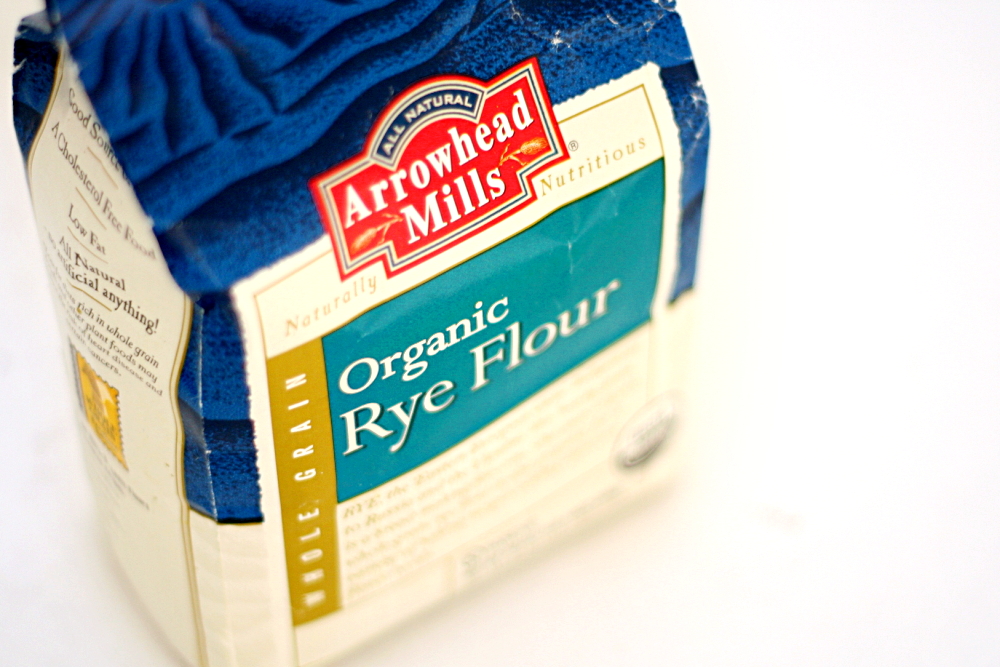
One of the reasons I like CI for my first time attempting something is the specific instructions they offer. Not just rye flour, but medium or light rye flour. If only I had had so many options. After searching my grocery store, the only rye flour I could find was organic and whole grain, and forget the rye flakes that the recipe also recommends.

copy-of-img_2326

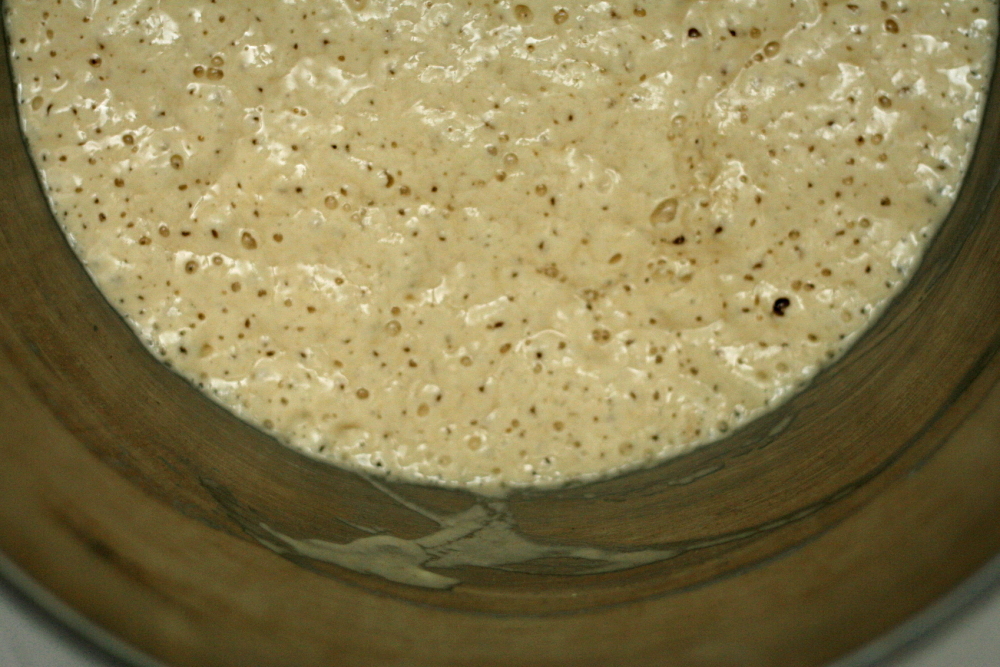
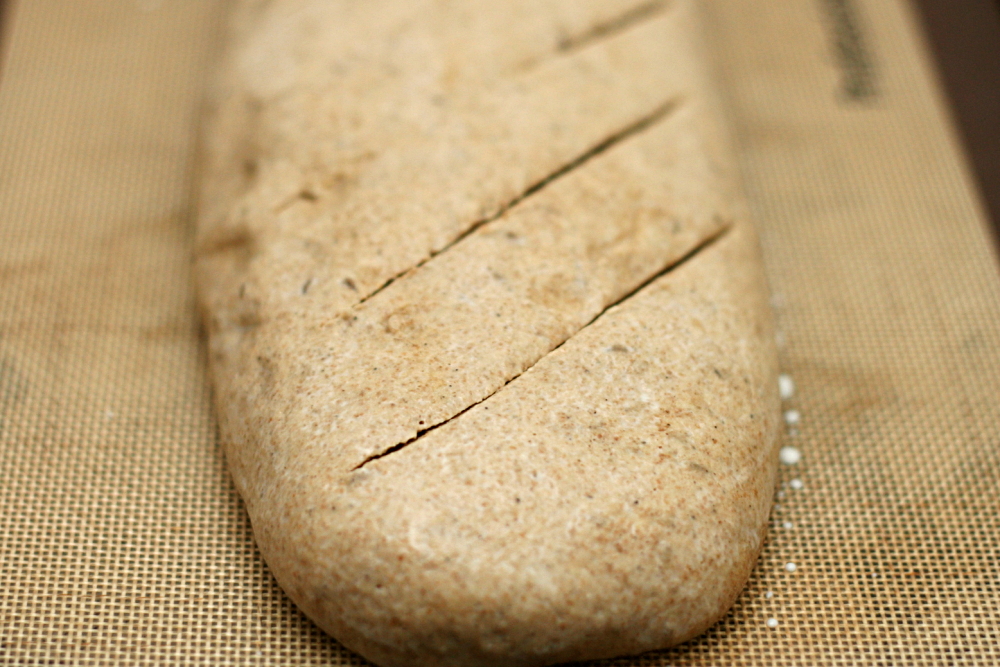
I was concerned that my bread would be a flop due to the whole grain flour, and it didn’t help that the dough’s texture was different from what I’m used to. It seemed heavier and less elastic. The rising times were longer than what the recipe indicates, which I’m attributing to the whole grain flour.

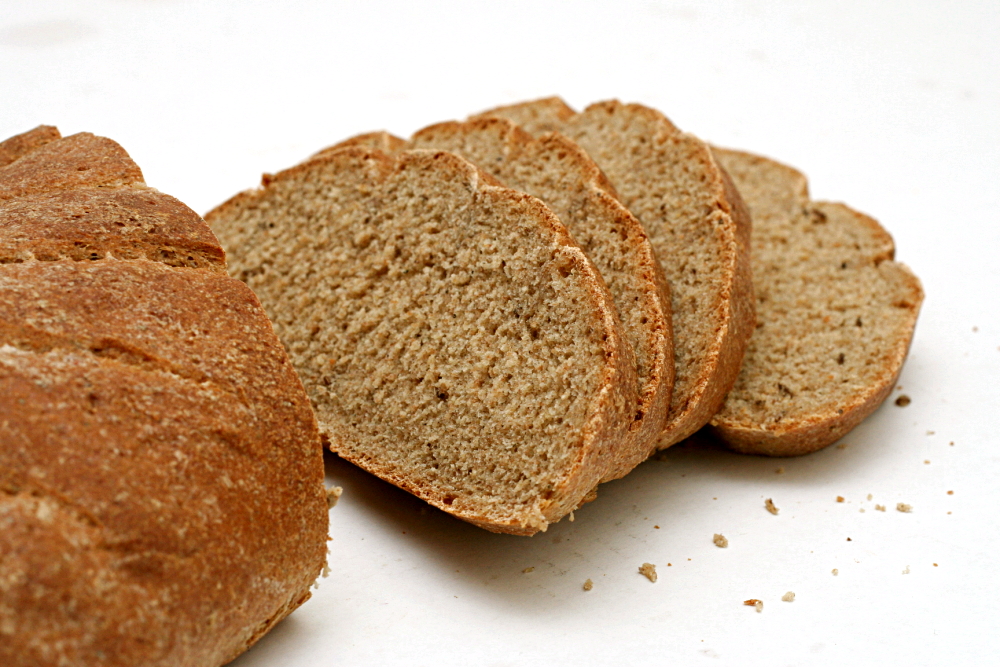
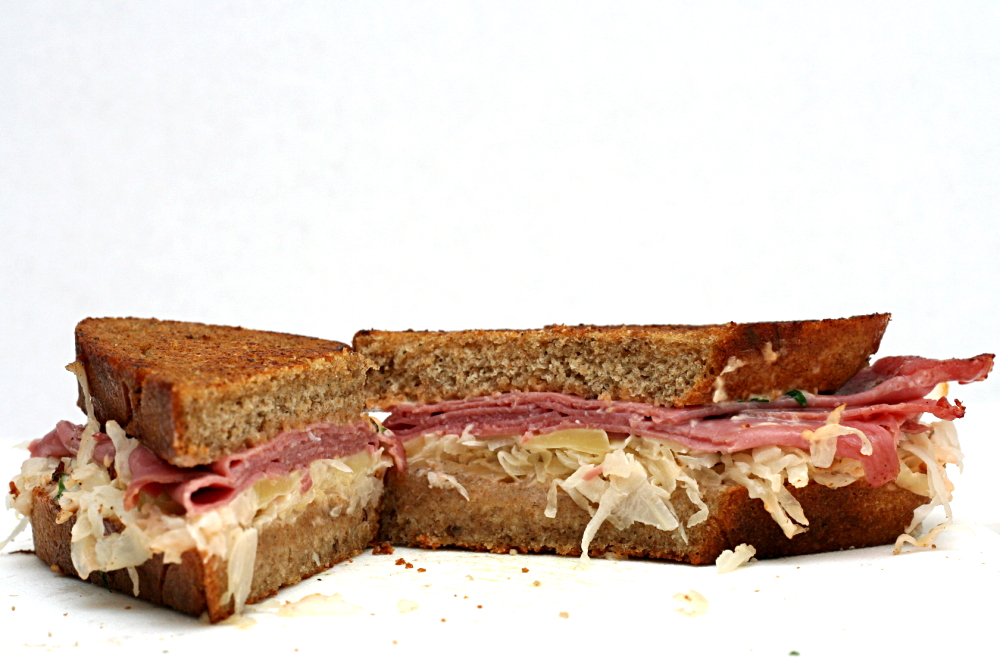
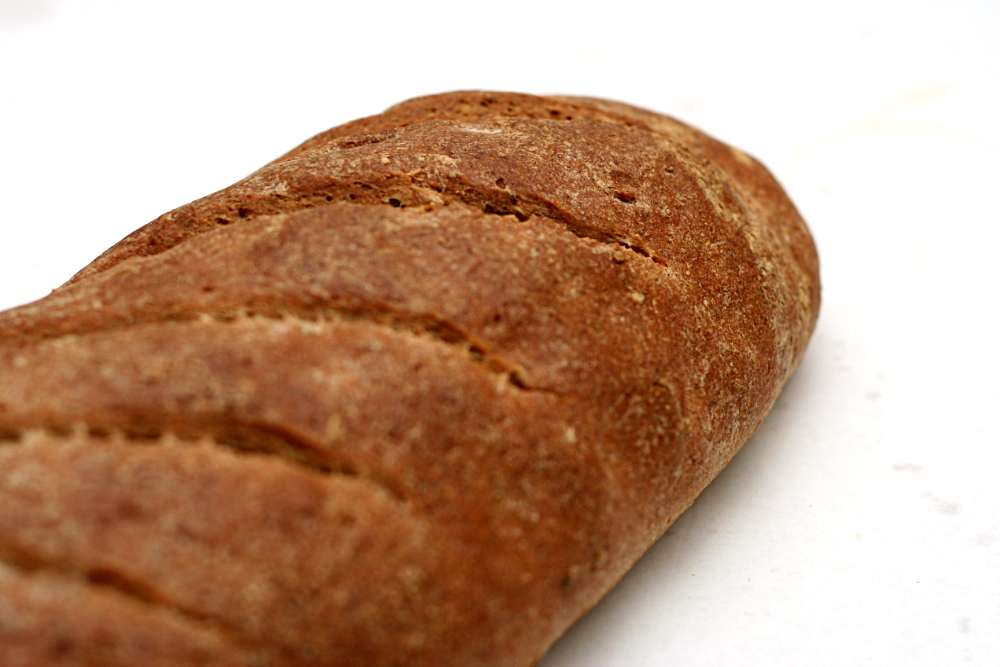
Fortunately, it all worked out, and this made some very good bread – a little bitter from the rye and scented from the caraway seeds, and firm enough to hold up to a sandwich without being unpleasantly dense.  It made for some exceptionally good reubens.

copy-of-img_2347

One year ago: Lemon Poppy Seed Muffins – I have a batch of these in my freezer right now.  I had one yesterday.

Deli-Style Rye Bread (from Cooks Illustrated)

Makes 1 large loaf

This is half of Cooks Illustrated’s original recipe. I have no idea why their original recipe makes such a huge amount of bread. This seems more practical.

Sponge:
⅓ cup rye flakes (optional)
1⅞ cups water, at room temperature
¾ teaspoon instant yeast
1 tablespoon honey
1½ cups (7½ ounces) unbleached all-purpose flour

Dough:
¾ cups (3¾ ounces) unbleached all-purpose flour, plus more for dusting the work surface
1¾ cups (6.125 ounces) medium or light rye flour
1 tablespoon caraway seeds
1 tablespoon vegetable oil
1½ teaspoon salt

Glaze:
1 egg white
1 tablespoon milk

1. For the sponge: Heat the oven to 350 degrees; toast the rye flakes, if using, on a small baking sheet until fragrant and golden brown, 10-12 minutes. Cool to room temperature. Mix the water, yeast, honey, rye flakes, and flour in the mixing bowl of a standing mixer to form a thick batter. Cover with plastic wrap and let sit until bubbles form over the entire surface, at least 2½ hours. (The sponge can stand at cool room temperature overnight.)

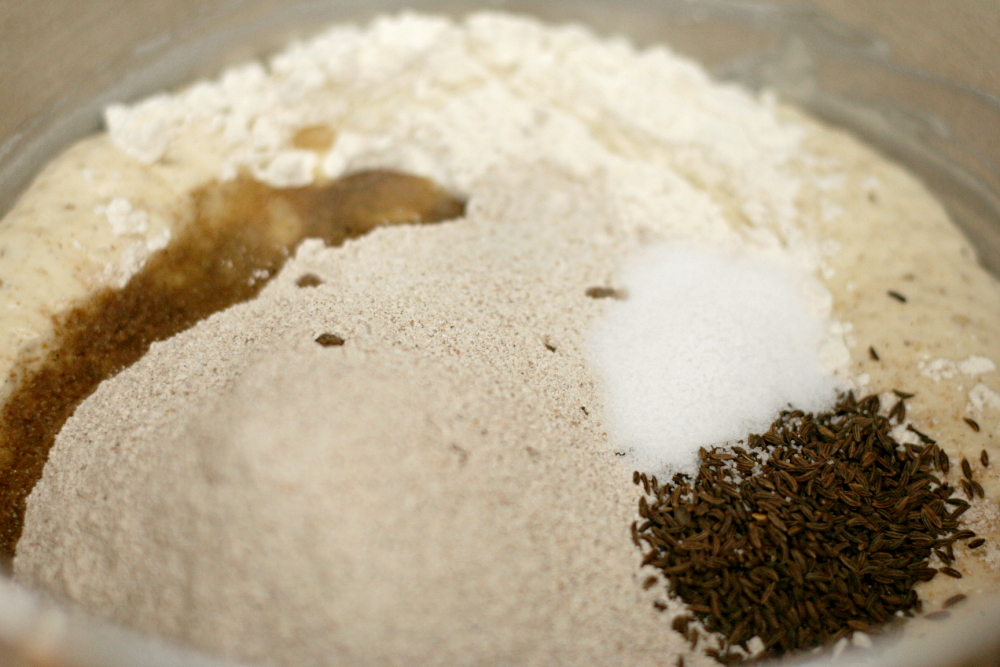
2. For the dough: Stir the all-purpose flour, 1 ½ cups of the rye flour, the caraway seeds, oil, and salt into the sponge. Attach the dough hook and knead the dough at low speed, adding the remaining rye flour once the dough becomes cohesive; knead until smooth yet sticky, about 5 minutes. With moistened hands, transfer the dough to a well-floured work surface, knead into a smooth ball, then place it in a very lightly oiled large bowl or straight-sided container. Cover with plastic wrap and let rise at warm room temperature until doubled in size, 1½ to 2 hours.

3. Generously sprinkle the cornmeal on a large baking sheet. Turn the dough onto a lightly floured work surface and press it into a 6 by 9-inch rectangle. With the long side facing you, roll the dough into a 9-inch log, seam-side up. Pinch the seam with your fingertips to seal. Turn the dough seam-side down, and, with your fingertips, seal the ends by tucking them into the loaf. Carefully transfer the shaped loaf to the prepared baking sheet, cover loosely with oiled plastic wrap, and let rise until the dough looks bloated and dimply and starts to spread out, 60-75 minutes. Adjust an oven rack to the lower-middle position and heat the oven to 425 degrees.

4. For the glaze: Whisk the egg white and milk together and brush over the sides and top of the loaf. Right before baking, make 6 or 7 slashes, ½-inch deep, in the top of the dough with a single-edge razor blade or a very sharp knife. Bake for 15 minutes, then lower the oven temperature to 400 degrees and bake until golden brown and an instant-read thermometer inserted in the center of the loaf reads 200 degrees, 15-20 minutes. Transfer to a wire rack and cool to room temperature.

copy-of-img_2332

french yogurt cake

copy-of-img_2446

While shopping for baking ingredients recently, I was inwardly complaining about recipes that call for a volume amount of ground nuts. I’ve never been able to find ground nuts in my well-stocked grocery store. That means that I have to grind my own, which is annoying because my food processor takes up basically my whole dishwasher, plus, if we’re going to have to grind our own nuts, shouldn’t the recipe indicate how much whole nuts we’ll need to grind to get the right amount of ground nuts? Blah blah blah, whine whine whine, and then I stumbled upon this:

copy-of-img_2258

Never mind! Let me tell you some things that don’t matter to me about buying these: 1) It’s probably far more expensive than grinding my own. 2) It’s going to take me months to use up a pound of ground almonds. Oh, and 3) these were the wrong type of nut for the recipe I bought them for. Whatever! Yay for not using the food processor!

copy-of-img_2436

With pre-ground nuts, this cake was really easy. I had a bit of a time crunch due to traveling, so I made it at my place Thursday night, then packed it in my suitcase the next day when I flew across the country. My sister and brother-in-law and I snacked on it the next night after putting my nephews to bed.

copy-of-img_2439

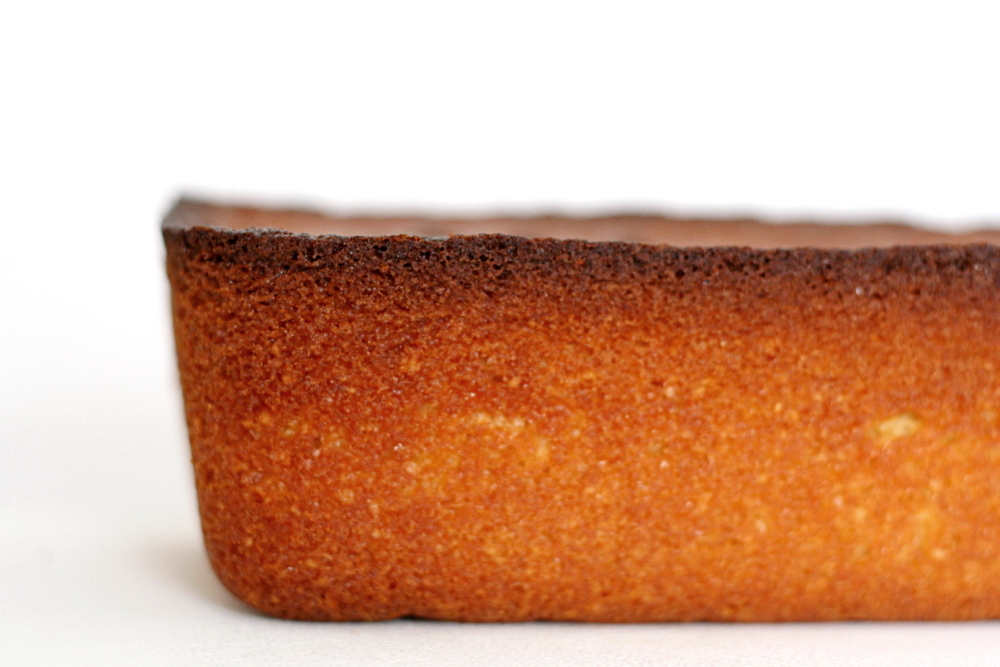
Dorie says twice in her introduction that the recipe is foolproof, so of course I had problems. Clearly the top of the cake is too dark, bordering on burned. I’m blaming my pyrex, instead of metal, loaf pan. I suppose I should lower the oven temperature 25 degrees when baking in pyrex. I didn’t want to serve the burned portion, so I trimmed it off before planning to add the glaze. Then I ate the trimmings and found them so tasty (and not burned-tasting at all) that I decided to skip the glaze altogether.

copy-of-img_2445

The cake was easy and delicious, sturdy enough to travel across the country with me, and was appropriate after dinner one night and for breakfast a few days later. Plus, I’ve now fairly well established that there’s a difference between baking in pyrex and metal that I’ll need to make adjustments for in the future. Altogether, a good Tuesdays with Dorie week for me. The recipe is posted on Liliana’s site.

One year ago: My first attempt at sushi rolls

copy-of-img_2493

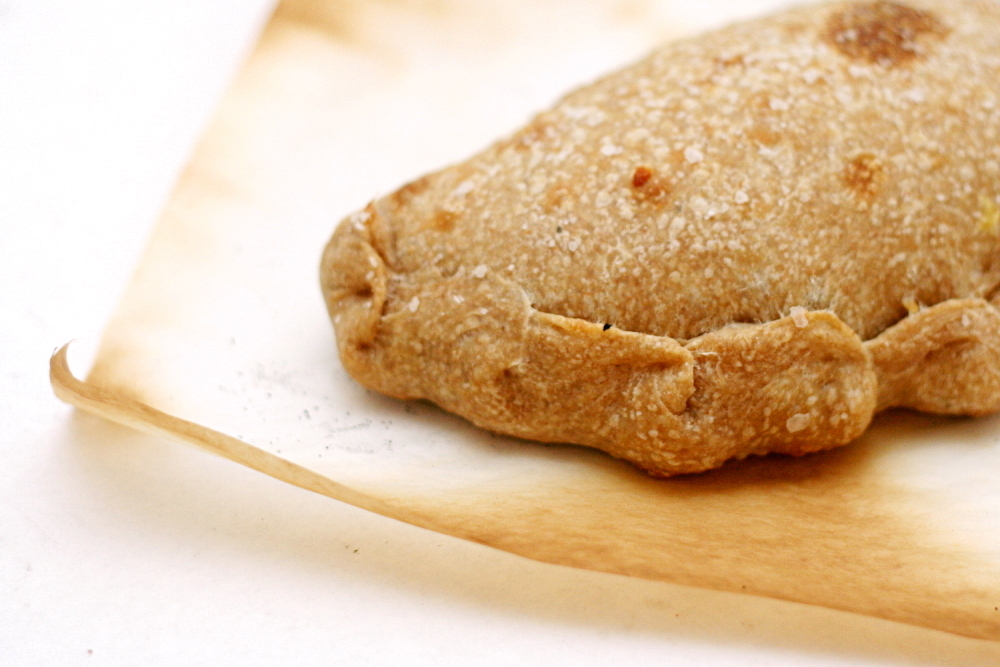
chicken artichoke pesto calzones

copy-of-img_2248

I hardly ever cook large roasts of meat, but when I do, I find like I like the leftovers even more than the original meal. I had lots of fun after Thanksgiving, and found that pot roast makes an amazing soup and sandwich. And roast chicken, to be honest, hardly ever impresses me served plain with dinner, but once it’s cooled and mixed with mayonnaise for some chicken salad, I am one happy camper.

copy-of-copy-of-img_2225

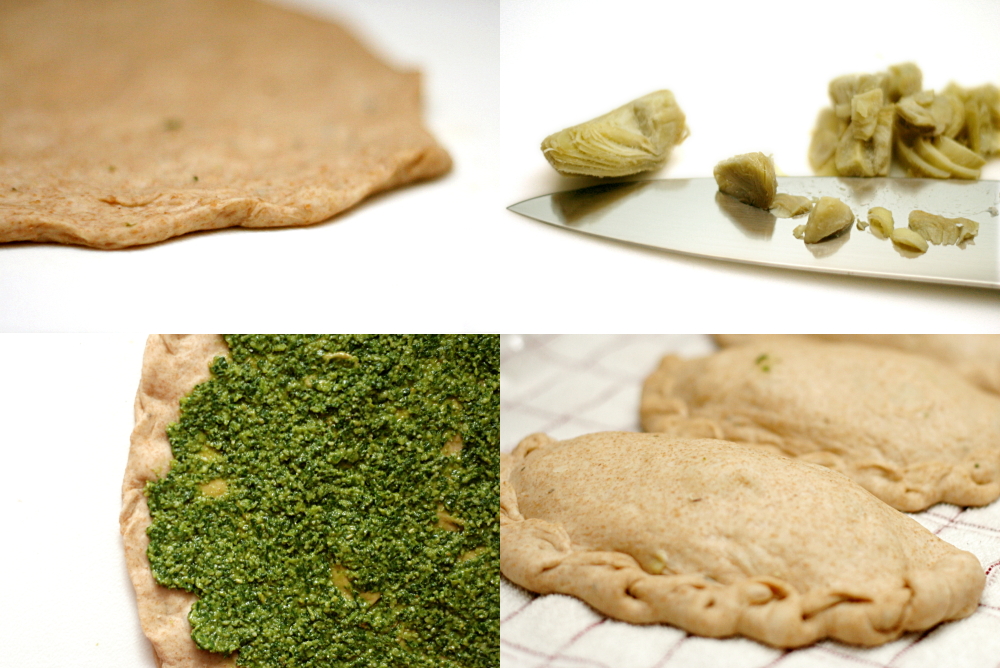
This time, though, I forwent the mayonnaise for something more interesting. I happened to come across a recipe for chicken artichoke pizza when I had shredded roast chicken, artichokes, and pizza dough in the freezer. I was practically forced to make it. Plus it sounded delicious.

copy-of-img_2230

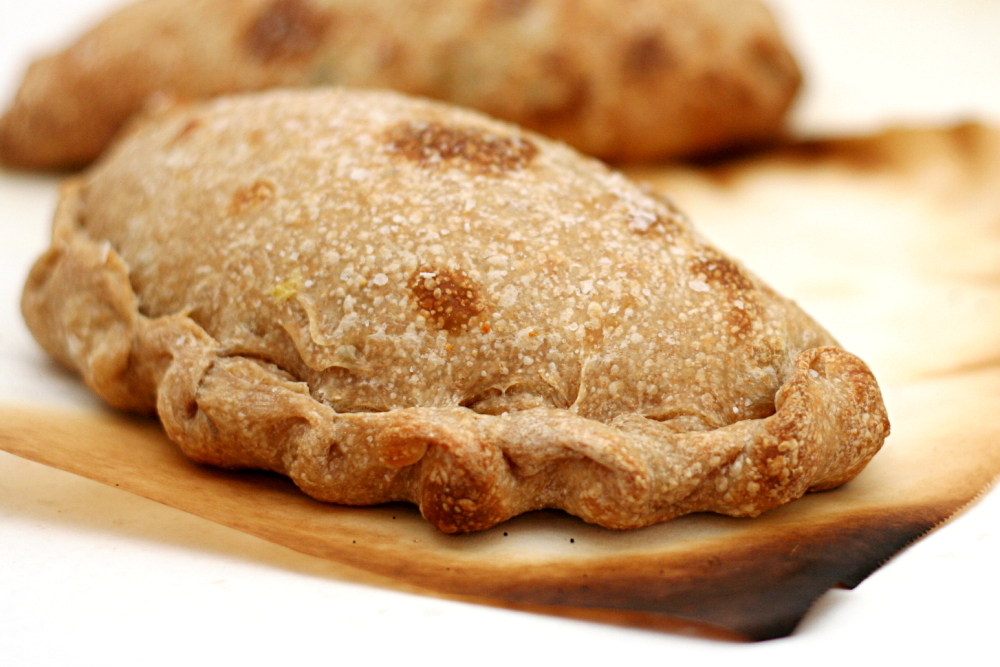
I made calzones instead of pizza mostly just because I hadn’t made them in a while, but I do think that the sizable chunks of shredded chicken that I wanted to use would be more appropriate in a calzone. Calzones, though, are undoubtedly more work than pizza. Instead of rolling out one round of dough for every 2-3 people, you’re rolling out one per person, and once the ingredients are added, the edges need to be crimped.

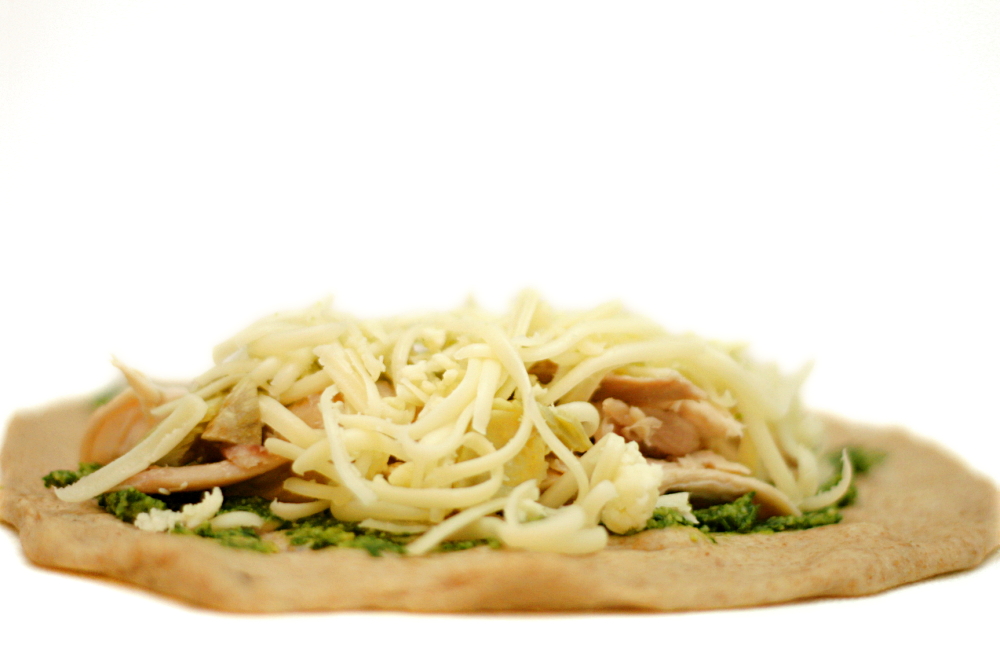
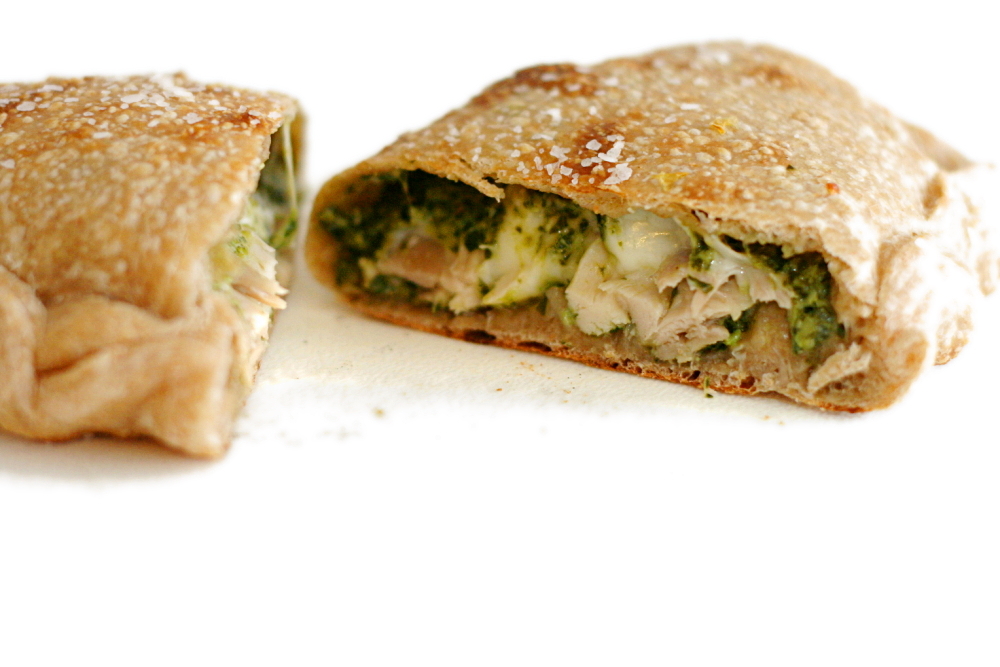
The extra work was worth it for me, because I really enjoyed these calzones. Pesto, chicken, and artichokes are a great combination, and it can only get better with cheese.

copy-of-img_2253

One year ago: (Almost) No-Knead Bread

Chicken Artichoke Pesto Calzones (ingredients adapted from Stefany’s pizza, which is adapted from allrecipes; calzone method adapted from Cooks Illustrated)

Serves 8

I used mozzarella because I had it, but I think fontina would be even better.

2½ pounds pizza dough (a full recipe of this one would be perfect)
1 cup pesto
1 cup frozen artichokes, defrosted and roughly chopped
2 cups shredded cooked chicken
2 cups (8 ounces) shredded mozzarella or fontina cheese
olive oil for brushing

1. Adjust the oven rack to the lowest position, set a pizza stone on the oven rack, and heat the oven to 500 °F (260°C) for at least 30 minutes. Turn the risen dough out onto an unfloured work surface. Divide the dough into eight equal pieces. Gently reshape each piece of dough into a ball. Cover with plastic wrap or a damp kitchen towel, and let the dough rest at least 15 minutes but no more than 30 minutes.

2. Working with one piece of dough at a time and keeping the other pieces covered, stretch and pull the dough into a 7- to 8-inch round. (I don’t like to roll pizza dough, but I suppose you could if you prefer.) Set it aside while you stretch out the remaining rounds of dough. You’ll want to form and fill just four at a time, and then work on the other four while the first set bakes. (Cooks Illustrated stacks the rounds with squares of parchment paper in between; I like to use a kitchen towel.)

3. Spread 2 tablespoons pesto onto each round of dough, leaving about a 1-inch border around the edge. Divide the toppings evenly between the eight dough rounds, forming a pile in the center of the bottom half of each dough round and leaving a 1-inch border uncovered.

copy-of-img_2236

4. Fold the top half of the dough over the filling-covered bottom half, leaving ½-inch border uncovered. (The photo above shows how the dough doesn’t overlap all the way. Look at the left half of the photo, where the dough isn’t crimped yet.) With your fingertips, lightly press around the silhouette of the filling and out to the edge to lightly seal the dough shut.

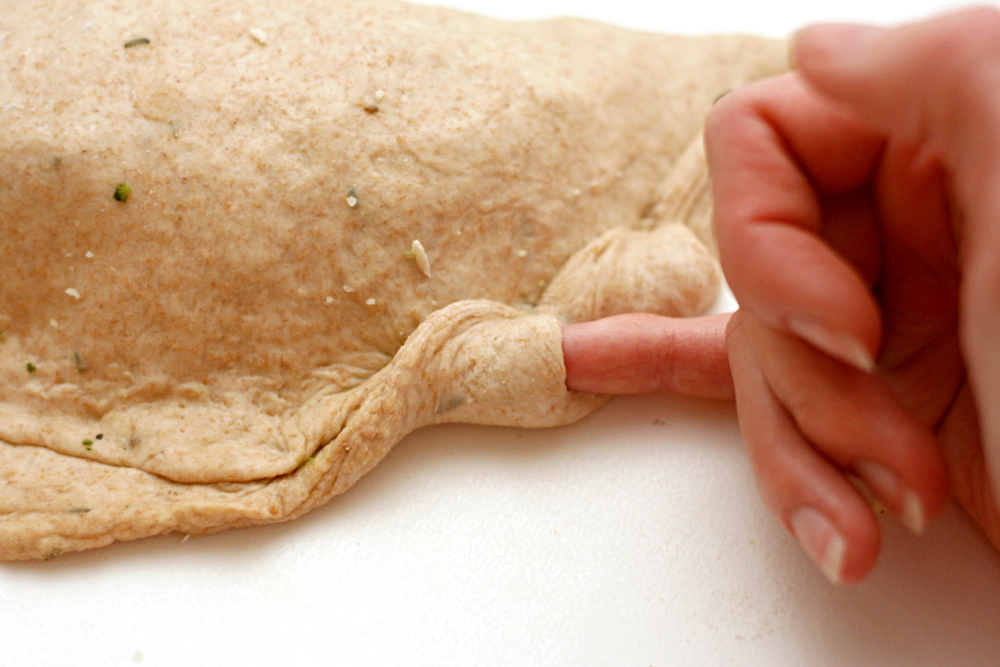
5. Beginning at one end of the seam, place your index finger diagonally across the edge and gently pull the bottom layer of the dough over the tip of your index finger; press into the dough to seal. (Hopefully the same picture  helps illustrate this.) Repeat the process until the calzone is fully sealed.

6. With a pastry brush, brush the tops and sides of the calzones with olive oil. Carefully transfer the calzones to parchment paper; slide the calzones on the parchment onto a pizza peel or rimless baking sheet, then slide the calzones with parchment onto the hot pizza stone, spacing them evenly apart. Bake until the calzones are golden brown, about 11 minutes; use a pizza peel or rimless baking sheet to remove the calzones with the parchment to a wire rack. Remove the calzones from the parchment, cool 5 minutes, and serve. While the first batch of calzones bakes, form the second batch and bake them after removing the first batch from the oven.

copy-of-img_2245

spinach bread

copy-of-img_2073

Someone asked me recently if I save posts for certain times when I think they’ll be more popular. I said that I didn’t; I just post when I have something ready, although I usually have a bit of a queue to choose from. But then I realized that I had just made green bread, and of course it’s more fun to look at green bread near the middle of March than it is in February!

copy-of-copy-of-img_2039

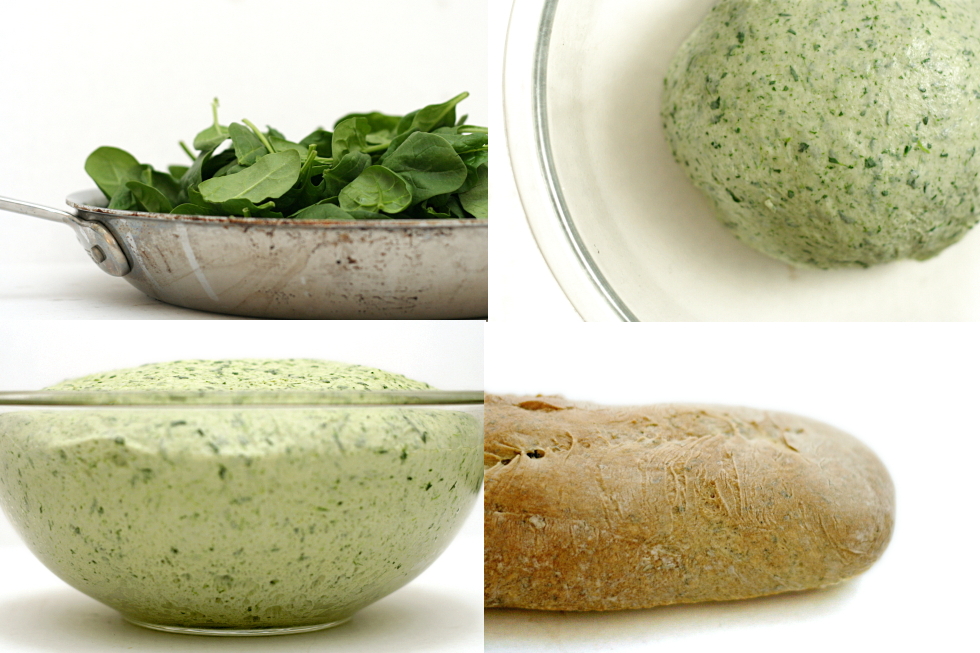
The color comes from cooked spinach, which I recently said that I don’t like, but when I said that, I meant I don’t like it plain. I like it quite a bit when it’s mixed in with dough. Seriously, what doesn’t get better when you mix it with flour?

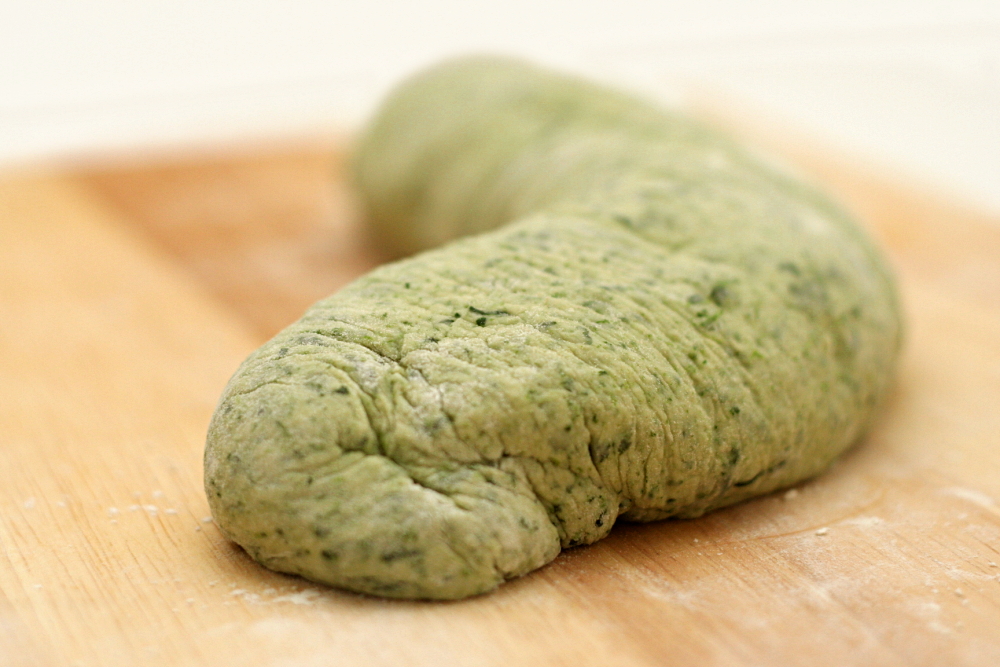
copy-of-img_2055(I didn’t bake it like this; I was just enjoying the caterpillar resemblance.)

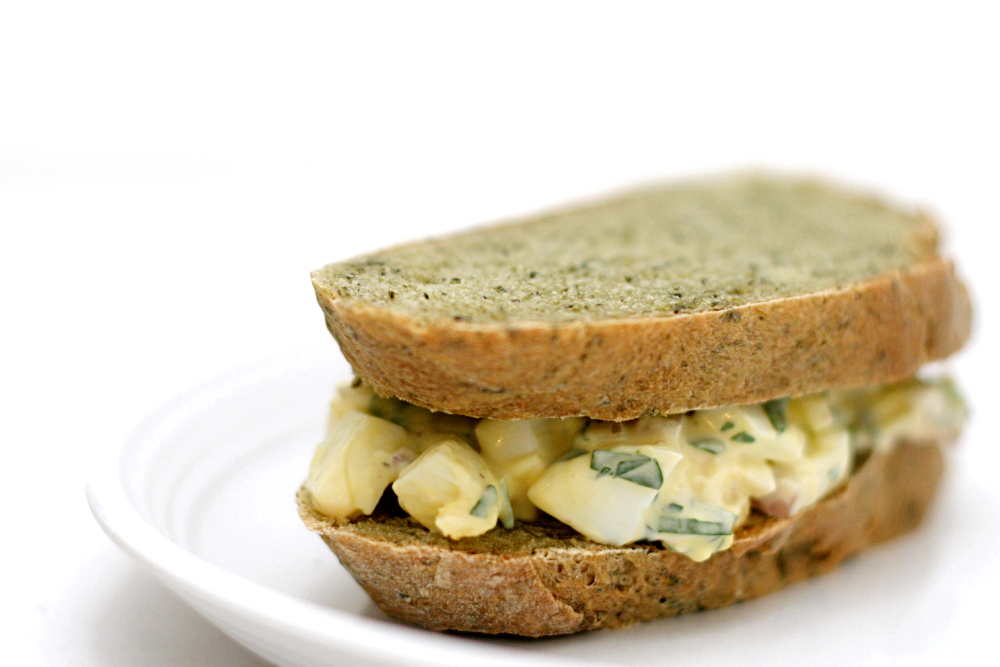
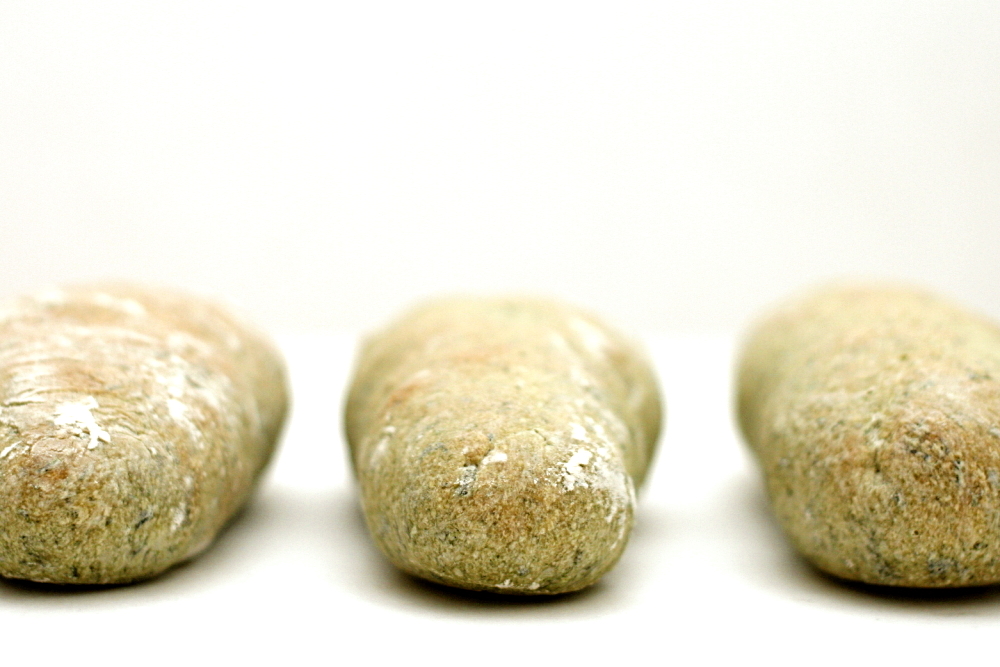
The finely chopped cooked spinach is kneaded into fairly traditional bread dough, which is then treated like any other bread – it rises, is shaped, proofed, baked, and cooled. The result is a spring green, pleasantly spinachy, tender loaf of bread, which can then be made into the best egg salad sandwich ever, or a mean grilled cheese. Which would be perfect served along some green beer for St. Patrick’s Day, don’t you think?
copy-of-img_2056

One year ago: Spaghetti and Meatballs

Spinach Bread (adapted from Ultimate Bread, by Eric Treuille and Ursula Ferrigno)

You could probably use frozen spinach for this instead of cooking your own. The instructions are for a long loaf, but you can make this bread into pretty much any shape you want.

5 ounces spinach
2 teaspoons instant yeast
3½ cups (17.5 ounces) unbleached flour
2 teaspoons salt
1 cup water, room temperature
1 tablespoon vegetable or canola oil

1. Place cleaned spinach leaves and any water that clings to them in a nonreactive soup kettle. (If you’re using pre-washed bagged spinach, add 2 tablespoons water to the pot). Cover and cook over medium-high heat until spinach wilts, 2-4 minutes. Cool spinach slightly and squeeze out the excess liquid. Chop very finely, or puree in a food processor.

2. Mix the flour, salt, and yeast in the bowl of a standing mixer fitted with dough hook. Turn machine to low and slowly add the water, then the spinach and oil. When dough comes together, increase the speed to medium and mix until dough is smooth and satiny, stopping machine two or three times to scrape dough from hook if necessary, about 10 minutes. If after 5 minutes, the dough sticks to the sides of the bowl, add more flour, 1 tablespoon at a time.

3. Lightly oil a large bowl. With floured (or lightly oiled) hands, shape the dough into a ball and transfer it to the bowl, rolling it to coat with the oil. Cover the bowl with plastic wrap or a damp towel. Let rise until doubled in size, about 1 to 1½ hours. Press to deflate, then let rest for 10 minutes.

4. Gently pat the dough into a rough rectangle. Fold the bottom third of dough, letter style, up to the center and press to seal, creasing surface tension on the outer edge. Fold the remaining dough over the top and use the edge of your hand to seal the seam closed and to increase the surface tension all over. Press evenly with the palms of both hands and roll the dough backward and forward until it is 10 inches in length. Line a sheet pan with baking parchment. Place the loaf on the pan and lightly dust with flour. Cover loosely with plastic wrap.

5. Proof at room temperature for about 45 minutes, or until the loaves have grown to about twice their original size.

6. About half an hour into the second rise, place a baking stone* on the bottom rack of the oven and preheat the oven to 450F.

7. Using a very sharp knife or a serrated bread knife, cut 5 diagonal slashes, each about ¼ to ½-inch deep, across the top of the loaf. (Alternatively, cut one long slash that extends for the length of the loaf.)

8. Transfer the dough on the parchment paper to a peel or the back of a sheet pan. Transfer the dough to the baking stone. Close the oven and reduce the temperature to 400 degrees. Bake until golden brown and the temperature is around 200 degrees** at the center, 30-40 minutes.

9. Transfer the loaves to a cooling rack and cool for at least 1 hour before slicing and serving.

*If you don’t have a baking stone, simply bake the loaf on a baking sheet at 400F for 45 minutes.

**If you don’t have an instant-read thermometer, tap the bottom of the hot baked loaf. It should sound hollow when the bread is done baking.

copy-of-img_2060