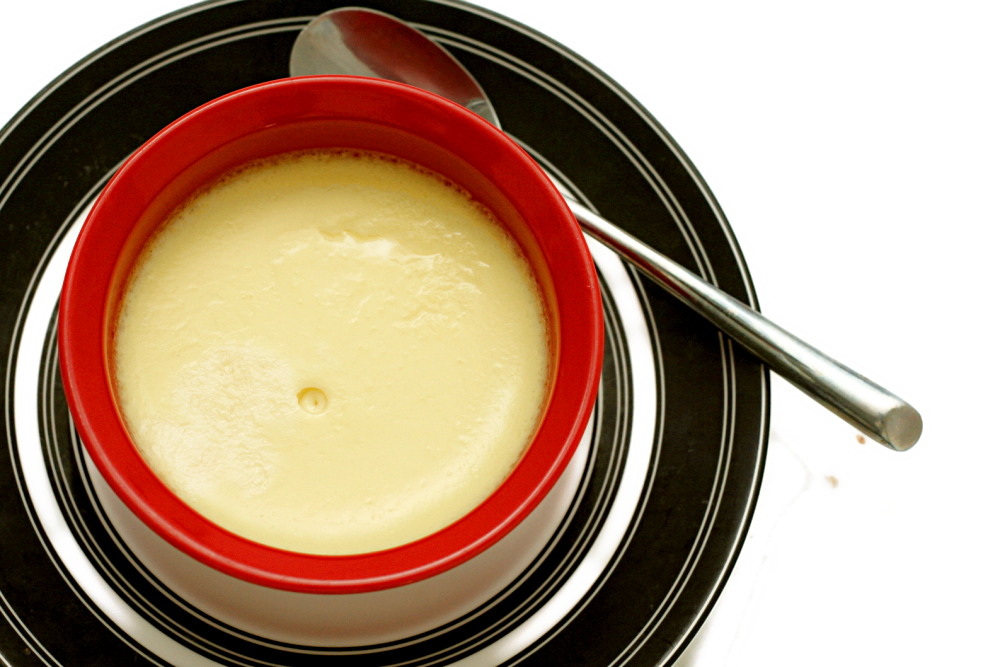
lemon cup custard

copy-of-img_2420

Well, I didn’t intend to choose an unpopular dessert for Tuesdays with Dorie this week. I was picturing a satiny, lemony pots de crème-type custard. Obviously I didn’t pay enough attention to the ingredients, which, with just milk, whole eggs, lemon zest, and sugar, in no way indicate that this custard would be rich. Sorry, custard-haters!
copy-of-img_2431

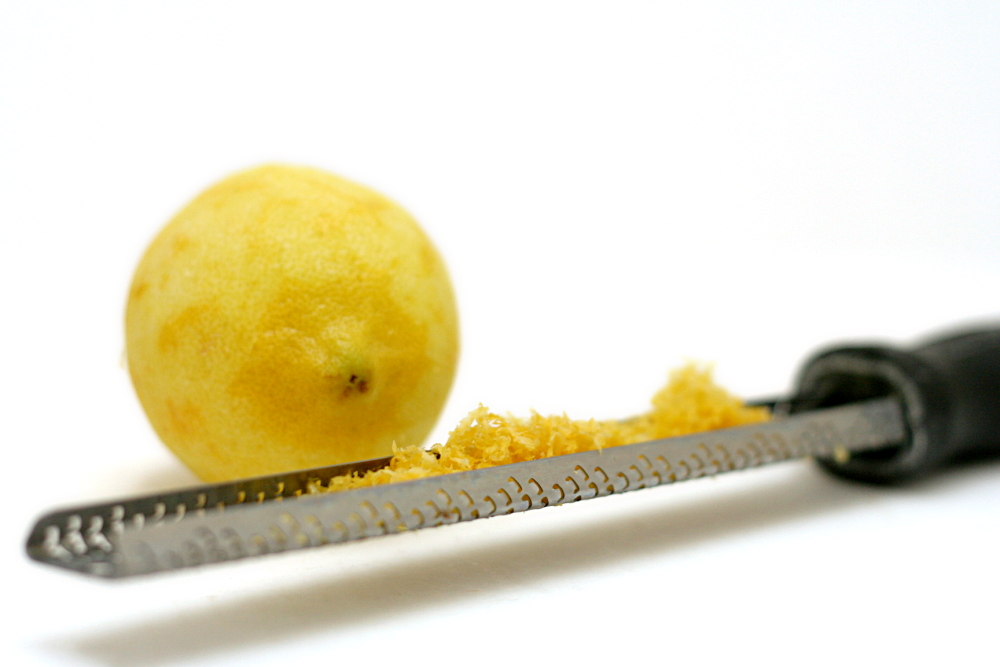
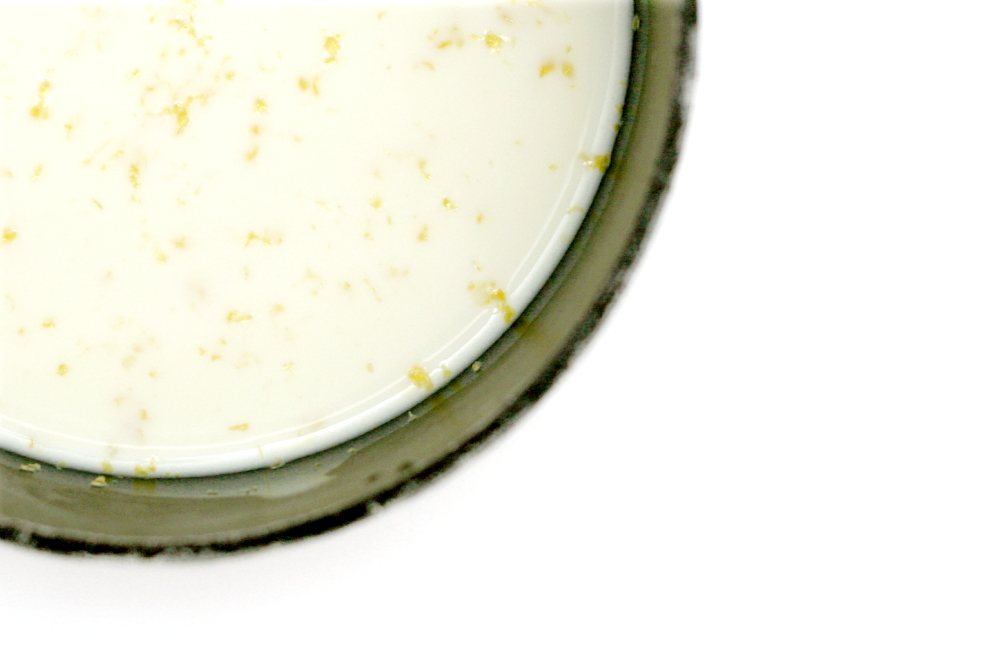
Hey, at least it was easy and didn’t use many ingredients. After the milk is steeped with lemon zest, it’s mixed into sugar and eggs, then baked in a water bath. I added a drop of lemon extract to half of my custards.

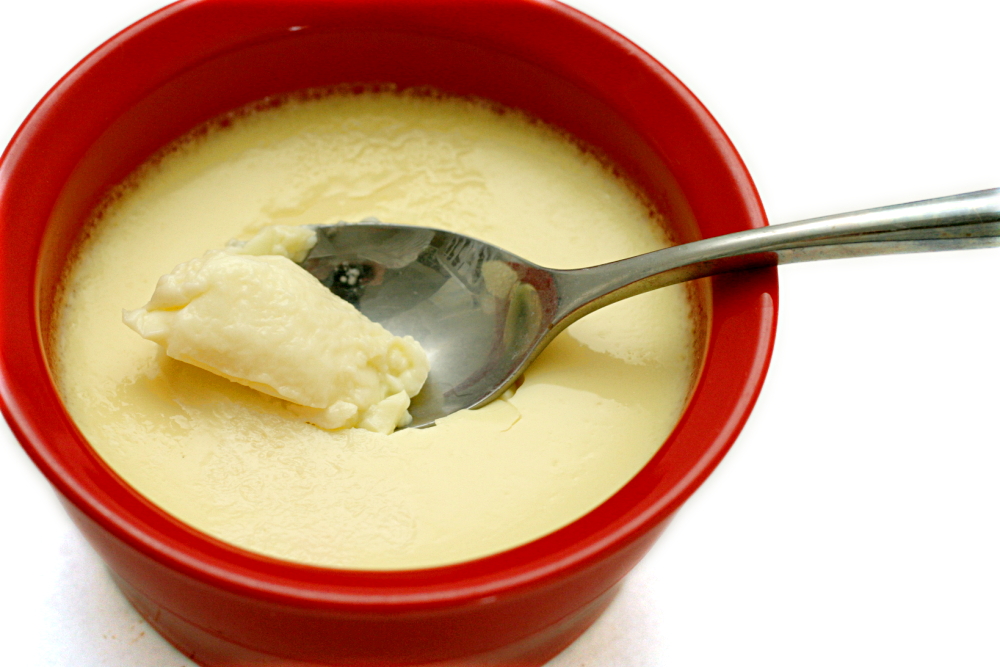
The lemon flavor was pretty tame, although it was noticeably stronger with the extract. The texture was certainly more eggy than I expected. I don’t mind the texture of classic baked custard, but I know it isn’t popular with a lot of people.
copy-of-img_2390

Overall, I thought the custard was light and refreshing, especially with the bit of lemon extract. It’s even a relatively healthy dessert – no butter, believe it or not! Not only that, but it was easy. So at least it was a winner in my book!
copy-of-img_2422

Lemon Cup Custard (from Baking: From my Home to Yours, by Dorie Greenspan)

Mine seemed to cook a little faster than Dorie indicates, so you might want to check them early.

Makes 6 servings

2¼ cups whole milk
grated zest of 1 lemon
4 large eggs
½ cup sugar
pure lemon oil or extract (optional)

Getting ready: Have six (6-ounce; ¾-cup) custard or coffee cups at hand. Put the milk and zest in a saucepan and bring just to a boil. Remove the pan from the heat, cover and set aside for 30 minutes so the zest can infuse the milk with its flavor. Reheat the milk before mixing the custard.

Getting ready to bake: Center a rack in the oven and preheat the oven to 325F. Line a roasting pan with a double thickness of paper towels and put the custard or coffee cups in the pan. Have a fine-mesh strainer at hand. Fill a teakettle with water and put it on to boil; when the water boils, turn off the heat.

In a 1-quart glass measuring cup or a heatproof bowl, whisk the eggs and sugar together until well blended. Still whisking, strain in about ¼ cup of the hot milk little by little – this will temper, or warm, the eggs so they won’t curdle. Whisking all the while, slowly strain in the remaining milk. Discard the zest remaining in the strainer. If you’d like a stronger lemon flavor – Dorie usually does – stir a few drops of lemon oil or extract into the custards. (Don’t go overboard – ⅛ teaspoon extract, less if you’re using oil, is about the most you’ll need.)

With a spoon, skim the foam off the top of the custard, then pour the custard into the cups. Very carefully slide the roasting pan into the oven, then pour enough hot water from the teakettle into the roasting pan to come halfway up the sides of the cups.

Bake the custards for 40 to 50 minutes, or until they jiggle only in the center when you tap the cups lightly. Transfer the cups to a rack and cool to room temperature, then cover and refrigerate for at least 2 hours before serving.

Serving: Serve just as is.

Storing: Well covered and away from foods with strong odors, the custards will keep in the refrigerator for up to 2 days.

Playing around:
Vanilla Cup Custard: Omit the lemon zest and oil or extract, and after the hot milk has been blended into the eggs, add 2½ teaspoons pure vanilla extract. (Dorie often adds ⅛ teaspoon pure almond extract too.) Alternatively, you can steep the milk with 1 split and scraped vanilla bean instead of using extract.

Lemon-Clove Cup Custard: Add 4 whole cloves to the milk along with the lemon zest.

Orange-Star Anise Cup Custard: Omit the lemon zest and oil or extract and add the grated zest of 1 orange and 3 points from a star anise to the milk before heating it.

Espresso-Cinnamon Cup Custard: Omit the lemon zest and oil or extract and add a cinnamon stick to the milk before heating it. Whisk 2 teaspoons instant espresso powder into the egg-sugar mixture.

copy-of-img_2408

orange berry muffins

copy-of-img_2209

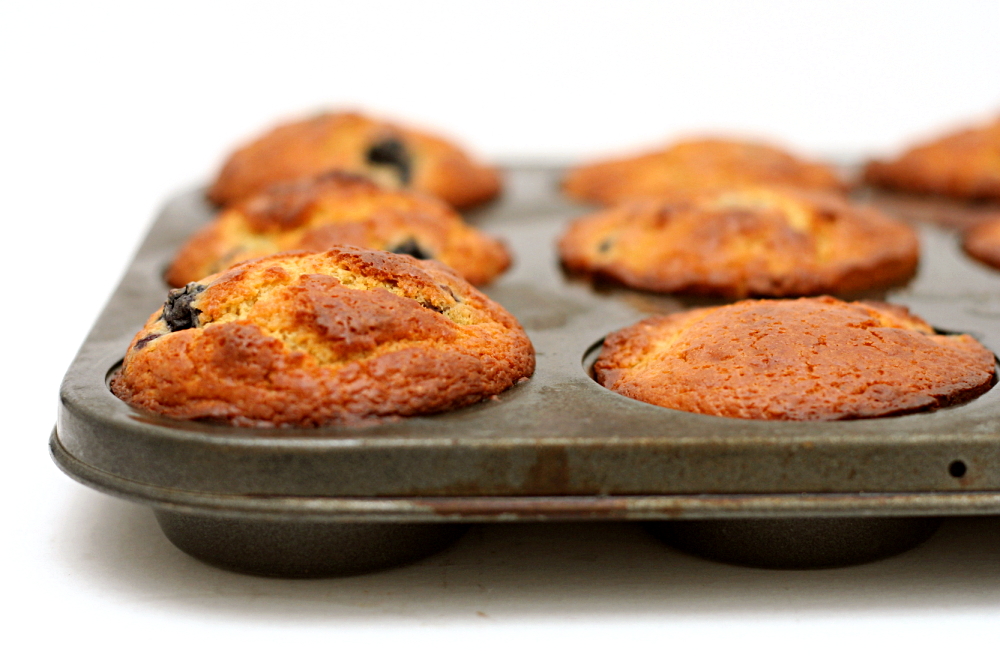
I ran a little test with these muffins. I read somewhere, at some point, that it’s best to grease just the bottom of muffin cups and not the sides. But not all recipes specify this, so I’ve never known how important it is.

copy-of-img_2187

This muffin recipe, which was made by Tuesdays with Dorie before I joined the group, calls for the dry and wet ingredients to be mixed separately before folding them together. Because this is standard muffin procedure, it seemed like a good candidate to test out my question about oiling the cups.

copy-of-img_2191

For the six muffin cups on the outside of the pan (the two outer rows), I sprayed just the bottom of the cups. For the six muffin cups on the inside of the pan (the two inner rows), I sprayed the entire cup.

copy-of-img_2193left – bottoms only; right – whole cup

As you can see, the difference is striking. The muffins baked in the bottom-only sprayed cups rose taller and rounder. The muffins baked in the thoroughly sprayed cups have flat tops. My theory is that those muffins rose evenly on all sides, where the muffins baked in cups with unsprayed sides were held down at the sides and could only rise in the middle.

copy-of-img_2197left – whole cup sprayed; right – bottom only

Unfortunately, there’s another significant difference between each set, and that’s in how easily they came out of the pan. No one will be surprised to hear that the muffins in the completely sprayed cups were far easier to remove. The others needed a bit of prying around the edges before I could get them out of the pan, although they all came out cleanly.

For me, the extra few minutes to get the muffins out of the pan are worth it for the beautifully domed tops. (Of course now I’m wondering if there was a difference in texture. If there was, I didn’t notice.) And if the prize after carefully removing each muffin is these tender orange-scented treats studded with juicy blueberries, all the better.

copy-of-img_2198left – whole cup sprayed; right – bottom only

One year ago: Rice Pudding

Orange Berry Muffins (from Dorie Greenspan’s Baking: From my Home to Yours)

The only change I made was doubling the salt. However, you can see that my muffins got a little too dark. I know my baking pan has a dark finish, but I’ve never had problems with muffins before, so you might want to lower the oven temperature a bit, or at least check the muffins earlier than the recommended 22 minutes.

Grated zest and juice of 1 orange
About ¾ cup buttermilk
2 large eggs
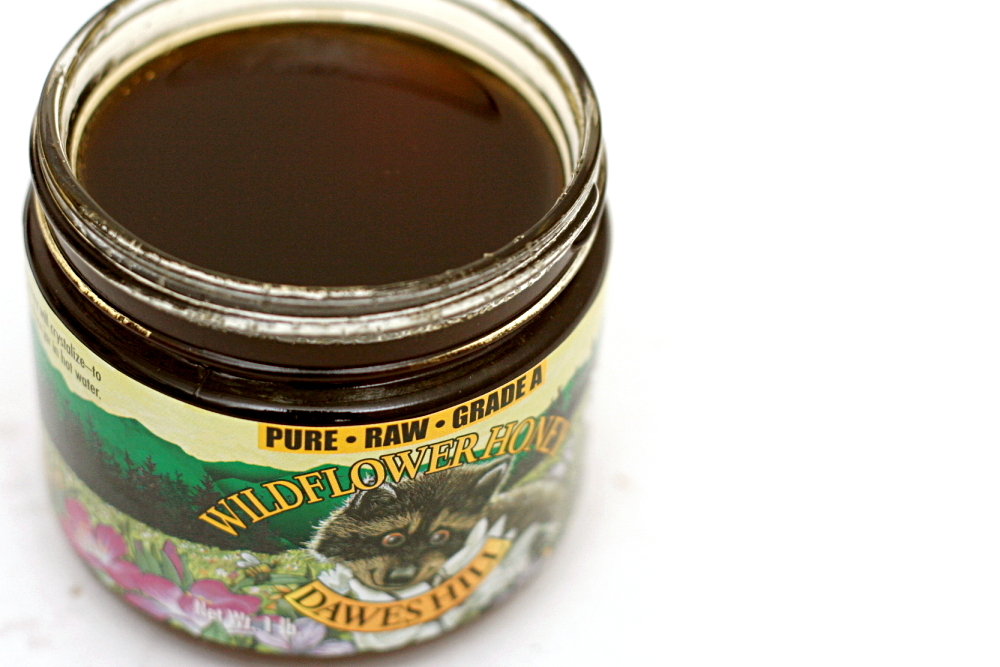
3 tablespoons honey
1 stick (8 tablespoons) unsalted butter, melted and cooled
⅓ cup (2.33 ounces) sugar
2 cups (9.6 ounces) all-purpose flour
2½ teaspoons baking powder
¼ teaspoon baking soda
¼ teaspoon salt
1 cup blueberries – fresh, preferably, or frozen (not thawed)
Decorating sugar, for topping (optional)

Center a rack in the oven and preheat the oven to 400 degrees F. Butter or spray the 12 molds in a regular-size muffin pan or fit the molds with paper muffin cups. Alternatively, use a silicone muffin pan, which needs neither greasing nor paper cups. Place the muffin pan on a baking sheet.

Pour the orange juice into a large glass measuring cup or a bowl and pour in enough buttermilk to make 1 cup. Whisk in the eggs, honey and melted butter.

In a large bowl, rub the sugar and orange zest together with your fingertips until the sugar is moist and the fragrance of orange strong. Whisk in the flour, baking powder, baking soda and salt. Pour the liquid ingredients over the dry ingredients and, with the whisk or a rubber spatula, gently but quickly stir to blend. Don’t worry about being thorough – the batter will be lumpy and bubbly, and that’s just the way it should be. Stir in the blueberries. Divide the batter evenly among the muffin cups.

Bake for 22 to 25 minutes. If you want to top the muffins with decorating sugar, sprinkle on the sugar after the muffins have baked for 10 minutes. When fully baked, the tops of the muffins will be golden and springy to the touch and a thin knife inserted into the center of the muffins will come out clean. Transfer the pan to a rack and cool for 5 minutes before carefully removing each muffin from its mold.

copy-of-img_2212

roasted kale

copy-of-img_2179

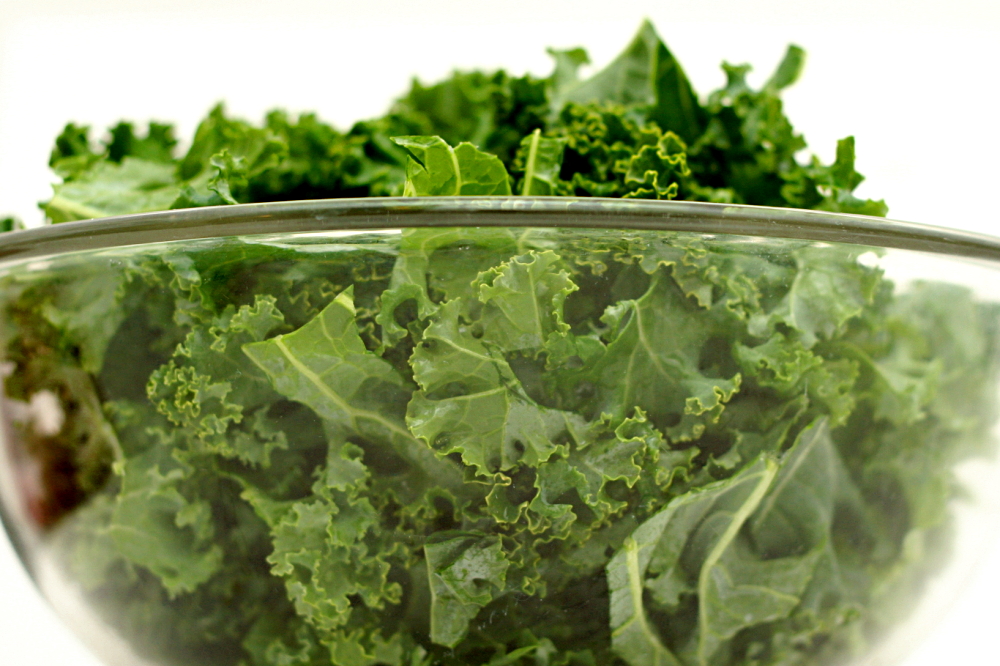
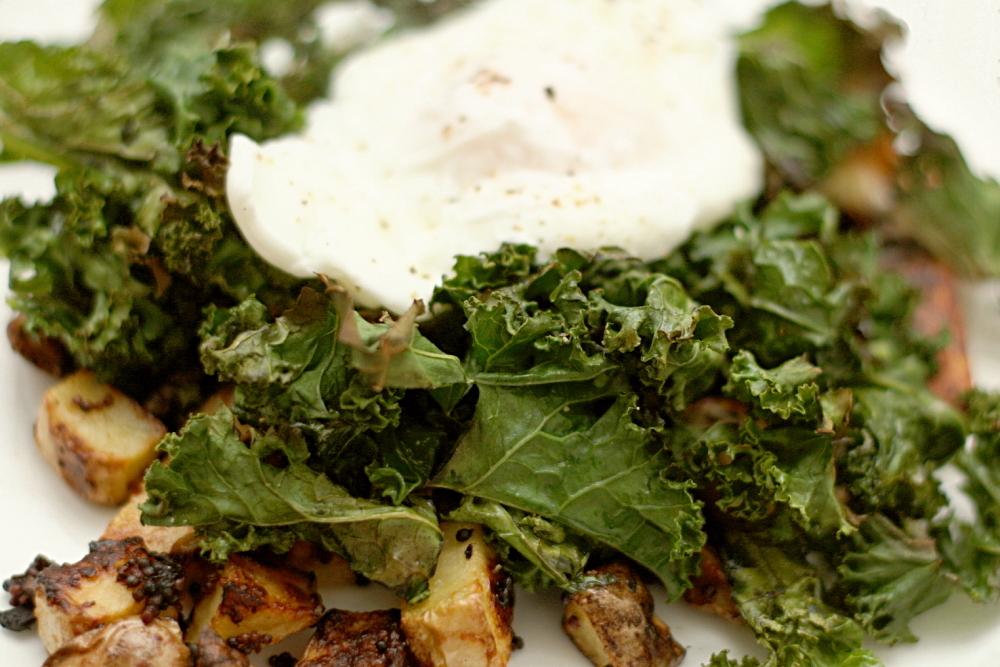
I would not have predicted a couple years ago that kale would become one of my favorite vegetables. Or that one of my favorite ways to eat it would be topped with an egg.

copy-of-img_2164

I recognize that the dark olive green color of cooked kale may appear unappetizing. Furthermore, it’s a leafy green vegetable, which we’re trained from childhood to distrust. To be honest, I still don’t even like cooked spinach – too mushy, if not in reality, then certainly in my mind.

copy-of-img_2171

Kale, though, retains a nice crunch after it’s cooked, because it’s much heartier than spinach. It has an earthy flavor, which I know makes it sound like it tastes like dirt, but to me, it’s more of an umami-type meaty flavor.

The problem is that the only way I had prepared kale before this was by braising it, which, although delicious, takes at least half an hour. This roasted method takes, I kid you not, only ten minutes in the oven, and the kale is just as tasty.

copy-of-img_2171

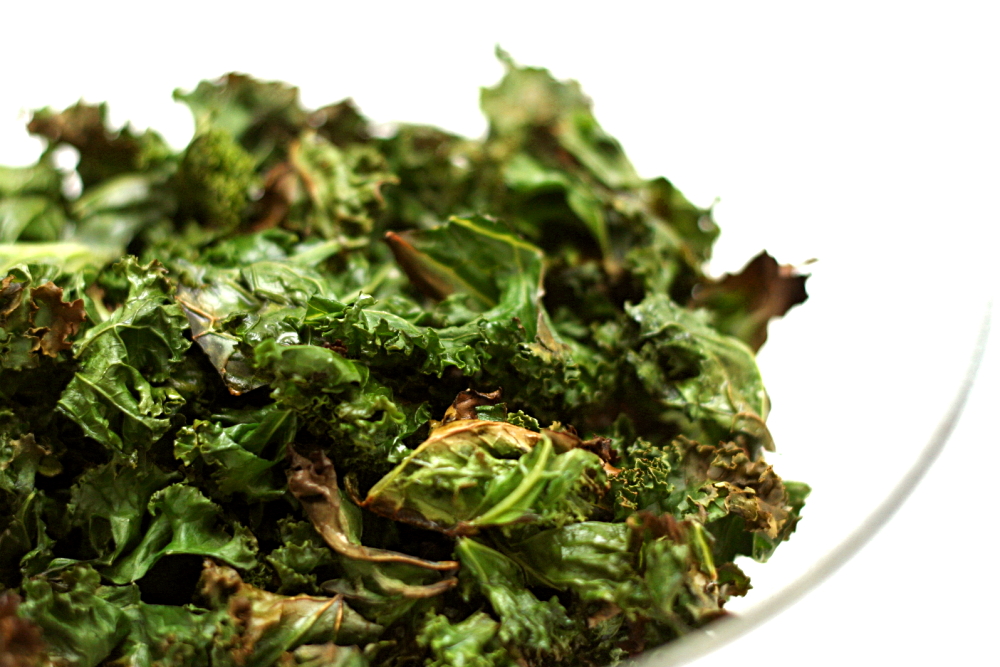
The texture of roasted kale is a little different from braised. Some of the leaves, those on the edges of the baking pan I suppose, were a little crispy, while some of the kale was more moist. Both textures were fine by me.

With a lovely poached egg on top, and some mustardy roasted potatoes, kale makes a delicious, hearty, easy, and healthy meal.

copy-of-img_2174

One year ago: Banana Walnut Pancakes

Roasted Kale (slightly reworded from Tuesday Recipe)

Serves 2, generously

1 bunch kale (about ½ pound)
extra-virgin olive oil
sea salt or kosher salt
sherry vinegar or red wine vinegar

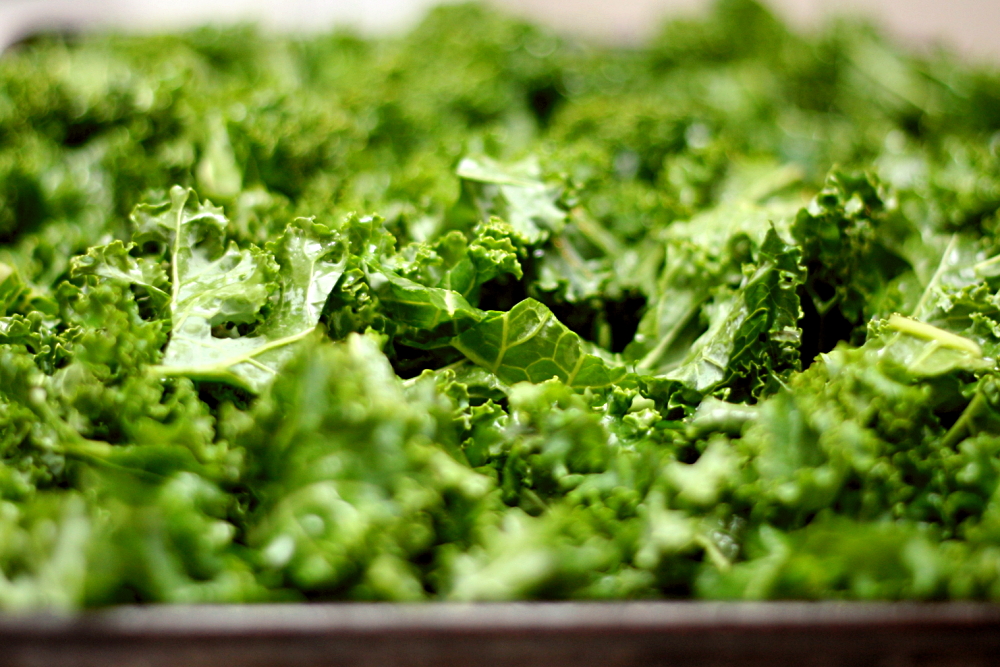
1. Preheat the oven to 425F. Cut the stems off the kale and discard; rinse and shake the leaves dry. Stack the leaves and cut them crosswise into strips about 1 inch wide. Put the kale in a big bowl and drizzle with enough olive oil to coat well (about 2 tablespoons). Sprinkle with a generous pinch of salt, then gently toss the leaves. Spread the kale on a large rimmed baking sheet and pop it in the oven. Set the bowl aside without washing it.

2. Roast the kale until some of the leaves are tinged with brown, about 7 minutes. Remove baking sheet and stir the kale around, then put it back in the oven for another 3 minutes or so until all the leaves are starting to crisp. Immediately put the leaves back in the bowl you first tossed them in, then drizzle with another tablespoon of oil and a few splashes of vinegar. Toss kale with the tongs, taste, and add more oil, vinegar, or salt as needed. Toss again and serve right away.

copy-of-img_2176

chocolate whiskey cake

copy-of-img_2303

Dave was watching a Cleveland Cavelier’s basketball game while I made this cake. When LeBron James, doing what LeBron James does, executed some crazy maneuver that only he could have pulled off, the announcers praised his creativity. Dave noted that for anyone else, the move would have been called stupid, but then for anyone else, the move wouldn’t have worked.

copy-of-copy-of-img_2260

Putting prunes in chocolate cake is basically the same thing. If it works, you’re creative. If not, you’re…something else.

copy-of-img_2265

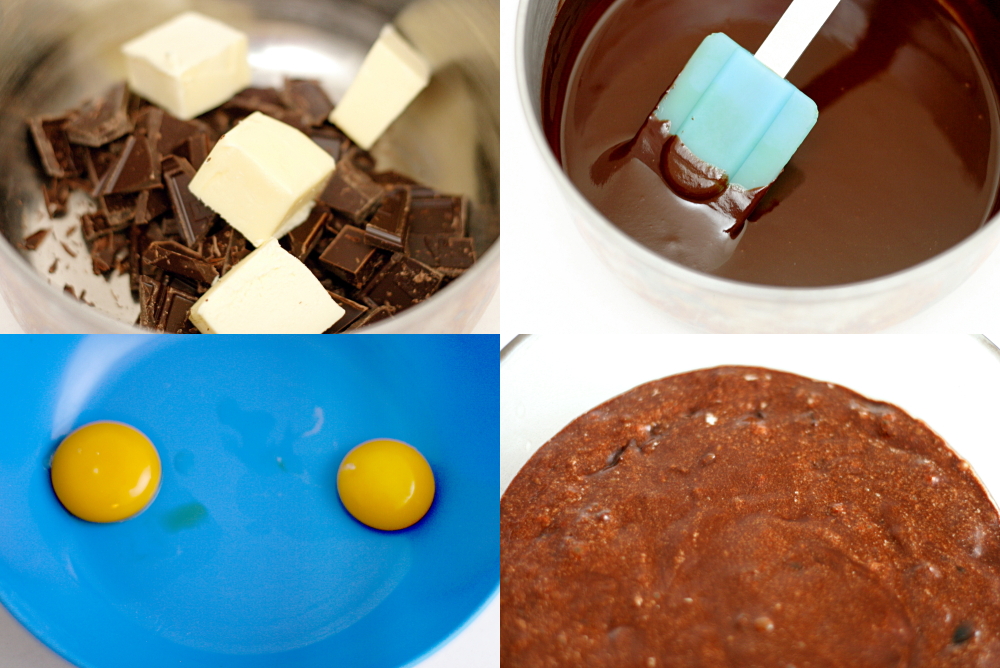
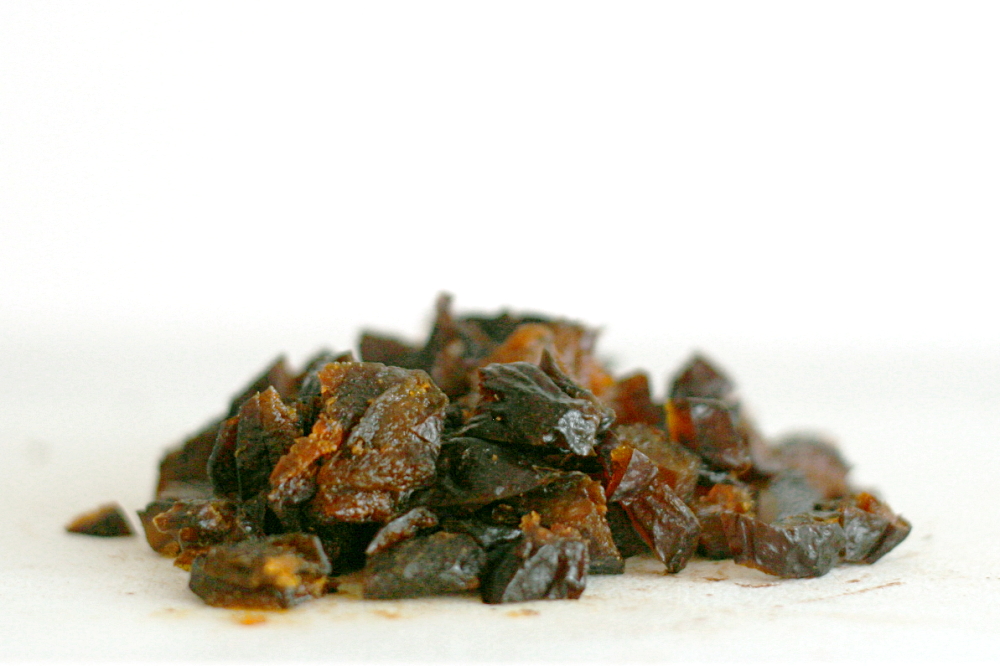
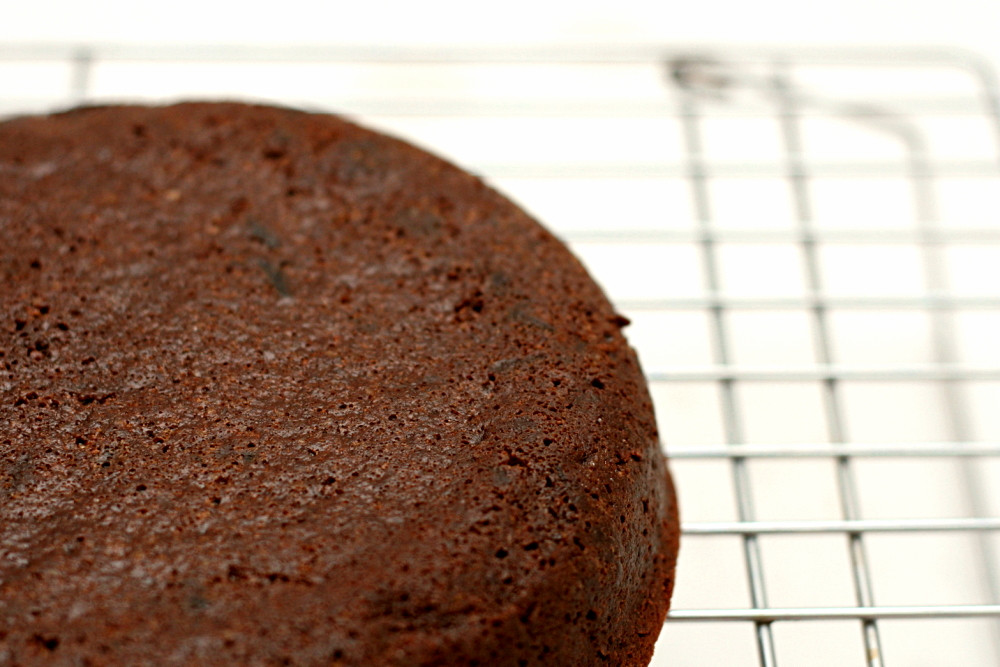
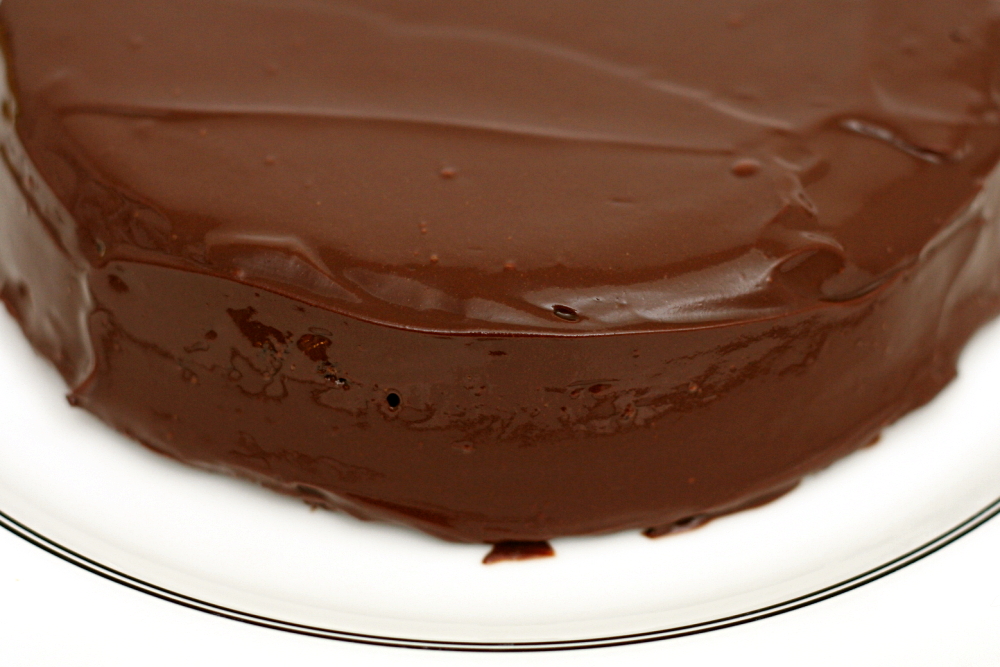
For this cake, prunes are chopped, softened in hot water, and flambéed.  The prunes are mixed with egg yolks, sugar, melted chocolate and butter, flour and ground nuts, and beaten egg whites. The cooled cake is topped with a rich chocolate glaze. Put this way, it sounds a lot simpler than over an hour of baking and at least six dirty bowls proved it to be.

copy-of-img_2290

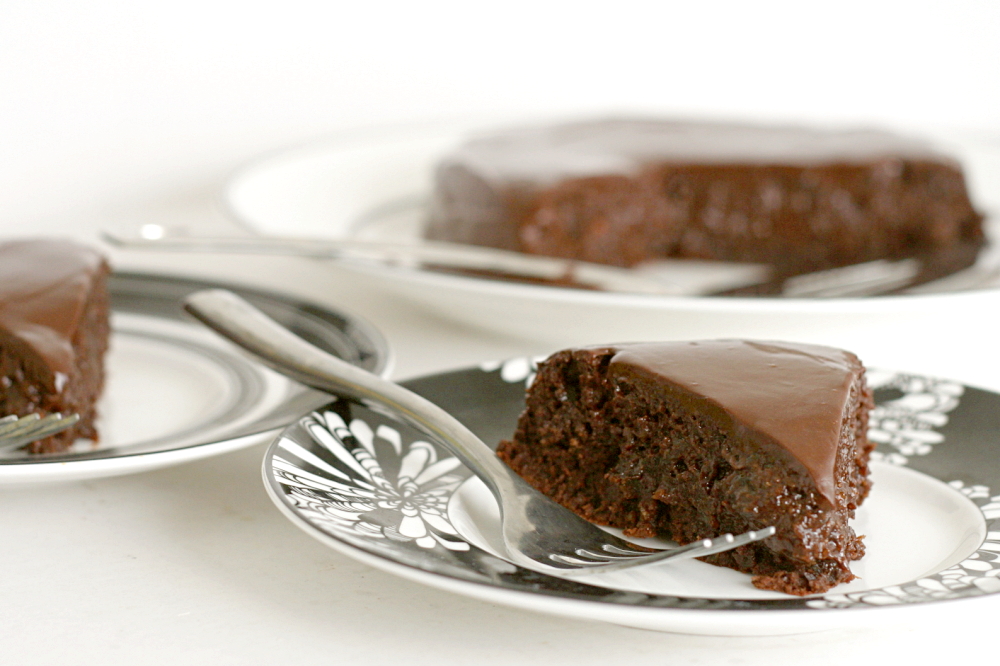
Baking the cake is where I, and it seems a number of other people, ran into problems. Dorie instructs that the cake is done when the sides are pulling away from the pan, the top is crisp, and a knife inserted into the center is “streaky.” Hm…”streaky” isn’t very definitive. My cake seemed to pass all three of those conditions and even unmolded cleanly, but when I cut into it, I realized it was gooey in the center. A better indicator of doneness would be a final temperature to be reached, to be read with an instant-read thermometer.

copy-of-img_2293

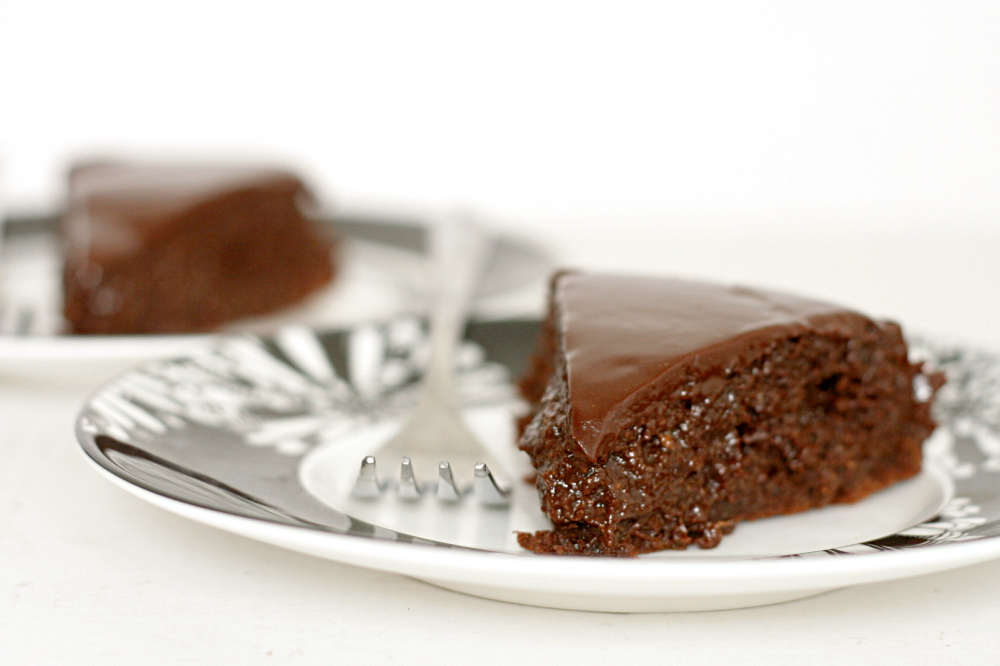
Regardless, I hereby decree Dorie creative, and not crazy, because a gooey center could not detract from just how delicious this cake is. If I hadn’t known, I would not have been able to identify the prunes in the cake, and certainly not the whiskey. However, there was definitely something more to this cake than a regular chocolate cake. I have two-thirds of it left, and it’ll be a miracle if I get through the day without stealing tiny slices here and there. It’ll be a miracle if I get through the next hour, honestly. (I did not make it. It’s half an hour later and I’m eating cake. And I agree with Dorie that it’s better at room temperature, but it isn’t half-bad cold either.)

copy-of-img_2298

Lyb has the recipe posted. I used whiskey instead of Armagnac, prunes instead of raisins, and ground almonds instead of walnuts. I wouldn’t change anything about the ingredients, but if you make this, err on the side of less streaky on a knife inserted into the middle at the end of baking. This cake is so moist that I think it would be a challenge to dry it out.

One year ago: Raspberry Bars

copy-of-img_2309

lemon cream cheese bars

copy-of-img_1746

I’m not known for my self-control around desserts (or any food, for that matter) in general, but there are a few extreme cases. One is lemon. I almost never make lemon desserts, because I will eat them, all, until they’re gone, within a very short period of time. The other, which I only realized recently, is cheesecake. When I made cheesecake in a mini muffin pan, I had no resistance to grabbing just one more tiny cheesecake.

copy-of-img_1701

And then I saw this recipe, which is a combination of those two things. I was in trouble. I made them for the SuperBowl, thinking that was as good an excuse as any to overeat.

Except I didn’t overeat them. Because surprisingly, these did not knock my socks off.

copy-of-img_1710b

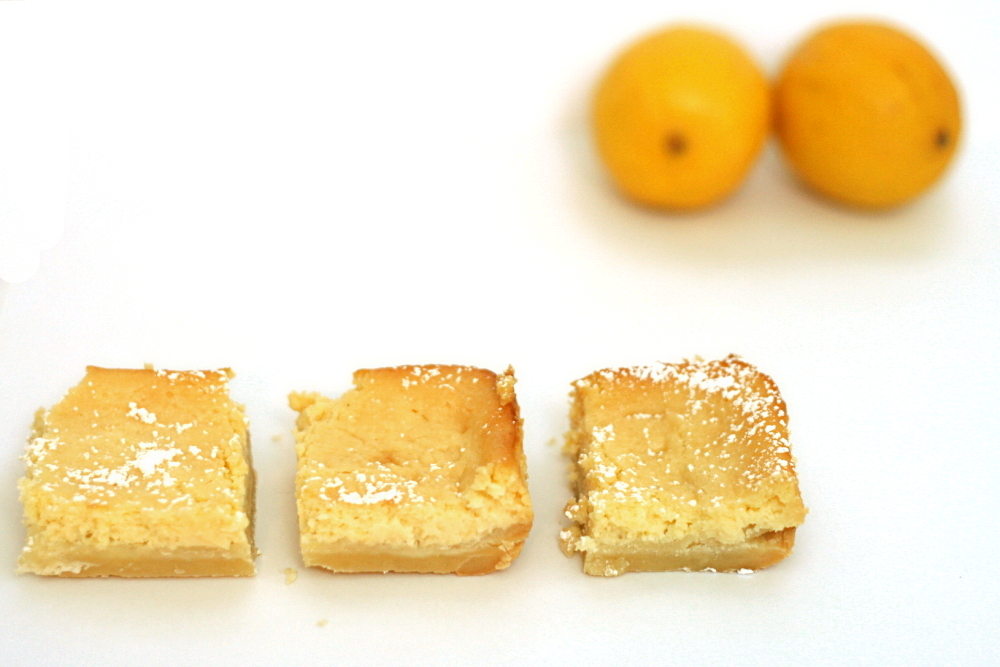
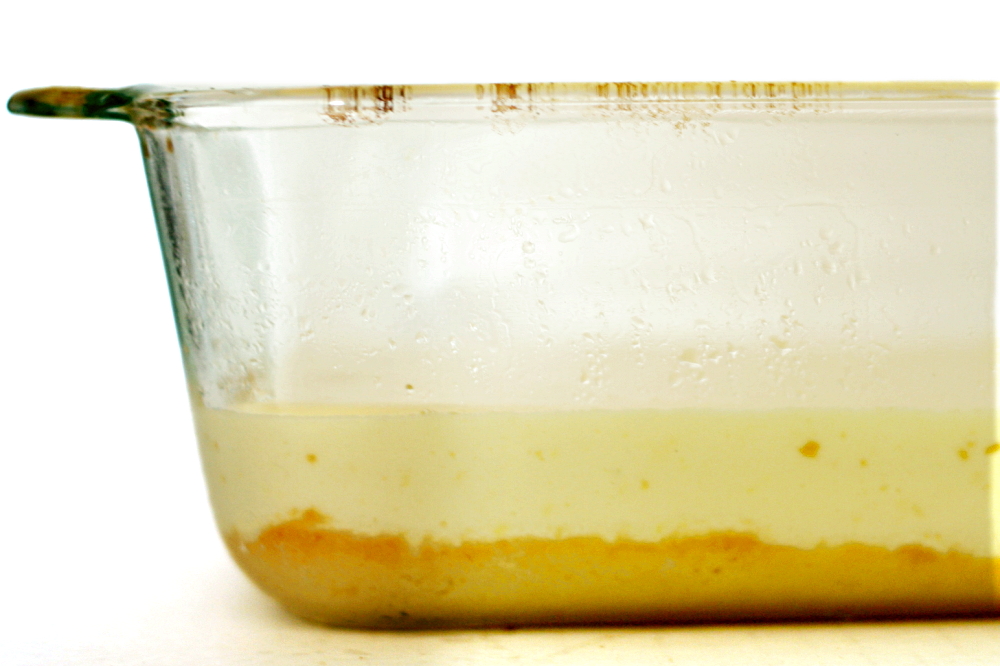
The base is a standard shortbread lemon bar base. The filling is similar to a regular lemon bar, including lemon juice, zest, eggs, and sugar, but includes cream cheese and sour cream, and leaves out the baking powder included in most lemon bar recipes.

copy-of-img_1711

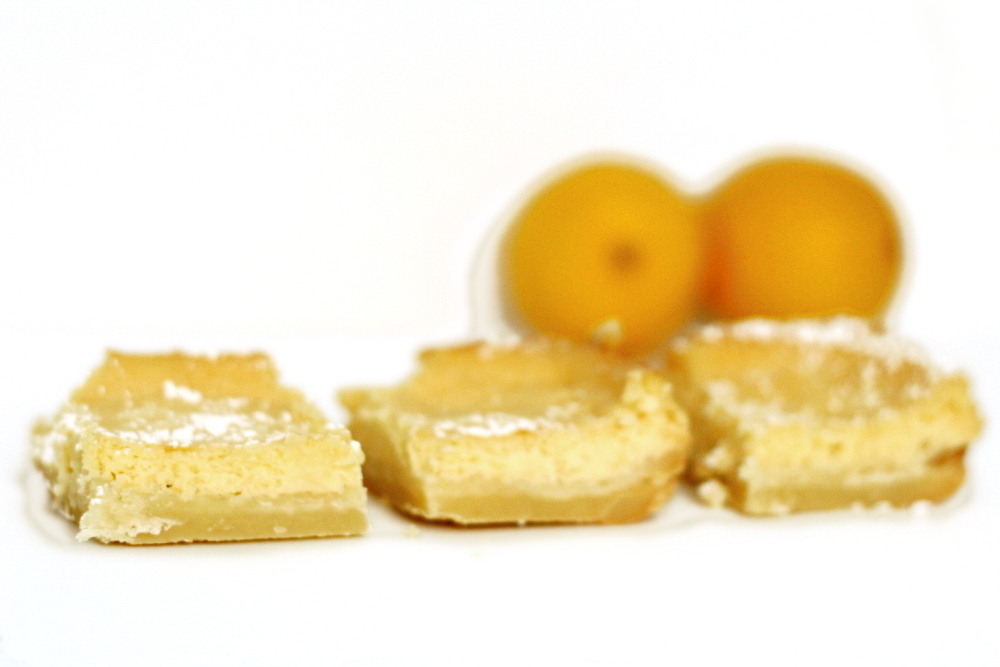
Of course they were good – there’s no way to go wrong with this combination of ingredients. But other than a texture that was a little creamier, I didn’t notice a significant difference between this and a regular lemon bar. The difference in fat content, however, is significant. It looks like I’ll be keeping my lemon bars and my cheesecake separate.

copy-of-img_1747

One year ago: Julia Child’s French Bread

Lemon Cream Cheese Bars (adapted from recipezaar)

Crust:
8 tablespoons (1 stick) unsalted butter, softened
pinch salt
¼ cup powdered sugar
¾ cup (3.6 ounces) unbleached flour
1 tablespoon cornstarch

Filling:
10 ounces cream cheese, room temperature
½ cup (3.5 ounces) sugar
2 teaspoons grated lemon zest
5 tablespoons sour cream, room temperature
6 tablespoons fresh lemon juice
2 large eggs, room temperature
1 teaspoon vanilla
powdered sugar for dusting

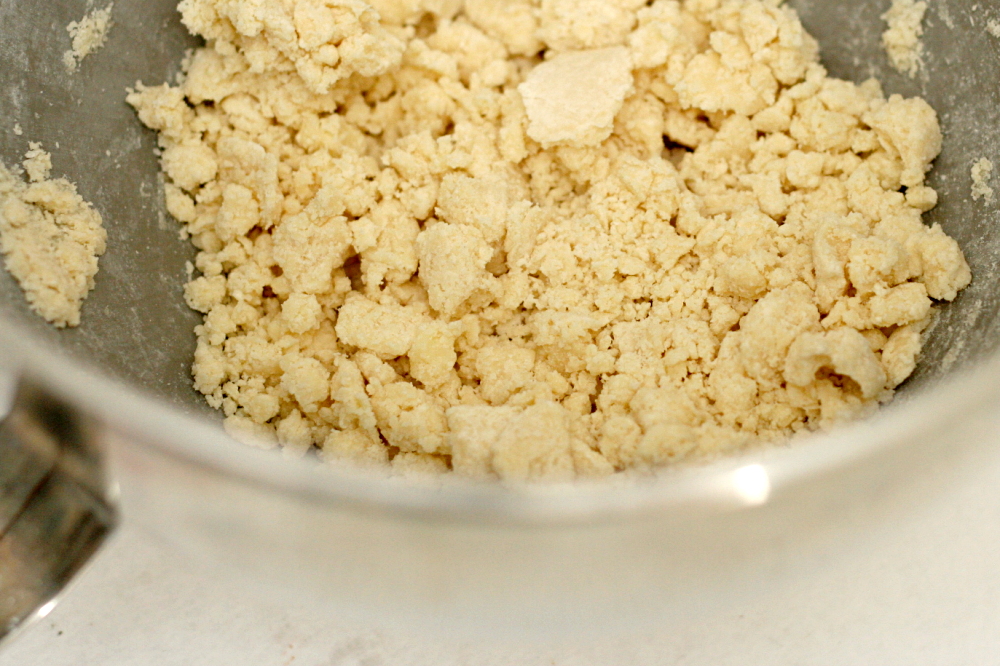
1. Adjust oven rack to middle position and heat oven to 350 degrees. Beat butter with an electric mixer on medium-low speed until creamy. Add sugar and salt and mix until it’s thoroughly combined. Add the flour and cornstarch and mix on low until the mixture forms large curds. Press the dough evenly over the bottom of an ungreased 8 by 8-inch baking dish. Bake at 350 degrees until golden brown, about 20 minutes. Remove the crust from the oven and set it on a cooling rack while you finish the filling.

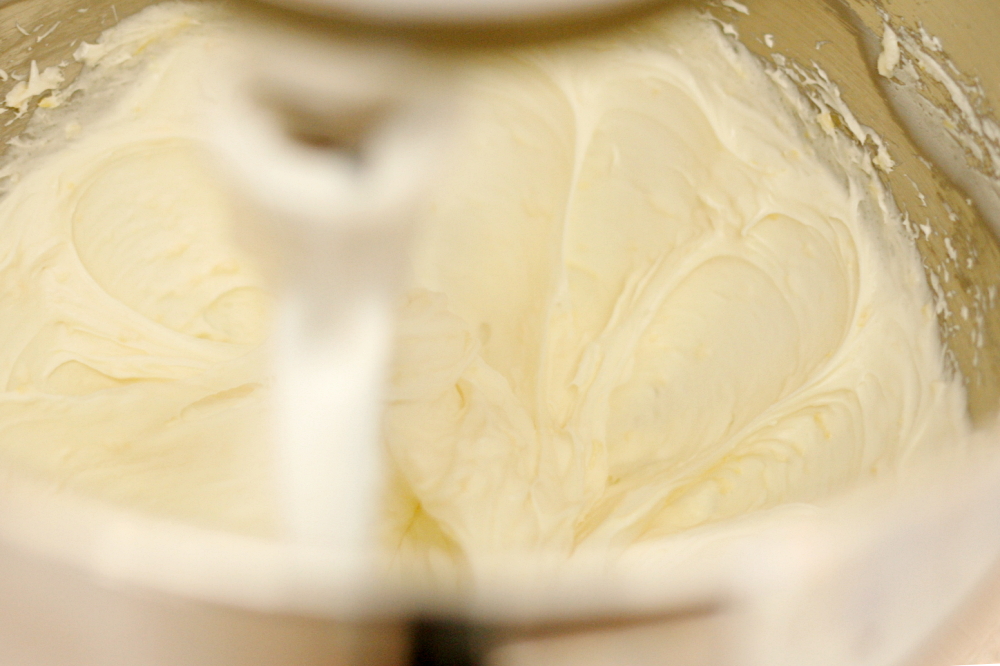
2. Using an electric mixer on medium speed, cream the cream cheese for 2 minutes, until it’s completely smooth and creamy. Add the sugar, and lemon zest and beat until light and fluffy, 2 to 3 minutes. Stop the mixer once or twice to scrape the bowl with a rubber spatula. Add the sour cream and lemon juice and beat the mixture on medium speed until smooth, about 1 minute. Scrape the bowl. Add the eggs and vanilla and continue mixing until the filling is smooth and creamy, about 30 seconds. Spread the topping evenly over the cooked crust. It’s okay if the crust is still hot.

3. Bake the bars until the top is slightly golden and a toothpick inserted in the center comes out dry, about 1 hour. If the topping bubbles up during baking, prick the bubbles with a toothpick or a thin knife.

4. Allow the bars to cool completely on a rack. Dust them with powdered sugar. Cut them with the point of a thin sharp knife that is dipped in hot water and wiped dry before each cut.

beer-battered fish

copy-of-img_9324

Something I regret about my trip to Scotland a few years ago is that I didn’t eat fish and chips while I was there. I don’t remember many of the meals that I ate there. What really sticks out is the desserts, in particular chocolate lumpy bumpy, a combination of mousse, cake, and cheesecake. Oh, and whipped cream. Every time I ordered dessert in Scotland, I was asked if I wanted cream on it. Heck yeah I do!

copy-of-img_9313

It’s hard for me to stay focused on dinner when I start thinking about chocolate lumpy bumpy. But missing out on awesome Scottish fish and chips is nothing to scoff at. I needed to make up for it by learning to make my own.

copy-of-img_9311

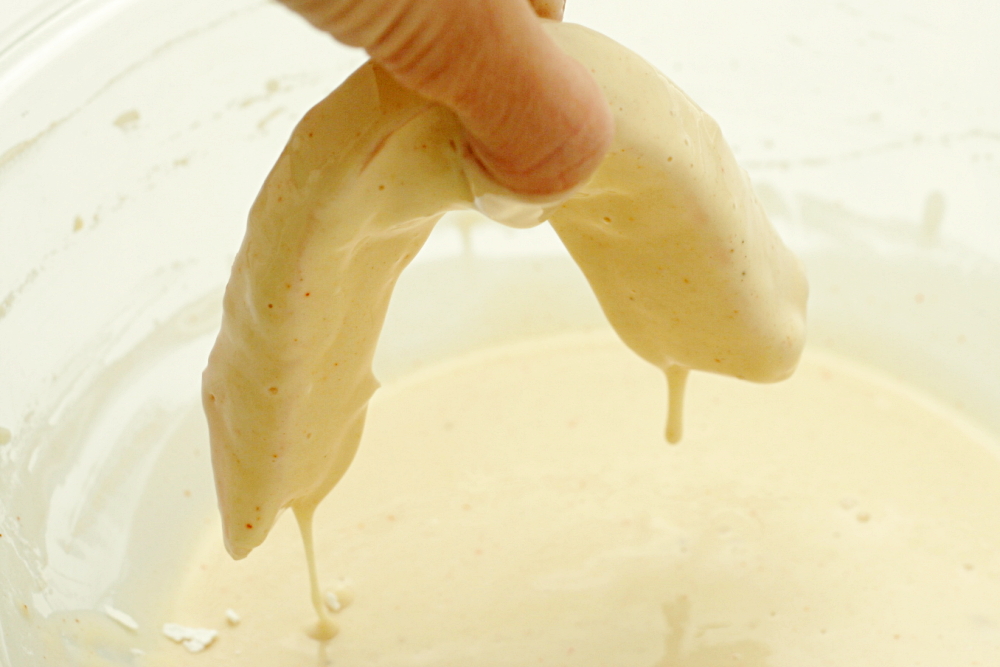
Which isn’t as easy as it might sound. The tricky part seems to be getting the coating to stick to the fish – the first few recipes I tried, one of which was by the usually very dependable Cooks Illustrated, didn’t seem to work. When Cooks Illustrated fails me for classic recipes, I usually go to Alton Brown.

copy-of-img_9316

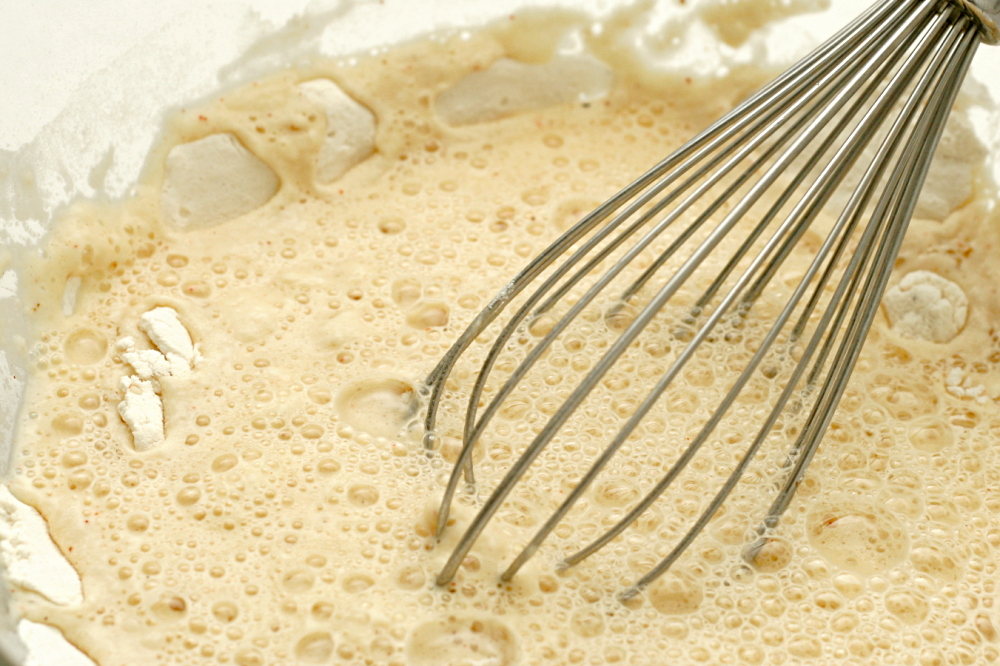
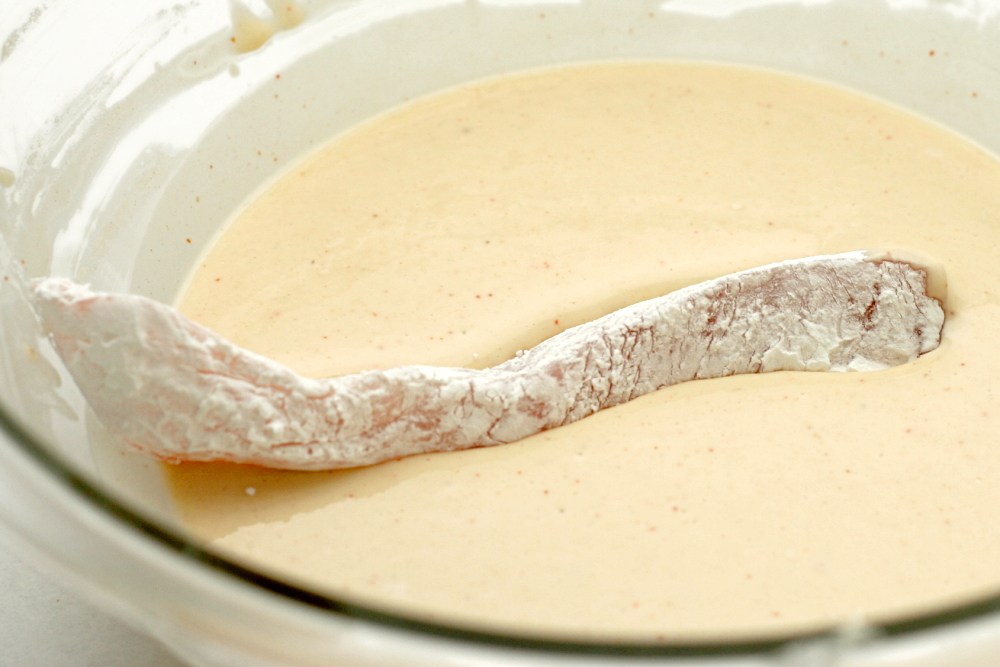
Like most beer-battered fish recipes, Alton’s batter is made with flour, baking powder, seasoning, and beer. The batter is allowed to rest before being used, which isn’t standard in beer-battered fish recipes, but also isn’t unheard of. The fish are dredged in cornstarch before being coated in batter and fried.

copy-of-img_9318

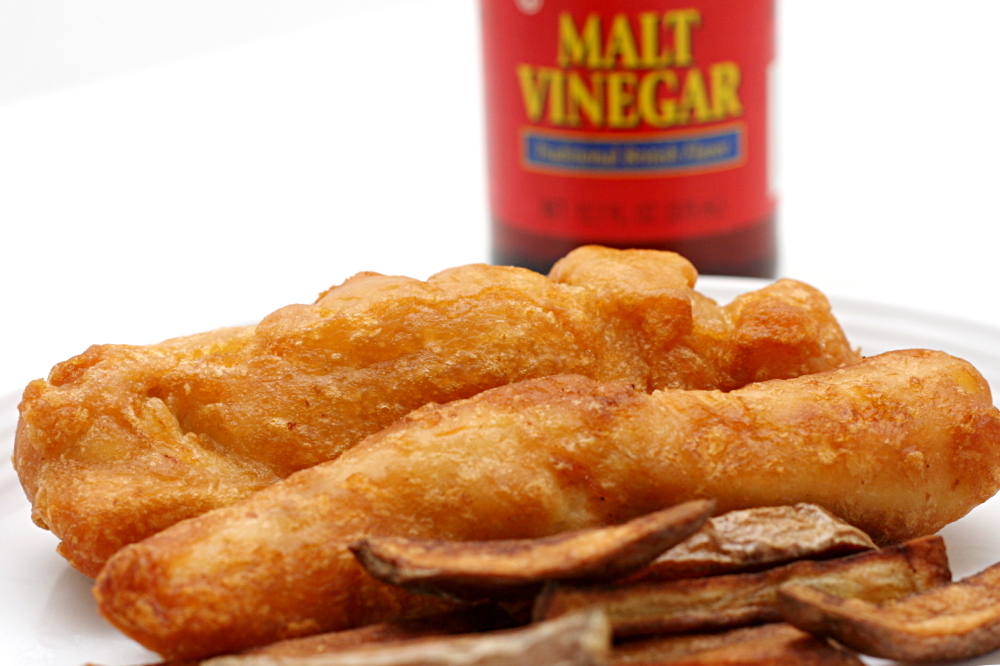
The result was great fried fish! The coating not only clung to the fish like it’s supposed to, it was crispy and flavorful. The fish was cooked through while being tender and flaky. The only problem with this meal was that it wasn’t followed by chocolate lumpy bumpy, but I could say that for most meals.

copy-of-img_9323

One year ago: Cream Cheese Brownies

Beer-Battered Fish (ever-so-slightly adapted from Alton Brown)

Serves 4-6

I did not make and have not tried Alton’s chips recipe, so I’m not including it here. You can find it on the same webpage as his fish recipe.

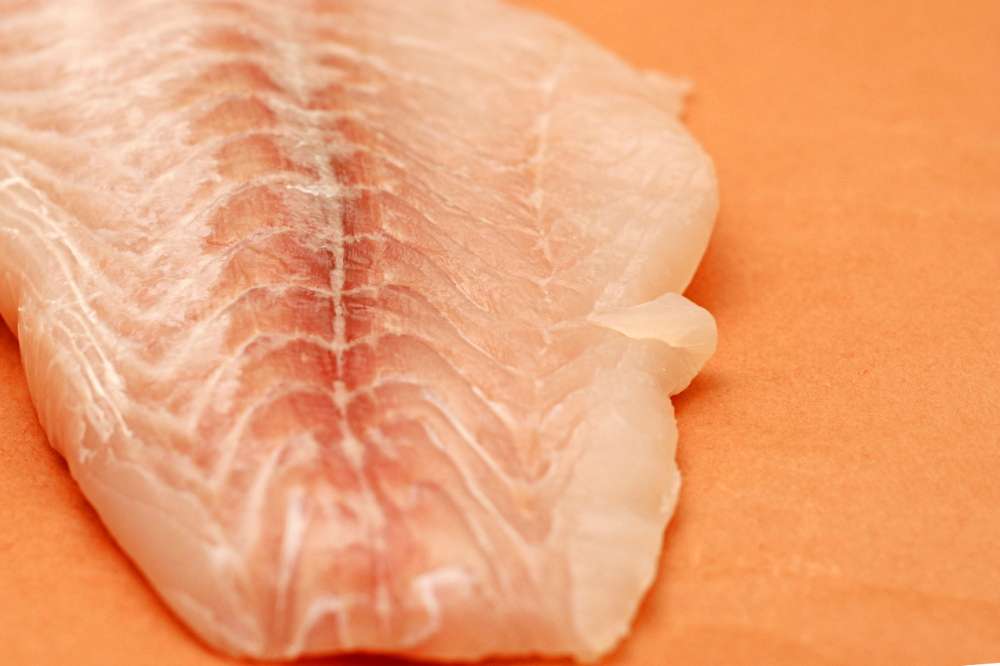
I think I used red snapper, but I actually made this quite a while ago and can’t remember. Does the picture look like red snapper?

1 gallon vegetable, canola, or safflower oil
2 cups flour
1 tablespoon baking powder
1 teaspoon kosher salt
¼ teaspoon cayenne pepper
Dash Old Bay Seasoning
1 bottle brown beer, cold
1½ pounds firm-fleshed whitefish (tilapia, pollock, cod), cut into 1-ounce strips
Cornstarch, for dredging
Malt vinegar, for serving

Heat oven to 200F.

Heat the oil in a 5-quart Dutch oven over high heat until it reaches 350 degrees.

In a bowl, whisk together the flour, baking powder, salt, cayenne pepper, and Old Bay seasoning. Whisk in the beer until the batter is completely smooth and free of any lumps. Refrigerate for 15 minutes. Note: The batter can be made up to 1 hour ahead of time.

Lightly dredge fish strips in cornstarch. Working in small batches, dip the fish into the batter and immerse in the hot oil. When the batter is set, turn the pieces of fish over and cook until golden brown, about 2 minutes. Drain the fish on a wire rack set over a baking sheet. Keep the fried fish in the warmed oven while you cook the remaining batches. Serve with malt vinegar.

copy-of-img_9327

caramel crunch bars

copy-of-img_2148

I haven’t missed a Tuesday with Dorie since I joined the group last April. There were a few times, when I was traveling or something, where it was close, but for the most part, it’s been easy. I never really understood what the big deal was with people who only made half the recipes. It’s not like I wouldn’t be baking every chance I got anyway.

copy-of-img_2124

Oh, did I mention that I was unemployed for most of the last year, and had an easy part-time job for the remainder? Yeah, that makes a difference. Everything seems so easy when you don’t have to actually work.

copy-of-img_2127

Now that I have a much more demanding job, I’m getting each TWD recipe done just by the skin of my teeth. I’ve gotten in the habit of finishing the recipes Monday night, and I’m lucky if I can get the blog entry done by the end of Tuesday.

copy-of-img_2130

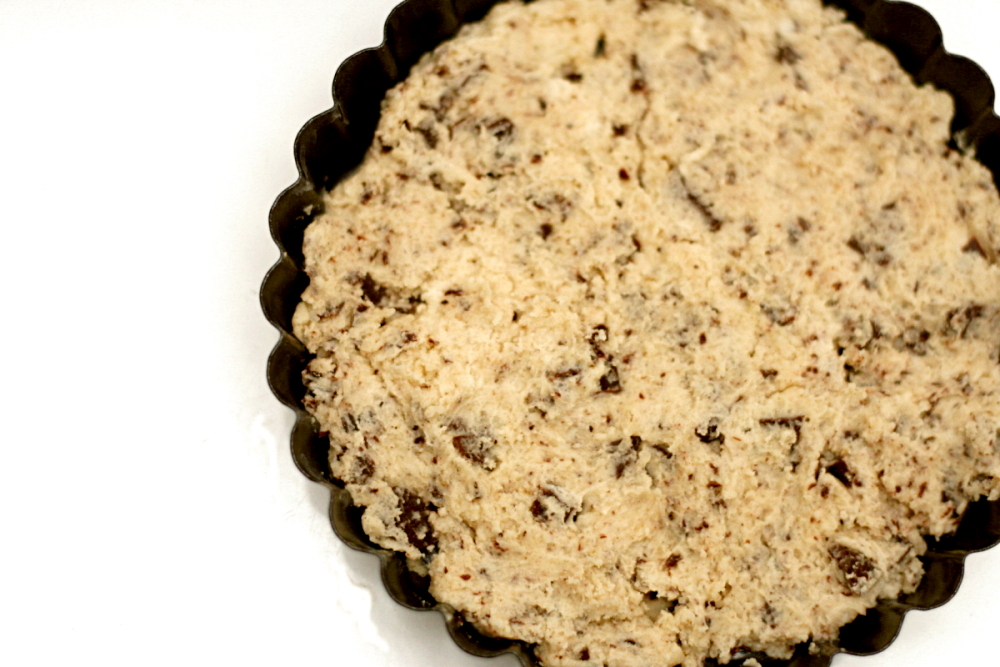
As I’m more rushed to finish each recipe, I find myself diving into the baking before I read it through. I was halfway through making these before I realized that they were basically fancied-up chocolate chip cookies. Woohoo!

copy-of-img_2135

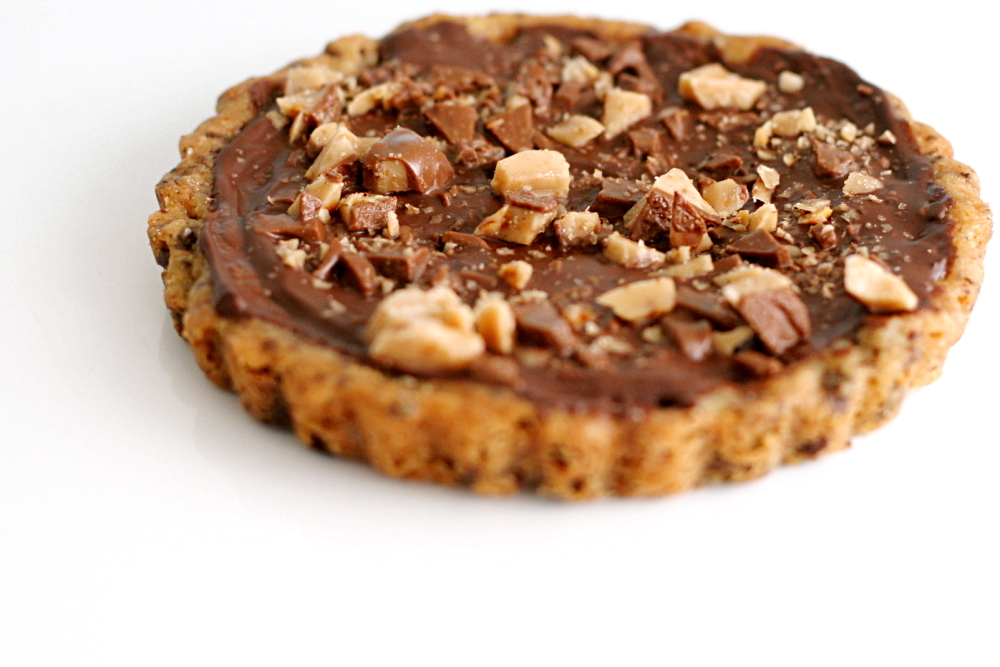
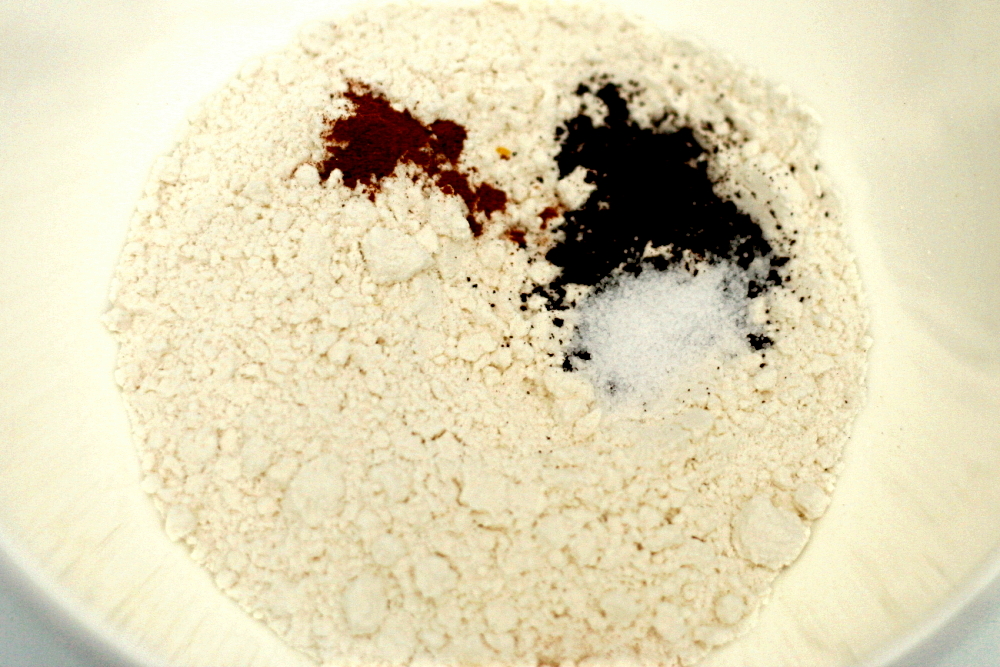
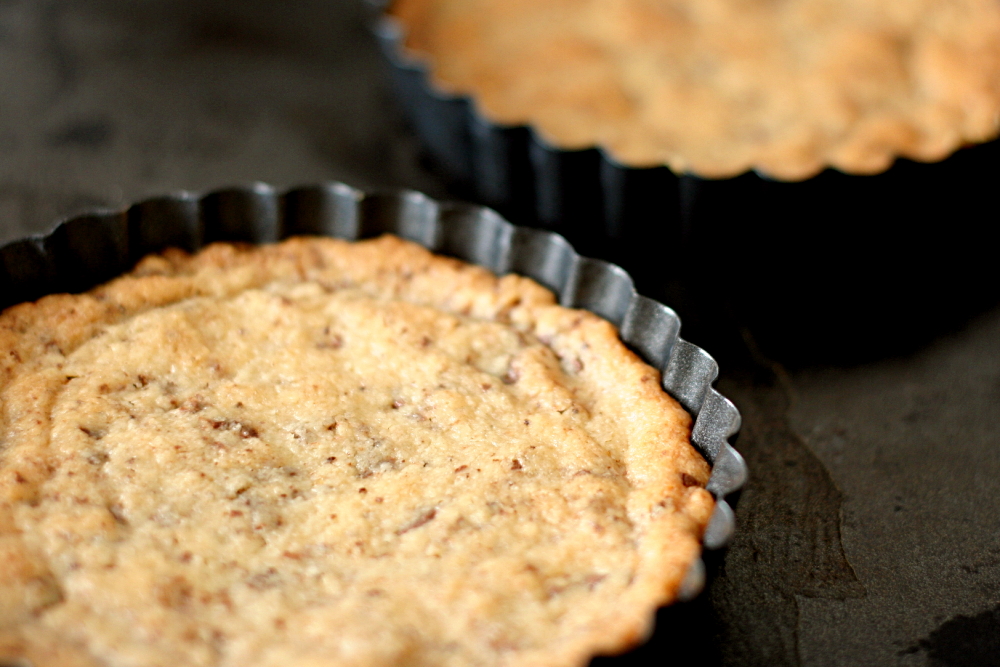
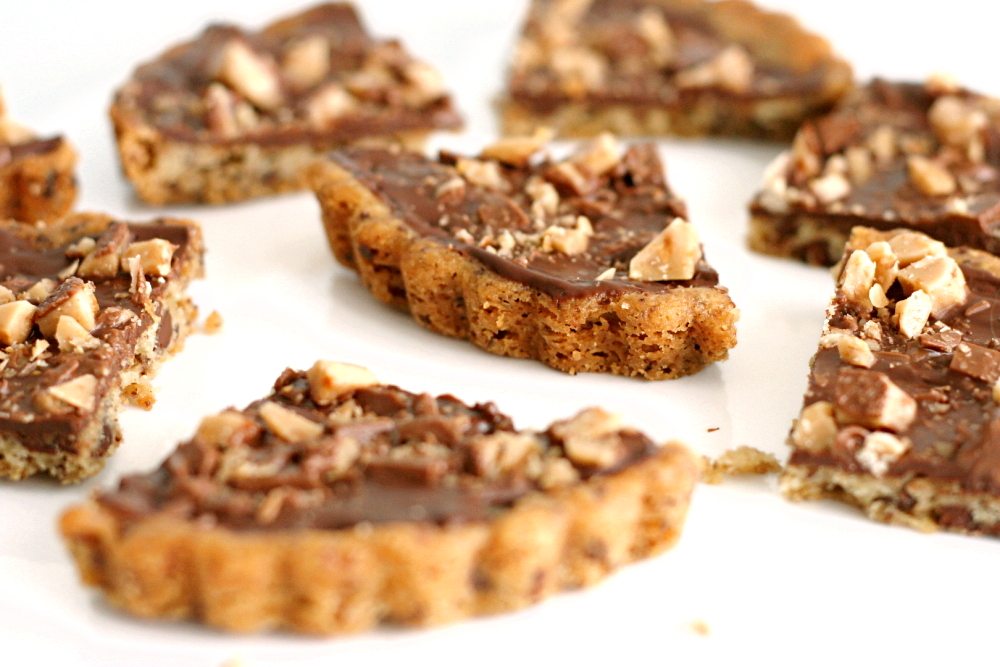
The base is a cinnamon- and espresso-enriched shortbread version of a chocolate chip cookie. Once that’s baked, it’s topped with finely chopped chocolate that quickly melts, then finished off with toffee bits. The cinnamon and espresso were pretty subtle – I couldn’t pick them out, but there was a little spice in the cookie. Overall, I really enjoyed these and wouldn’t change anything next time I make them.

Whitney has the recipe posted.

One year ago: Challah

copy-of-img_2150

honey yogurt dip

copy-of-img_1756

Dave and I, for better or worse, don’t have the types of jobs that we can just forget about when we leave work at the end of the day. As a result, we often have to work on weekends. One particularly stressful weekend, I decided that we should make weekend working an event, where we set aside a few hours to sit down at the table together and get our work done. And what I really mean when I say ‘event’ is that I want snacks.

copy-of-img_1653

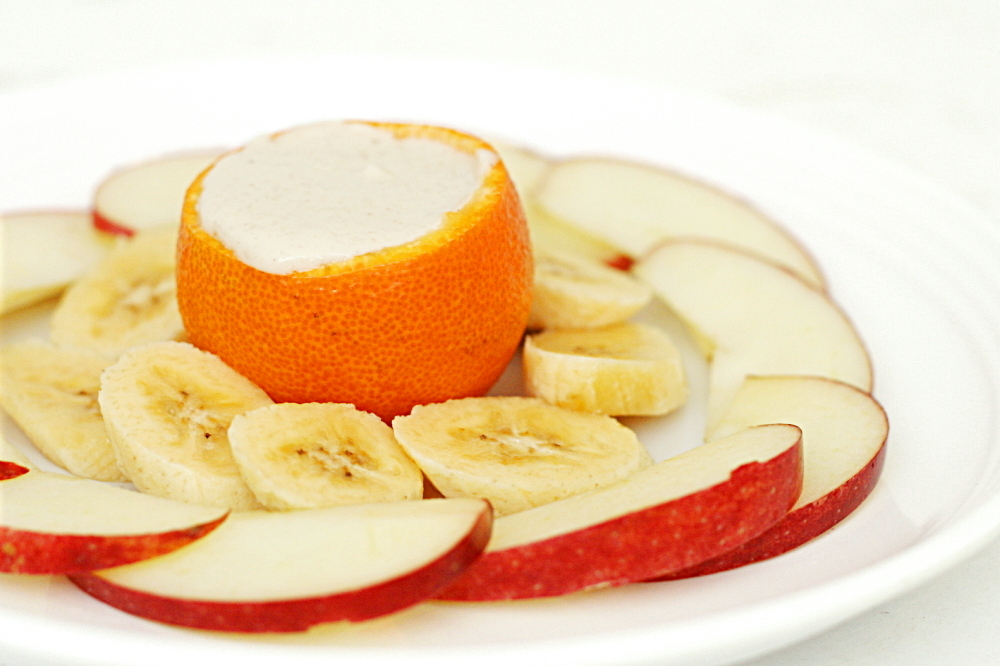
Since we were being industrious and working, it made sense to keep the snacks on the healthy side. Plus they were replacing dinner, so they needed to be nutritionally well-rounded. This fruit dip was exactly what I was looking for – easy, healthy(ish), and finger-food friendly.

copy-of-img_1644

Calling this a recipe may be overstating things a bit – it’s really just yogurt sweetened with honey and enhanced with a pinch of cinnamon. The original recipe recommended vanilla yogurt, but a number of the reviewers indicated that the result was too sweet. Another common complaint was that the dip was too thin. I thought using Greek yogurt would solve both problems at once.

copy-of-img_1651

It was a good change apparently, because the dip was perfect – fresh and light, plus just a little spicy from the cinnamon. It enhanced our fruit without overpowering it. Unfortunately, the dip was a lot more successful than working was for me that weekend – I found myself all too easily distracted. But at least I was eating fruit, right?

copy-of-img_1750

One year ago: Green Chile Chicken Enchiladas

Yogurt Honey Dip (adapted from Bon Apetit July 1998, but really epicurious.com)

Makes about 1 cup, or 4 servings

I have to admit that I didn’t measure anything when I made this. It’s pretty much a to-taste thing anyway, just keep in mind that the flavor of the cinnamon didn’t really come through until the dip had been chilled for a few hours.

1 (7-ounce) container plain Greek yogurt
3-4 tablespoons honey
1/8-¼ teaspoon ground cinnamon

Mix the ingredients together. Cover and chill for at least 2 hours or up to 2 days. Serve with fresh fruit.

copy-of-img_1751

vegetarian chili

copy-of-img_1785

When my sister plans meals for once-a-month freezer cooking, she usually tests a small batch of a recipe before making a larger batch to freeze. This is good practice, I recently learned. A few months ago, I made vegetarian chili to bring on a camping trip, and even though I was experimenting with the recipe, I was confident enough that it would turn out great that I made a huge batch and froze half. Mistake!

copy-of-img_1768

There are a lot of recipes where I think ground meat is just extraneous, and chili is a great example. There are so many other flavorings in chili that it doesn’t usually taste beefy, and the beans provide plenty of protein, so the meat isn’t nutritionally required either. It’s just filler, and expensive, sort of unhealthy filler at that.

When I noticed that my favorite vegetarian chili recipe was very similar to my favorite beef chili recipe, except for the beef, I decided to combine parts of each that I liked. Where I screwed up the first time was in not taking into account that with less filler, I’d need less tomatoes as well. The result was (a huge pot of) chili-flavored spaghetti sauce (that I had to share with friends on the camping trip – sorry guys!).

copy-of-img_1787

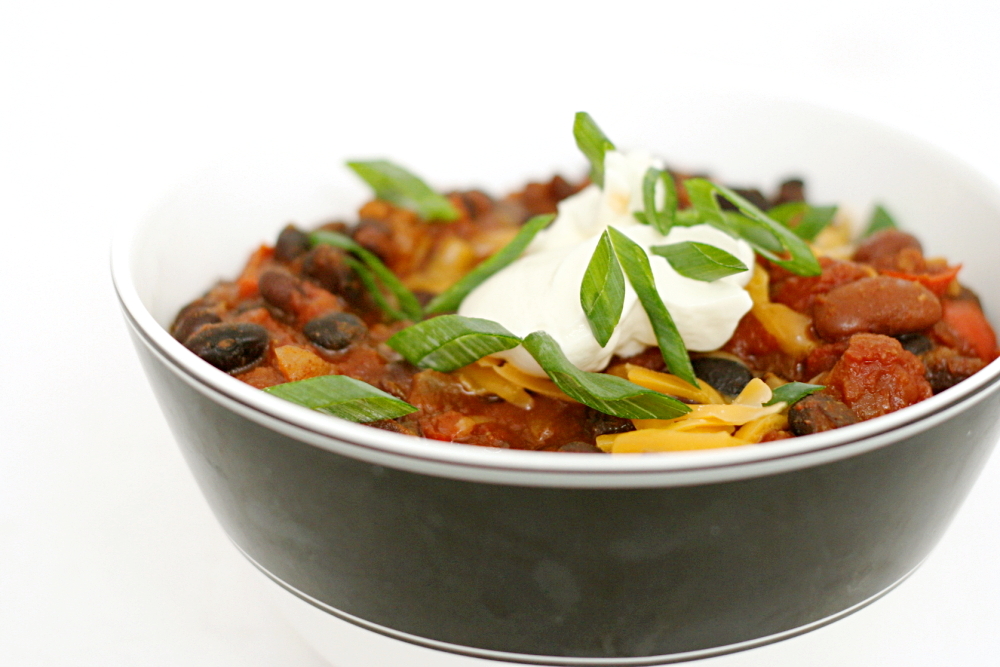
And before I could give it another try, I had to finish all of the frozen way-too-tomatoey stuff in the freezer. When I did finally make vegetarian chili again, I knew exactly what changes I wanted to make. I made a smaller batch this time, just in case, but wouldn’t you know it that I totally nailed it this time with a rich, spicy, meaty-even-without-meat bowl of chili that gets even better when topped with an assortment of garnishes.

copy-of-copy-of-img_1786

One year ago: Salmon Cakes, Flaky Biscuits, Hashed Brussels Sprouts – I made almost this exact same meal again recently (different biscuits though), and it’s just so good.  Restaurant quality food for sure.

Vegetarian Chili (adapted substantially from Jeanne Lemlin’s Vegetarian Classics and Cooks Illustrated’s The New Best Recipe)

I like to chop up the tomatoes a bit before adding them to the chili. I usually just stick a pair of kitchen shears into the can of tomatoes and start snipping.

I’ve never actually added the butter, in an effort to reduce the fat in the recipe. However, I’m guessing it helps mimic the richness that beef would provide.

2 tablespoons olive (or vegetable) oil
2 medium onions, diced
1 medium red bell pepper, cored, seeded, and finely diced
6 garlic cloves, minced or pressed through a garlic press
3 tablespoons chili powder
1 tablespoon ground cumin
1½ teaspoons ground coriander
¾ teaspoon red pepper flakes
1 teaspoon dried oregano
⅛ teaspoon cayenne pepper
1 (28-ounce) can diced tomatoes, undrained
2 (15-ounce) cans kidney beans, drained and rinsed
1 (15-ounce) can black beans, drained and rinsed
½ teaspoon salt
1 tablespoon soy sauce
1 tablespoon butter (optional)
Garnishes: lime wedges, sour cream, cheddar cheese, scallions, red onion, cilantro

1. Heat the oil in a large Dutch oven over medium heat. Stir in the onions, bell pepper, garlic, and spices and sauté, stirring occasionally, until the vegetables are softened and beginning to brown, about 10 minutes.

2. Add the tomatoes, beans, salt, and soy sauce. Increase the heat to medium-high and bring the chili to a boil, then reduce the heat to low. Cook, covered, at a low simmer for one hour, stirring occasionally. If the chili is too thin, cook uncovered until it’s your preferred consistency. Stir in the butter and serve with the garnishes.

devils food white out cake

copy-of-img_2027

You know what the best thing about this cake was? No worries about getting crumbs in the frosting!

copy-of-img_2016

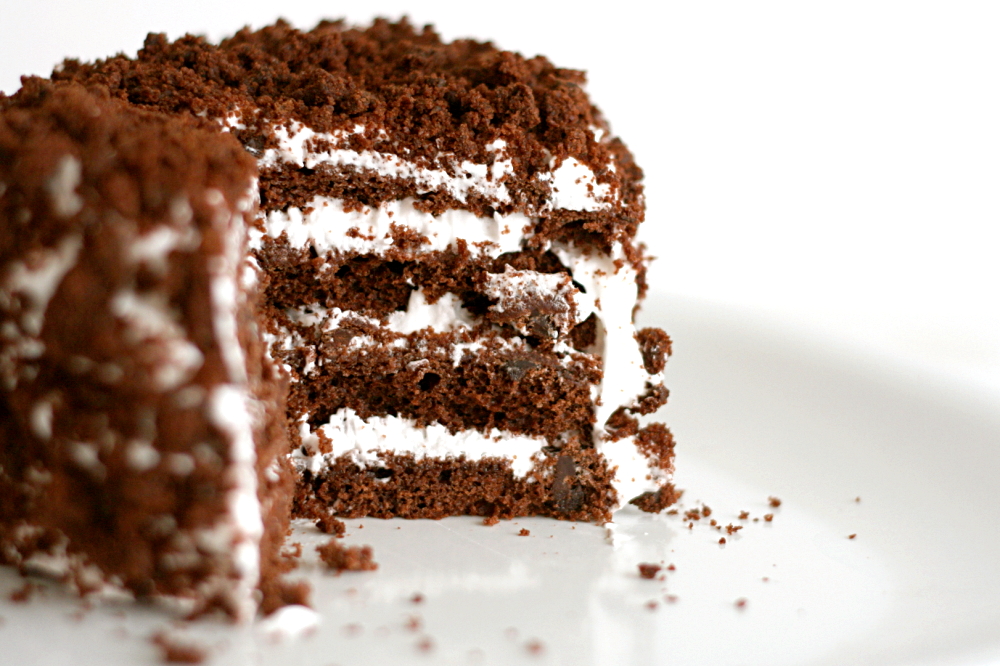
But really the best thing was the rich chocolate cake layered with fluffy vanilla frosting, which pretty much sums up my favorite dessert. I used to get it all the time in college at my favorite dessert café.

copy-of-img_2013

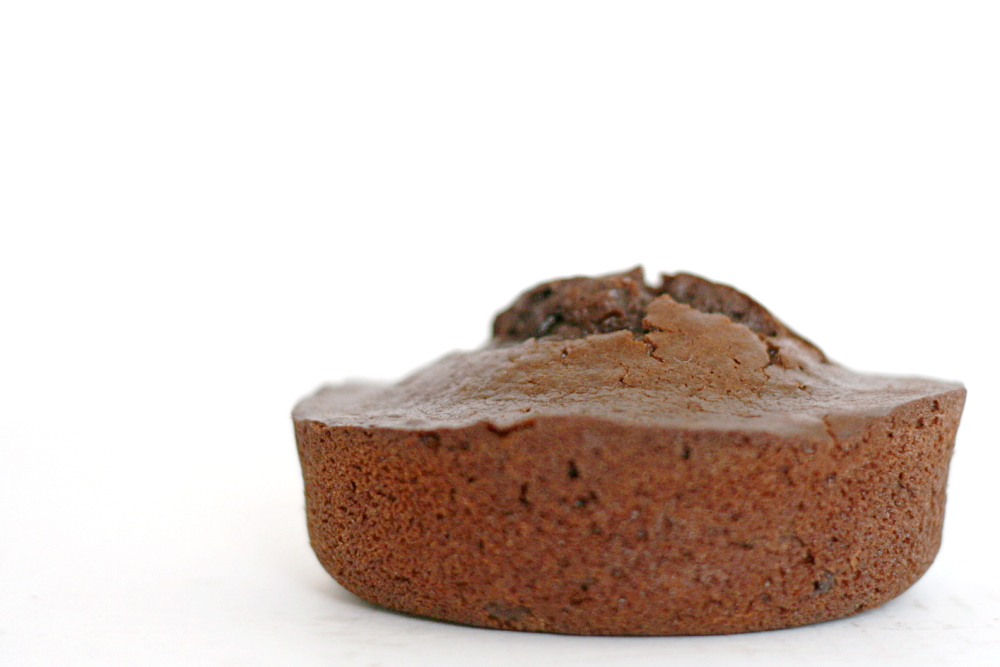
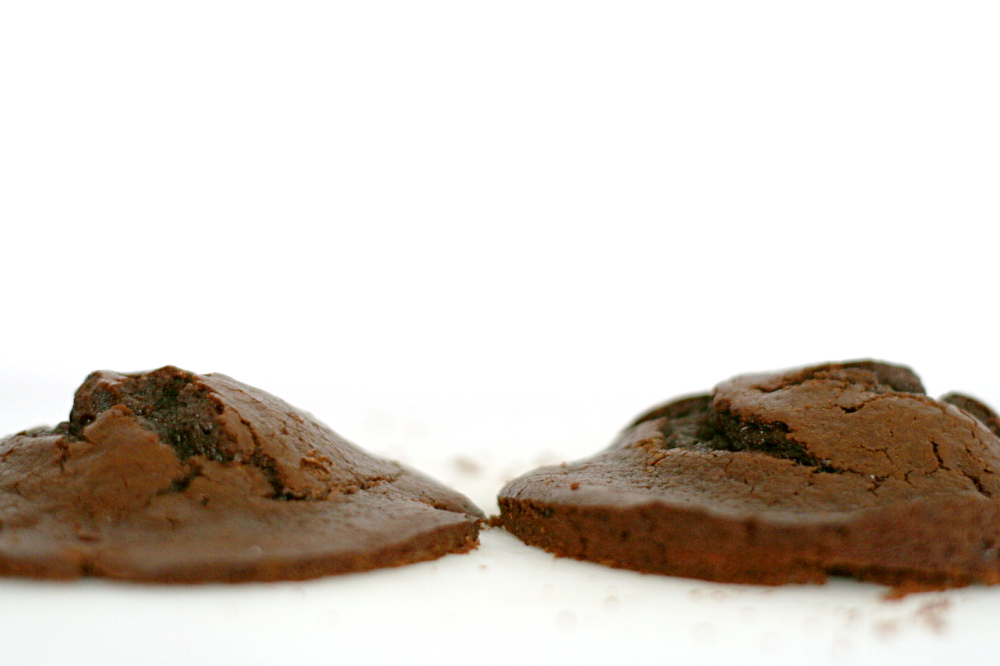
I made one third of the cake recipe in pans large enough to hold one quarter of the recipe, because I heard that there was some problems with the cake not rising. My cakes seemed to rise okay. But clearly I need to wrap a wet towel around the pans or invest in the magic cake strips for these little pyrex pans, because I always end up with the weirdest shaped cakes when I use them.

copy-of-img_2018

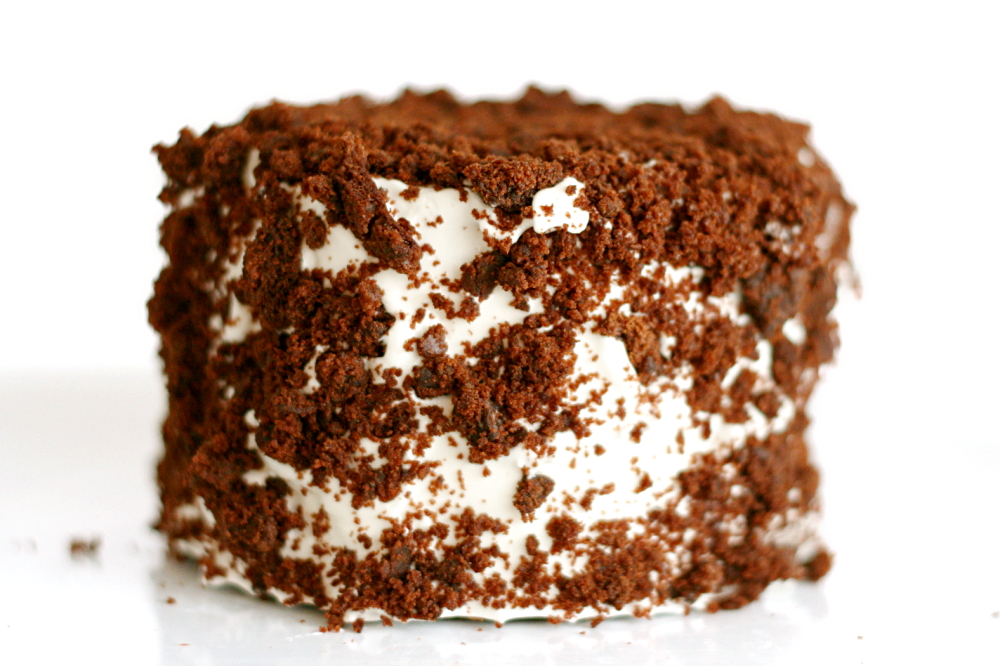
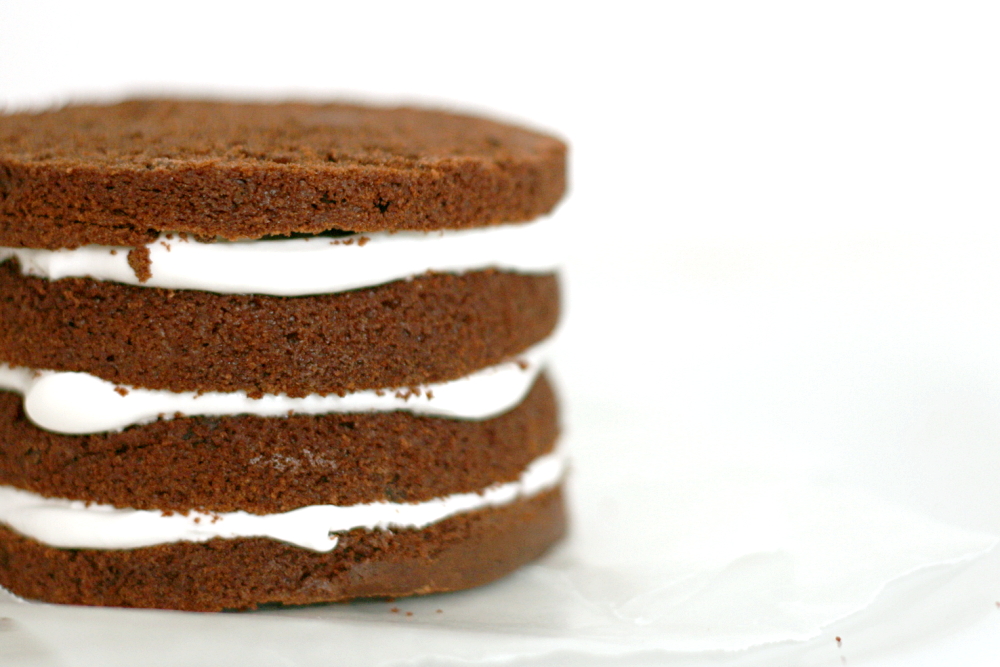
I was supposed to cut the cake layers in half and crumble one of the layers, but with such domed tops that I’d have to cut off anyway, it seemed like a shame to crumble a whole layer in addition. Instead, I made my cake four layers instead of three and just used the crumbs from the evened out tops to decorate the outside.

copy-of-img_2019

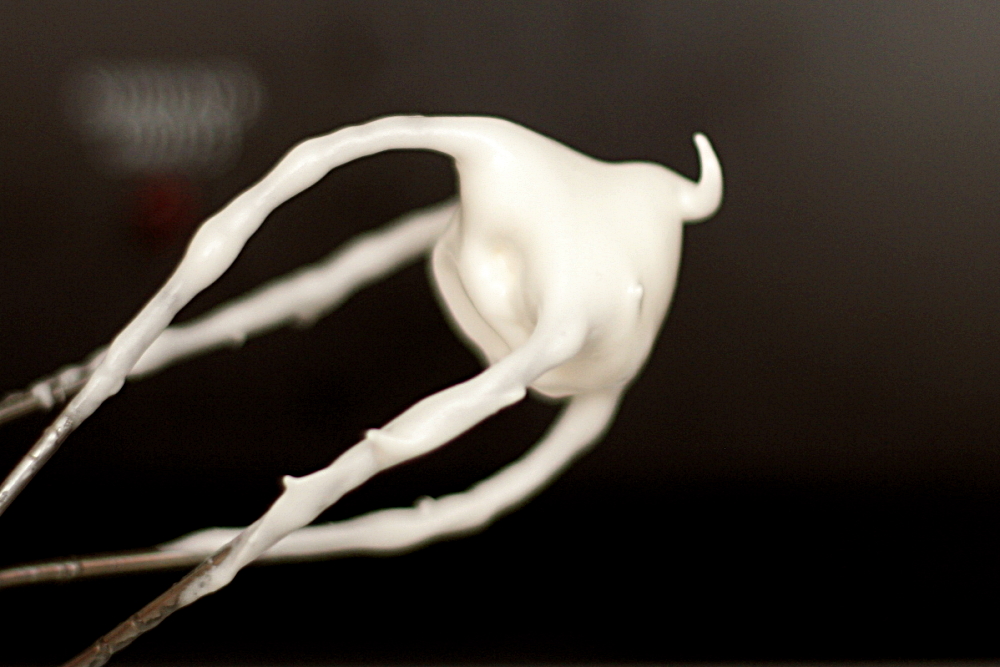
I don’t have much experience with this marshmallowy type of frosting, but I really liked it with this cake. I love meringue anyway – I love the feel of all the little bubbles popping in my mouth. I added a pinch of salt to the frosting to cut the sweetness a little. Also, bonus – fat free frosting!

Altogether, this was a great cake. Stephanie, who chose this recipe for Tuesdays with Dorie, has the recipe posted.

copy-of-img_2030