pot roast

copy-of-img_1993
Dave and I don’t eat a lot of beef; in fact, this is only the fourth beef recipe on my site. To us, there are environmental factors to consider with eating beef, as well as humanitarian, health, and cost issues. Plus we just plain like vegetarian food. So when we had pot roast in some form or another for dinner three out of four days last week, Dave was starting to question me. I blamed Kevin, who not only made a delicious-looking pot roast recently, but then made sandwiches and soup out of the leftovers, both of which I wanted to try.
copy-of-img_1933

I got the pot roast recipe from Cooks Illustrated. I hadn’t made one of their recipes in a while, and I found that I missed pulling out their huge cookbook and turning the pictureless pages full of recipes that promise to teach me something as well as taste wonderful.
copy-of-img_1938

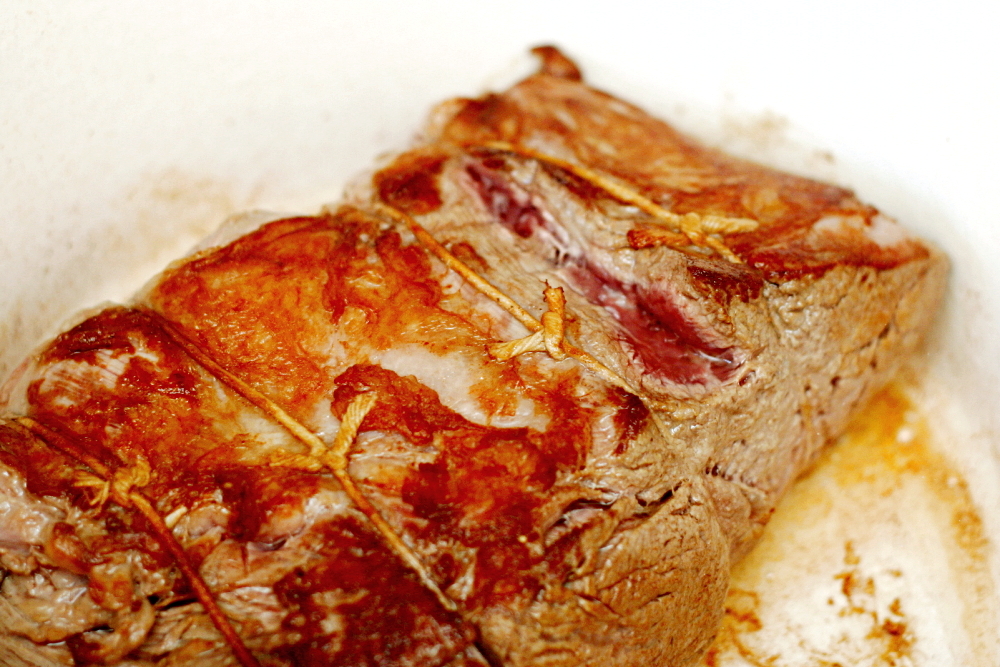
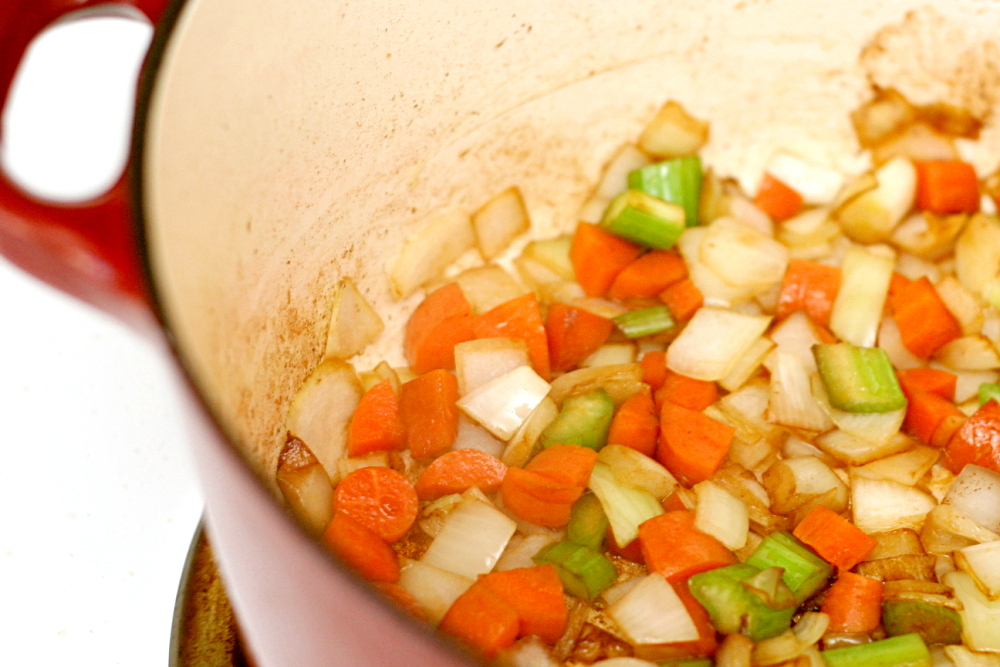
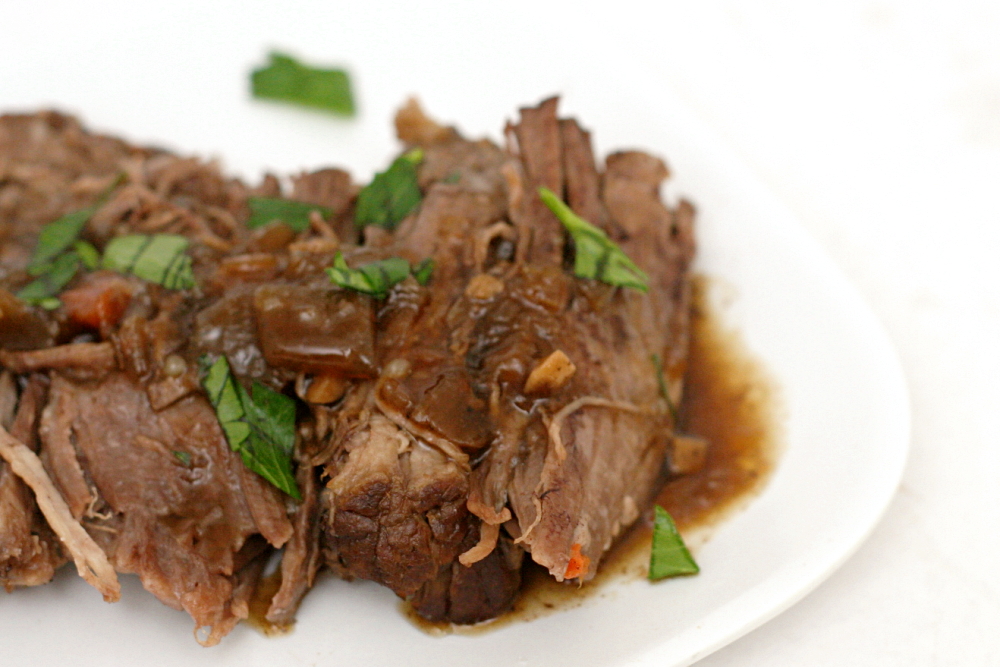
For their pot roast, they brown the meat in a very hot Dutch oven, then sauté some vegetables and use broth to deglaze the pan. Then everything is cooked in the oven for four hours. They mention in their discussion about the development of the recipe that they tried adding red wine with the broth and found that it was good, but it wasn’t really pot roast. True – it’s beef in Barolo (or it would be if you were to use Barolo, which I never would because it’s too expensive), which I happen to love. So I added some red wine with the broth. When the roast is so soft it’s falling apart, it’s removed from the pot and the remaining liquid is boiled down to a sauce.
copy-of-img_1988

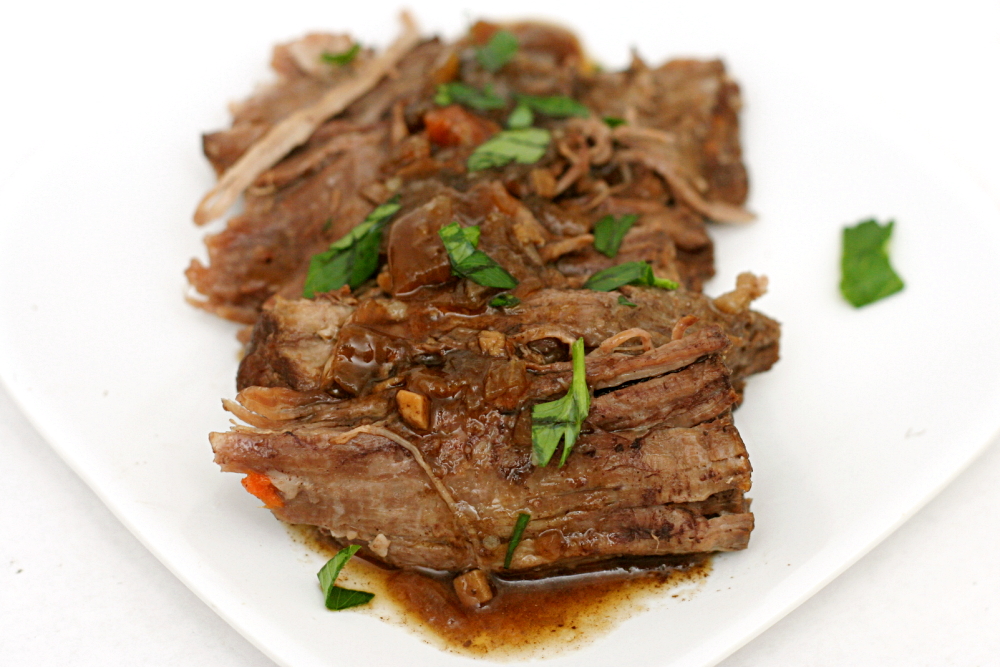
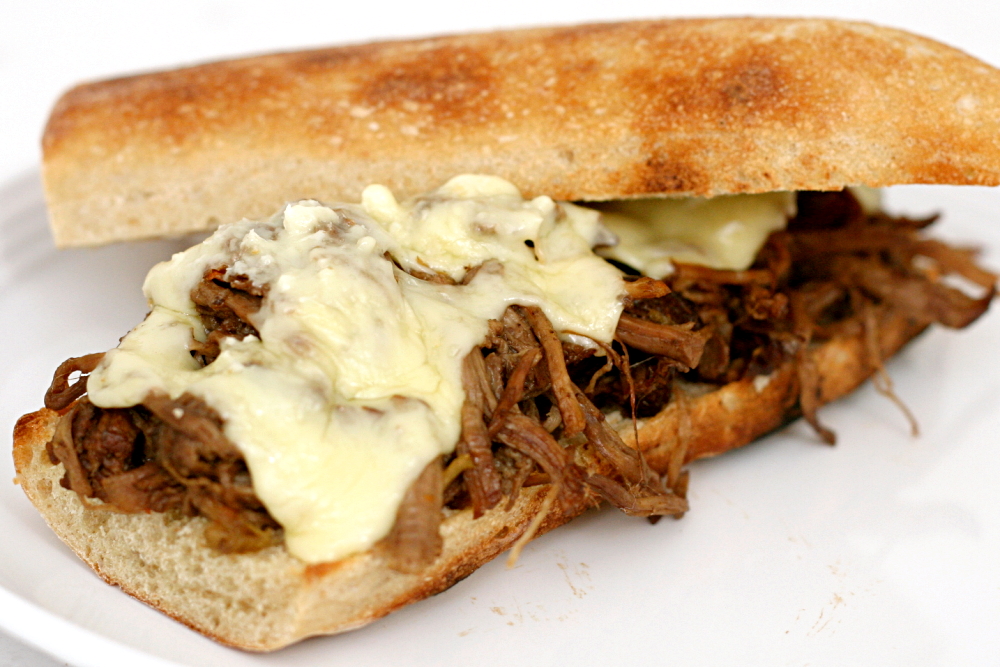
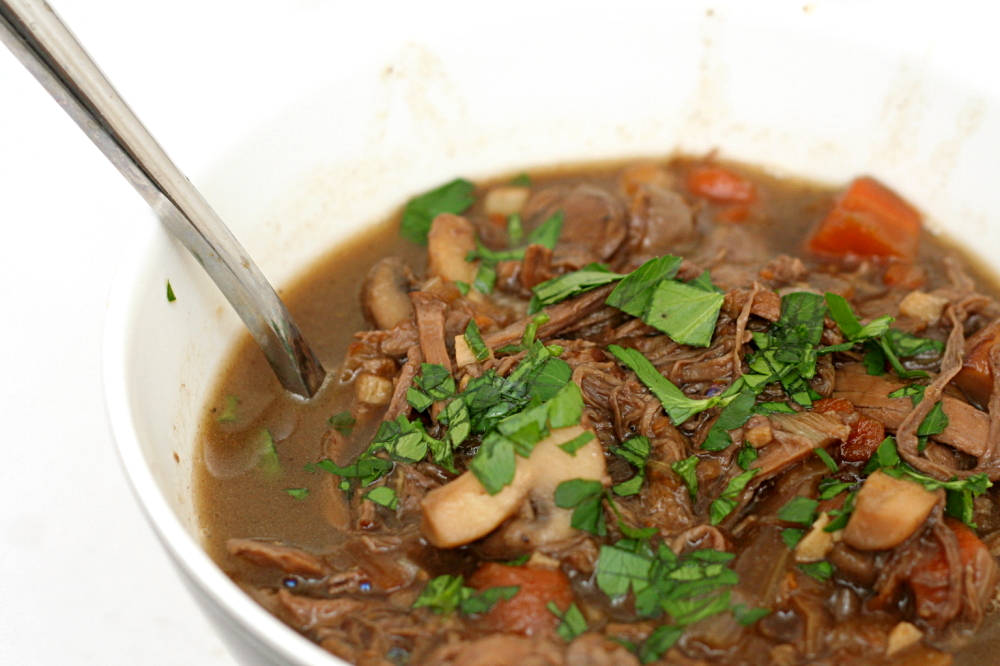
Oh my gosh, it was so good. I served it with boiled new potatoes and glazed carrots, and it was a meal that I couldn’t get enough of. Two days later, I put the meat and some sauce on pain a l’ancienne with swiss cheese and horseradish to make great sandwiches. The day after that, I added it, along with the rest of the sauce and some diluted chicken broth, to a pan of sautéed onions and mushrooms for a really good pot roast soup.

Because we don’t eat beef often, when we do, we like it to be a treat. This certainly was.
copy-of-img_2000

One year ago: Salmon Pesto Pasta

Pot Roast (from Cooks Illustrated)

Serves 6-8

Cooks Illustrated recommends a chuck-eye roast, which is what I used. I’ve found that it can be difficult to find though.

I added about 1/4 cup red wine with the broths.

1 boneless chuck roast (about 3½ pounds)
salt and pepper
2 tablespoons vegetable oil
1 medium onion, chopped
1 small carrot, chopped
1 small celery rib, chopped
2 cloves garlic, minced
2 teaspoons sugar
1 cup canned low sodium beef broth
1 cup low-sodium chicken stock
1 sprig fresh thyme
¼ cup dry red wine

1. Adjust an oven rack to the middle position and heat oven to 300F. Thoroughly pat the roast dry with paper towels; sprinkle generously with salt and pepper.

2. Heat the oil in a large heavy-bottomed Dutch oven over medium-high heat until shimmering but not smoking. Brown roast thoroughly on all sides, reducing heat if fat begins to smoke, 8-10 minutes. Transfer the roast to a large plate; set aside.

3. Reduce the heat to medium; add onions, carrots, and celery to pot and cook, stirring occasionally, until beginning to brown, 6-8 minutes. Add the garlic and sugar; cook until fragrant, about 30 seconds. Add the chicken and beef broths and thyme, scraping the bottom of the pan with a wooden spoon to loosen the browned bits. Return the roast and any accumulated juices to the pot; add enough water to come halfway up the sides of the roast. Bring the liquid to a simmer over medium heat, then cover tightly and transfer the pot to oven.

4. Cook, turning the roast every 30 minutes, until fully tender and a meat fork slips in and out of meat very easily (3½-4 hours). Transfer the roast to a carving board and tent with foil to keep warm.

5. Allow the liquid in the pot to settle about 5 minutes, then use a wide spoon to skim fat off the surface; discard thyme sprig. Boil over high heat until reduced to about 1½ cups, about 8 minutes. Add the red wine and reduce again to 1½ cups, about 2 minutes. Season to taste with salt and pepper.

6. Cut the meat into ½-inch slices, or pull apart in pieces; transfer the meat to a warmed serving platter and pour about ½ cup sauce over the meat. Serve, passing remaining sauce.

copy-of-img_1991

red velvet cake comparison

copy-of-img_1985

I started thinking about a Valentine’s Day blog post as soon as I pulled these heart-shaped silicone baking cups out of my Christmas stocking. And if you’re making heart-shaped cupcakes, they should be bright red. And if you’re making heart-shaped bright red cupcakes, they should be covered in heart-shaped pink and red sprinkles. My philosophy toward Valentine’s Day is, if you’re going to do it, overdo it.

copy-of-img_1789

What’s weird is that the closest I can remember to eating red velvet cake is these whoopie pies that I made a couple months ago. In fact, I didn’t even know that red velvet cake existed until college, when one of my professors told me a story about someone throwing it up on her carpet and the stain never coming out.

copy-of-img_1791

My lack of red velvet cake experience is even stranger considering that my mom was recently telling me about a great recipe that my grandmother has for it. My sister made that recipe recently and said it was a little dry, but she’s baking at high altitude, which makes cakes prone to problems. I wanted to give the recipe a try myself.

copy-of-img_1808

But Deb has a recipe she recommends as well, and I’ve had very good experiences with almost everything I’ve made from her site. And Kelsey describes herself as a red velvet cake enthusiast, and she recently found a recipe she loves. And Cooks Illustrated (via Cooks Country, their slightly less OCD magazine) has a recipe, and in general their stuff is worth trying.

copy-of-img_1797

Four recipes, all highly recommended from trusted sources. There was no good way for me to choose just one, so this seemed like a perfect opportunity to spend an entire evening baking something as simple as cupcakes do a recipe comparison.

copy-of-img_1803

Before I discuss detailed comparisons between each, let me cut to the chase and tell you that every single cake was really good, both in taste and texture. There were differences, but they were subtle. Dave and I had a hard time choosing favorites. That being said, once I ate enough cupcakes, preferences started to emerge.

In the discussion below, I will use the following abbreviations: SK for Smitten Kitchen; G for my grandmother’s recipe; AD for Apple a Day, and CC for Cooks Country.

copy-of-img_1810

Effort: None of the cakes were exceptionally difficult. AD was the simplest – the dry and wet ingredients were mixed separately, then combined in the mixer. SK and G called for the vinegar and baking soda to be mixed together before being added to the already-mixed remaining ingredients, which I’d never seen before. And G and CC call for the cocoa and food coloring to be stirred into a paste initially, which Cooks Country explains is to distribute the cocoa more evenly.

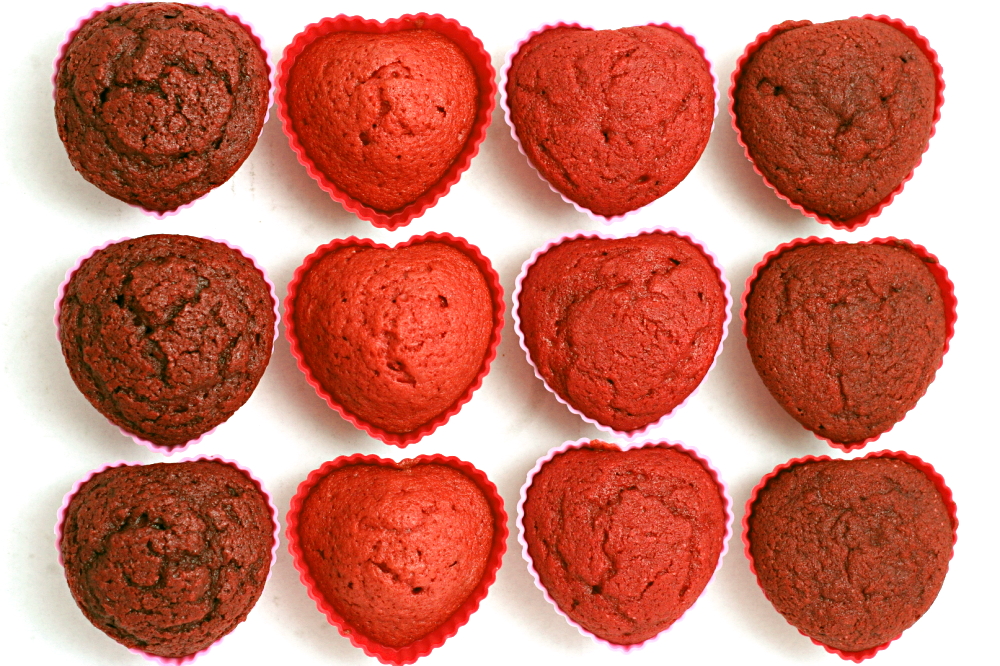
copy-of-img_1907from left to right: SK, AD, G, CC

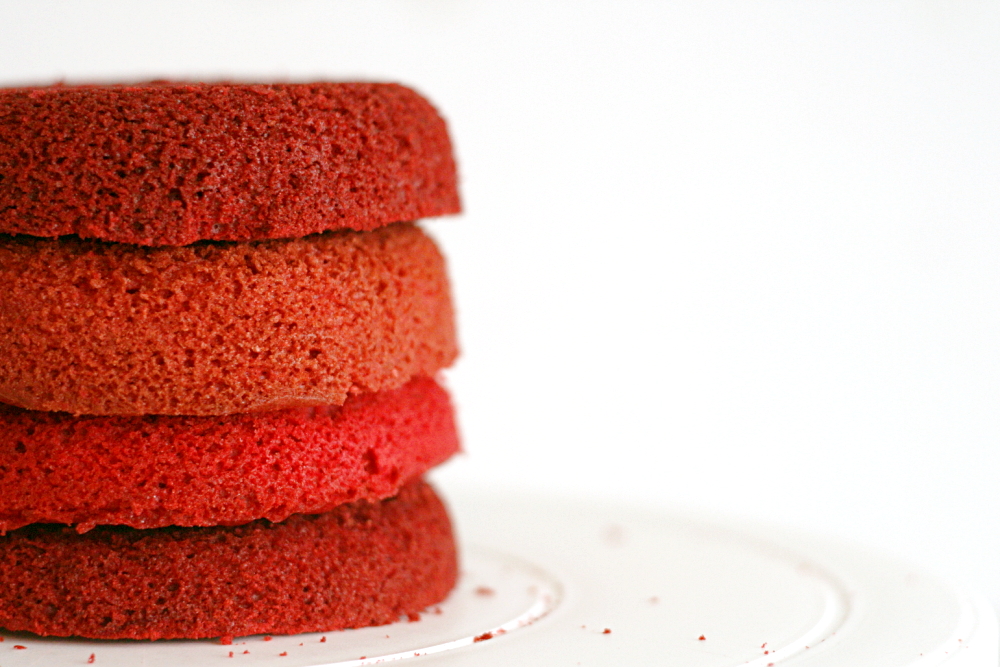
Color: While the shades of red vary, all of the cakes are definitely red. I have no preference. I should note that I used a little less food coloring in G and SK than the recipes called for, because I thought I was going to run out. Even so, I think their color is fine.

copy-of-img_1911from left to right: SK, AD, G, CC

Texture: While I wouldn’t call any of the cakes dry, G did seem less moist than the others. This isn’t surprising considering that it uses the least fat of these recipes and only a third of the fat of one of them (AD). AD and SK, both of which used oil as the fat, were perhaps a little moister than CC and G, which call for butter. None of the cakes were too dense, but SK and CC seemed especially fluffy. I was expecting a different texture in CC compared to the rest, because it was the only recipe that called for all-purpose instead of cake flour, but it wasn’t noticeable.

copy-of-img_1969

Taste: One thing that I think it important to note about Red Velvet cake, that Cooks Country clarifies in their article, is that it not meant to be a chocolate cake. The small amount of cocoa is just there to provide the red color. Unfortunately, CC’s cake was my least favorite. I think it’s because of one very small difference between their recipe and the others – the rest call for a teaspoon of salt, CC has just a pinch in it. The flavor of this cake was definitely muted compared to the others. The rest were all really good. SK calls for over twice as much cocoa as the others, which was enough so that I could actually taste a little chocolatiness. I like chocolate of course, but in this case, it masked that classic Red Velvet tanginess. AD and G tasted somewhat similar, but I think G had a little bit of a metallic taste to it (which I have no explanation for).

So, in the end, I choose AD (found through Kelsey’s Apple a Day and originally from Saveur) as my favorite, for its moistness, its bright, pinky red color, the ease with which it comes together, and especially its sweet but tangy flavor.

copy-of-img_1970
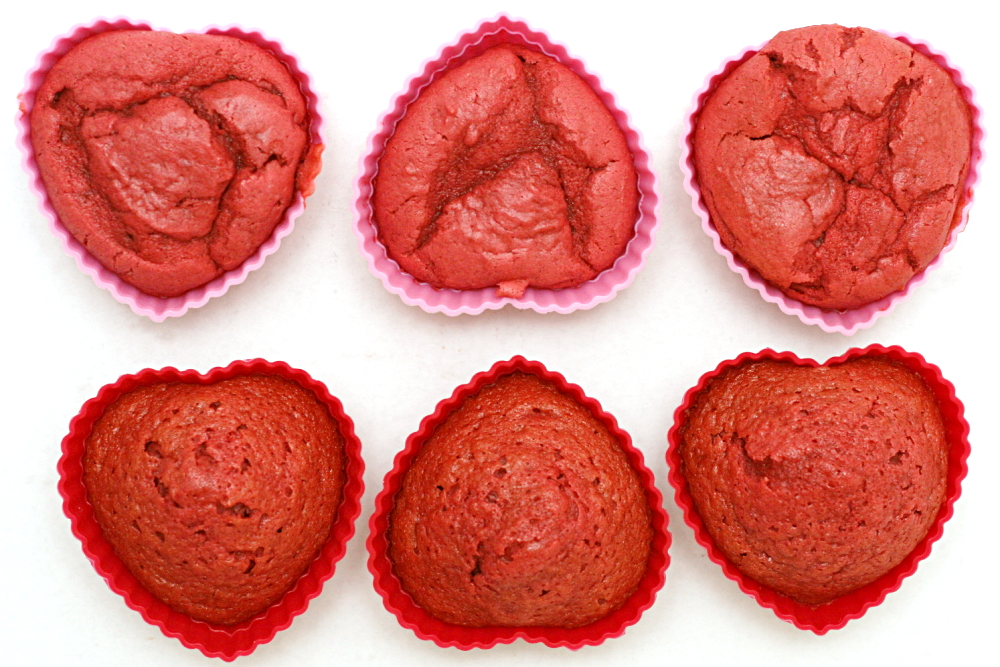
Update 2/15/09: When BMK pointed me in the direction of another oft-recommended Red Velvet cake recipe, I used amazing restraint in waiting a whole 6 hours before I tried it. The Pastry Queen’s recipe uses butter instead of oil as the fat, and it includes sour cream. Other than the sour cream and calling for both all-purpose and cake flour, the ingredient list was similar to the other recipes I tried.

copy-of-img_2003top – Pastry Queen; bottom – Apple a Day
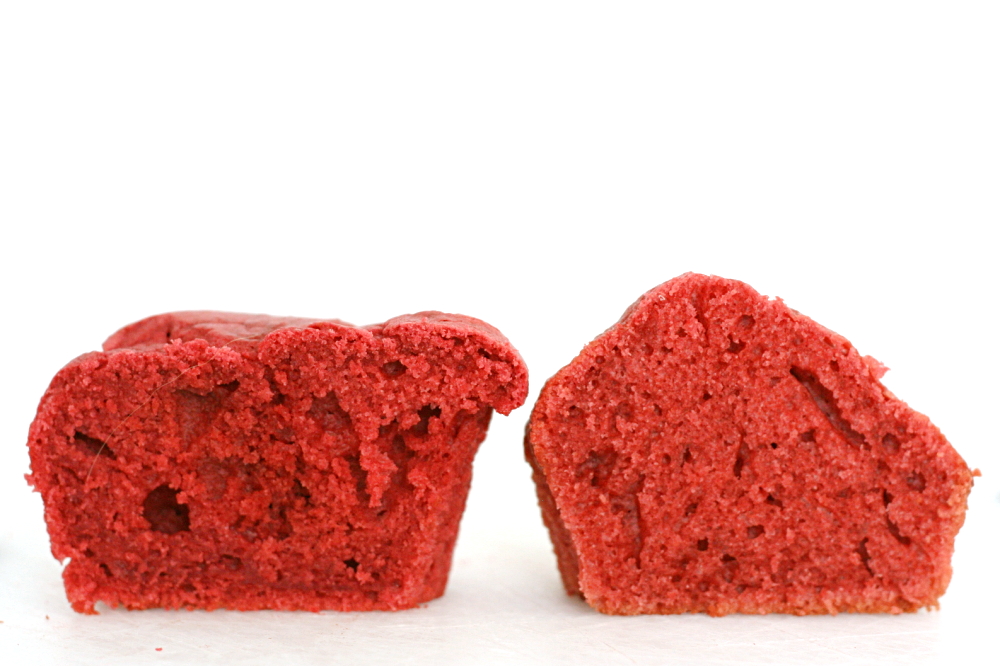
I generally prefer butter over oil in desserts, and I think sour cream makes cakes really tender, so I was pre-disposed toward liking the Pastry Queen’s cake. And it really was great – fluffy, moist, tangy, even-textured (although it doesn’t look like that here – the recipe specifically warns not to overbake the cupcakes, so of course I underbaked them). However, in the end, I still preferred the recipe from Kelsey’s Apple A Day, originally from Saveur, which also has great texture, and I like the flavor a little more. But this is definitely a personal preference – you can’t go wrong with either recipe. Next time I might experiment with using the ingredients from AD, substituting butter for the oil, and using the mixing method from the Pastry Queen’s recipe.

copy-of-img_2005left – Pastry Queen; right – Apple a Day
One year ago: A comparison of four vanilla frostings

Red Velvet Cake with Cream Cheese Frosting (from Saveur via Apple a Day)

Makes 1 8-inch 3-layer cake

After making this recipe a few times, I’m finding that it’s actually too moist from all that oil.  A number of commenters have agreed.  When I make the recipe now, I often reduce to the oil to 1 to 1¼ cups.

For the cake:
2½ cups (10 ounces) cake flour
1½ cups (10.5 ounces) sugar
1 teaspoon baking soda
1 tablespoon cocoa powder
1 teaspoon salt
2 eggs
1½ cups vegetable oil (see note)
1 cup buttermilk
2 tablespoons (1 ounce) red food coloring
1 teaspoon vanilla extract
1 teaspoon white distilled vinegar

For the frosting:
12 ounces cream cheese, softened
12 ounces butter, softened
1½ teaspoons vanilla extract
3 cups confectioners’ sugar
1½ cups chopped pecans (optional)

1. For the cake: Preheat oven to 350°.

2. Sift together flour, sugar, baking soda, cocoa, and salt into a medium bowl.

3. Beat eggs, oil, buttermilk, food coloring, vanilla, and vinegar in a large bowl with an electric mixer until well combined. Add dry ingredients and beat until smooth, about 2 minutes.

4. Divide batter evenly between 3 greased and floured 8″ round cake pans.

5. Bake cakes, rotating halfway through, until a toothpick inserted in the center of each cake comes out clean, 25-30 minutes. Let cakes cool 5 minutes, then invert each onto a plate, then invert again onto a cooling rack. Let cakes cool completely.
6. For the frosting: Beat cream cheese, butter, and vanilla together in a large bowl with an electric mixer until combined. Add sugar and beat until frosting is light and fluffy, 5-7 minutes.

4. Put 1 cake layer on a cake plate, level off with a serrated knife, and spread one-quarter of the frosting on top. Set another layer on top, level, and repeat frosting. Set remaining layer on top, level, and frost top and sides with the remaining frosting. Press pecans into the sides of the cake, if desired. **Tip: after leveling cake, turn it upside down to reduce numbers of crumbs. I also did a crumb coat on the outside, let it set for ten minutes, then finished with remaining frosting.

5. Chill for 2 hours to set frosting.

Red Velvet Cake (from Smitten Kitchen, who adapted it from “The Confetti Cakes Cookbook” by Elisa Strauss via the New York Times 2/14/07)
Bridget note: This is the frosting that I used. It was great. (I’ve never met a homemade cream cheese frosting that I didn’t like.) Also, note that this recipe makes 50% more than the others.

Makes 1 9-inch 3-layer cake

1 tablespoon unsalted butter
3½ cups (14 ounces) cake flour
½ cup unsweetened cocoa (not Dutch process)
1½ teaspoons salt
2 cups canola oil
2¼ cups (15.75 ounces) granulated sugar
3 large eggs
6 tablespoons (3 ounces) red food coloring or 1 teaspoon red gel food coloring dissolved in 6 tablespoons of water
1½ teaspoons vanilla
1¼ cup buttermilk
2 teaspoons baking soda
2½ teaspoons white vinegar.

1. Preheat oven to 350 degrees. Place teaspoon of butter in each of 3 round 9-inch layer cake pans and place pans in oven for a few minutes until butter melts. Remove pans from oven, brush interior bottom and sides of each with butter and line bottoms with parchment.

2. Whisk cake flour, cocoa and salt in a bowl.

3. Place oil and sugar in bowl of an electric mixer and beat at medium speed until well-blended. Beat in eggs one at a time. With machine on low, very slowly add red food coloring. (Take care: it may splash.) Add vanilla. Add flour mixture alternately with buttermilk in two batches. Scrape down bowl and beat just long enough to combine.

4. Place baking soda in a small dish, stir in vinegar and add to batter with machine running. Beat for 10 seconds.

5. Divide batter among pans, place in oven and bake until a cake tester comes out clean, 40 to 45 minutes. Let cool in pans 20 minutes. Then remove from pans, flip layers over and peel off parchment. Cool completely before frosting.

Red Cake (from my grandmother)

Makes 1 9-inch 2-layer cake

My grandmother isn’t known for adding a lot of detail to her recipes. I’ve added some.

Also, the frosting here isn’t the cream cheese frosting you usually see associated with red velvet cakes these days. Instead, it’s based on a cooked flour mixture similar to this.

2 ounces red food coloring
2 tablespoon cocoa
2¼ cups cake flour
1 teaspoon salt
½ cup shortening (I used butter of course), softened
1½ cups sugar
2 eggs
1 teaspoon vanilla
1 cup buttermilk
1 teaspoon vinegar
1 teaspoon baking soda

1. Adjust an oven rack to the middle position and preheat oven to 350C. Butter and flour two 9-inch cake pans. Make a paste out of the food coloring and the cocoa. Mix together the flour and salt.

2. Cream shortening and sugar until fluffy. Add eggs, one a time, then the vanilla. Mix in food coloring paste. Add a third of the flour mixture, then half the buttermilk, a third of the flour, half the buttermilk, and ending with the rest of the flour. Holding a small dish over the mixing bowl, add vinegar to baking soda, pouring it into the mixing bowl as it foams. (The original recipe now says “Beat as you would any cake.” That’s helpful!) Beat at medium speed for 30 seconds.

3. Pour the batter into the prepared pans and bake for 30 minutes, until a toothpick comes out clean. Let cool slightly in pans, then invert the cakes onto a cooling rack. When cool, split each later in two and frost.

Frosting:

3 tablespoons flour
1 cup milk
1 cup sugar
1 teaspoon vanilla
16 tablespoons (2 sticks) butter

Cook flour and milk until thick. Cool. Cream butter and sugar and vanilla until fluffy. Blend the creamed mixture into cooked mixture. Beat. The longer you beat it, the better it gets.

Red Velvet Cake (from Cooks Country Dec 2006/Jan 2007)

Serves 12

CC note: The recipe must be prepared with natural cocoa powder. Dutch-processed cocoa will not yield the proper color or rise.

Cake
2¼ cups all-purpose flour
1½ teaspoons baking soda
Pinch salt
1 cup buttermilk
1 tablespoon white vinegar
1 teaspoon vanilla extract
2 large eggs
2 tablespoons natural cocoa powder
2 tablespoons red food coloring
12 tablespoons (1½ sticks) unsalted butter, softened
1½ cups granulated sugar

Frosting
16 tablespoons unsalted butter, softened
4 cups confectioners’ sugar
16 ounces cream cheese, cut into 8 pieces, softened
1½ teaspoons vanilla extract
Pinch salt

1. For the cake: Adjust oven rack to middle position and heat oven to 350 degrees. Grease and flour two 9-inch cake pans. Whisk flour, baking soda, and salt in medium bowl. Whisk buttermilk, vinegar, vanilla, and eggs in large measuring cup. Mix cocoa with food coloring in small bowl until a smooth paste forms.

2. With electric mixer on medium-high speed, beat butter and sugar together until fluffy, about 2 minutes, scraping down bowl as necessary. Add one-third of flour mixture and beat on medium-low speed until just incorporated, about 30 seconds. Add half of buttermilk mixture and beat on low speed until combined, about 30 seconds. Scrape down bowl as necessary and repeat with half of remaining flour mixture, remaining buttermilk mixture, and finally remaining flour mixture. Scrape down bowl, add cocoa mixture, and beat on medium speed until completely incorporated, about 30 seconds. Using rubber spatula, give batter final stir. Scrape into prepared pans and bake until toothpick inserted in center comes out clean, about 25 minutes. Cool cakes in pans 10 minutes then turn out onto rack to cool completely, at least 30 minutes.

3. For the frosting: With electric mixer, beat butter and sugar on medium-high speed until fluffy, about 2 minutes. Add cream cheese, one piece at a time, and beat until incorporated, about 30 seconds. Beat in vanilla and salt. Refrigerate until ready to use.

4. When cakes are cooled, spread about 2 cups frosting on one cake layer. Top with second cake layer and spread top and sides of cake with remaining frosting. Cover and refrigerate until ready to serve, up to 3 days.

floating islands

copy-of-img_1962

When you make a commitment to bake a recipe every single week, some of those weeks are by necessity going to be half-assed. It’s not that I’m any less interested in floating islands than any other dessert – it sounds tasty, and it’s definitely not something I have experience with – it just happens that this week I have another dessert project that dominating my attention right now.

copy-of-img_1946

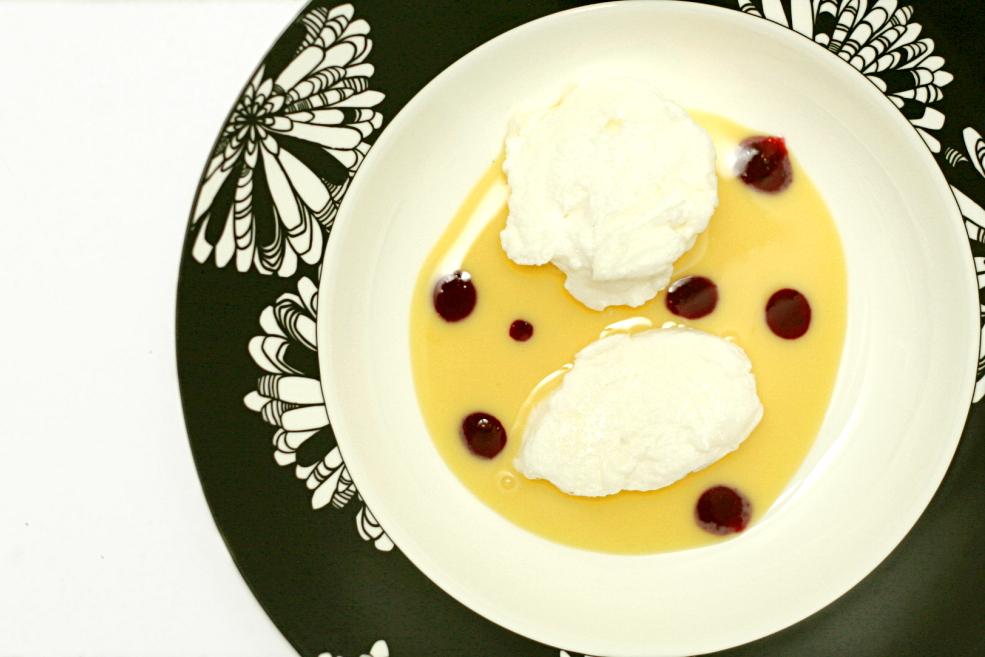
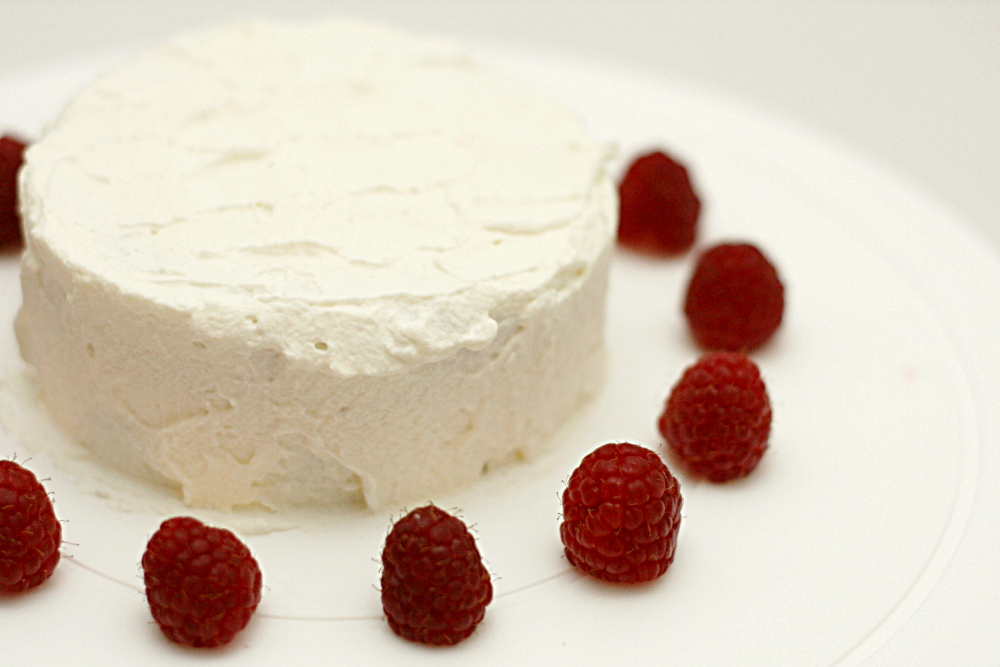
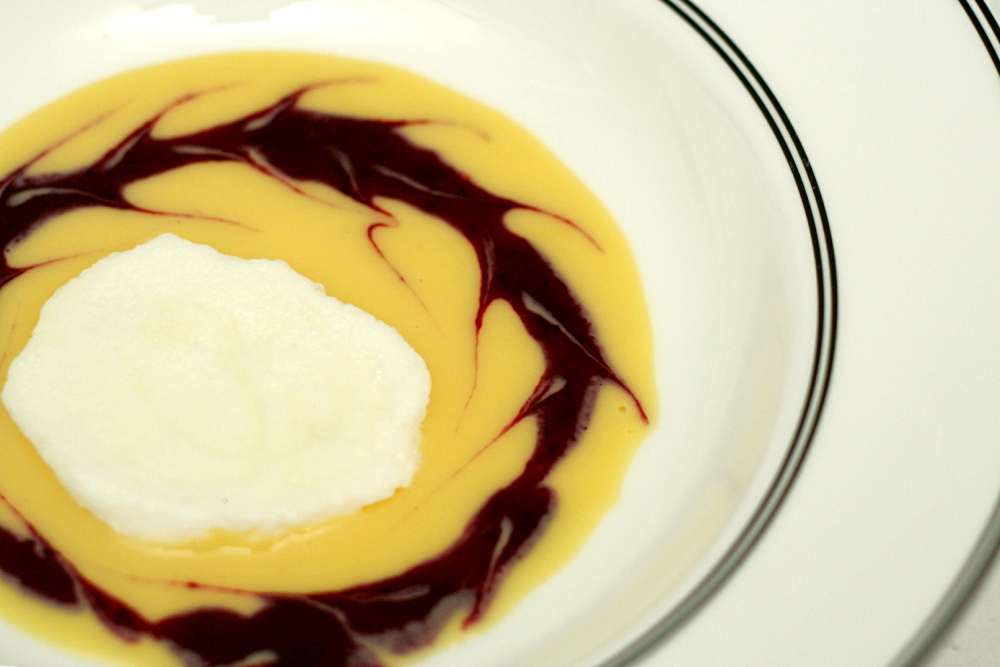
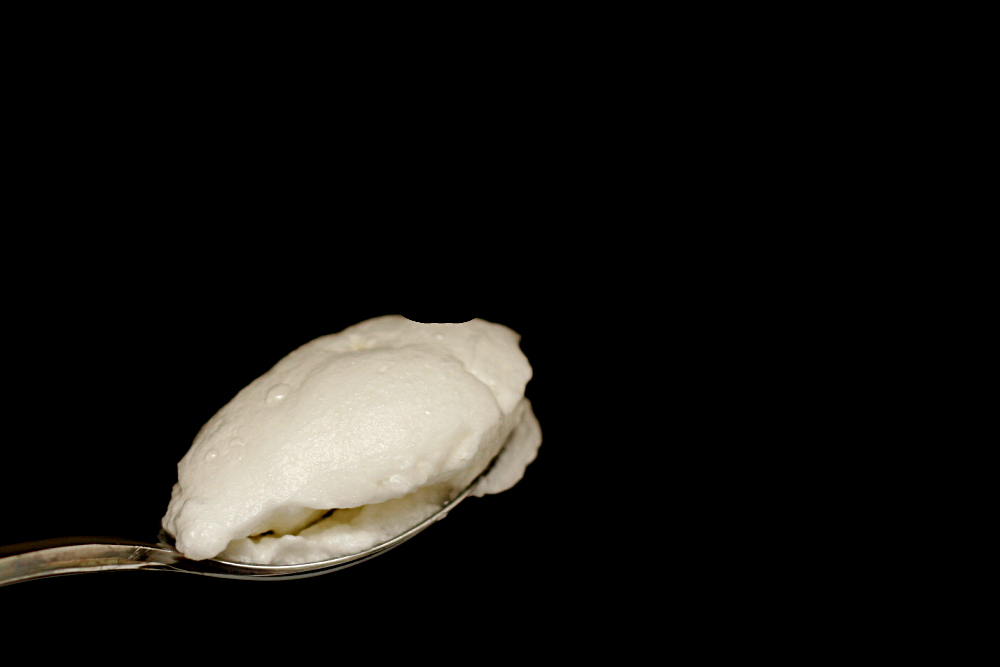
Floating islands are meringues that have been poached in milk and are served with crème anglaise. It wasn’t that I skimped too much on the effort involved; it’s just that I decided to use only one egg. That means I made a quarter of the meringue recipe and one sixth of the crème anglaise.

copy-of-img_1955

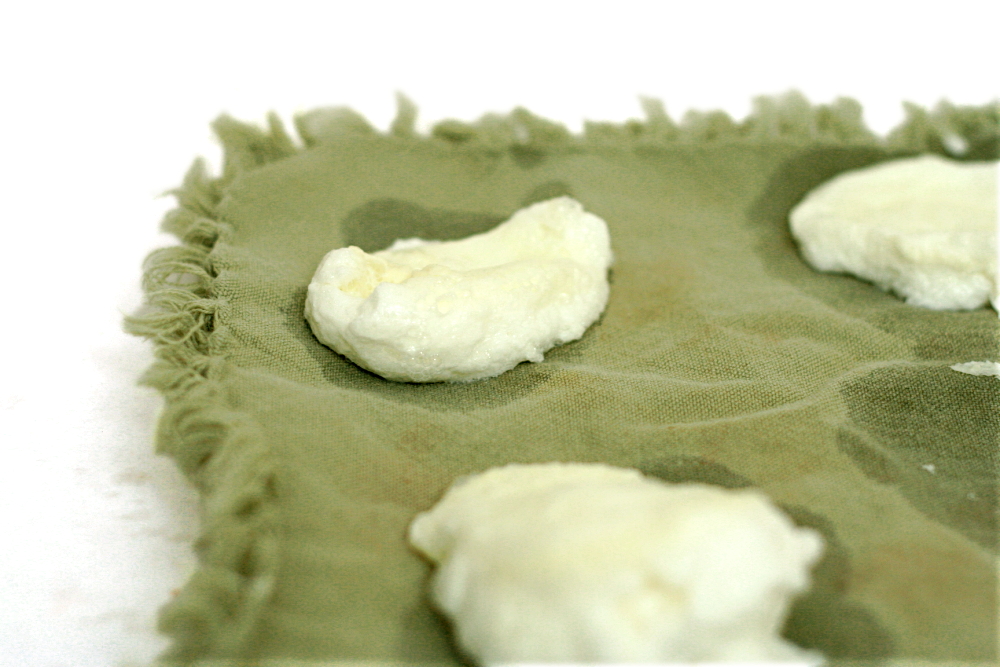
None of this recipe was very difficult, although the work involved with multi-component desserts always seems to add up. The only portion I had any problem with was the poaching, and most of that was because I didn’t carefully read the instructions that warn you that the meringues will deflate after poaching. I thought I had screwed them up, so I ate one while I poached the rest.

I served the floating islands with berry coulis. Dave and I both thought that the dessert was really good. It would be even better with some fresh berries. I’ll have to try that next time. Shari has the recipe posted.

copy-of-img_1957

crispy bagel roll

copy-of-img_1619

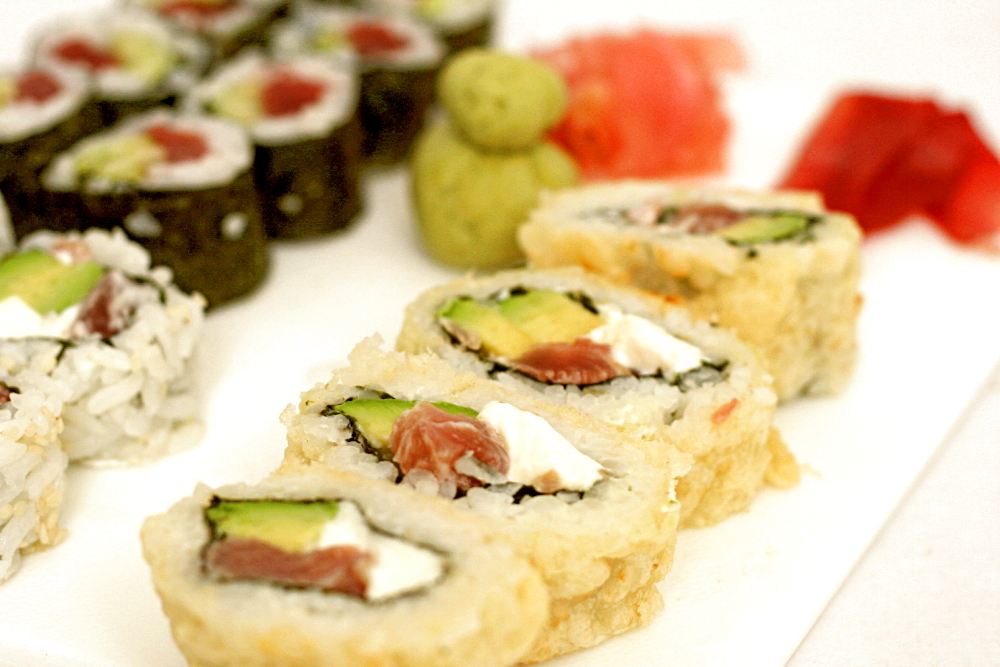
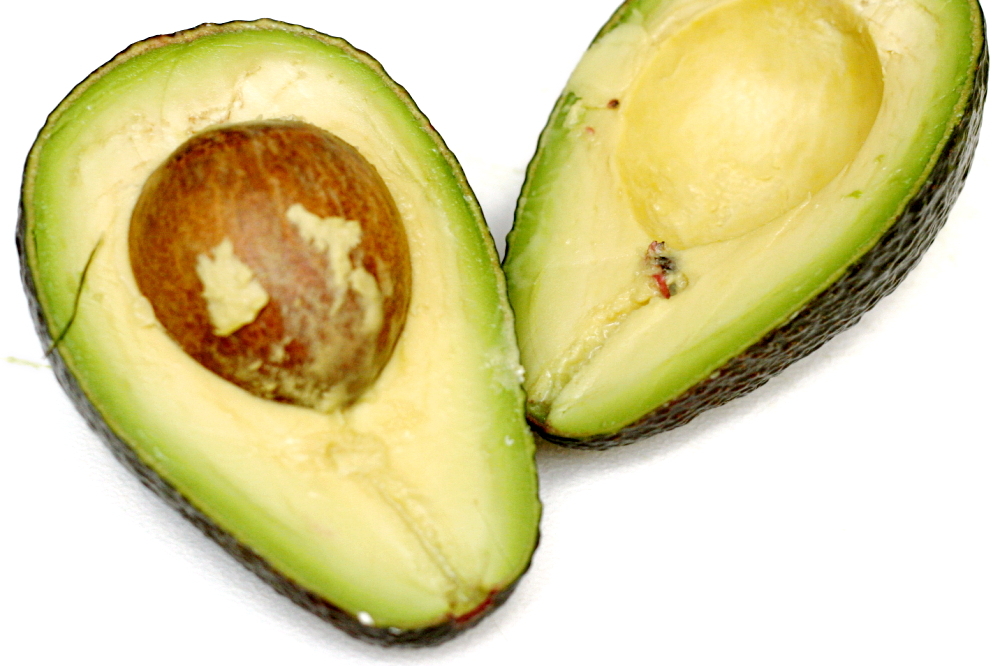
A third grader was telling me once about her favorite restaurant, and she said that it served “eggs and bagels and bacon and everything good.” That’s kind of how this sushi roll is – full of fish and cream cheese and avocado and everything good. And then it’s fried.

copy-of-img_1601

The first time Dave and I tried sushi, we were visiting friends, who took us to one of their favorite sushi restaurants. We ordered a crispy bagel roll, and it was so good! I haven’t found even one restaurant since then that serves anything similar. After almost two years of my friends mentioning that they went out for sushi and enjoyed the crispy bagel roll, I decided I’d have to try to re-create it at home.

copy-of-img_1602

I made sushi rolls a few times last year, and it wasn’t a disaster, but it was a lot of work, and I always ended up frustrated because my dull chef’s knife couldn’t cut through the nori. But since then, I’ve acquired a new knife and new inspiration from Jen, who makes homemade sushi seem so approachable.

copy-of-img_1605

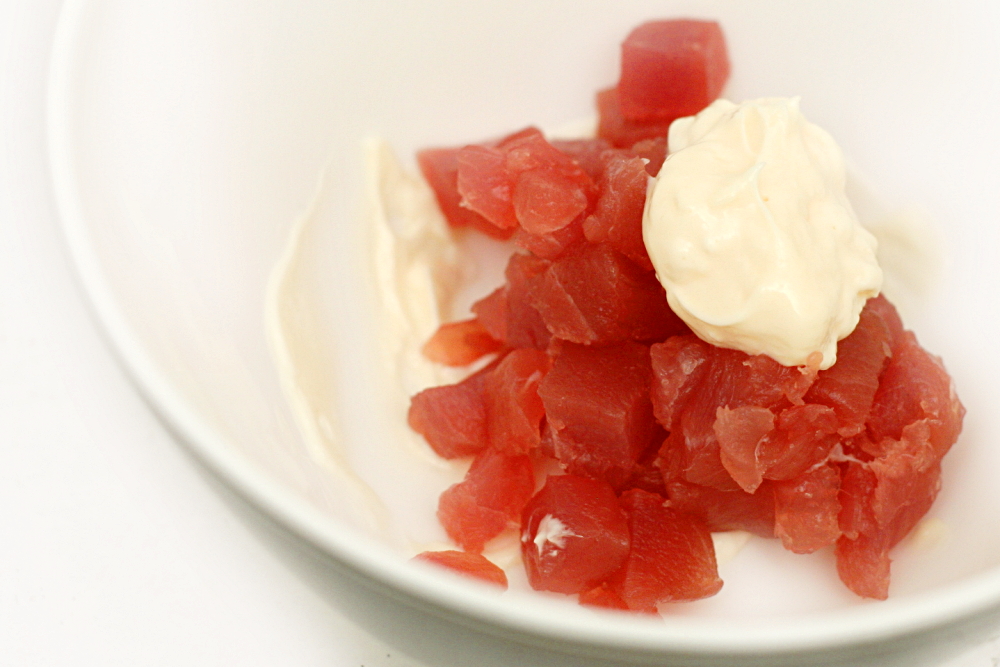
Bagel rolls aren’t original to the restaurant I had them at, but recipes differ slightly. I looked up their menu and found that their version includes pretty much all of my favorite sushi ingredients – fish, cream cheese, avocado – everything good indeed. If I recall, they serve theirs with aioli, but I opted to just mix the mayonnaise with the fish before forming the roll.

copy-of-img_1606

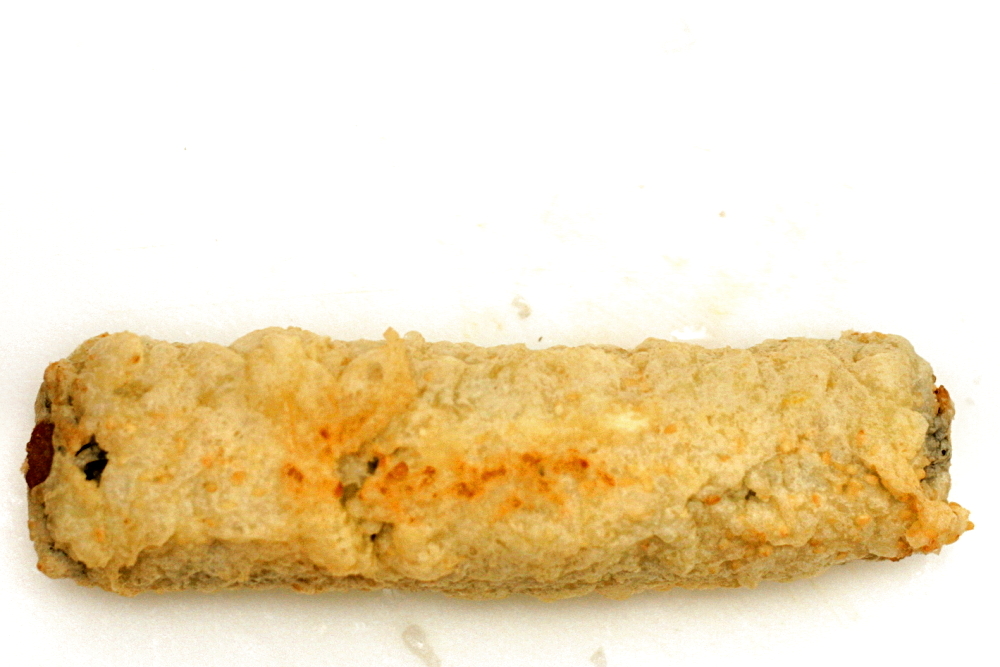
And then there’s the “crispy” part. The rolls are delicious without frying, so if you want to stop here, be my guest! Making tempura batter, heating oil, and deep-frying the rolls adds a significant amount of work to an already labor-intensive meal. But it’s a fun way to give this roll a different flavor profile than a lot of other sushi rolls.

copy-of-img_1610

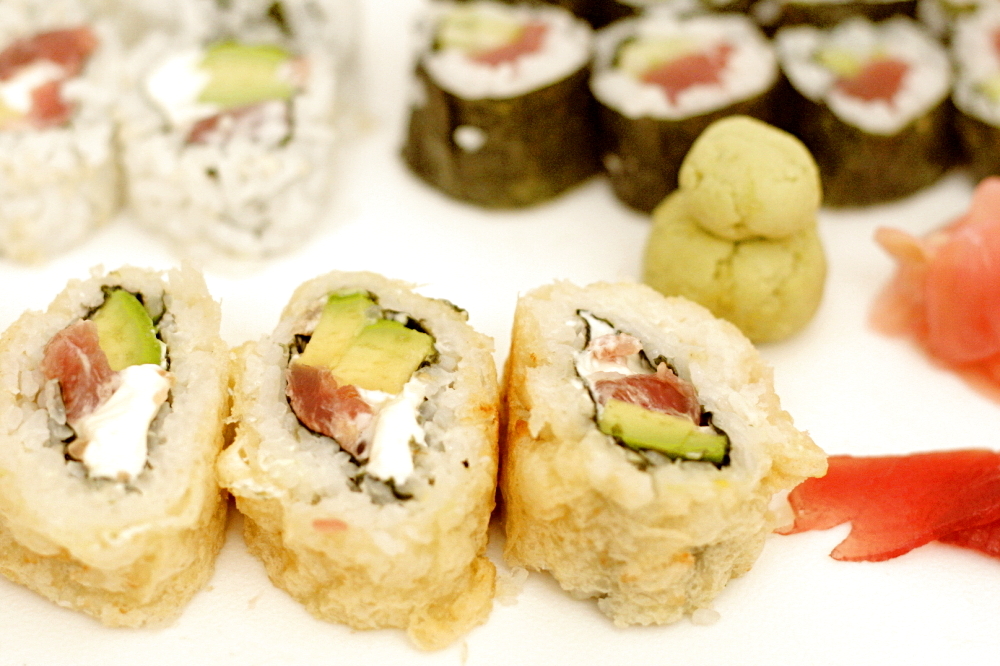
This roll lends itself especially well to being made at home, because it calls for smoked salmon, so there’s no worry about finding or working with quality raw fish. (Um, except that the pictures show tuna, because we love tuna. But smoked salmon makes more sense in this roll.) Plus, the roll is full of everything good. How can you go wrong?

copy-of-img_1614

One year ago: Olive Oil Bread

Bagel Rolls (rice recipe adapted from Alton Brown)

Unfortunately, I can’t share the tempura batter recipe I used because it’s I recipe I tested for Cooks Illustrated, and it isn’t published yet. However, I think this one would work fine. I fried the rolls until they were just slightly browned. I didn’t want the filling to cook, or even get warm really.

The only part of making homemade sushi that I haven’t nailed down is how much of the sheet of nori to use. The whole sheet is too much and ends up forming a spiral, but a half sheet isn’t quite enough to fit the fillings. I ended up using about 3/5 of the sheet and saving the scraps for sushi bowls.

Makes 4 rolls, serving 2 people

Rice:
1 cup sushi rice
1 cup water
1 tablespoon rice vinegar
1 tablespoon sugar
½ teaspoon salt

Filling:
4 (8- by 7-inch) sheets nori (see comments above)
4 ounces smoked salmon
1 tablespoon mayonnaise
1 avocado, sliced
2 ounces cream cheese
2 teaspoons sesame seeds

For serving:
Wasabi
Pickled ginger
Soy sauce

Rice:
Rinse rice and let drain for 30-60 minutes. (I often skip this without any huge loss in quality.)

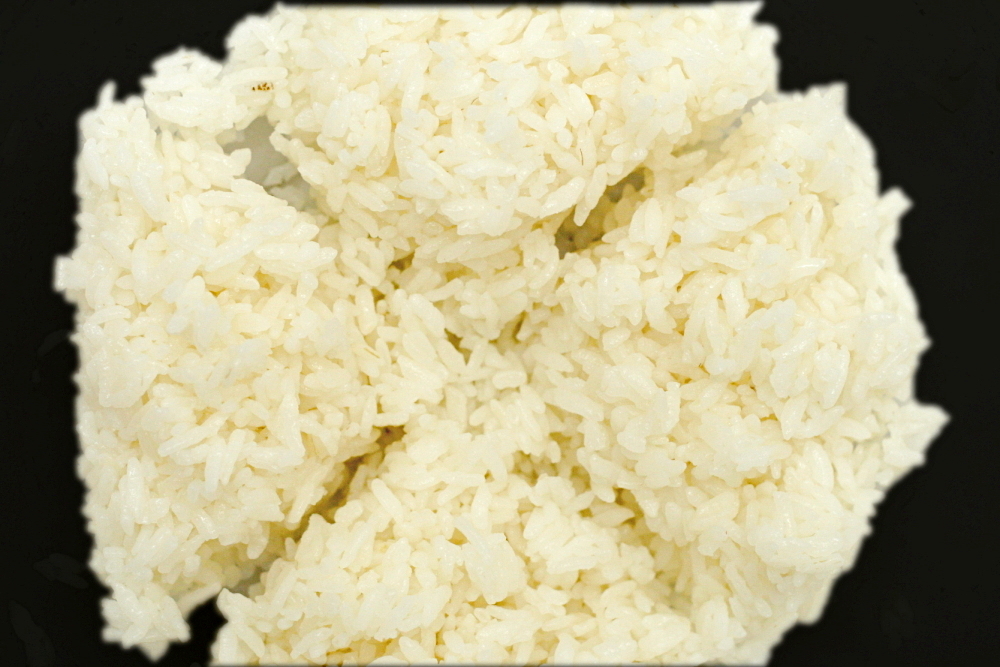
Place the rice and water into a medium saucepan and place over high heat. Bring to a boil, uncovered. Once it begins to boil, reduce the heat to the lowest setting and cover. Cook for 15 minutes. Remove from the heat and let stand, covered, for 10 minutes.

Heat the rice vinegar, sugar and salt (either in a small pot on the stove or in the microwave) until the sugar is dissolved. Transfer the rice into a large wooden or glass mixing bowl and add the vinegar mixture. Fold and cut thoroughly to combine and coat each grain of rice with the mixture. Fan until rice is near room temperature. Do not

Chop the salmon into approximately ⅛-inch pieces and mix it with the mayonnaise. Fill a small bowl with tap water and place it near where you’ll be doing the rolling.

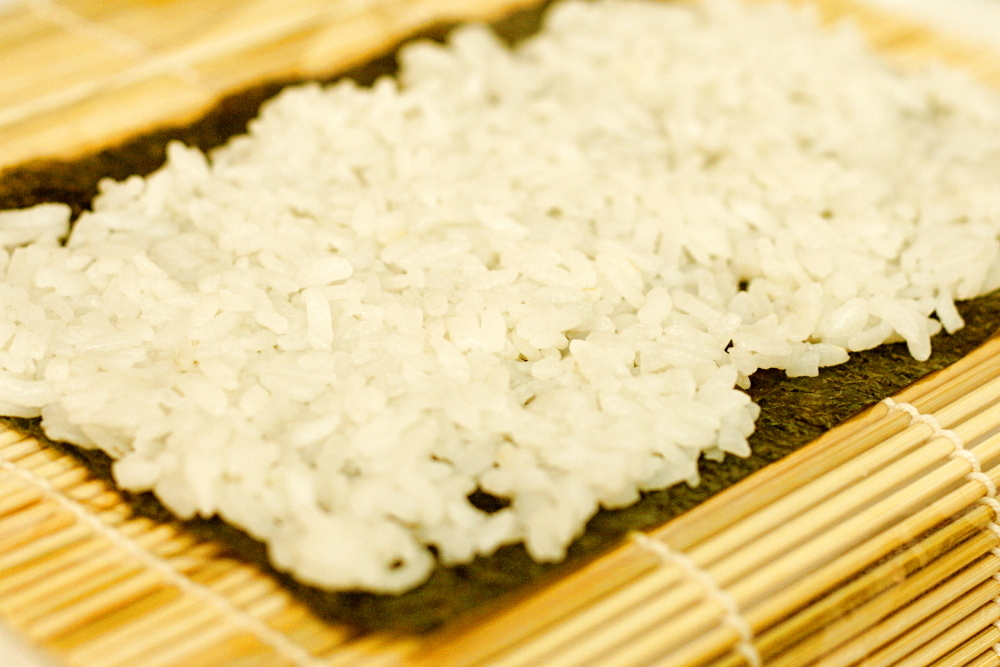
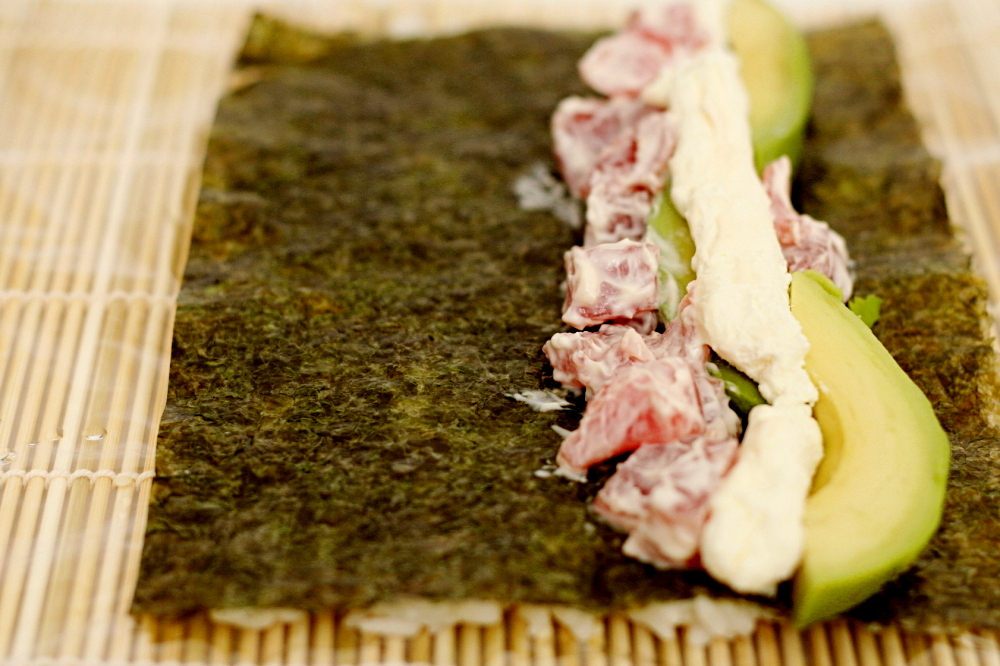
Lay a sheet of plastic wrap over a bamboo rolling mat. Lay 1 sheet of nori, shiny side down, on the plastic wrap. Wet your fingers with water and spread ¼ of the rice evenly onto the nori. Sprinkle the rice with ½ teaspoon sesame seeds. Flip the nori over so that the rice faces down onto the plastic wrap. Place ¼ of salmon mixture, the avocado, and the cream cheese in the middle of the nori. Use the plastic wrap to roll the nori and rice around the fillings, as tight as possible without squeezing the fillings out. Use the bamboo mat to shape and compact the roll. Leave the roll covered in the plastic wrap while you use the remaining ingredients to make three more rolls.

If you’re frying the sushi rolls: Heat 2-3 quarts of canola, vegetable, or peanut oil to 400C in a Dutch oven that holds at least 5 quarts. Remove the plastic wrap from a roll. Dip the entire roll into tempera batter. Fry one roll at a time for about 2 minutes, until the batter is firm and slightly browned. Drain on a cooling rack. Repeat with the remaining rolls, making sure that the oil is at 400 degrees before adding the next roll.

Remove the plastic wrap from the rolls (if you didn’t fry them). Cut each roll in half, then half again and again to make 8 pieces for each roll. Serve with wasabi, pickled ginger and soy sauce.

copy-of-img_1615

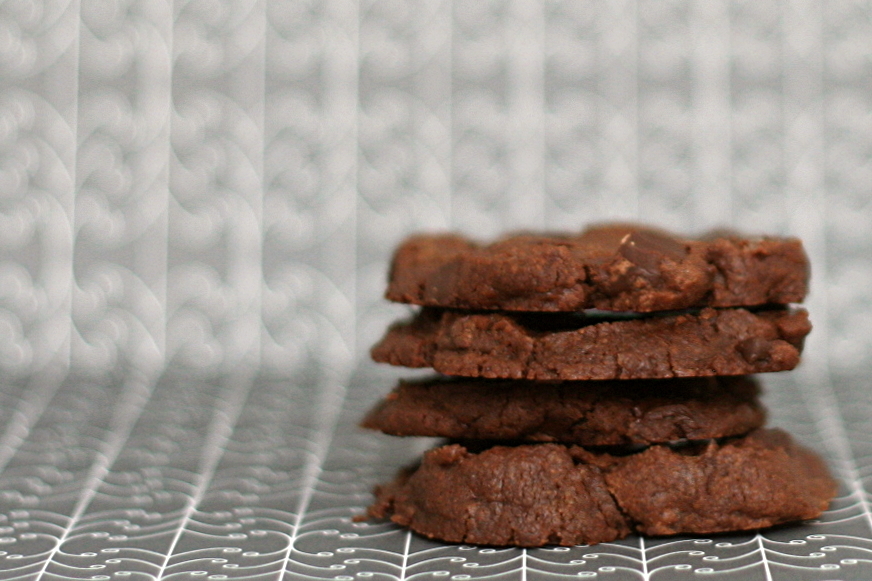
world peace cookies

copy-of-img_1691

This week, I’m one of those reviewers – the ones who tweak the recipe beyond recognition, then say the recipe sucks and no one should bother making it.

Except for the ‘beyond recognition’ and ‘the recipe sucks’ parts, at least. For whatever reason, I took it upon myself to, um, improve upon this recipe. Yes, the World Peace Cookie recipe that has gotten one shining review after another.

copy-of-img_1632

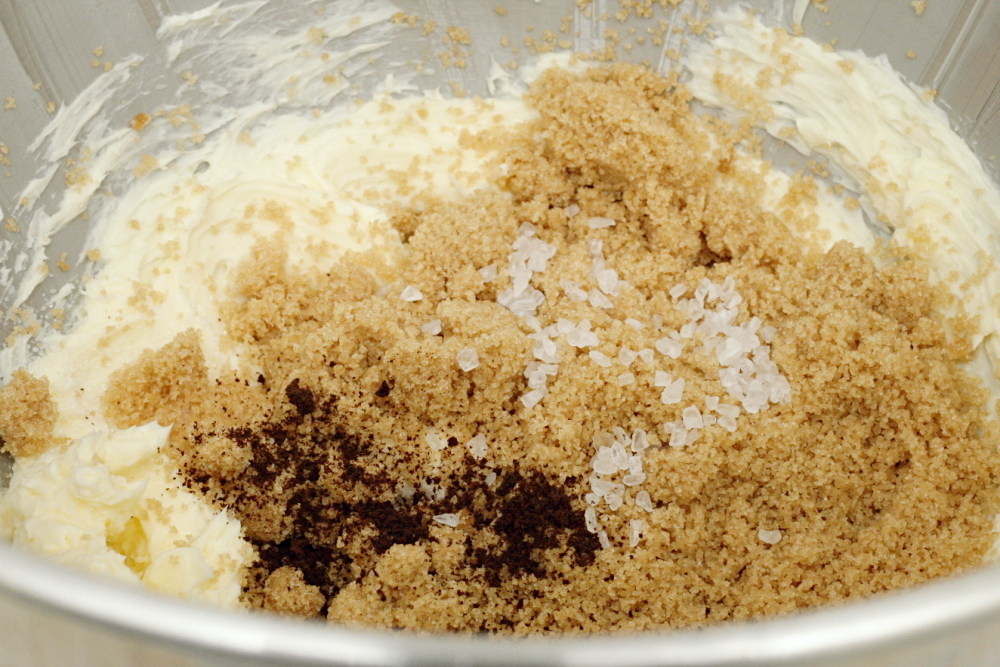
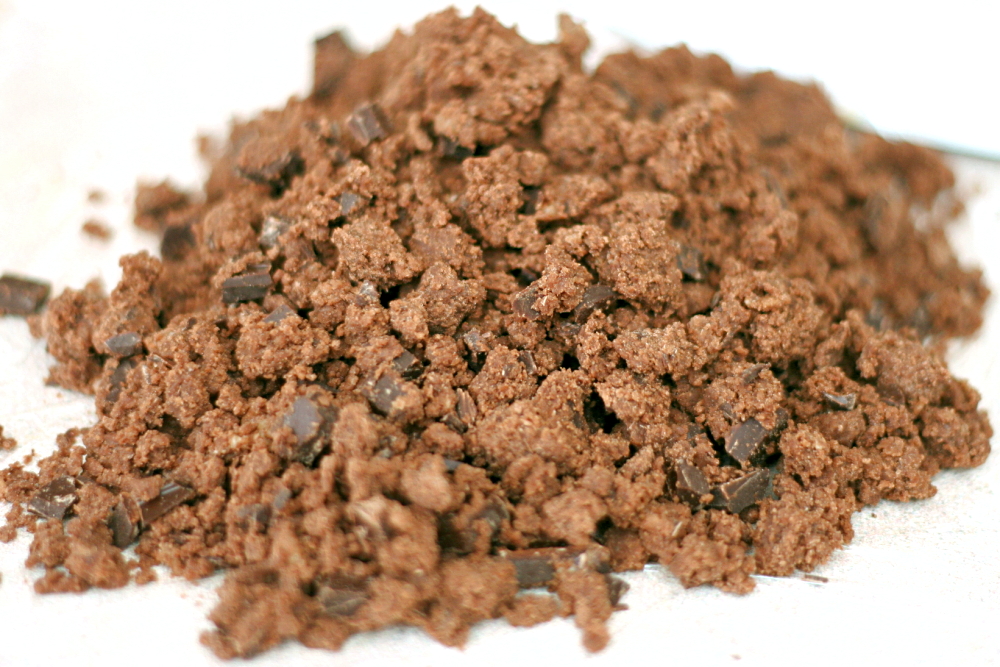
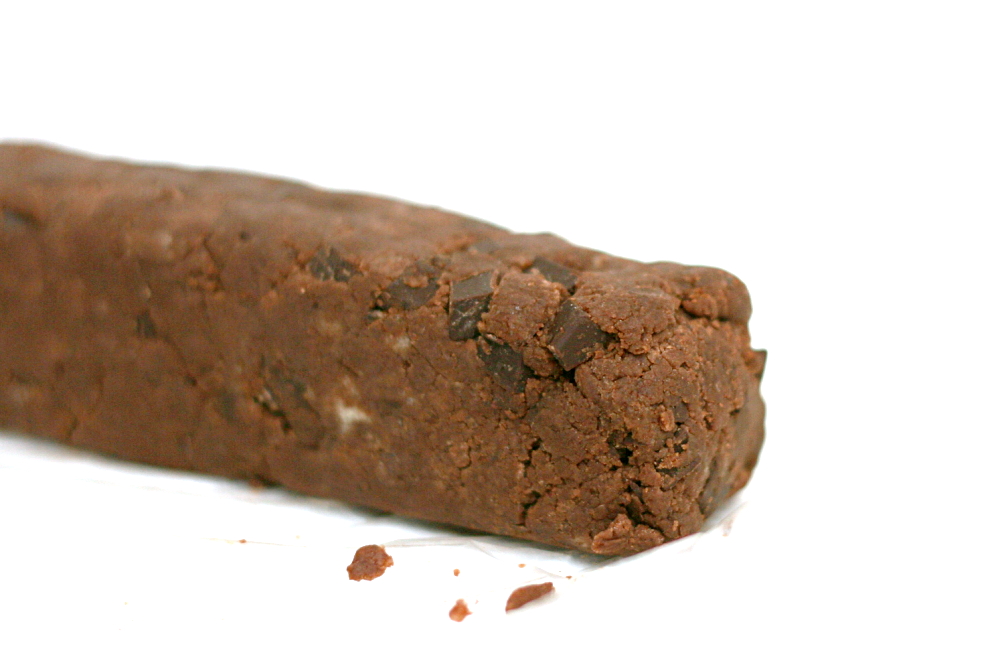
But a few Tuesdays with Dorie members said the dough was so crumbly they could hardly roll it into a log, and that trying to slice cookies off of the log was a mess. So I added an extra tablespoon of butter. And then I figured that what’s a chocolate cookie doing without espresso powder? So I added some. And I forgot to buy fleur de sel, so I used some coarse sea salt that I’ve had forever.

copy-of-img_1643

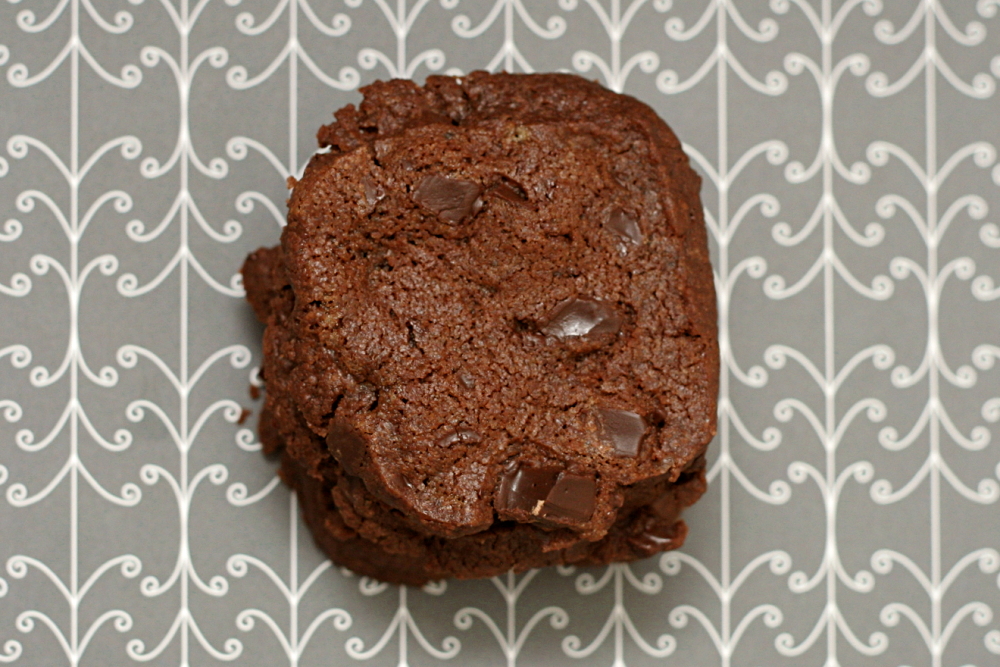
And the result was good. Not mind-blowing, but good. I don’t think the espresso was a good idea – the bitterness didn’t really blend into this cocoa-flavored cookie. The extra butter seemed like it was a good thing, because the dough was still pretty crumbly. On the other hand, there was a bit of a spreading problem during baking. (Maybe a higher temperature would solve that?)

copy-of-img_1669

Actually, I’m not sure shortbread is really my thing. I’m not against it, mind you, but my ideal cookie is chewier. I like them; I just like these chocolate cookies better.

Jessica (along with a lot of other people) has the recipe posted.

One year ago: Chocolate Cupcakes

copy-of-img_1680

tofu croutons

copy-of-img_1469

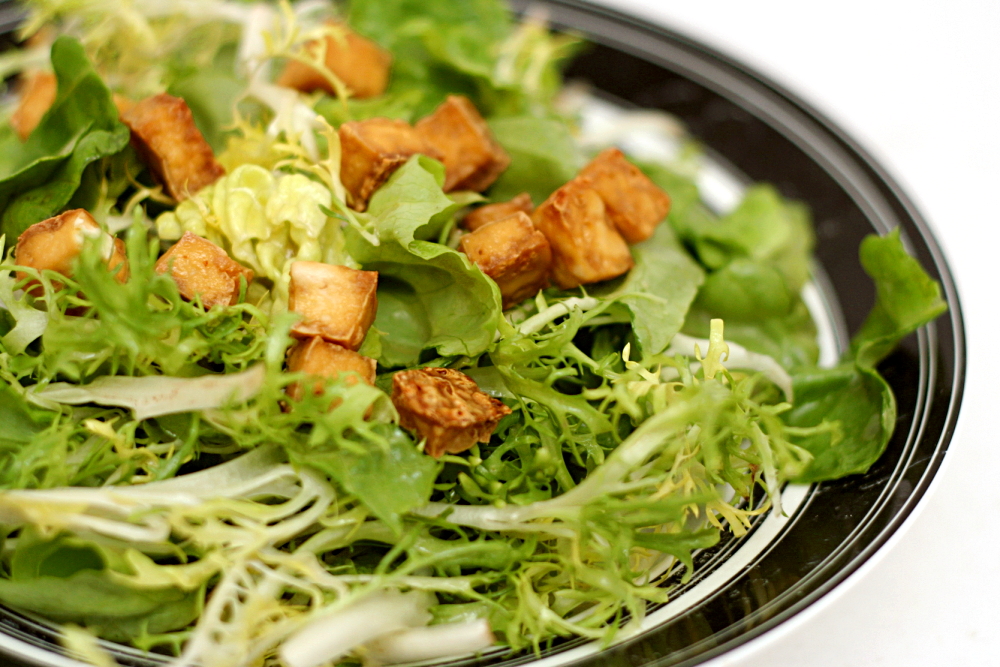
Let me give you some insight into what kind of person my husband is. For his birthday a few weeks ago, I offered to make whatever he wanted for dinner, for an entire weekend. The first two meals he chose, salmon pesto pasta and sushi, were predictable. The last one is what made me roll my eyes – he requested salad. When questioned about specifics, all he could come up with “lots of different kinds of lettuce is always nice.”

copy-of-img_1421

Really? Who requests leafy green salad for a birthday dinner? I like salad, but I don’t consider it a treat.

Fortunately, other than that general guideline, I could do whatever I wanted with it. I thought these tofu croutons would be a good protein source, and then I could serve the salad with tasty homemade garlic bread.

copy-of-img_1467

My first run-through with these croutons wasn’t absolutely successful. I followed the recipe exactly, but from the beginning, there were two things that I was uncertain about. One was the lack of salt. It’s not like tofu has so much flavor on its own that it can pass without anything extra to give it a boost. The other was the size that the tofu cubes were supposed to be cut into. They seemed big, but I wasn’t sure how much they would shrink after baking, so I kept them at the 1-inch cubes the recipe recommended.

copy-of-img_1439

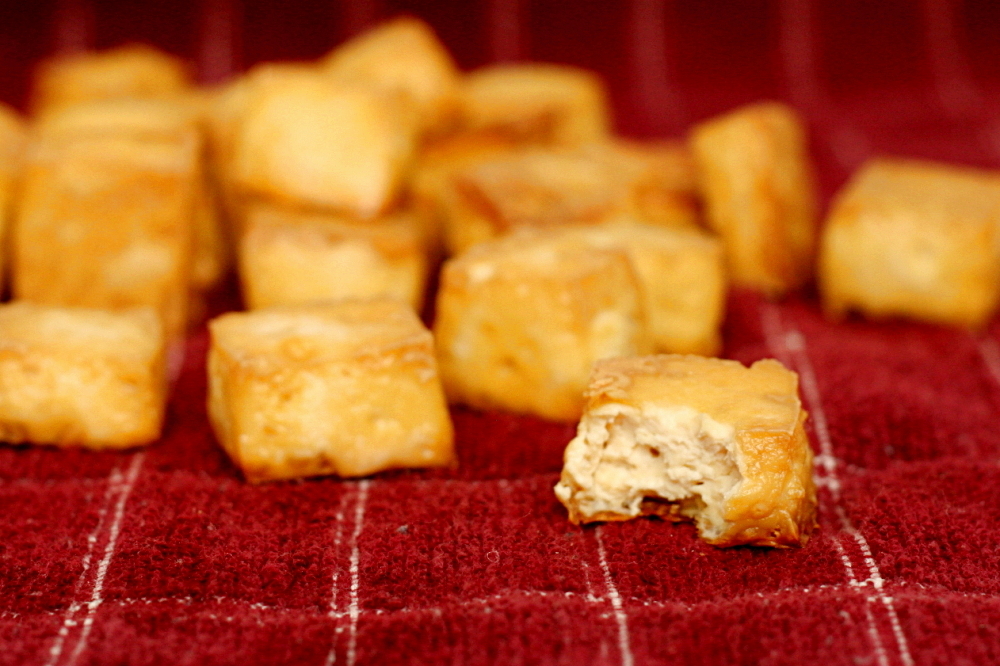
The results were, sure enough, too big and too bland. The second time I made them, I cut the tofu into half-inch cubes and sprinkled some kosher salt over them before baking, and I liked them a lot more. The outsides are crispy, the insides are meaty, and the overall flavor is nutty. Their taste, texture, and nutrition make them a really great addition to salad.

copy-of-img_1468

One year ago: Potstickers

Tofu Croutons (adapted from Mark Bittman’s How to Cook Everything Vegetarian)

Enough croutons for 2-3 salad servings

I didn’t actually measure the salt when I sprinkled it on. I know I used too much, and I really don’t think you need much.

I only recently figured out that there’s two kinds of tofu – regular (or brick or Chinese) and silken (or Japanese). Regular is packed in water, not sold in the aseptic boxes. That’s what I used here. It has a chewier, “meatier” texture.

14 ounces firm tofu
¼ teaspoon kosher salt
1 tablespoon olive oil

1. Adjust an oven rack to the middle position and heat the oven to 400F.

2. Cut the block of tofu in half lengthwise (so from a rectangle into two flatter rectangles). Use a kitchen towel to press the tofu dry (or dry-ish – you don’t need to put tons of effort into this).

3. Cut the slices into ½-inch cubes. Put the cubes on a parchment-lined baking mat and sprinkle with the salt and drizzle with the oil. Toss gently to coat.

4. Bake at 400F for about an hour, until evenly browned. There’s no need to rotate them; they’ll brown evenly. Leftovers can be stored in the refrigerator for up to 3 days. Bring to room temperature before using.

crispy baked chicken strips

copy-of-img_9435

My sister does once-a-month-cooking, so once each month (or a little longer), she and her husband spend a good portion of the weekend stocking their freezer with easily-reheatable food. I don’t think I’m cut out for this. For one thing, when she was planning her last cooking fest, I advised her to split up the cooking over several nights, and then it wouldn’t take up so much of her weekend. Which pretty much defeats the purpose, because if you’re going to cook every night, you might as well just be making dinner.

copy-of-img_7480-a

Also, I have a tendency to hoard food in my freezer. I get it in my head that I can’t possibly use the lasagna or potstickers or chili in my freezer, because then what if I have some sort of dinner emergency one night and need something super easy? Not that this has ever been an issue.  Still, whenever I make a meal that takes well to freezing, I make extra and put some in the freezer. These chicken strips are perfect for storing in the freezer.

copy-of-img_7482

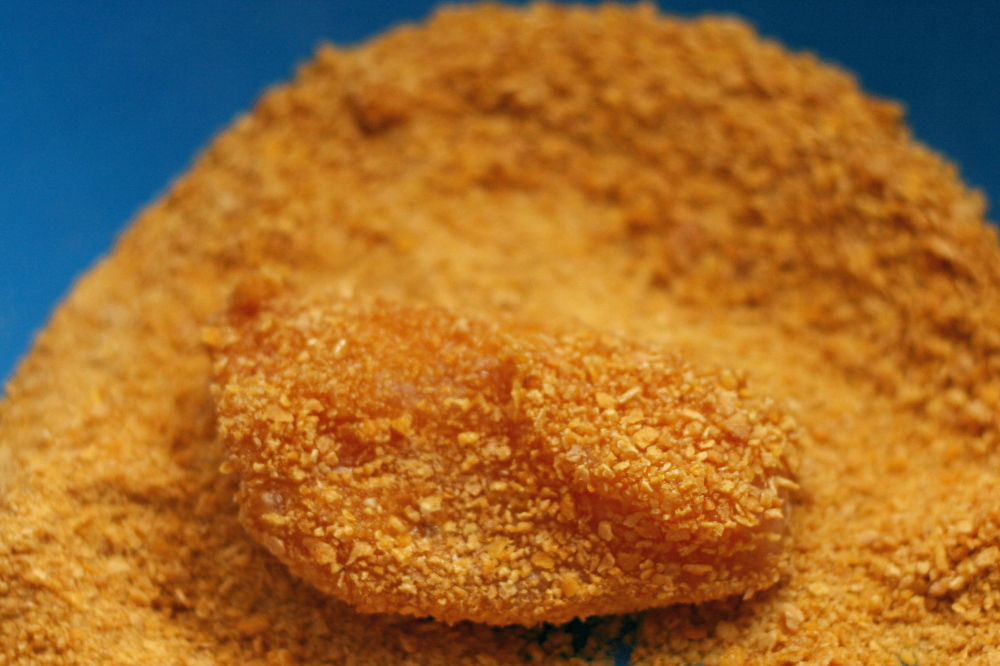
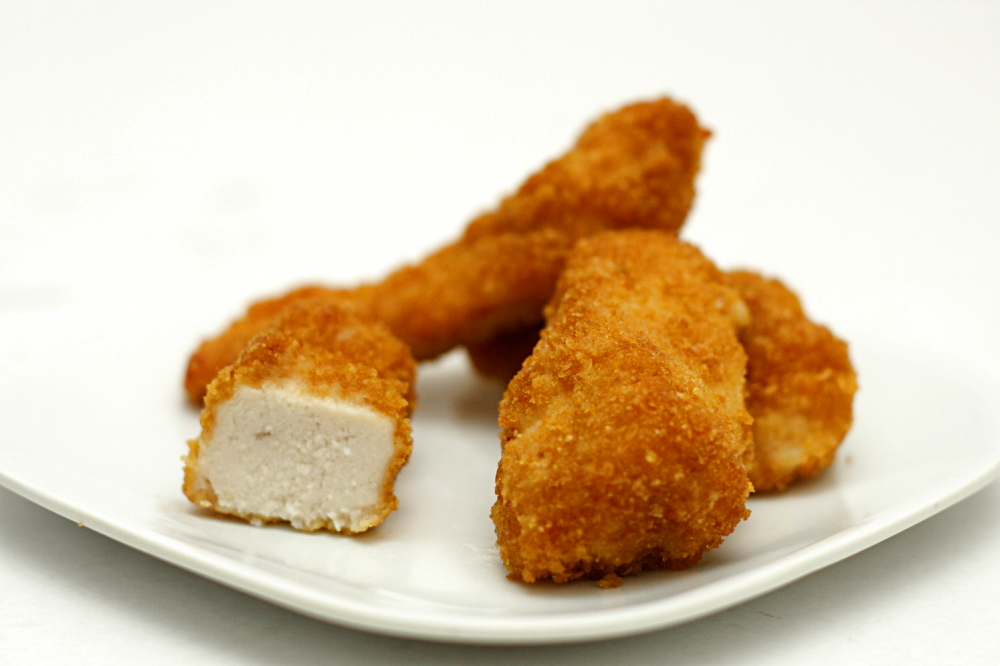
Also, they’re delicious. The coating, made from cornflakes, is crunchy and a little sweet, and the chicken is moist and seasoned from its brine. The strips, after being dipped in flour, butter, and cornflake crumbs, are baked, so there’s no frying mess to deal with and hopefully they’re a little less fattening (except for the whole dipped in butter thing, of course).

copy-of-img_9423

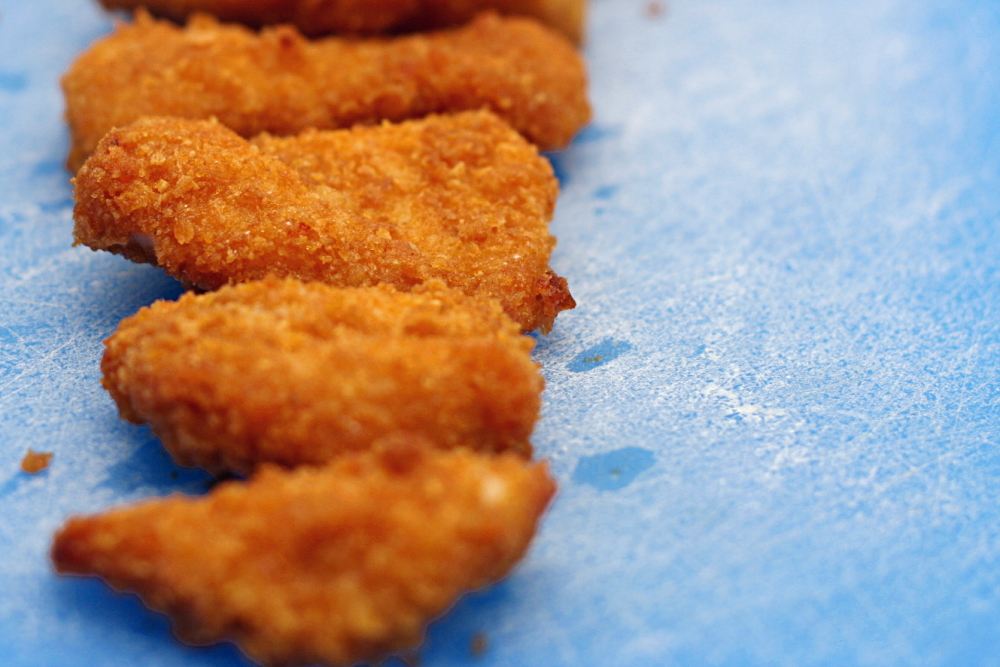
They’re so good, in fact, that even the extras that were stored in the freezer didn’t last too long. They were right in front, so every time I opened the freezer, I was reminded of how good these are. I couldn’t resist them long.

copy-of-img_9434

One year ago: Fish Tacos – we’ve had this for dinner twice in the last two weeks

Crispy Baked Chicken Strips

Serves 4

To freeze these, spread them on a baking sheet (without the rack) after coating and before baking. Place the pan in the freezer and chill for about half an hour, until mostly firm. Transfer the strips to freezer bags. When ready to cook, defrost them and continue with step 4 of the recipe.

¼ cup table salt
4 boneless skinless chicken breasts, cut into 1-inch strips
¼ cup flour
6 tablespoons butter, melted
2 cups finely crushed corn flakes cereal

1. Dissolve the salt in 1 quart cold water. Add the chicken, cover, and refrigerate for 30 minutes. Remove the cutlets from the brine and pat dry.

2. Adjust an oven rack to the middle position and heat the oven to 400F. Place an oven-safe baking rack in a baking sheet.

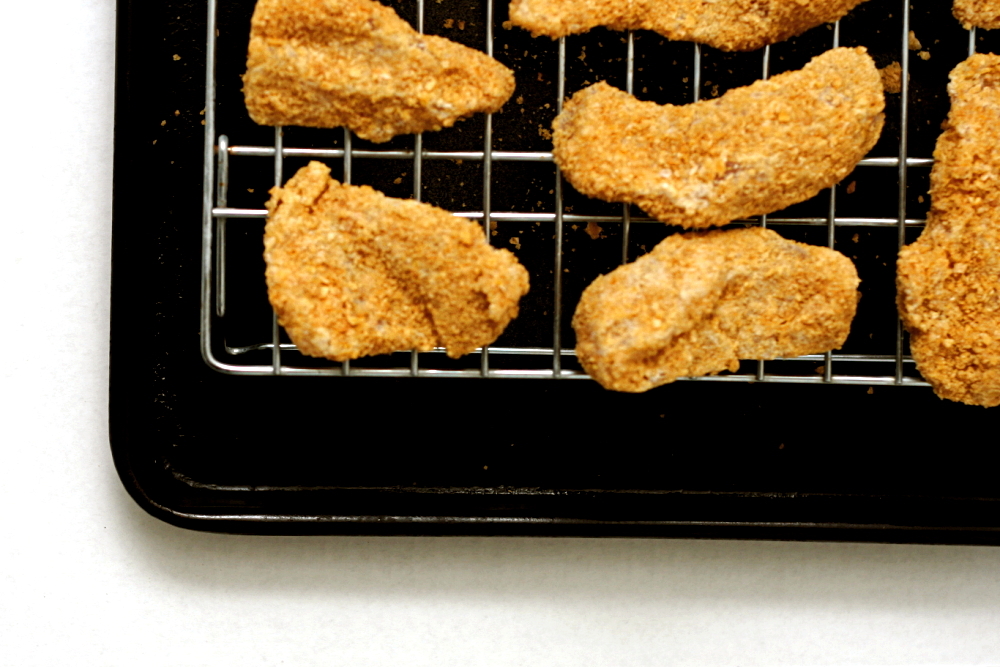
3. Place the flour and butter in separate small bowls. Add the crushed cereal to a medium-sized bowl. Dip the chicken pieces in the flour, then the butter, then the cereal. Place the coated chicken strips on the baking rack in the baking sheet.

4. Bake 15-20 minutes, until chicken is no longer pink. Serve.

copy-of-img_9428

fresh ginger and chocolate gingerbread

copy-of-img_1556

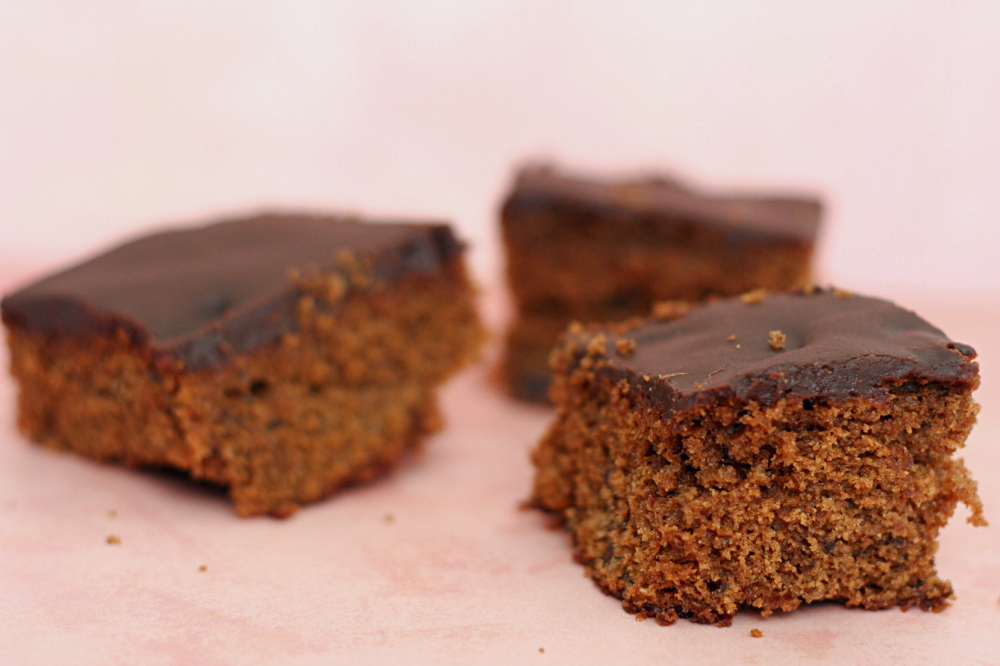
Ah, my sad little gingerbread photos. I had some issues with a tiny step in this recipe that I normally would have just ignored. “Butter the pan.” Pshaw, who butters their pans these days? Nonstick spray, baby!

Since I needed 7⅓ tablespoons of butter for the portion of the recipe that I was making, I figured I would just use the other ⅔ tablespoon to butter the pan. (I used an 8-inch square pan for ⅔ of the recipe.) Then when it came time to remove the cake from the pan, I got stubborn when it stuck. The damn cake would be coming out of the pan!

copy-of-img_1542

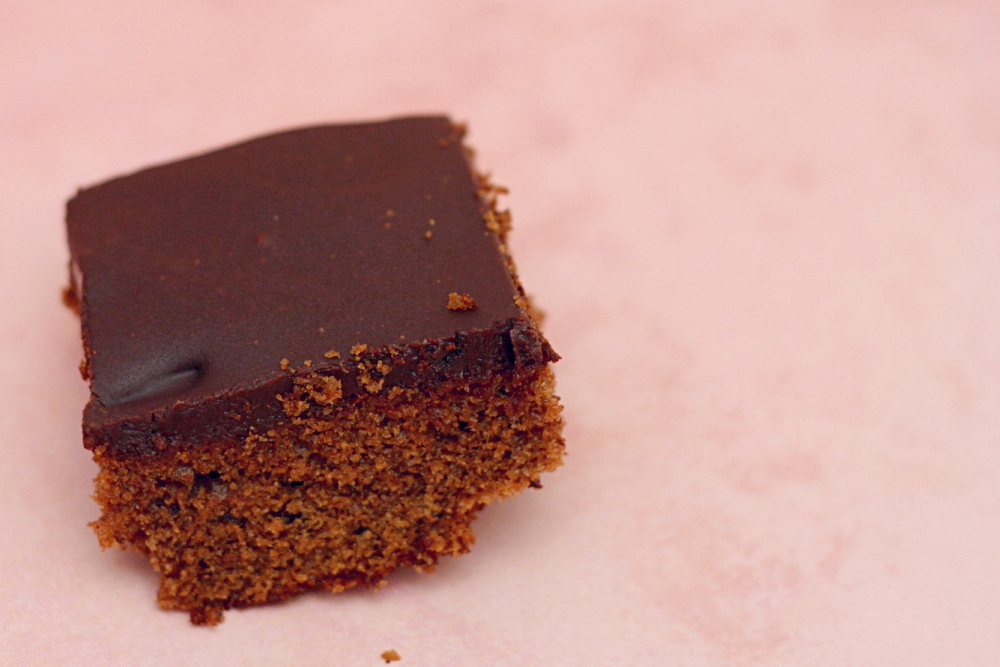
Um, yeah, that was dumb. It came out, all right, or about half of it did. The other half, the bottom half, was holding on tight to the pan. I quickly shoveled the broken cake pieces back into the pan and they melded together nicely. If I had been able to resist tasting the cake (through a forkful dug out of the middle), no one would have been the wiser.

copy-of-img_1544

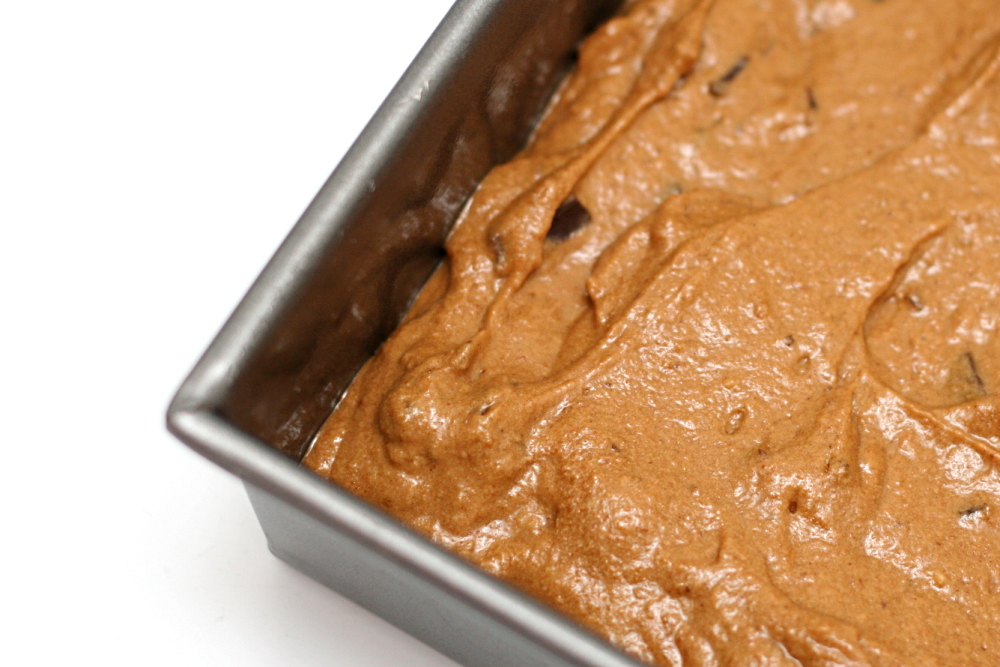
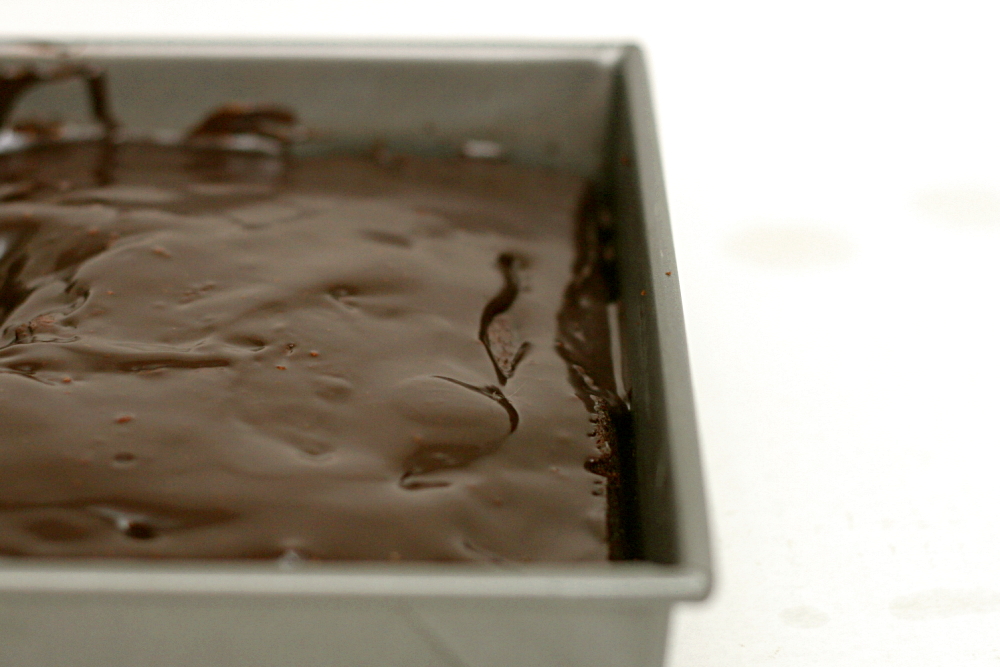
Fortunately, the taste of the cake made up for the troubles. Dave and I both really like gingerbread, and although I had my doubts about combining it with chocolate, in the end I thought it was a good match. I enjoyed the chunks of chocolate in the cake, even though they all sank to the bottom. The bittersweet chocolate glaze was great too. My cake was a little dry, but it’s entirely possible that I overbaked it by a few minutes. Still, next time I’ll use twelve tablespoons of butter instead of eleven (for a full recipe). And I most certainly won’t use butter to grease the pan.

Heather, who chose this recipe for Tuesdays with Dorie, has the recipe posted.

copy-of-img_1553

herbed lima bean hummus

copy-of-img_1461

I don’t blame Tuesdays with Dorie for my pants being too tight to button by the end of 2008.  I blame unemployment.   Instead of grabbing my standard healthy snacks and eating them at work because they were the only food available, I would pass over the bananas and carrots at home and fill up on cookie dough instead.

copy-of-img_1214

So one of my goals for 2009, since I’m still working at home a few days per week, is to make those healthy snacks more enticing. For bananas, it’s as simple as eating them with peanut butter or Nutella. The carrots, or whatever other raw vegetable I end up eating, cry out for some sort of dip. But anything based on mayonnaise and/or sour cream just defeats the purpose.

copy-of-img_1217

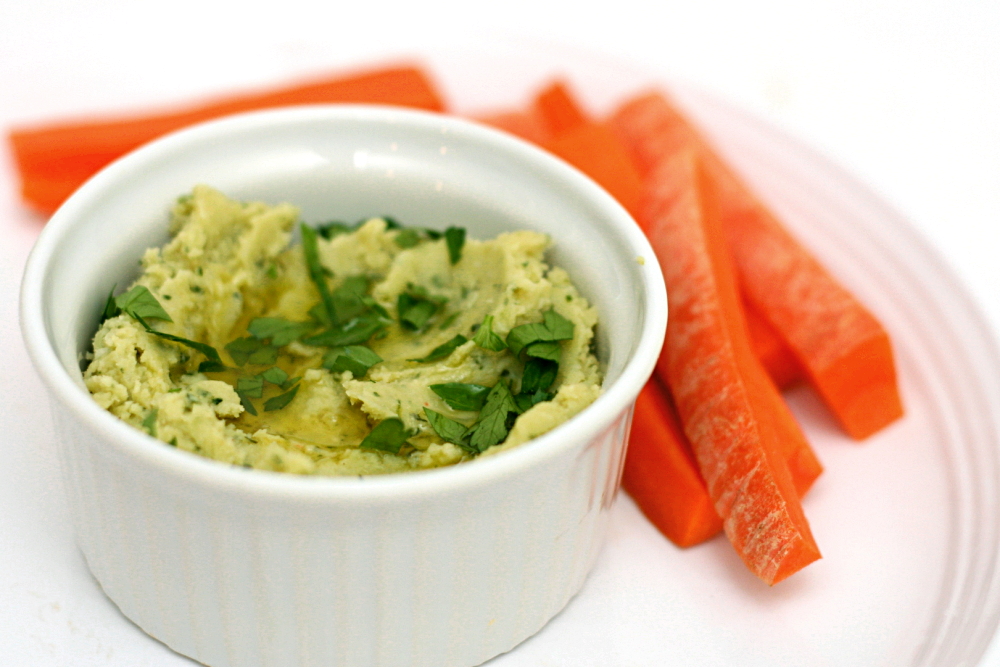
Fortunately, there’s plenty of bean dips out there to explore. This one, which isn’t like traditional hummus at all, is based on lima beans, a bean that I don’t have much experience with. The cooked lima beans are pureed along with aromatics, herbs and seasonings.

copy-of-img_1219

The original recipe called for the onion and garlic to be boiled along with the beans, but who wants boiled onion? Yuck. I took many of the recipe reviewers’ recommendations to sauté the onions and garlic instead. The recipe also calls for mint and dill, but I didn’t have any and didn’t miss it. Finally, I reduced the olive oil just a bit, since the whole point here is to make a healthy snack.

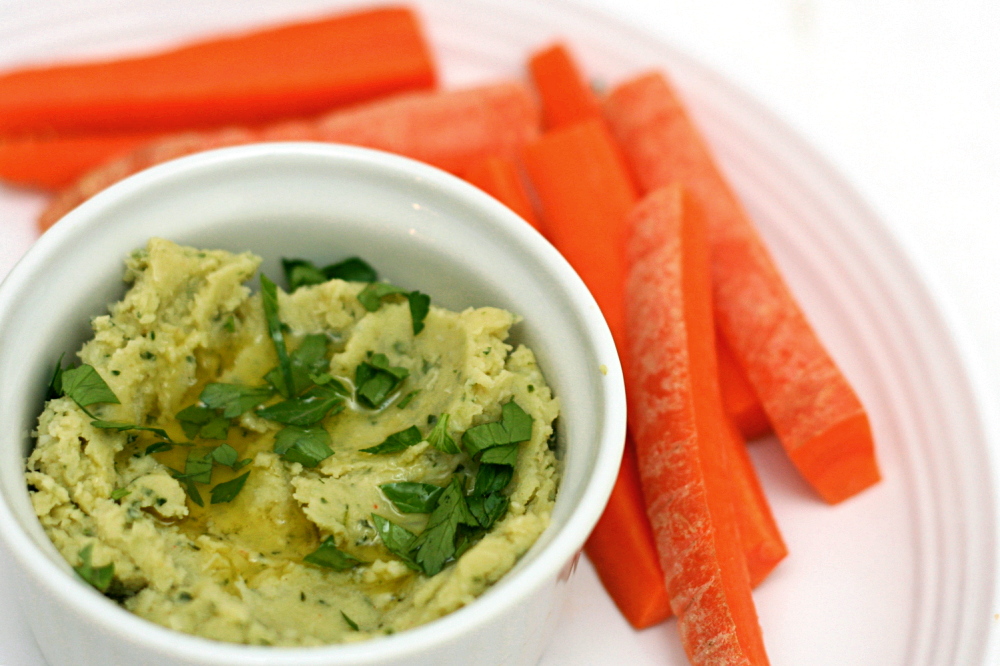
The resulting dip is a pretty green color with a very nice, sort of sweet, flavor. It made my daily carrot, which I guarantee wouldn’t have gotten eaten otherwise, much more enjoyable, but no less healthy.

copy-of-img_1463

One year ago:  Moo shu

Herbed Lima Bean Hummus (adapted substantially from Gourmet, via epicurious)

Makes about 2 cups

1-2 tablespoons extra-virgin olive oil, plus more for serving, if desired
½ large onion, chopped
3 garlic cloves, smashed with side of a large knife
½ teaspoon salt
1 (10-oz) packages frozen baby lima beans
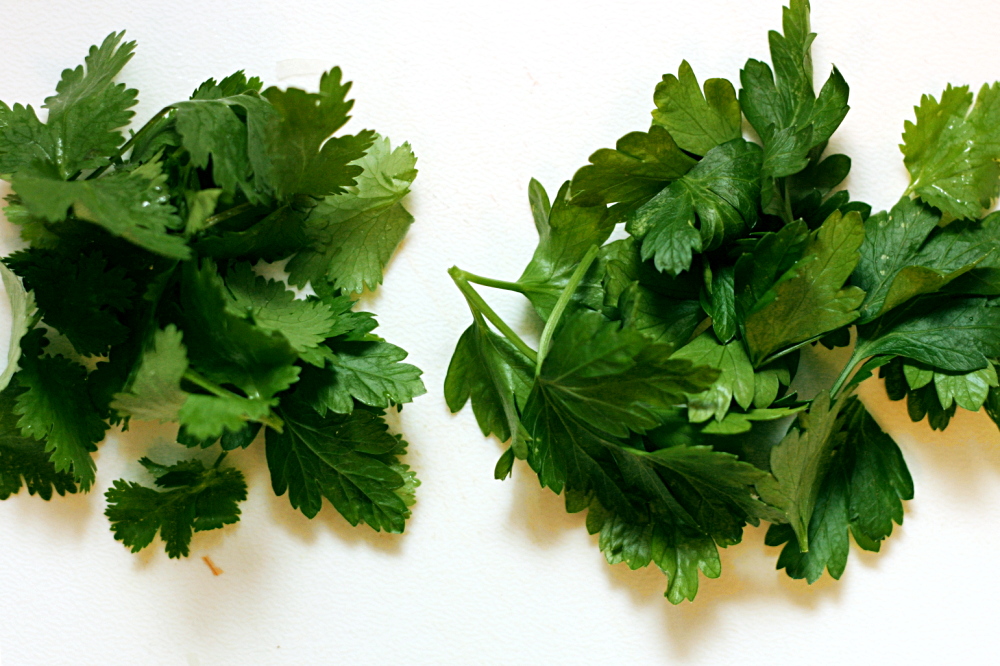
2 tablespoons chopped fresh cilantro
2 tablespoons chopped fresh flat-leaf parsley
½ teaspoon ground cumin
⅛ teaspoon cayenne, or to taste
2 tablespoons fresh lemon juice

1. Over medium heat, heat 1 tablespoon oil in medium skillet. Add onions and cook, stirring occasionally, until they’re just starting to brown around the edges. Add the garlic and salt, stir, then remove from the heat.

2. Meanwhile, in a medium saucepan, bring lima beans and 1 cup water to a boil over high heat. Cover, lower heat, and simmer for 6-8 minutes, until tender. Drain.

3. Add onion mixture, beans, and all remaining ingredients to a food processor and process until smooth. Add more oil if the dip seems too thick.

4. Transfer dip to a serving bowl and drizzle with remaining tablespoon oil, if desired. Serve with crudité or toasted pita wedges. (Dip can be covered and stored in refrigerator for up to 3 days.)

berry surprise cake

copy-of-img_1496

I’ve been a member of Tuesdays with Dorie for ten months, and I haven’t missed even one week. I’ve posted through holidays, vacations, and…I’m trying to come up with a third thing to round out this sentence, but honestly, I have no life. Hence it’s been easy to stay on track with TWD. But this week really tested me – my dishwasher is broken. That’s been rough.

copy-of-img_1486

It’s a good thing I persisted though, because I forgot to take into account Dave’s love of fruit + cream desserts. He goes nuts for them. I made a fourth of this recipe, and we ate the whole thing on Saturday night. Dave was talking about it all day Sunday, and it wasn’t until the end of the day that he realized there was none left. He wasn’t happy.

copy-of-img_1471

I guess I’ll have to make it again sometime then! Which is no problem, because there were things I really liked about this as well as things I’d like to experiment with.

copy-of-img_1473

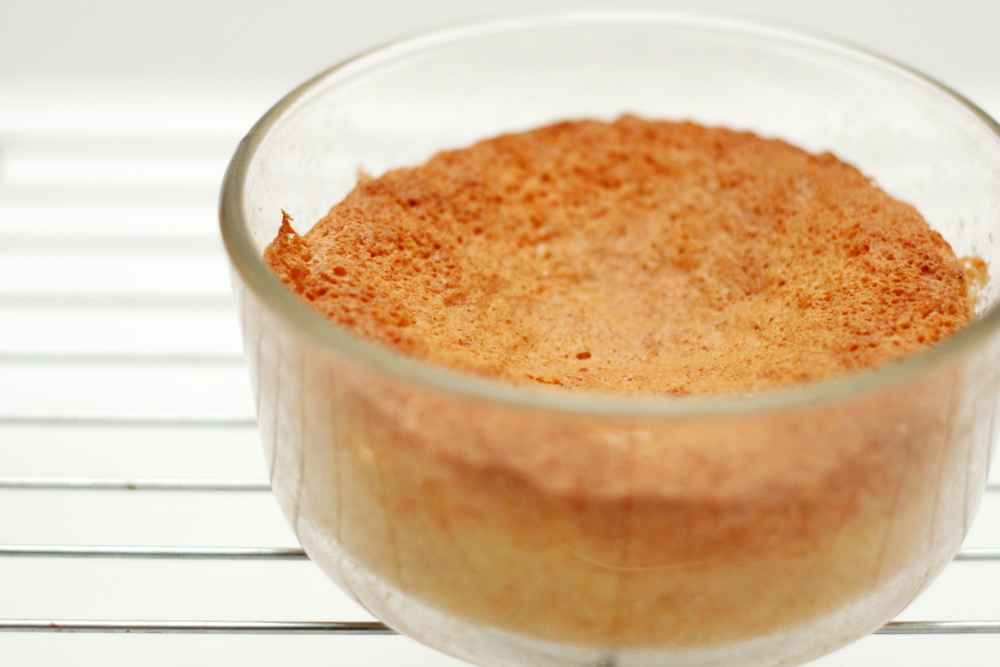
Like most of the group this week, my cake fell in the middle. I’d read through the reviews of people who made it before me and knew this was a possibility, so I was so careful when mixing up the batter. I certainly didn’t overmix, because there were still clumps of hard, dry flour in the baked cake. On the other hand, I could see the structure of the beaten eggs breaking down as I tried to fold in the flour, so I knew I had to stop.

copy-of-img_1479

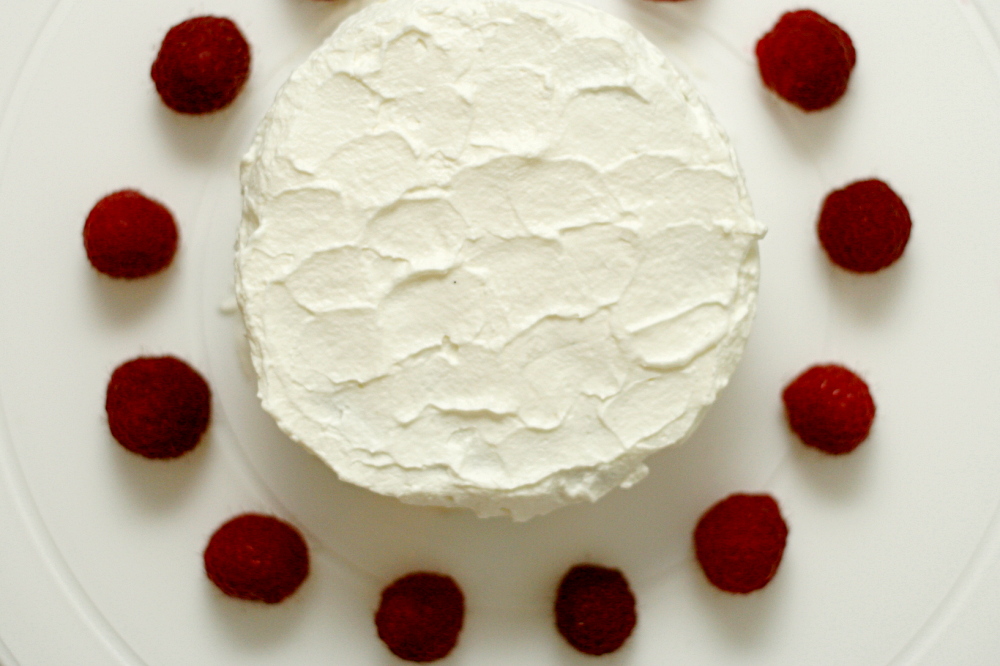
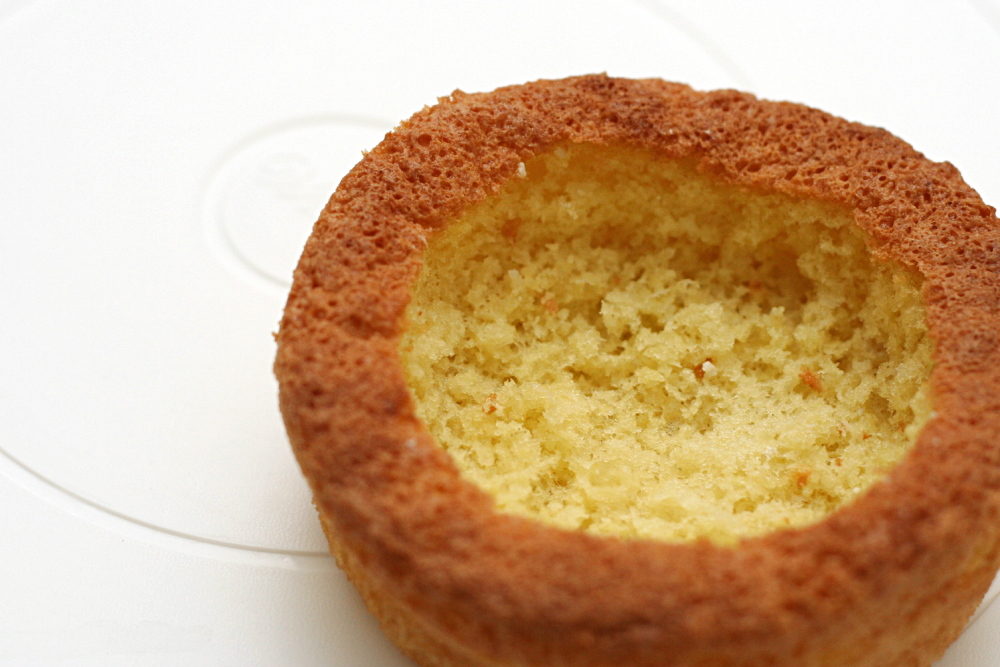
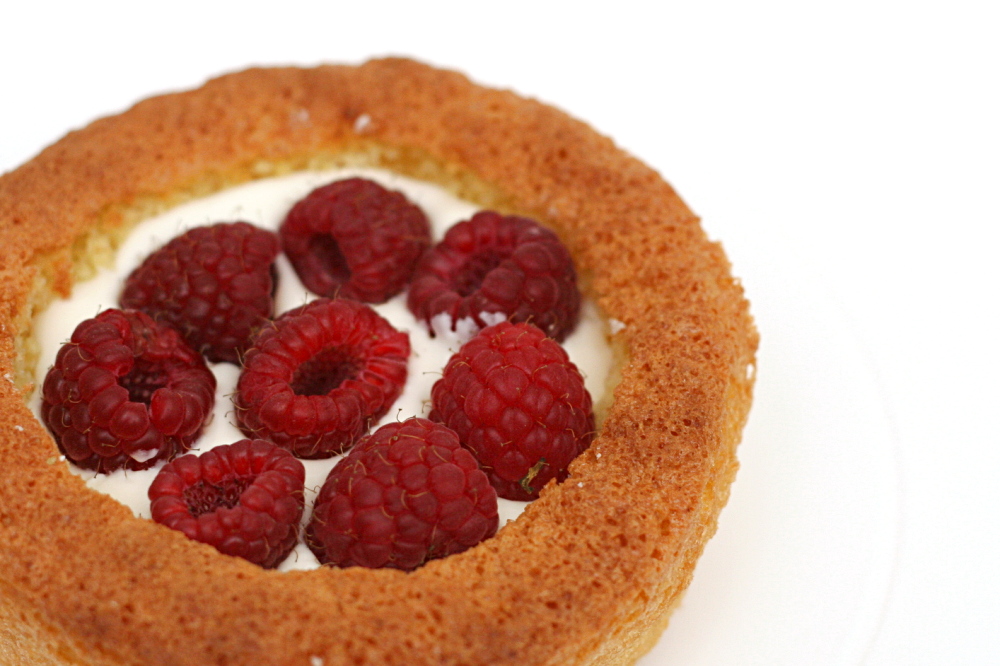
It was no matter though, since we were hollowing out the cake anyway. Dorie’s instructions are to slice off the top of the cake, make a nest in the middle, fill the nest with berries and cream, then put the top of the cake back on. Because the sides of my cake were nice and high, I was able to do all of that except I didn’t have a “lid” to cover the filling with. I just spread the whipped cream topping right over the filling.

copy-of-img_1485

The other issue people had with the recipe was the filling, which is a combination of cream cheese, sugar, vanilla, and cream. So basically cheesecake batter, which I absolutely love. Dorie then whips up more heavy cream and mixes that with the cream cheese ingredients, but a lot of people were saying that the filling ended up bland, so I skipped the extra whipped cream.

copy-of-img_1522

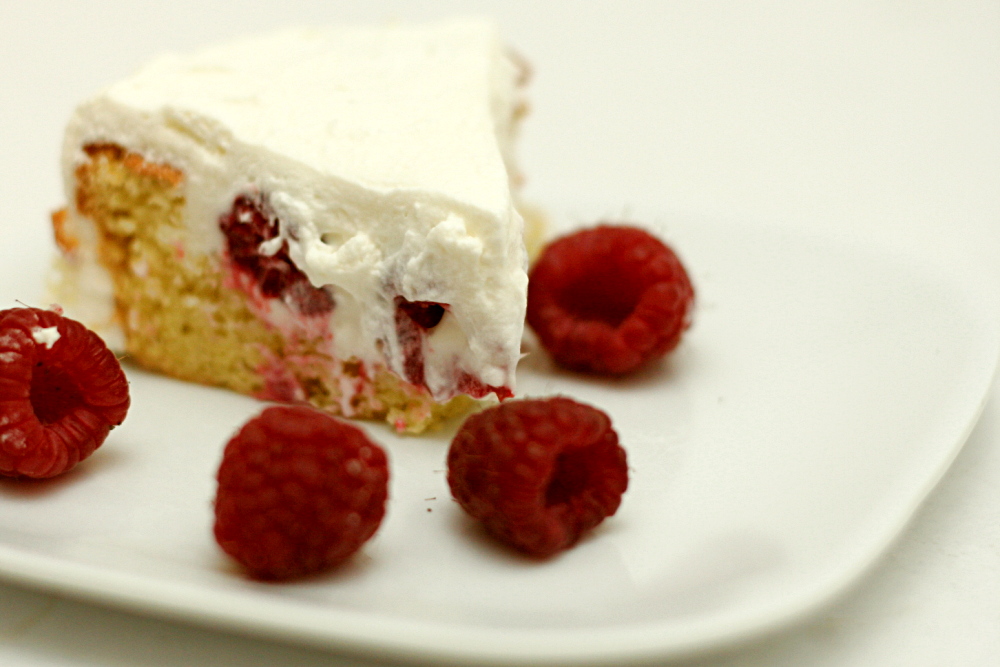
There were things I loved about this recipe – the cream cheese filling, raspberries of course (I lucked out and found good ones for a reasonable price), the whipped cream topping…so basically everything except the sunken cake. To be honest, I’m not sure I’ve ever had a genoise I loved. When I make this again, which will be soon if Dave has any say in the matter, I’ll just use a different vanilla cake recipe.

Mary Ann has posted the recipe.

One year ago: Maple Walnut Cupcakes

copy-of-img_1492