clafoutis

Copy of IMG_7738

Cooking, to me, isn’t a competition. It’s about sharing and exchanging ideas. Cooking for someone is like offering them a bit of a gift, and competition adds intimidation where there should be none. Plus, whether someone is more or less experienced than me when it comes to cooking, I’m sure I have something to learn from them. So I’ve never participated in a cooking contest.
Copy of IMG_7713

Um, until now. This one isn’t just about cooking, it’s also blogging, and it seemed too fun to pass up. The event is associated with the movie Julie and Julia, based on a book of the same name. I read this book years ago, and after the book, I went back and read Julie’s entire blog. In it, Julie Powell cooks her way through Julia Child’s thoroughly intimidating Mastering the Art of French Cooking in one year. Not only is the book fun and easy to read, the whole concept of cooking entirely through a book appeals to me.
Copy of IMG_7721

To enter, I had to cook and blog about a Julia Child recipe. I’ve owned MtAoFC for years. I’ve just never bothered to use it, at all. I figured the time would come when I was excited to pick it up, and I was right. After scanning through the book, I chose to make clafoutis.
Copy of IMG_7724

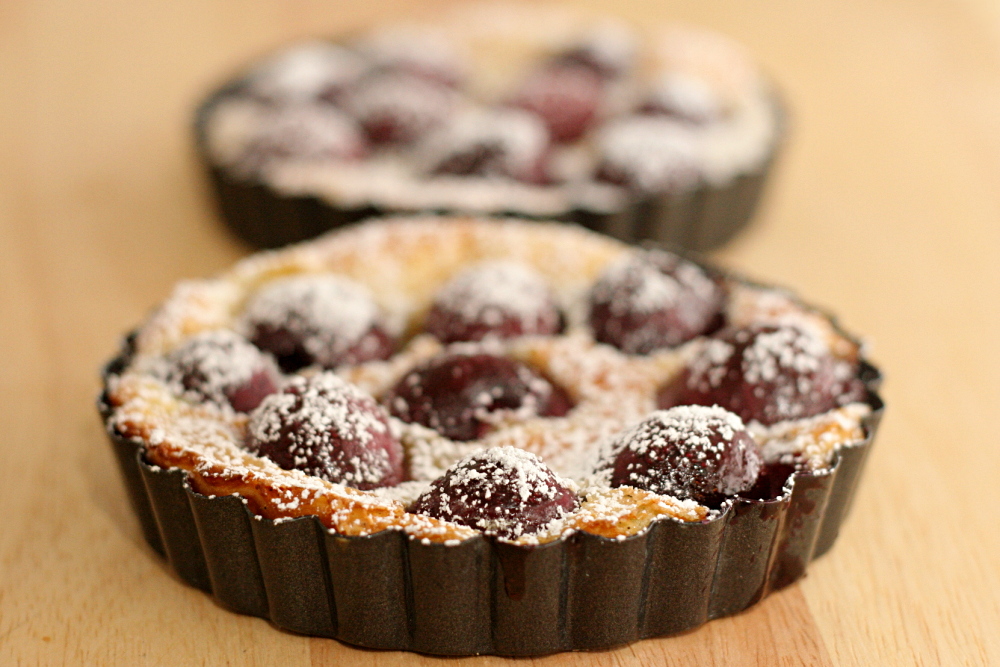
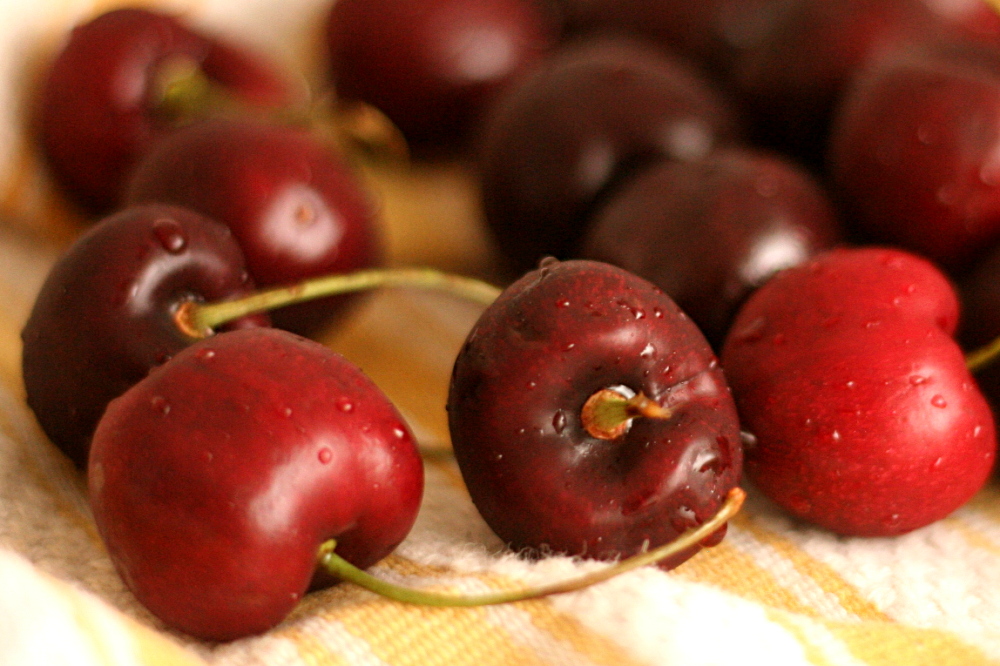
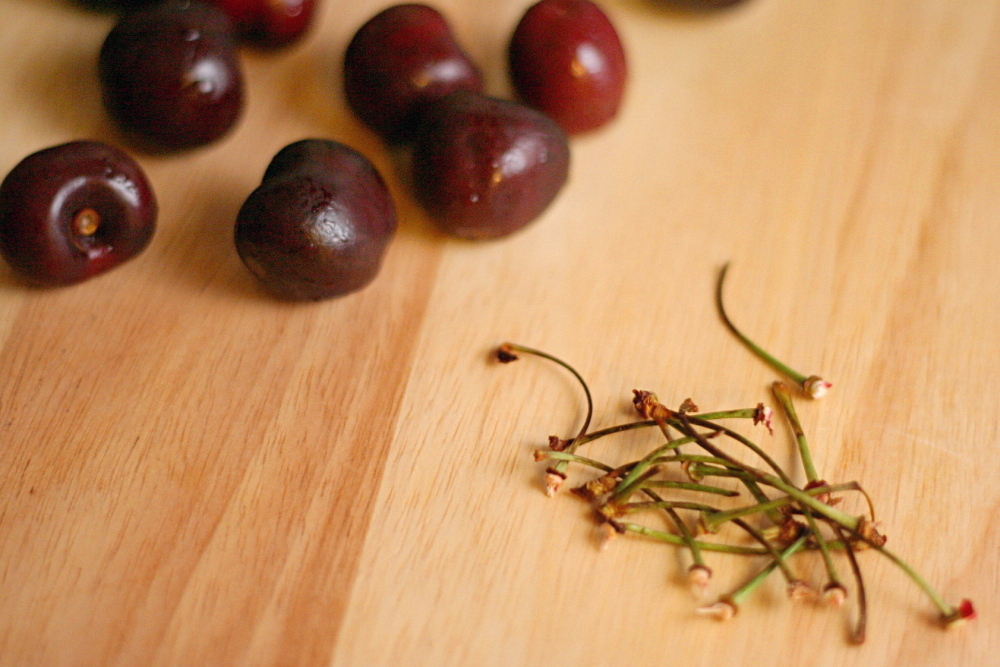
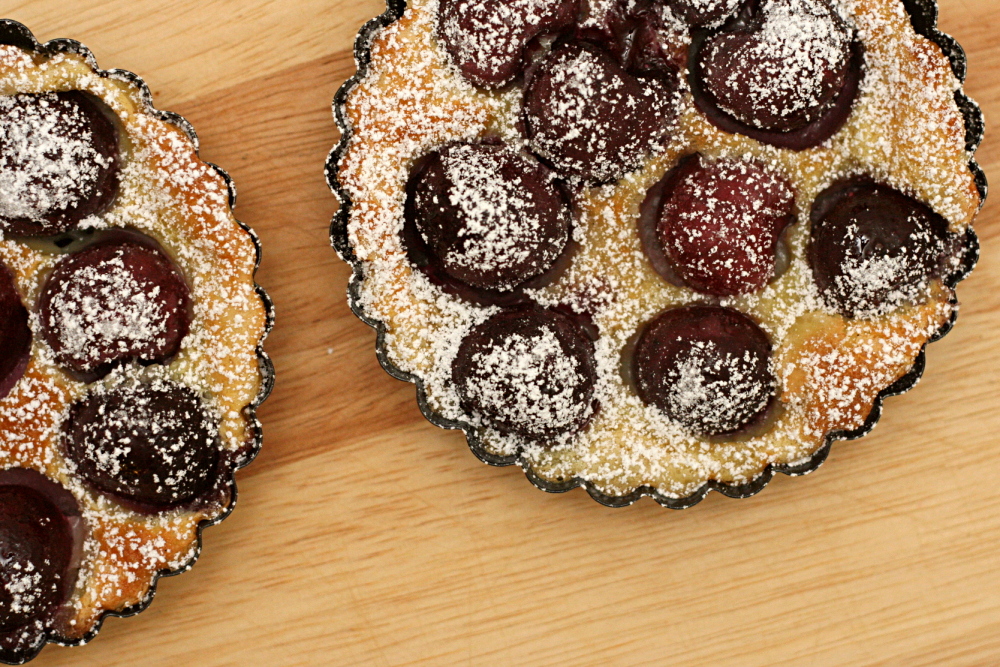
Clafoutis, it turns out, is really easy. The batter, which is similar to crepe batter or thin pancake batter, is mixed in the blender. Then it’s poured into a baking pan with cherries, topped with more sugar, and baked. To make it even easier, the cherries are traditionally left unpitted (although Julia does call for pitted cherries). Cherry pits release a bit of almond flavor as they’re heated, which is lost if the cherries are pitted before baking.

Copy of IMG_7729

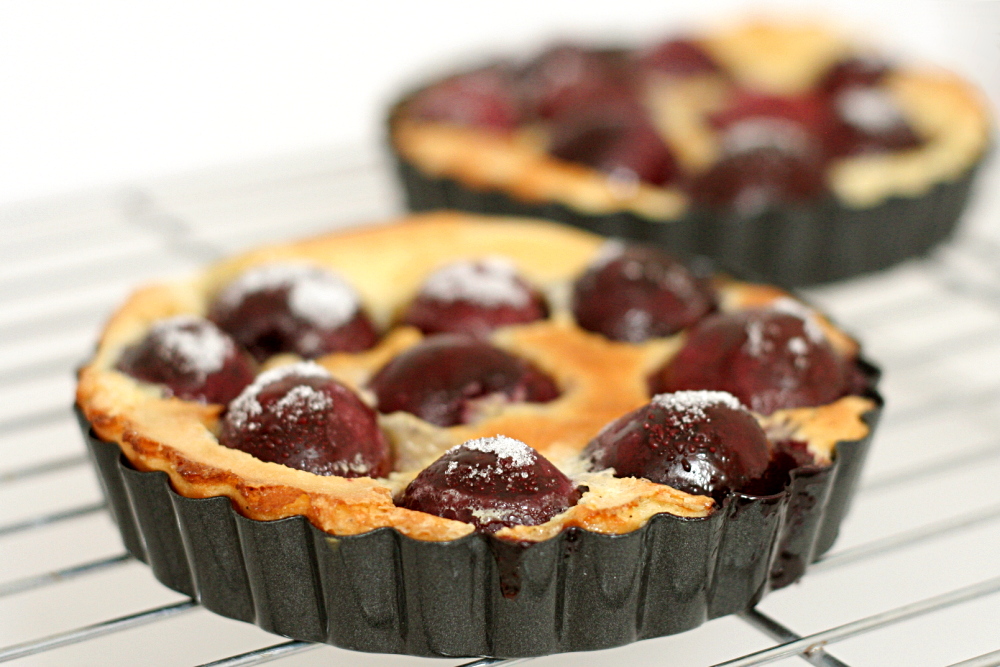
That being said, next time, I’ll pit the cherries, because the seeds were a little distracting. Other than that detail, this was a treat. You can’t go wrong with cherries in July, and these were just slightly tart and complimented the sweet batter. The batter cooks up moist and soft. What’s more, there’s no butter or oil in this dessert. So it’s fancy, easy, and relatively light – definitely a winner.

The contest winners are chosen through voting.  It’s an easy process with no sign-in required.  If you’d like to vote, click here.  I’m last on the list.  Thanks!
Copy of IMG_7734

One year ago: Comparison of 4 white cake recipes

Clafouti (slightly reworded from Mastering the Art of French Cooking, by Julia Child, Louisette Bertholle, and Simone Beck)

MtAoFC note: Use fresh, black, sweet cherries in season. Otherwise, use drained, canned, pitted Bing cherries, or frozen sweet cherries, thawed and drained.

My note: The only bit of funny business is that Julia calls for a Pyrex pan, then says to “set it over moderate heat.” Pyrex is not fit for stove use. I put the pan in the oven for a few minutes to let the batter set before continuing. I think you could also preheat the pan as the oven heats, and then the batter would set immediately after it’s poured in. (The batter isn’t especially cold, so it won’t shock the hot pan and cause it to shatter.)

For 6 to 8 people

3 cups pitted black cherries
1¼ cups milk
⅔ cup sugar, separated
3 eggs
1 tablespoon vanilla extract
⅛ teaspoon salt
½ cup flour (scooped and leveled)
powdered sugar

1. Preheat oven to 350F. Butter (or spray with nonstick spray) a 9-inch Pyrex pie pan.

2. Place the milk, ⅓ cup sugar, eggs, vanilla, salt, and flour in your blender jar in the order in which they are listed. Cover and blend at top speed for 1 minute.

3. Pour a ¼-inch layer of batter in the baking dish or pie plate. Set over moderate heat for a minute or two until a film of batter has set in the bottom of the dish. Remove from heat. Spread the cherries over the batter and sprinkle on the remaining ⅓ cup sugar. Pour on the rest of the batter and smooth the surface with the back of a spoon.

4. Place in middle position of preheated oven and bake for about an hour. The clafouti is done when it has puffed and browned, and a needle or knife plunged into its center comes out clean. Sprinkle top of clafouti with powdered sugar just before bringing it to the table. (The clafouti need not be served hot, but should still be warm. It will sink down slightly as it cools.)
Copy of IMG_7746

chocolate chip cookie experimentation

Copy of IMG_6823
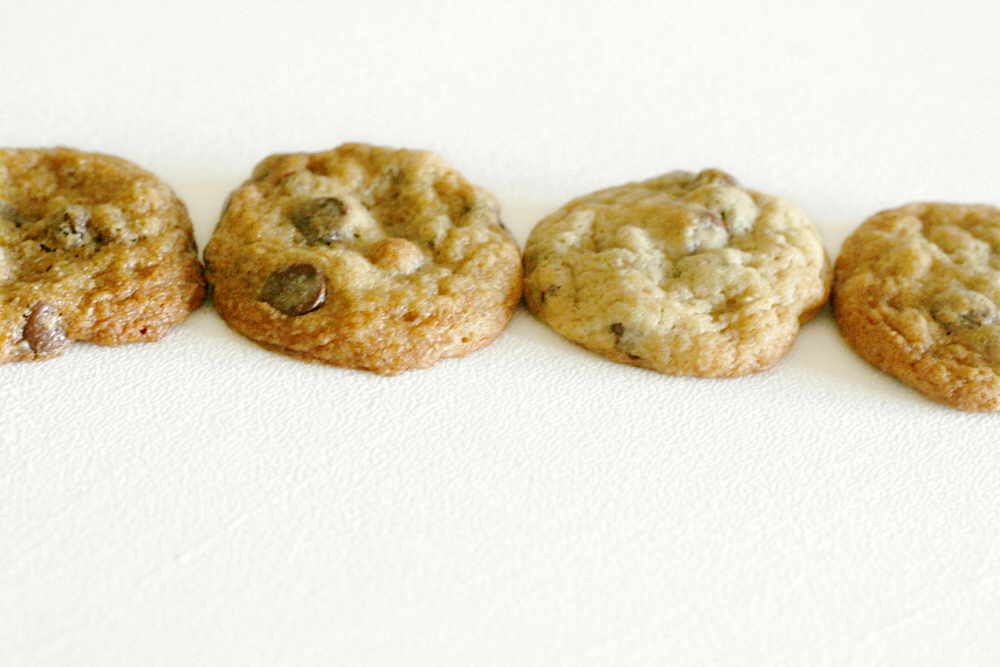
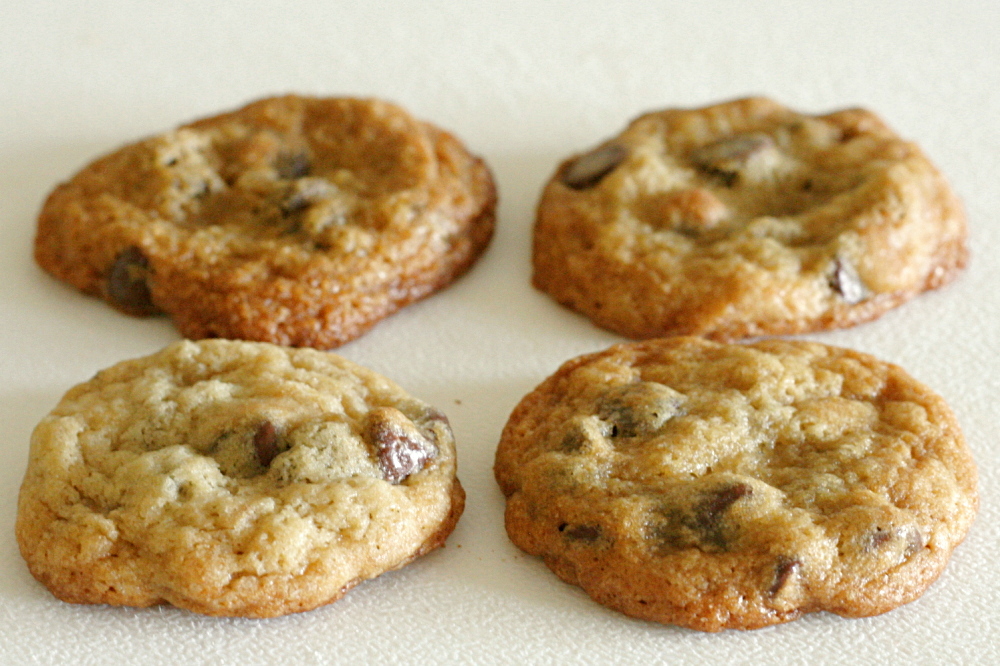
clockwise from upper left: #4 (whole wheat) #3 (yeast) #1 (control) #2 (bread)

I’m a scientist. I spent years working in labs, and I kid you not that what I did was combine ingredients and bake them. I did not, however, eat the results of those experiments. My cooking lately has become increasingly similar to my lab work. Notes are laboriously taken, samples are diligently labeled, variables are carefully controlled. But in this case, I do get to eat the results.  It’s a key difference.

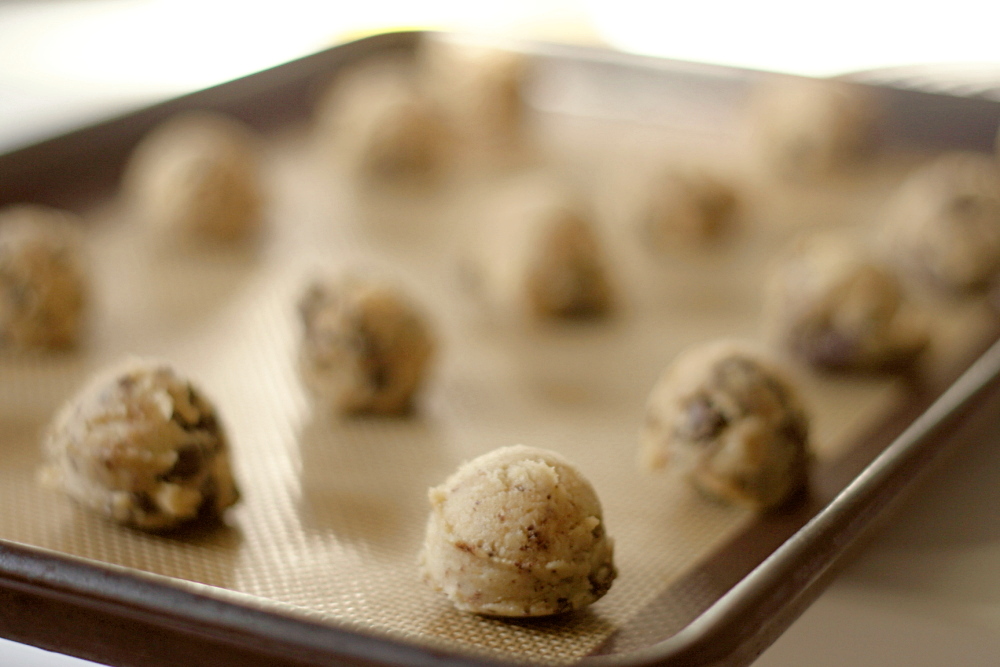
This comparison is a little different than ones I’ve done in the past, because I wasn’t looking at different recipes. Instead, I used a master recipe and varied just one component in each batch of cookies. I mixed the dough, flash-froze the dough balls, transferred them to plastic bags, then took them on a 9-hour (make that 10-hour, because we missed a turn) drive. I baked each batch without adjusting the oven temperature in between. I had four tasters (including myself). I did not tell the other tasters what the differences between the cookies were.

Copy of IMG_5967

Batch #1: This was my control recipe. A fairly standard chocolate chip cookie recipe, the only difference between this recipe and Tollhouse is an increase in the ratio of brown sugar to white sugar.

Batch #2: This was the same as Batch #1, except I used bread flour instead of all-purpose flour.

Batch #3: This was the same as Batch #1, except I added 2 teaspoons instant yeast. The idea to use yeast in chocolate chip cookies came from this recipe, which I liked quite a bit. (Thanks to branny for bringing this to my attention.) However, since the recipe differs from traditional chocolate chip cookie recipes in a number of ways – bread flour, browned butter, less butter per flour – I couldn’t be sure what roll the yeast played. This is what spurred this whole comparison.

Batch #4: This was the same as Batch #1, except I used whole wheat pastry flour instead of all-purpose flour.

Copy of IMG_6014

The results:

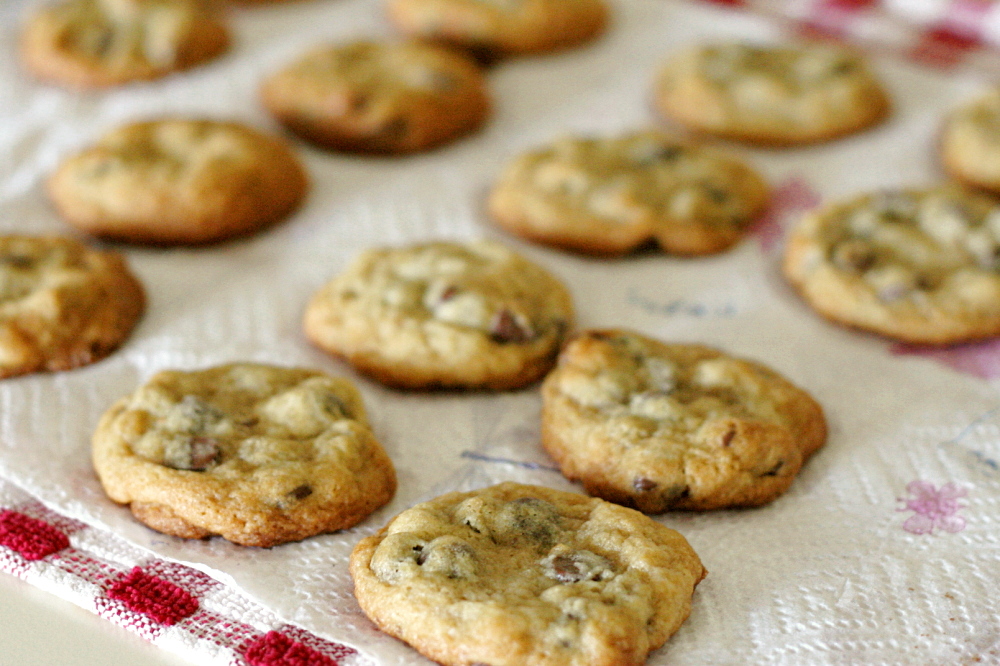
Batch #1: Frankly, these aren’t my ideal chocolate chip cookies. That’s okay, because the purpose of this experiment was to identify differences, not necessarily find an ideal. (My notes say, simply, “soft.” So much for laborious note-taking!) They tend to be a little too flat, a little greasy, and, yes, very soft.

Batch #2: Alton Brown knows what he’s doing when he uses bread flour to make his cookies chewy. These were the overall favorite, with a nice balance between the greasy side and the cakey side – i.e., chewy.

Batch #3: Yeast apparently makes cookies fluffy. We found this one a little too cakey for our tastes.

Batch #4: I probably should have substituted just half of the all-purpose white flour for whole wheat pastry flour. A complete substitution resulted in cookies that were greasy, flat, and grainy. The flavor was a bit nutty. Kind of what you’d expect from whole wheat cookies, I suppose.

Copy of IMG_6814a

Overall conclusions:

  1. Bread flour makes cookies chewier, taller, and less greasy (or drier).
  2. Yeast makes cookies more cakey.
  3. A 1:1 substitution of whole wheat pastry flour for all-purpose flour in cookies is a bad idea.
  4. I am obsessive, at least when it comes to cookies!

Copy of IMG_6820a
left to right: #4 (whole wheat) #3 (yeast) #2 (bread) #1 (control)

One year ago: Summer Rolls

Chocolate Chip Cookies, previously:
Chocolate Chip Cookies (4 recipes)
Chocolate Chip Cookie (Cook’s Illustrated’s “Perfect”)

Master Recipe for Chocolate Chip Cookie Experiments

Please note that I’m not saying that you can’t make good cookies without bread flour, or that yeast will make all cookies too cakey. These were just the results with this particular recipe. All I’m saying is that yeast makes cookies cakier, and bread flour makes them chewier.

2¼ cups (10.8 ounces) all-purpose flour
1 teaspoon table salt
1 teaspoon baking soda
16 tablespoons (2 sticks) unsalted butter, at room temperature
¼ cup (1.75 ounces) sugar
1¼ cups (8.75 ounces) brown sugar
2 eggs
2 teaspoons vanilla extract
2 cups (12 ounces) semisweet chocolate chips

1. Adjust an oven rack to the middle position. Heat the oven to 375F. Line a baking sheet with parchment paper or a silicone baking mat. In a small bowl, combine the flour, salt, and baking soda.

2. In the bowl of a stand mixer fitted with the paddle attachment (or a hand mixer, or a spoon or whatever), beat the butter until creamy. Add the sugars and beat on medium speed until fluffy. Add the eggs, one a time, mixing for one minute after each addition. Add the vanilla. Reduce the mixer speed to low and add the flour, mixing just until almost combined. Add the chocolate chips and pulse the mixer on low speed until the chips are dispersed and the flour is incorporated.

3. Drop rounded tablespoons of dough onto the lined baking pan, spaced an inch or two apart. Bake the cookies for 7-10 minutes, until slightly browned around the edges and just set in the middle. Cool the cookies for at least 2 minutes on the sheet before transferring to a rack to finish cooling. (If they still seem fragile after 2 minutes of cooling, you can just leave them on the sheet to cool completely.)

blancmanger

Copy of IMG_7625

Sometimes I have a hard time motivating myself to make certain things. Or, what I should really say is, I’m going through a cookies and cupcakes phase. Blancmanger is neither of those.

Copy of IMG_7615

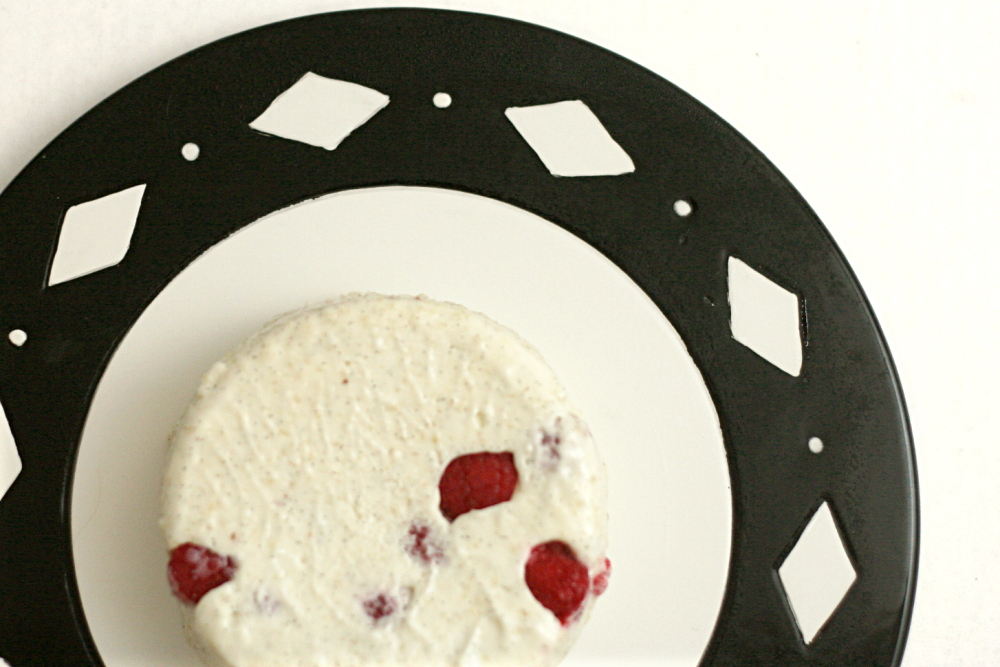
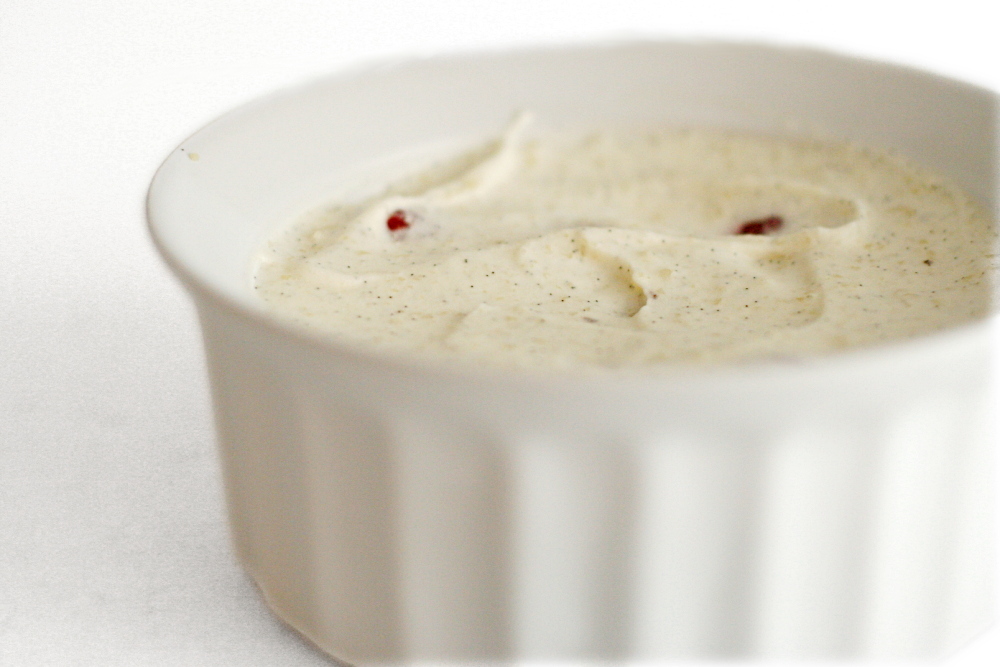
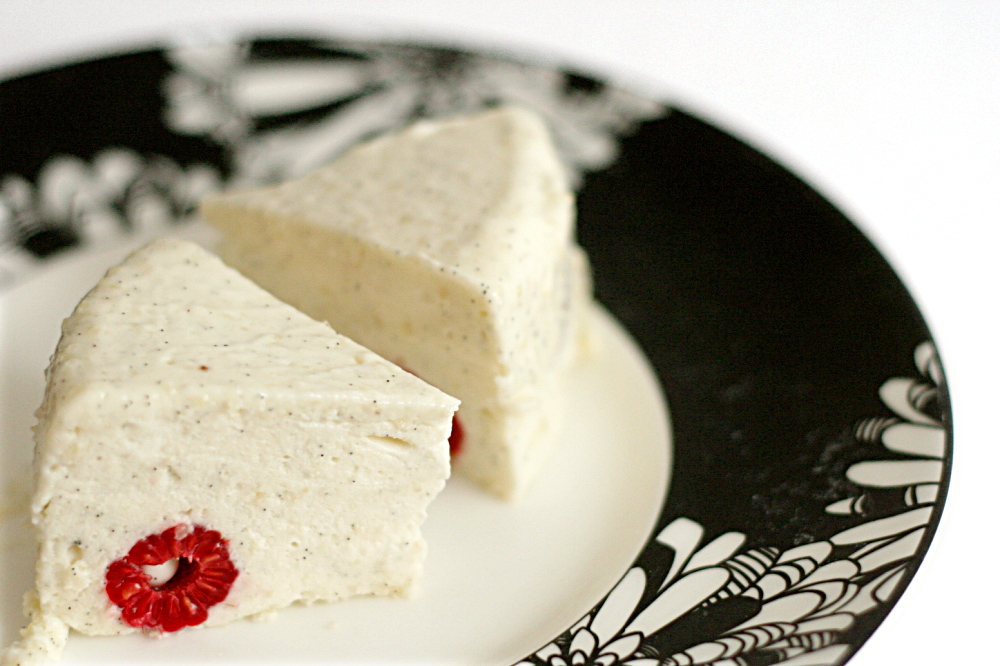
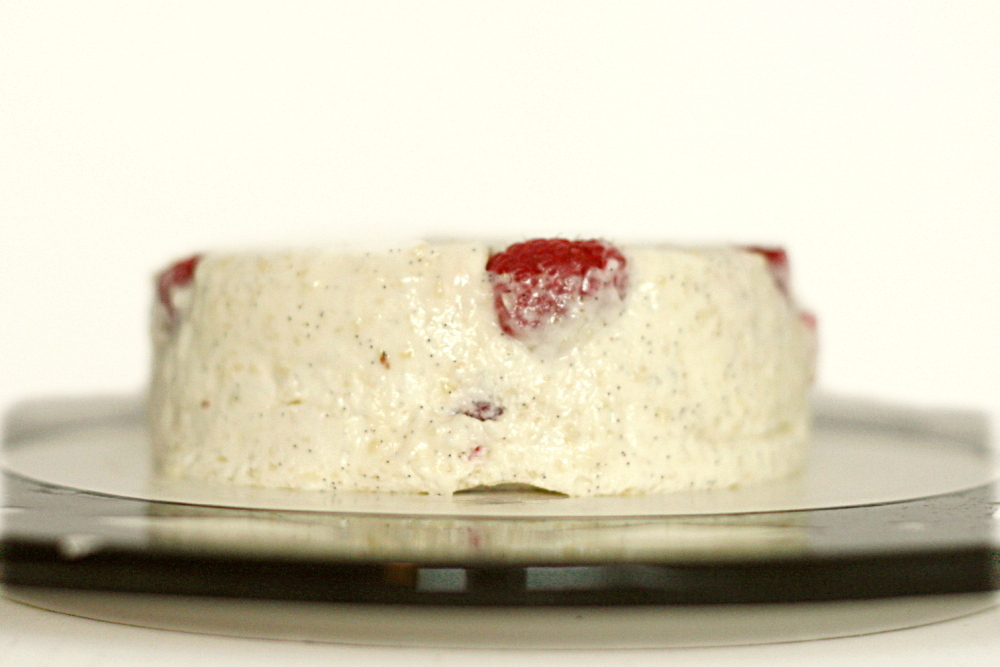
So what is it? Basically fancy whipped cream. First, you heat milk, ground almonds, sugar, and in my case, a ridiculous amount of vanilla seeds, and then you add gelatin to the mixture. Chill it a bit and stir in some whipped cream and fruit. Chill it some more. Unmold. Eat. Really, I thought it was going to be much more time-consuming than it was.

Copy of IMG_7617

It tasted pretty good too. You can maybe see that I went overboard with the vanilla – I had half a bean leftover from something else, so I used all of that, but I only made a third of the recipe. My blancmanger isn’t quite as pristinely white as Dorie’s, but it did taste nicely of vanilla.

Copy of IMG_7621

The only thing I wasn’t completely sold on with this recipe was the ground almonds, whose texture didn’t seem to complement the perfectly smooth cream base. In the future, I’ll probably keep my sweetened gelatinized cream without ground nuts – in other words, as panna cotta.

Copy of IMG_7629

Susan chose the blancmanger for Tuesdays with Dorie and has the recipe posted.

One year ago: Soba Salad with Feta and Peas

Copy of IMG_7627

puff pastry dough

Copy of IMG_6106

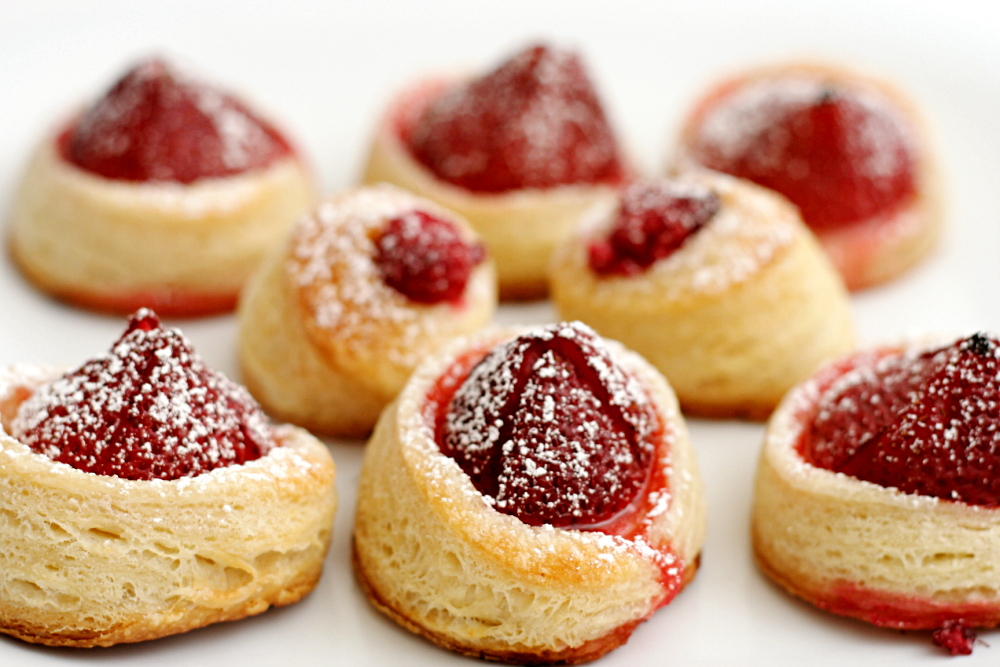
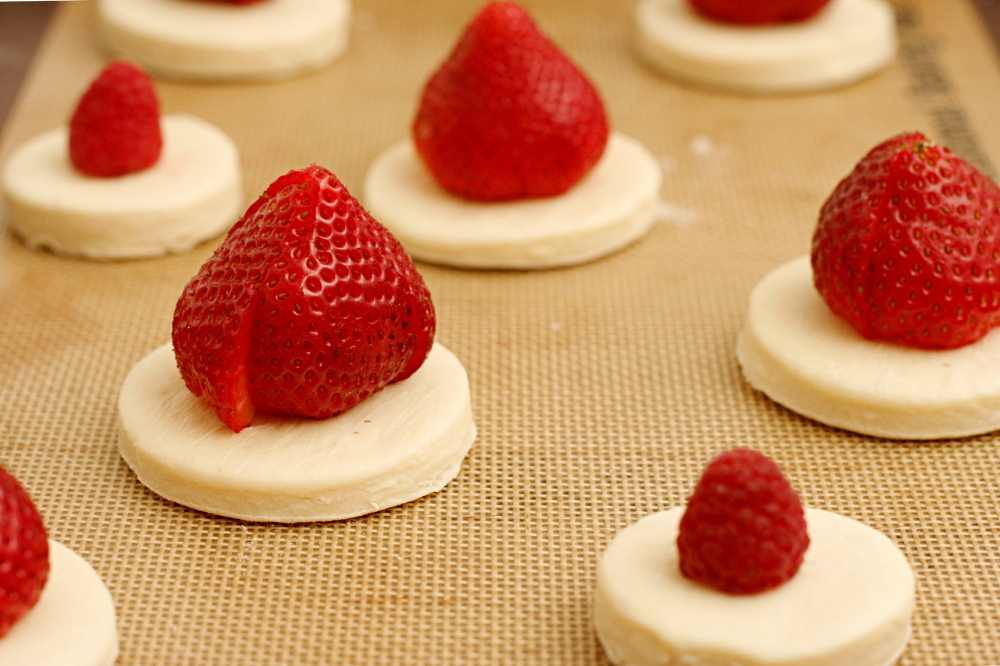
Remember when I made these? I was like, they’re so easy! Just cut out some puff pastry rounds, top with fruit and sugar, and bake until beautiful and buttery and perfect!

Copy of IMG_5968

Um. “Easy” isn’t really my thing when it comes to baking. I am determined to overcomplicate things.

Copy of IMG_5977

So I made my own puff pastry dough. I have tried the Pepperidge Farm stuff, years ago, and I don’t remember being particularly impressed. Plus, bleah, hydrogenated fat. I didn’t know where I could buy all-butter puff pastry dough and figured it would be easier to make my own than search for it.

Copy of IMG_5978

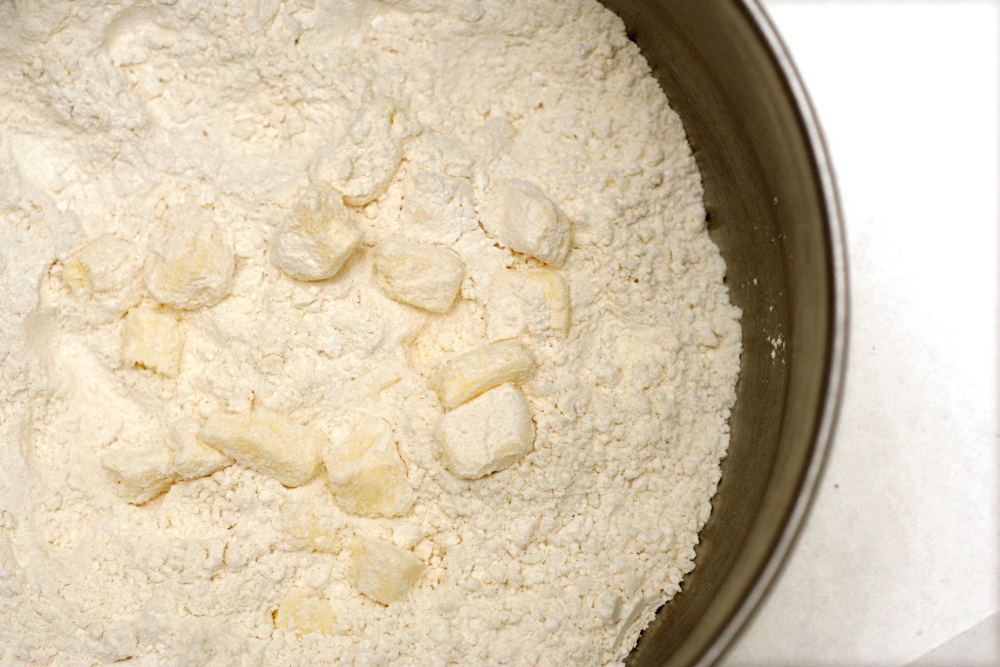
As it turns out, puff pastry isn’t all that hard to make. The first steps are similar to pie dough. You mix flour, salt, and sugar, then cut in butter. Then, because pie dough isn’t fattening enough on its own, you work a square of butter into the dough.

Copy of IMG_5981

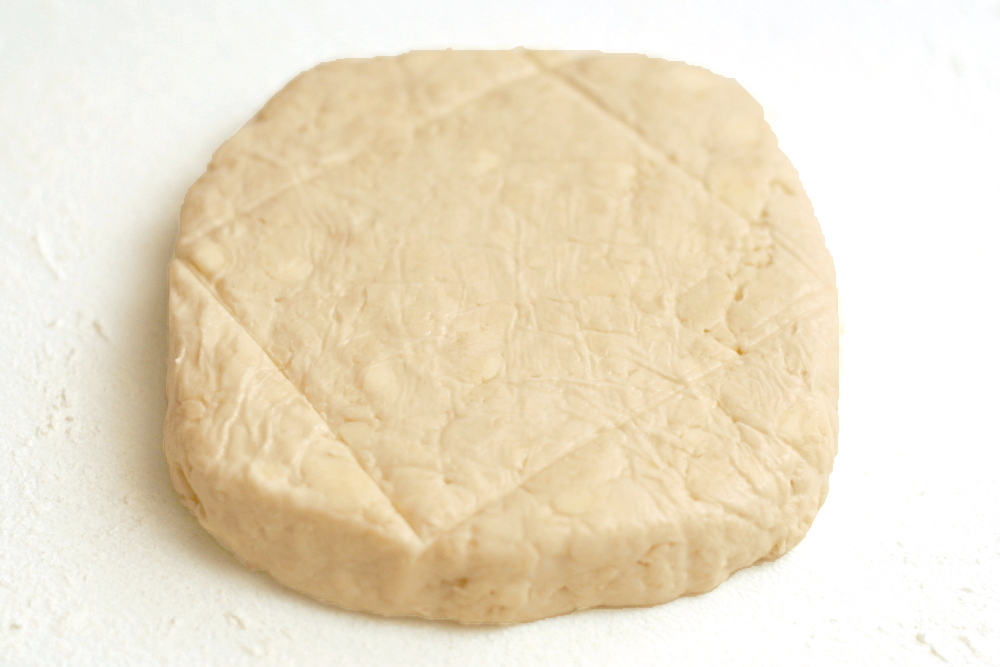
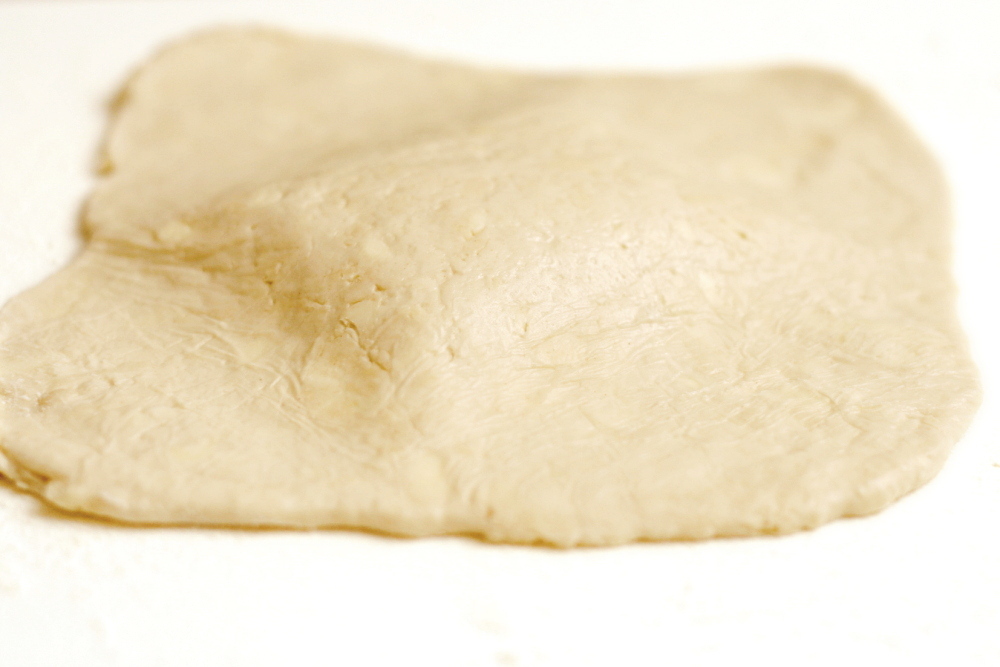
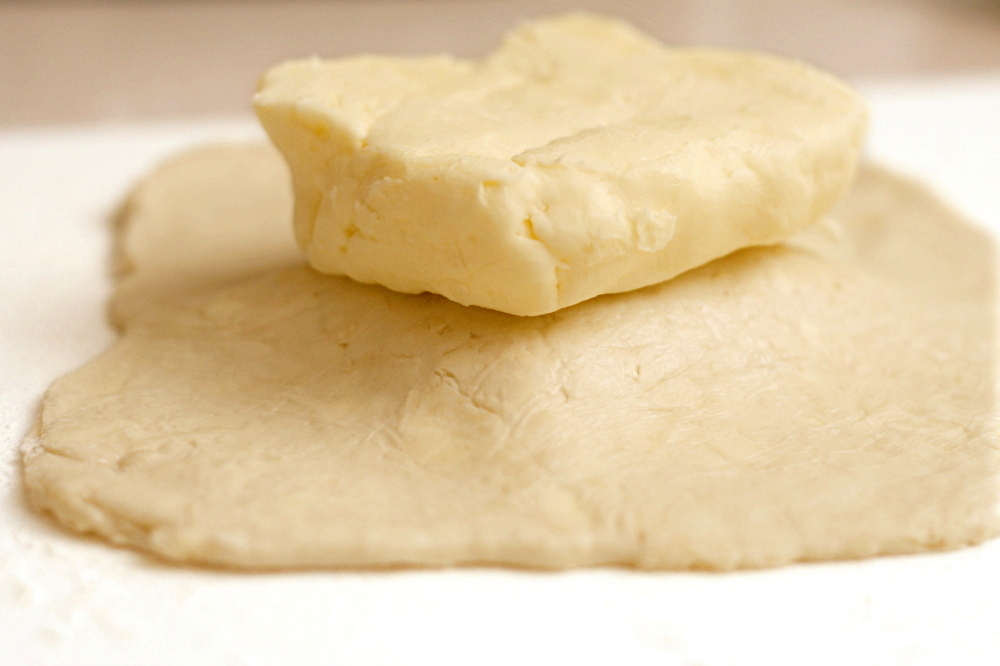
The directions for this are a bit tricky, and I think I would have had difficulty without a series of photos to follow. What you do is roll out the dough into a square that’s about twice the size of your square of butter. You place the butter square in the middle of the dough square, with the corners of the butter in the middle of the sides of the dough. (Uh…did you get that?)

Copy of IMG_5983

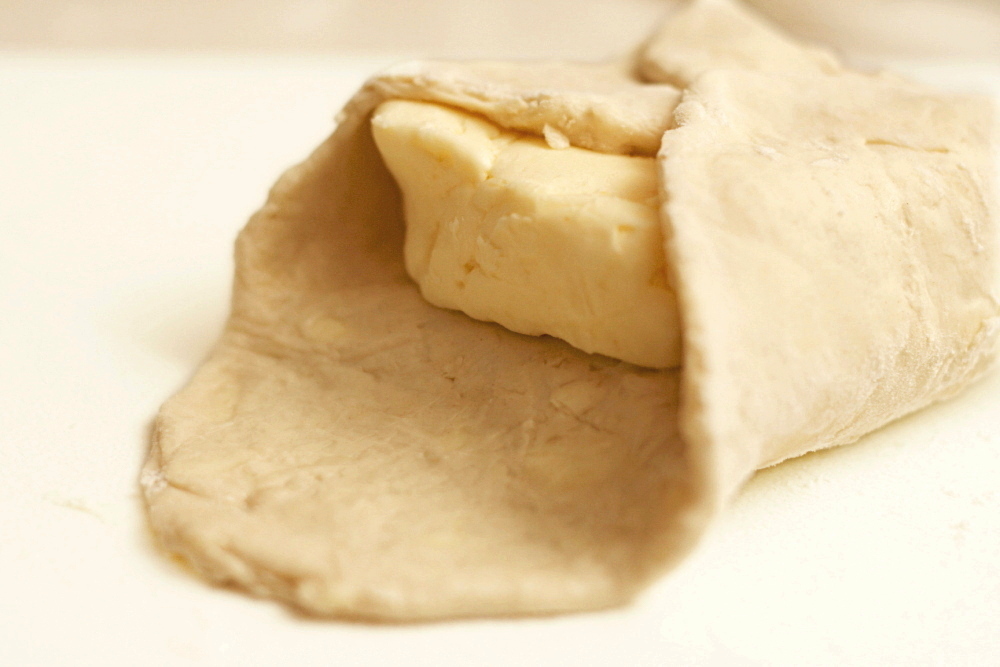
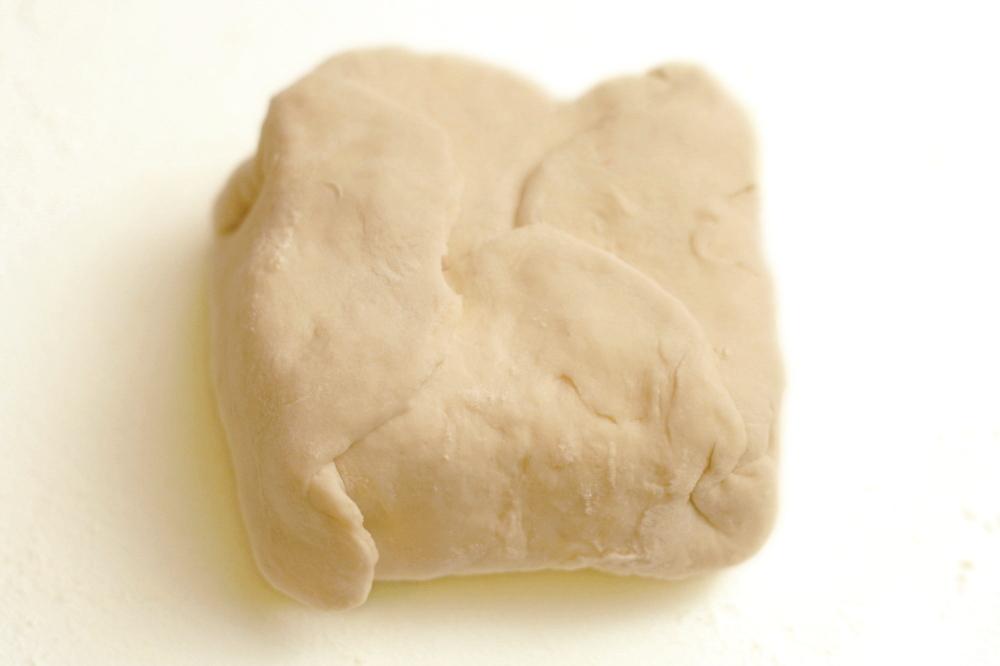
Then take the butter off and roll just the corners of the dough where the butter didn’t overlap. (Uh…did you get that?) You’re creating four flaps from the corners, but the middle, where the butter was, stays thicker. Once you’ve rolled out the flaps, put the butter back in the center of the dough and fold the flaps over. Now you have a nice little packet.

Copy of IMG_5984

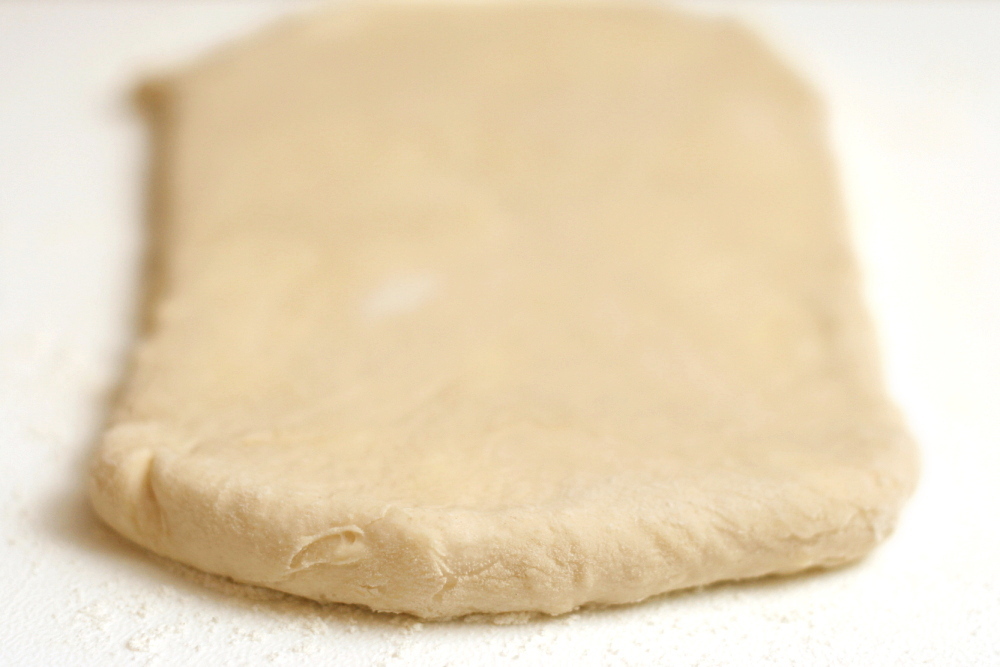
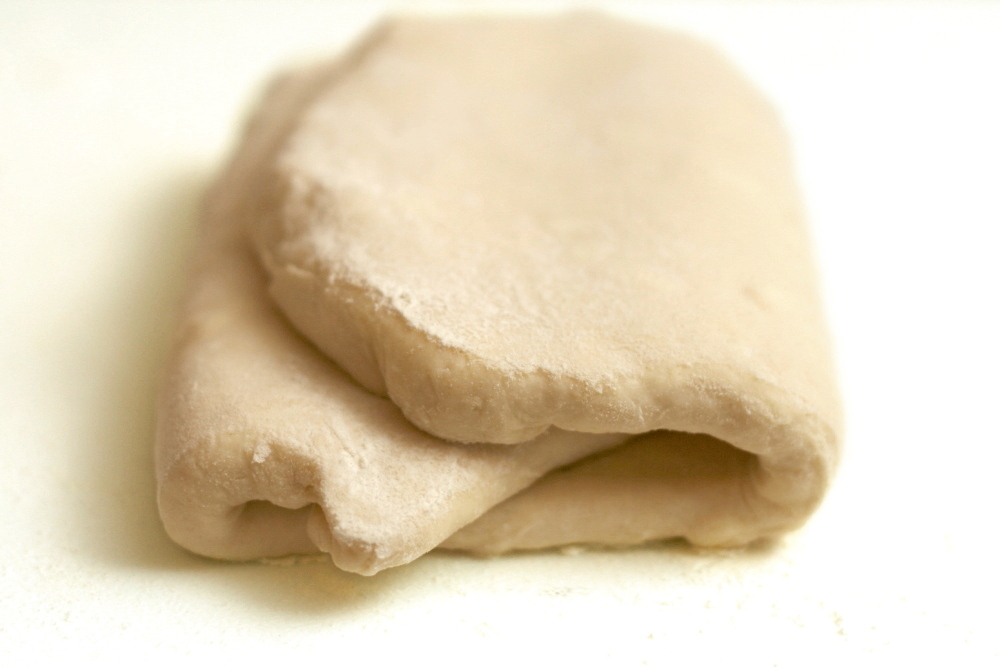
Roll the whole thing out, then fold it into thirds like a piece of paper going into an envelope. Then do that again. And again. And again and again and again. You’ll want to chill it in between there occasionally, and it sounds like a lot of rolling and folding, but the dough is really easy to work with, and each roll-and-fold takes maybe one minute. (I’ve been making a lot of croissants lately, which also involves rolling-and-folding, but croissant dough is much more difficult to work with due to its elasticity.)

Copy of IMG_5985

And then, you’re done. Then it’s just like having the store-bought stuff, except buttery-er. You can make whatever recipe you want, whether it be fruit tarts, pot pie, turnovers, cheese straws…etc… It’s versatile, it’s delicious, and it isn’t as hard as you think.

Copy of IMG_5987

One year ago: Chocolate Pudding

Puff Pastry (from Martha Stewart’s Baking Handbook)

Makes about 3 pounds

I accidentally added all of the flour into the dough and then didn’t add any flour to the butter package. Everything still went smoothly.

3 cups (14 ounces) all-purpose flour, plus more for dusting
1 cup (5 ounces) cake flour (not self-rising)
1 tablespoon salt
1 tablespoon sugar
1 pound (4 sticks) unsalted butter, cold, plus 1 stick (½ cup), cold, cut into small pieces
1 teaspoon white wine vinegar or freshly squeezed lemon juice

1. In a large bowl, combine 2¾ cups (12.85 ounces) all-purpose flour with the cake flour, salt, and sugar. With a pastry blender, cut in the butter pieces (1 stick) until the mixture resembles coarse meal, with a few larger clumps remaining. Make a well in the center, and pour in 1 cup cold water and the vinegar, gradually drawing the flour mixture over the water, gathering and combining until mixture comes together to form a dough. If the dough is too dry, add more cold water, 1 tablespoon at a time. Knead gently in the bowl, and form dough into a rough ball. Wrap in plastic, and refrigerate until well chilled, at least 40 minutes or up to 2 hours.

2. Sprinkle 2 tablespoons all-purpose flour on a sheet of parchment. Lay remaining 4 sticks of butter on top, side by side; sprinkle with remaining 2 tablespoons flour. Top with more parchment; pound butter with a rolling pin until it’s about ½ inch thick. Remove top paper, fold butter in half, replace paper; pound butter until it’s about ½ inch thick. Repeat two or three more times until it is pliable. Using a bench scraper, shape butter into a 6-inch square; wrap in plastic, and refrigerate until chilled, about 10 minutes.

3. Lightly dust work surface with flour. Roll out dough to a 9-inch round; place butter package in center. Using a paring knife or bench scraper, lightly score dough to outline butter square. Remove butter; set aside. Starting from each side of marked square, gently roll out dough to form flour flaps, each 4 to 5 inches long; do not touch square. Return butter to center square; fold flaps over butter. Press with your hands to seal.

4. With the rolling pin, gently pound the dough all over in regular intervals until it is about 1 inch thick; this will soften the dough, making it easer to roll. Working in only one directly (lengthwise), gently roll out the dough to a 20-by-9-inch rectangle, squaring corners with the side of the rolling pin or your hands as you go. Using a dry pastry brush, sweep off excess flour. With a short side facing you, fold the rectangle in thirds like a business letter. Turn the dough a quarter-turn clockwise, so the flap faces right, like a book. (This completes the first turn.) Roll out the dough again to a 20-by-9-inch rectangle, rolling in the same lengthwise direction; fold dough again into thirds. (This completes the second turn.) Wrap dough in plastic and refrigerate until well chilled, about 1 hour.

5. Repeat the rolling, turning, and chilling process for a total of six turns; always start each turn with the opening of the dough to the right. (If at any time, the dough becomes too soft to work with, return it to the refrigerator until firm.) Wrap dough in plastic; refrigerate 3 to 4 hours before using the dough.

Copy of IMG_6092

dried fruit compote

Copy of IMG_6047

As food blogging becomes more popular and more established, companies will start to take advantage of that to draw attention to their products. At some point, it seems that most food bloggers will have to ask themselves what their policy toward accepting free stuff for review is.

Copy of IMG_6029

Michael from Bella Viva Orchards offered me a box of dried fruit, and I was particularly charmed by the disarming honesty with which it was offered: “Perhaps, if you enjoy our fruit, you may want to use it in one of your recipes in your blog, which could be very helpful to us.” Very diplomatic.

Copy of IMG_6034

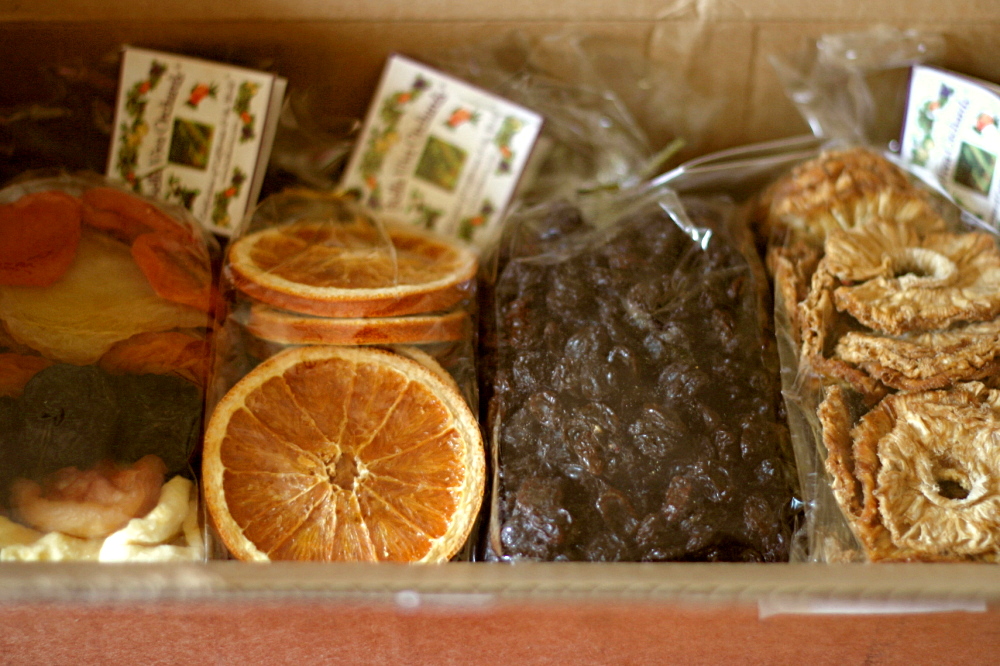
He offered to let me choose the fruit, but I was so overwhelmed by Bella Viva’s huge selection that I let him pick. The fruit arrived soon afterward, packaged beautifully. I received unsweetened pineapple, raisins, mixed fruit, and orange slices. The pineapple, I just snacked on, and it was delicious. I’ve never understood why most dried pineapple is candied – isn’t pineapple sweet enough on its own? I also snacked my way through most of the bag of raisins. I didn’t think I liked raisins, but they became a perfect late afternoon snack for me.

Copy of IMG_6022

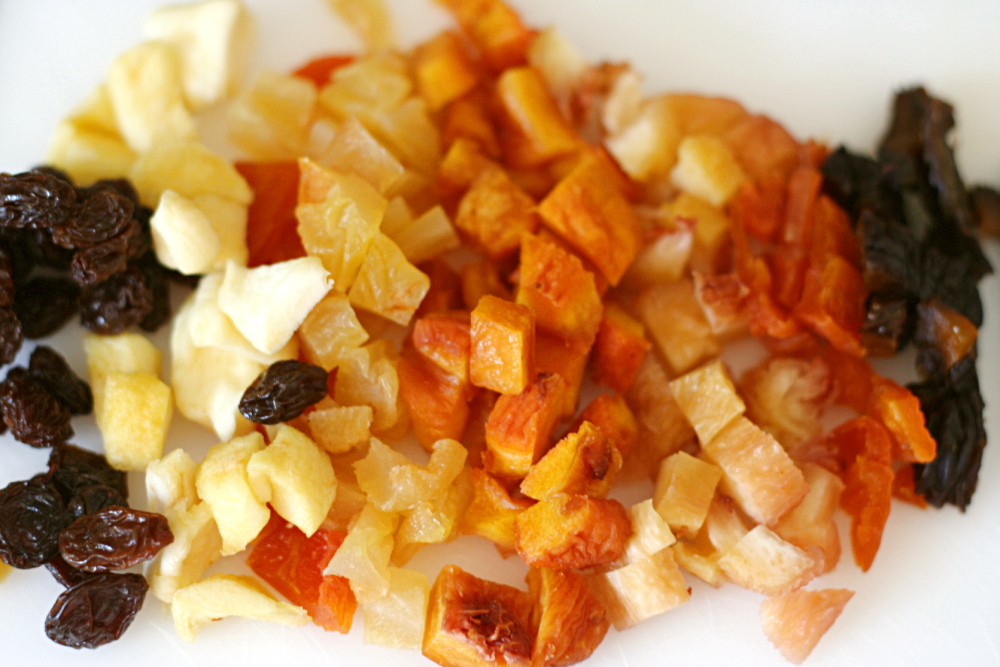
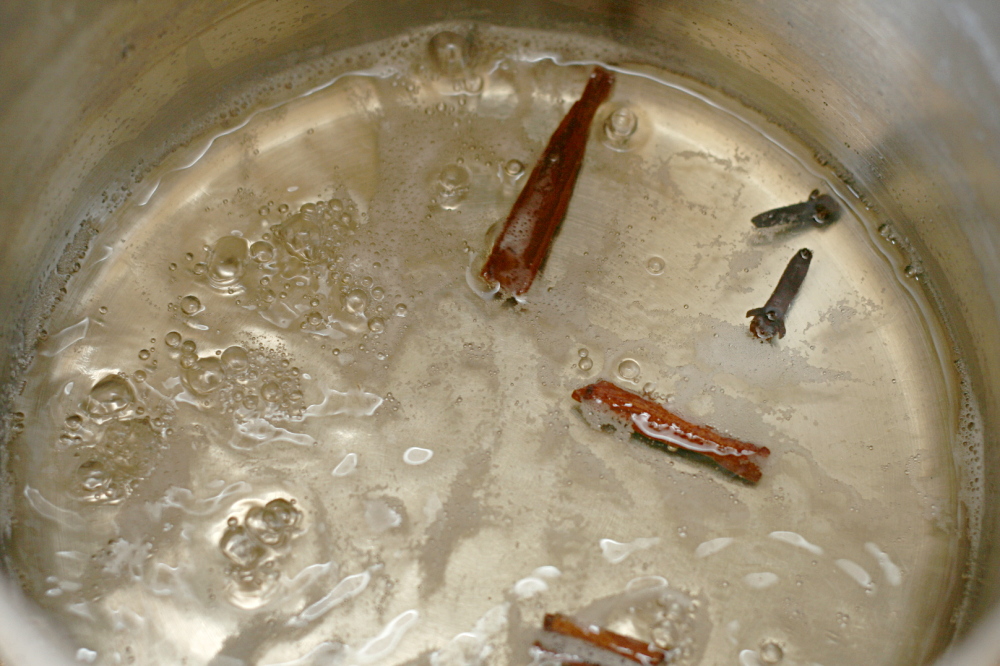
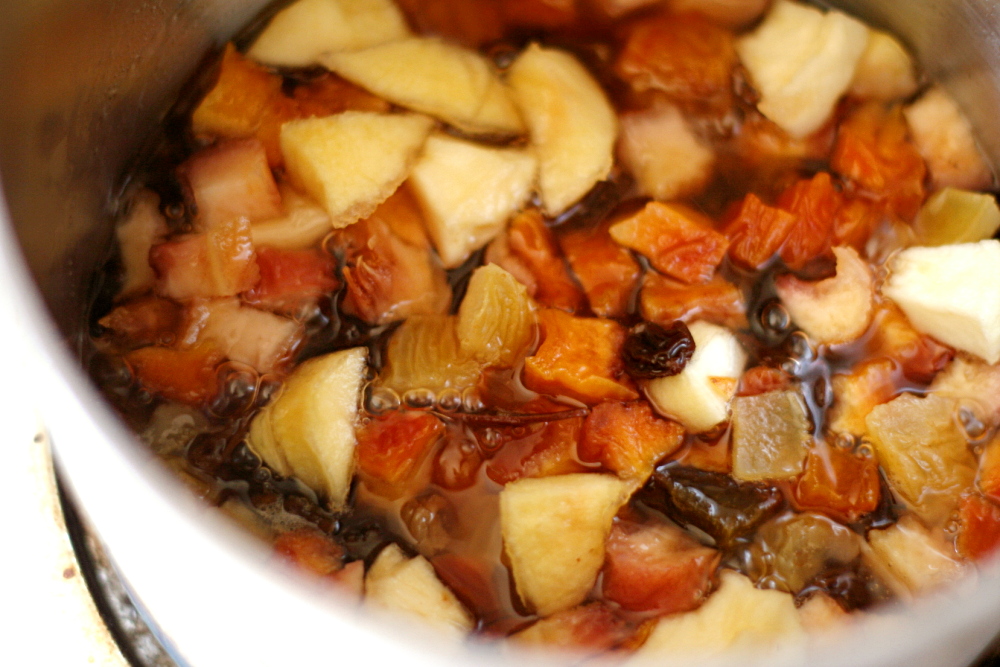
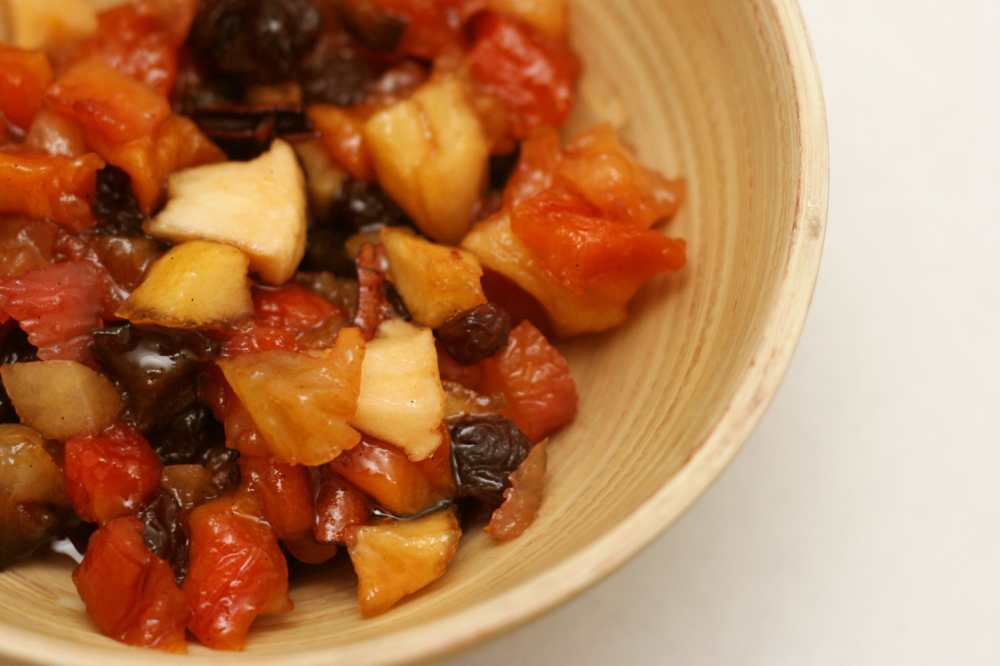
I thought a compote would be nice for the mixed fruit. This recipe starts with white wine, which is mixed with warm spices and simmered until it’s slightly reduced. Then the fruit is added, along with water, and the mixture is simmered until it’s syrupy and the fruit is softened. The recipe calls for a mixture of apricots and plums, but I wanted to use as much of a variety as possible. My mixed fruit package contains apples, plums, nectarines, peaches, pears and apricots, and I threw in some of the raisins too.

Copy of IMG_6040

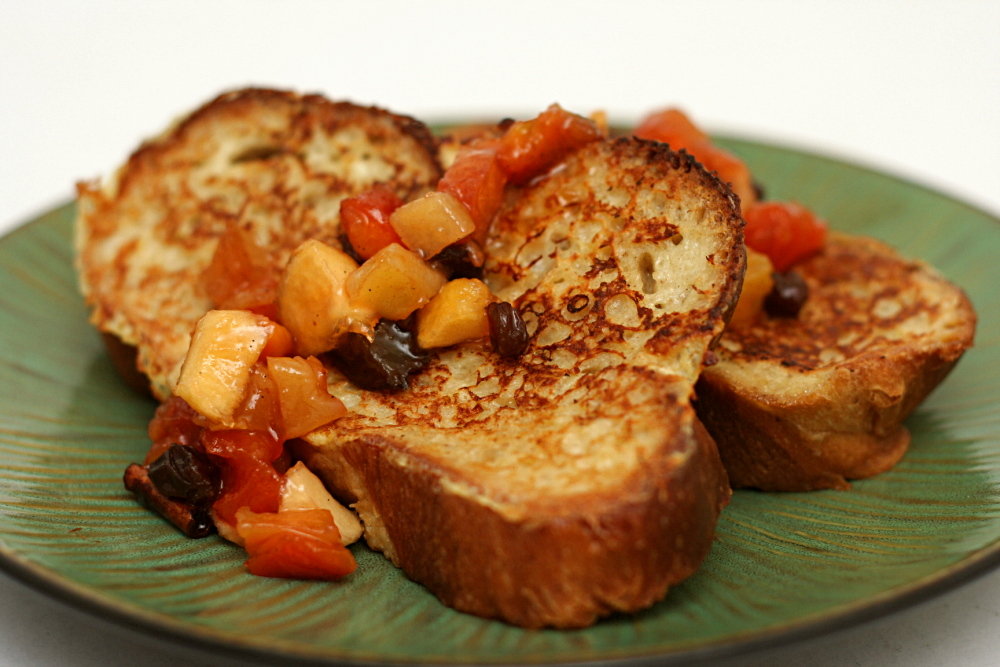
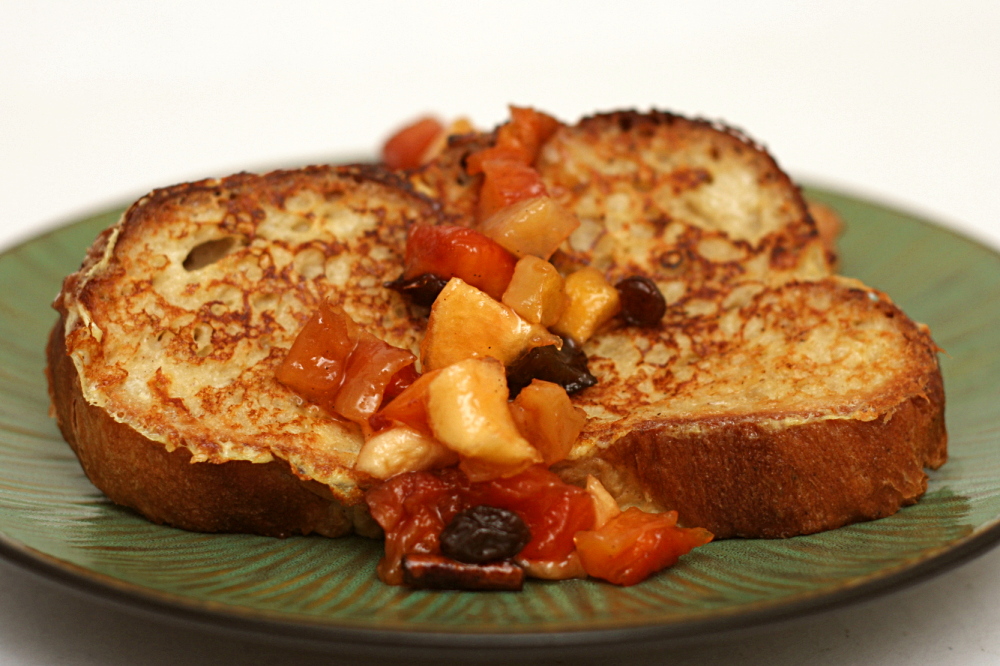
Always looking for an excuse to have wine for breakfast (even wine that’s been cooked for 35 minutes, I suppose), I served the compote with French toast. It was great! Sweet and spiced, but still with a nice tartness from the fruit. It isn’t the most seasonal recipe right now, but come winter, this will be a handy topping to have around.

I don’t know that I’ll continue to accept products for review, but I definitely enjoyed it this time. My experience with Bella Viva Orchards was very positive, from the customer service to the quality of the fruit. I even have my very own coupon code! If you order something from Bella Viva’s website, enter “cookie” as the coupon code to save 10%.

Copy of IMG_6044

One year ago: Chicken with 40 Cloves of Garlic – best chicken ever

Dried Fruit Compote in Spiced Syrup (adapted slightly from Food and Wine)

Makes 10 servings

1½ cups dry white wine
¾ cup (5.25 ounces) sugar
1 cinnamon stick
8 whole cloves
1¼ pounds (20 ounces) mixed dried fruit, coarsely chopped (3 cups)
2 cups cold water
1½ tablespoons pure vanilla extract

In a large saucepan, combine the white wine, sugar, cinnamon stick and cloves and bring to a boil over high heat. Simmer over low heat for 10 minutes. Add the dried fruits, water and vanilla extract and bring to a boil. Simmer over low heat until the fruit is plump and the liquid is slightly syrupy, about 25 minutes. Discard the cinnamon stick and cloves. (The fruit compote can be refrigerated for up to 1 week.)

Copy of IMG_6046

tribute to katharine hepburn brownies

Copy of IMG_7294

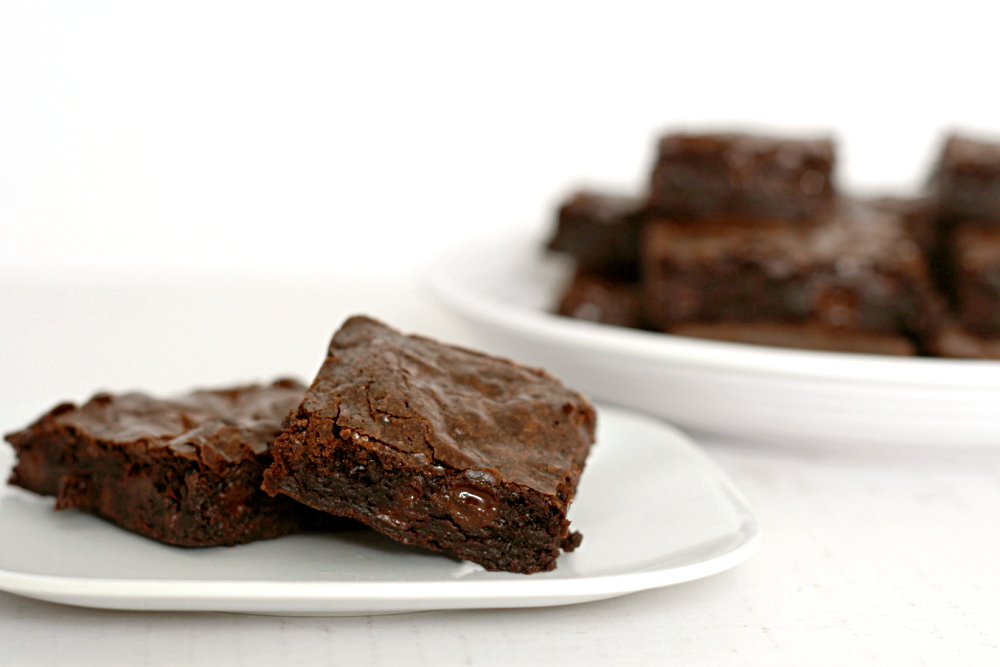
I allowed myself a special treat this time – I made the whole recipe. It’s rare that I get to bake without doing fractions or figuring out pan dimensions, and it’s so nice to be able to actually rely on the baking times in the recipe. To say nothing of having a pan of brownies around all weekend for easy snacking.

Copy of IMG_7246

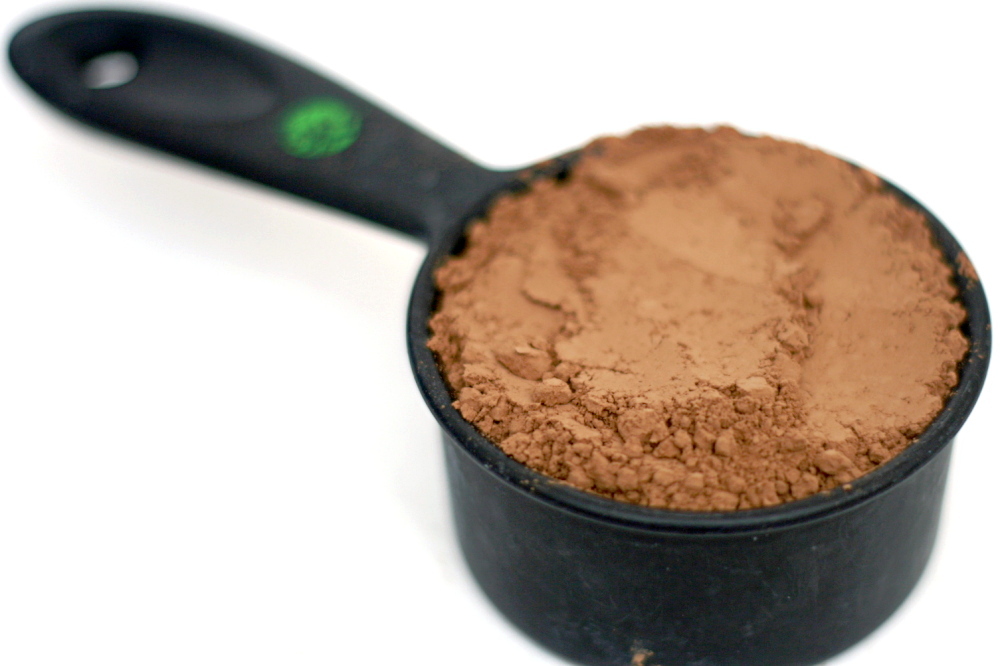
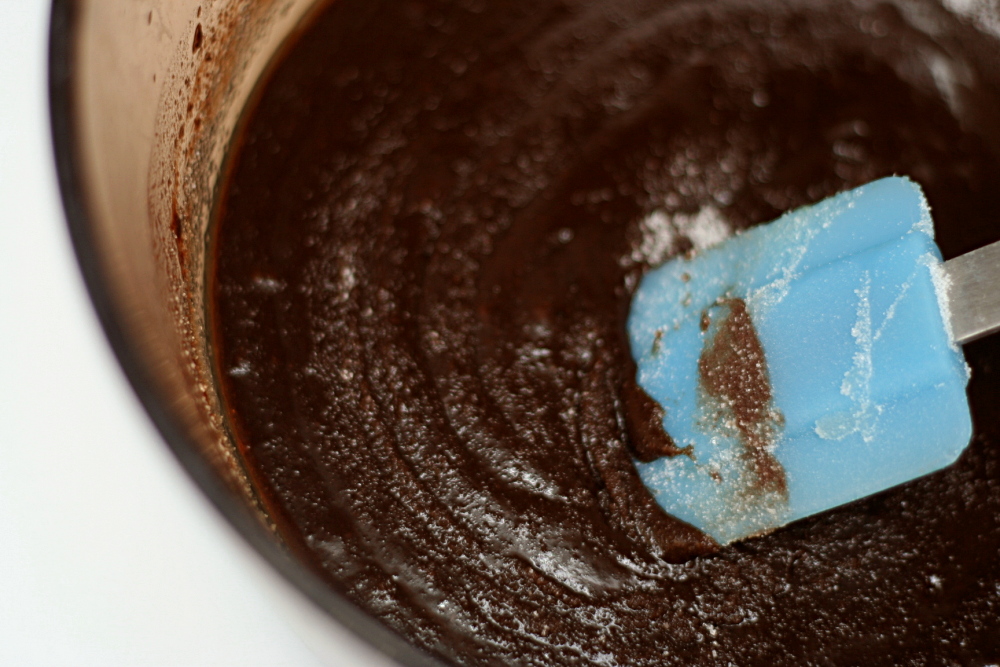
Most brownie recipes that I’ve made start with melting butter and chocolate over a double boiler, then stirring in sugar, eggs, and the dry ingredients (flour, salt, maybe some leavener). This recipe follows that same basic format, except instead of melting chocolate and butter together, cocoa is stirred into the already melted butter. I admittedly have a prejudice against cocoa being the primary source of chocolate in a chocolate dessert, but it’s mostly unfounded.

Copy of IMG_7249

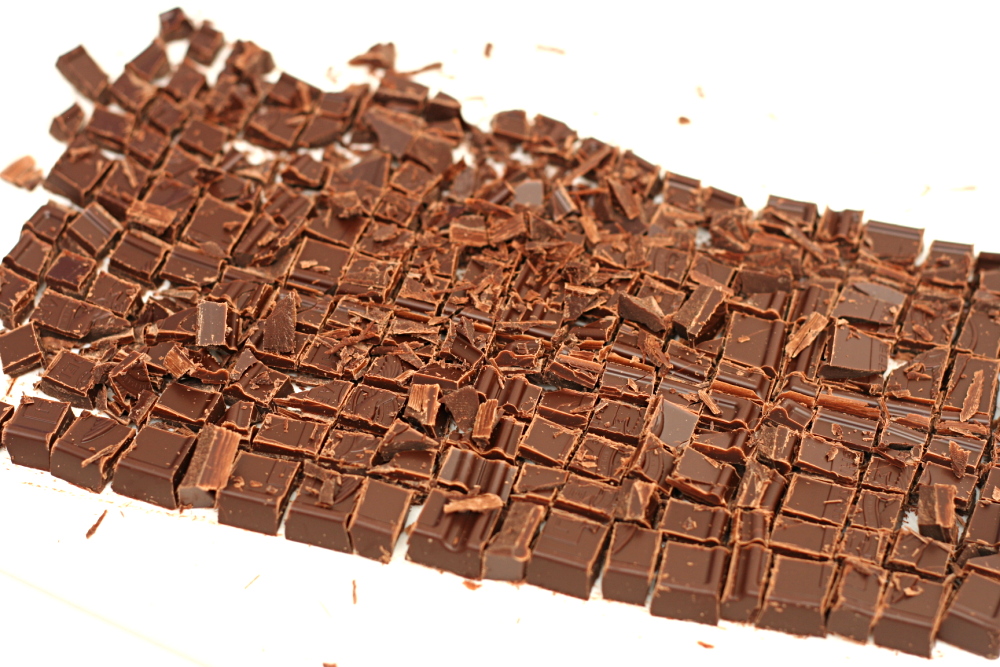
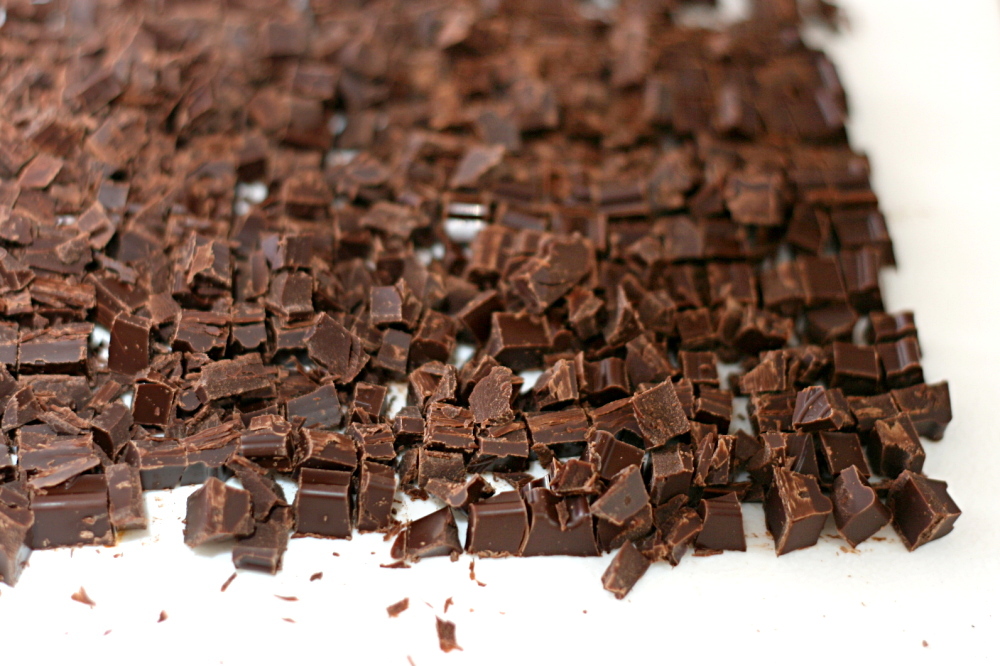
At least chocolate is included somewhere. Not really one for crunchy mix-ins in my brownies, I very finely chopped the chocolate that was stirred into the batter. I was also hoping that tiny chocolate bits would melt into the batter and give me an overall deeper chocolatelyness than cocoa alone can provide.

Copy of IMG_7253

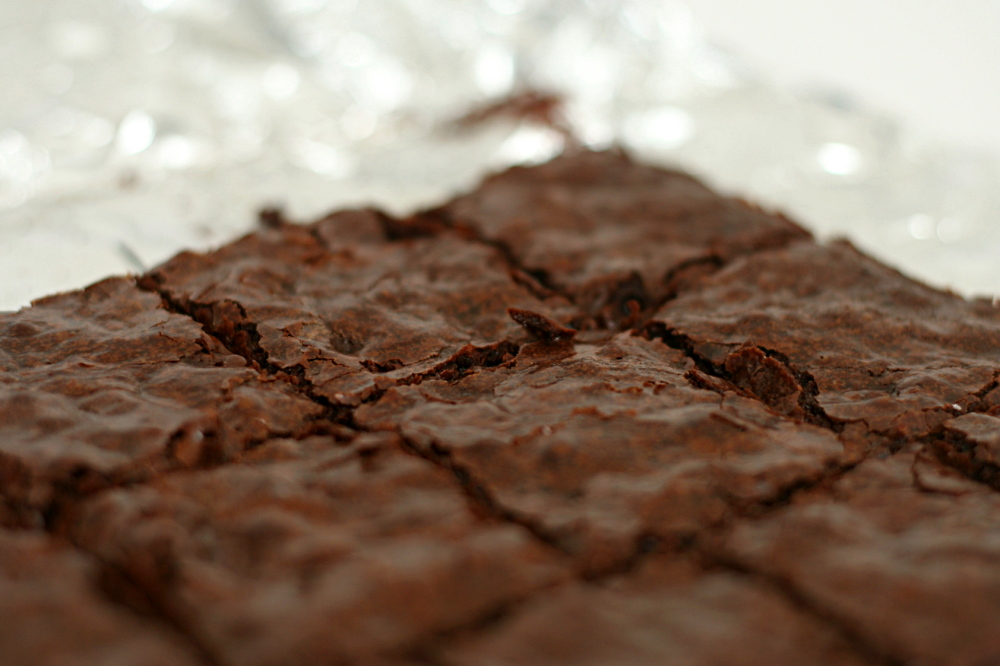
A number of bakers commented that after the recommended 30 minutes of baking, their brownies were still exceedingly gooey. Mine, however, were perfect – intensely fudgy, yes, but certainly cooked all the way through. I can only surmise that this must be a difference in the material of the pan and perhaps inaccuracies in our ovens’ thermometers.

Copy of IMG_7280

The brownies were perfect for what I wanted them for – sundaes with vanilla ice cream and raspberry sauce. And they weren’t so bad for random snacking either.

Lisa, who isn’t a member of Tuesdays with Dorie but won a recent logo design contest, chose this recipe and has the recipe posted on her blog. I skipped the nuts, and I’d use about half the amount of coffee called for.

One year ago: Vanilla Ice Cream (Apparently I’m all about the vanilla ice cream in the beginning of July.)

Copy of IMG_7346

white cake comparison 2

Copy of IMG_7198

Last year, I compared three white cake recipes, including Dorie’s Perfect Party Cake. I was torn between Dorie’s recipe, which I thought tasted great, and Cooks Illustrated’s, which had the perfect texture. I had an idea for what I would try the next time I made white cake, but at the time, I was white caked out, and, indeed, I haven’t made it since. Since the Perfect Party Cake was chosen by Carol for Tuesdays with Dorie this month, it was a great opportunity to try out my adaptation and compare it to my two previous favorites.

Copy of IMG_7065

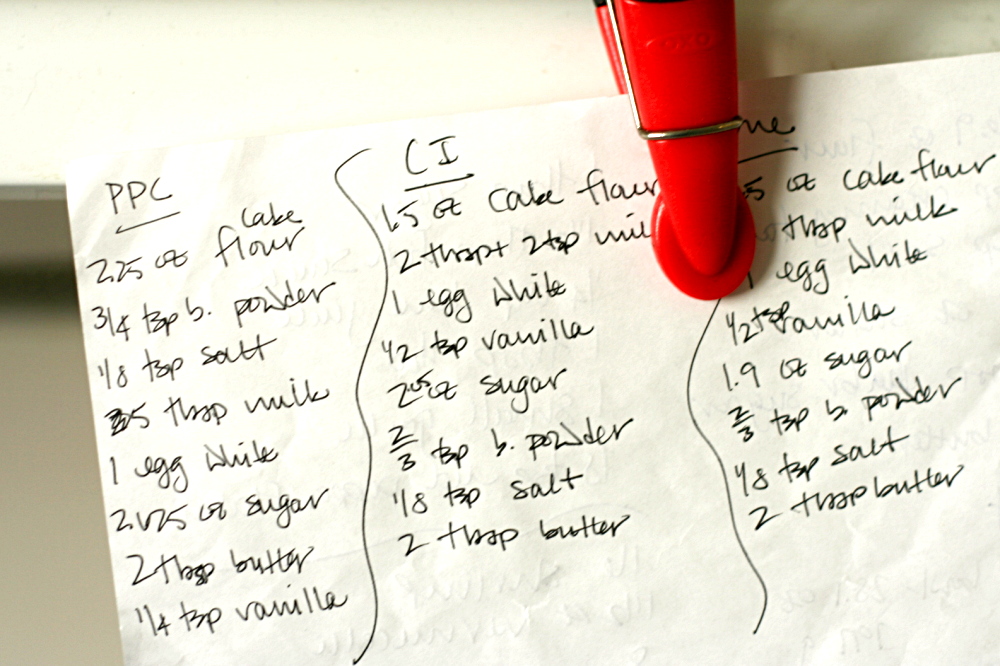
Cooks Illustrated’s white cake recipe and Dorie’s Perfect Party Cake have different mixing methods and different ratios of ingredients, but the end results are actually quite similar. I had really enjoyed the moistness and springiness of CI’s recipe, but found it a bit too sweet. Dorie’s recipe tasted great – it’s less sweet, so a bit of tanginess is detectable. Her recipe does have less sugar, plus more milk than CI’s, presumably to make up for the moisture that sugar provides. My idea was to reduce the sugar of CI’s recipe slightly and increase the milk, keeping the other ingredients and the mixing method the same.

Copy of IMG_7034

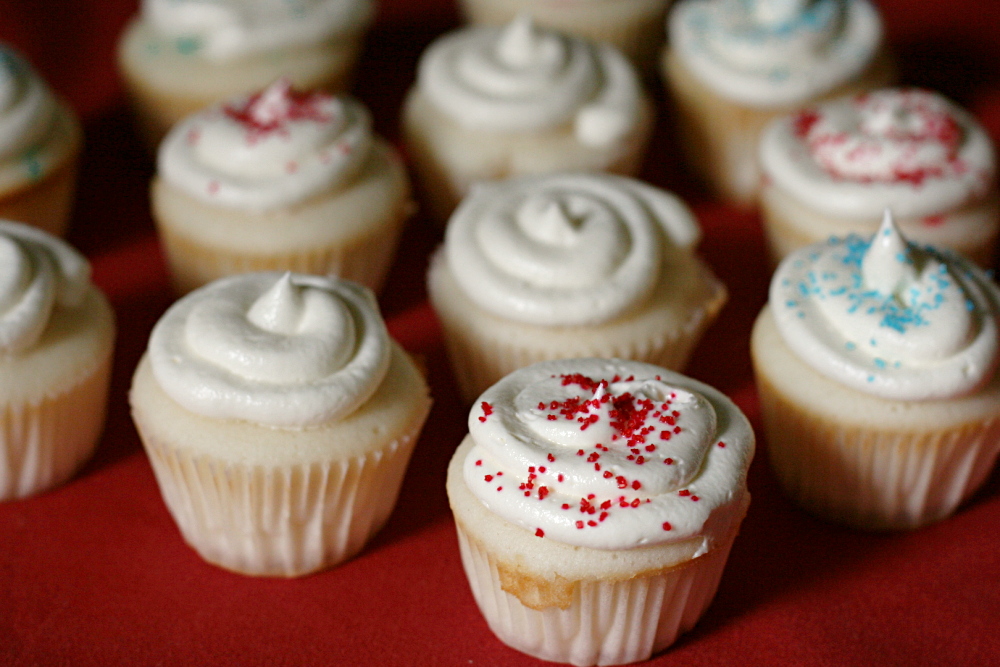
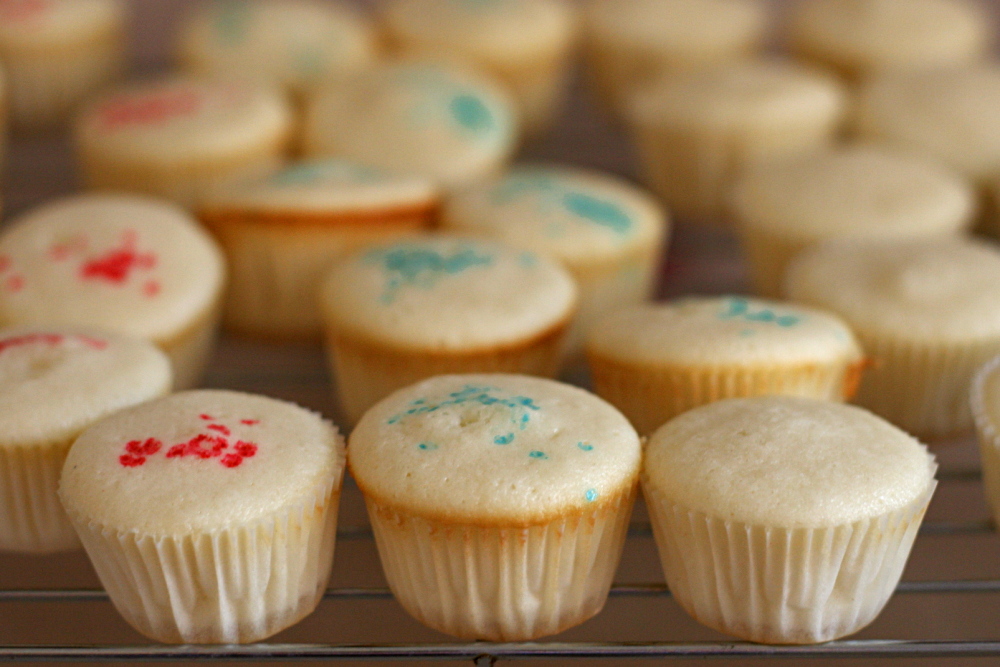
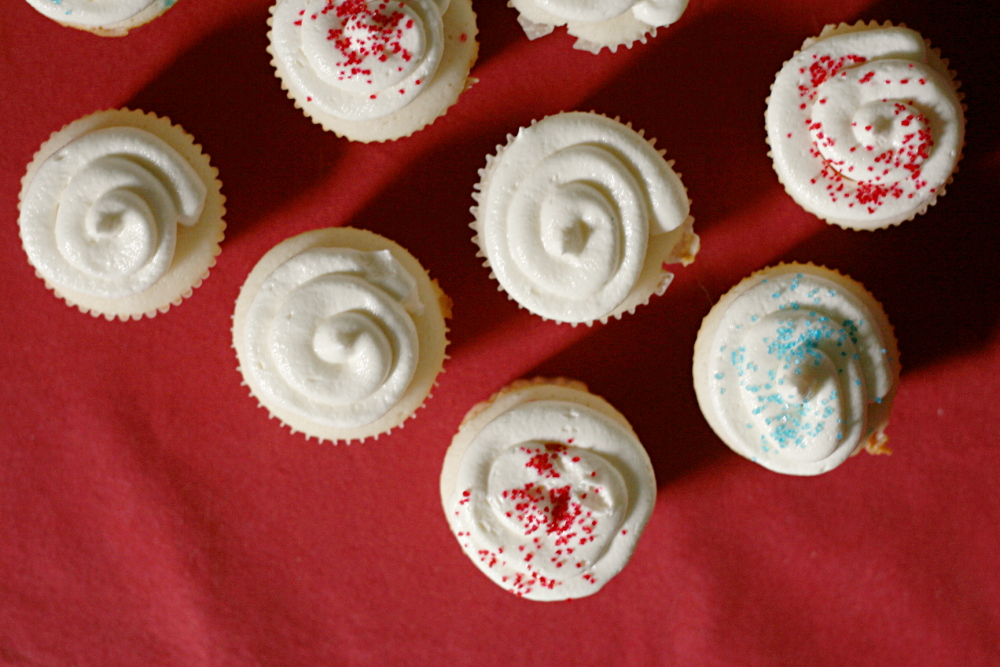
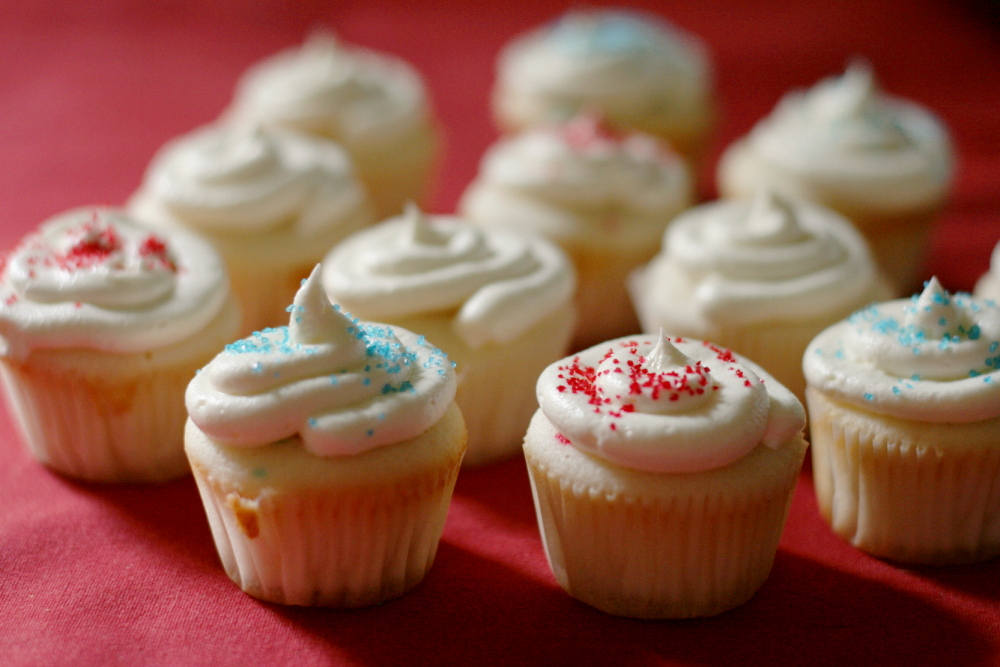
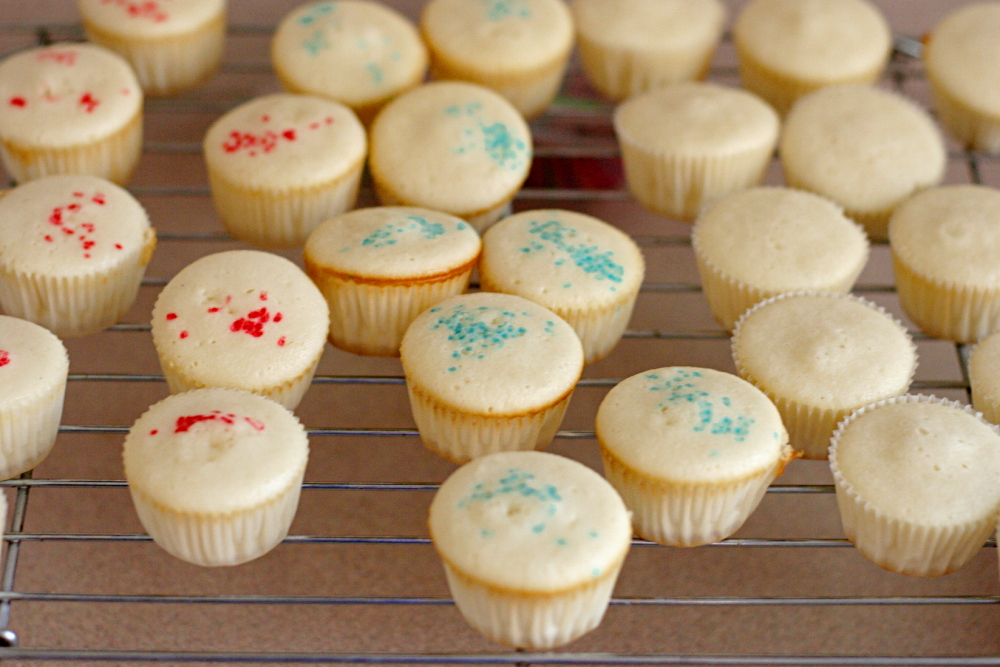
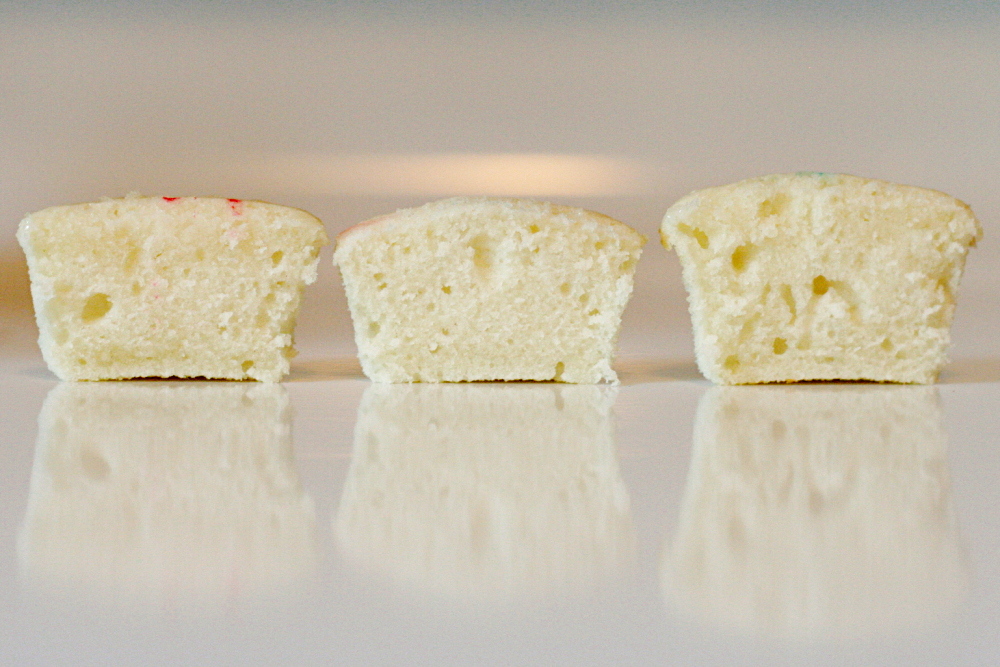
This time, I made three recipes – Dorie’s and CI’s as written, plus my adjustment of CI’s. I made mini-cupcakes of each and baked them all at 350F for 12 minutes. I did make small portions of each recipe, but I’m a pretty precise measurer, so I’m confident that this won’t have a significant impact. I flavored each cake with only vanilla, leaving out lemon and almond flavors. The sprinkling of sugar on top of each cupcake is to keep the recipes straight – white is Dorie’s, blue is CI’s, and red is my adaptation.

Copy of IMG_7096left – my recipe; middle – Dorie’s; right – CI’s

I still like the texture of CI’s better than Dorie’s. Dorie’s was just a bit dry, and CI’s has a fun sponginess to it. And I still like the flavor of Dorie’s better than CI’s – again, that slight tanginess gives some contrast to the sweetness. And, just personally, I thought my adaptation was pretty much perfect. It had the flavor I like, and it had the moist, springy texture that I like.

Copy of IMG_7067

However, let me perfectly honest. First, all three recipes are really really good. And, frankly, really really similar. I’m really splitting hairs here. And second, Dave’s (my only other tester) preferences were exactly the opposite of mine. He liked Dorie’s recipe the best because the other two were too moist. He’s cute and all, but I’m still going to make my favorite, the adaptation of Cooks Illustrated’s recipe, in the future.

Copy of IMG_7195

One year ago: Croque-Madame – I really need to come up with an excuse to make this again.  4th of July, maybe?

Classic White Layer Cake (from Cooks Illustrated)

Serves 12

CI note: If you have forgotten to bring the milk and egg white mixture to room temperature, set the bottom of the glass measure containing it in a sink of hot water and stir until the mixture feels cool rather than cold, around 65 degrees. Cake layers can be wrapped and stored for one day.

Nonstick cooking spray
2¼ cups cake flour (9 ounces), plus more for dusting the pans
1 cup whole milk, at room temperature
6 large egg whites (¾ cup), at room temperature
2 teaspoons almond extract
1 teaspoon vanilla extract
1¾ cups granulated sugar (12¼ ounces)
4 teaspoons baking powder
1 teaspoon table salt
12 tablespoons unsalted butter (1½ sticks), softened but still cool

1. For the Cake: Set oven rack in middle position. (If oven is too small to cook both layers on a single rack, set racks in upper-middle and lower-middle positions.) Heat oven to 350 degrees. Spray two 9-inch round cake pans with nonstick cooking spray; line the bottoms with parchment or waxed paper rounds. Spray the paper rounds, dust the pans with flour, and invert pans and rap sharply to remove excess flour.
2. Pour milk, egg whites, and extracts into 2-cup glass measure, and mix with fork until blended.

3. Mix cake flour, sugar, baking powder, and salt in bowl of electric mixer at slow speed. Add butter; continue beating at slow speed until mixture resembles moist crumbs, with no powdery streaks remaining.

4. Add all but ½ cup of milk mixture to crumbs and beat at medium speed (or high speed if using handheld mixer) for 1½ minutes. Add remaining ½ cup of milk mixture and beat 30 seconds more. Stop mixer and scrape sides of bowl. Return mixer to medium (or high) speed and beat 20 seconds longer.

5. Divide batter evenly between two prepared cake pans; using rubber spatula, spread batter to pan walls and smooth tops. Arrange pans at least 3 inches from the oven walls and 3 inches apart. (If oven is small, place pans on separate racks in staggered fashion to allow for air circulation.) Bake until thin skewer or toothpick inserted in the center comes out clean, 23 to 25 minutes.
6. Let cakes rest in pans for 3 minutes. Loosen from sides of pans with a knife, if necessary, and invert onto wire racks. Reinvert onto additional wire racks. Let cool completely, about 1½ hours.

Perfect Party Cake (from Dorie Greenspan’s Baking: From my Home to Yours)
For the Cake
2¼ cups (9 ounces) cake flour
1 tablespoon baking powder
½ teaspoon salt
1¼ cups whole milk or buttermilk (I prefer buttermilk with the lemon)
4 large egg whites
1½ cups (10½ ounces) sugar
2 teaspoons grated lemon zest
1 stick (8 tablespoons or 4 ounces) unsalted butter, at room temperature
½ teaspoon pure lemon extract

For the Buttercream
1 cup sugar
4 large egg whites
3 sticks (12 ounces) unsalted butter, at room temperature
¼ cup fresh lemon juice (from 2 large lemons)
1 teaspoon pure vanilla extract

For Finishing
2/3 cup seedless raspberry preserves stirred vigorously or warmed gently until spreadable
About 1½ cups sweetened shredded coconut

Getting Ready:
Center a rack in the oven and preheat the oven to 350 degrees F. Butter two 9 x 2 inch round cake pans and line the bottom of each pan with a round of buttered parchment or wax paper. Put the pans on a baking sheet.

To Make the Cake:
Sift together the flour, baking powder and salt.

Whisk together the milk and egg whites in a medium bowl.

Put the sugar and lemon zest in a mixer bowl or another large bowl and rub them together with your fingers until the sugar is moist and fragrant. Add the butter and working with the paddle or whisk attachment, or with a hand mixer, beat at medium speed for a full 3 minutes, until the butter and sugar are very light. Beat in the extract, then add one third of the flour mixture, still beating on medium speed. Beat in half of the milk-egg mixture, then beat in half of the remaining dry ingredients until incorporated. Add the rest of the milk and eggs beating until the batter is homogeneous, then add the last of the dry ingredients. Finally, give the batter a good 2- minute beating to ensure that it is thoroughly mixed and well aerated.

Divide the batter between the two pans and smooth the tops with a rubber spatula. Bake for 30-35 minutes, or until the cakes are well risen and springy to the touch – a thin knife inserted into the centers should come out clean. Transfer the cakes to cooling racks and cool for about 5 minutes, then run a knife around the sides of the cakes, unfold them and peel off the paper liners. Invert and cool to room temperature, right side up (the cooled cake layers can be wrapped airtight and stored at room temperature overnight or frozen for up to two months).

To Make the Buttercream:
Put the sugar and egg whites in a mixer bowl or another large heatproof bowl, fit the bowl over a plan of simmering water and whisk constantly, keeping the mixture over the heat, until it feels hot to the touch, about 3 minutes. The sugar should be dissolved, and the mixture will look like shiny marshmallow cream. Remove the bowl from the heat. Working with the whisk attachment or with a hand mixer, beat the meringue on medium speed until it is cool, about 5 minutes.

Switch to the paddle attachment if you have one, and add the butter a stick at a time, beating until smooth. Once all the butter is in, beat in the buttercream on medium-high speed until it is thick and very smooth, 6-10 minutes. During this time the buttercream may curdle or separate – just keep beating and it will come together again. On medium speed, gradually beat in the lemon juice, waiting until each addition is absorbed before adding more, and then the vanilla. You should have a shiny smooth, velvety, pristine white buttercream. Press a piece of plastic against the surface of the buttercream and set aside briefly.

To Assemble the Cake
Using a sharp serrated knife and a gentle sawing motion, slice each layer horizontally in half. Put one layer cut side up on a cardboard cake round or a cake plate protected by strips of wax or parchment paper. Spread it with one third of the preserves. Cover the jam evenly with about one quarter of the buttercream. Top with another layer, spread with preserves and buttercream and then do the same with a third layer (you’ll have used all the jam and have buttercream leftover). Place the last layer cut side down on top of the cake and use the remaining buttercream to frost the sides and top. Press the coconut into the frosting, patting it gently all over the sides and top.

Serving
The cake is ready to serve as soon as it is assembled, but I think it’s best to let it sit and set for a couple of hours in a cool room – not the refrigerator. Whether you wait or slice and enjoy it immediately, the cake should be served at room temperature; it loses all its subtlety when it’s cold. Depending on your audience you can serve the cake with just about anything from milk to sweet or bubbly wine.

Storing
The cake is best the day it is made, but you can refrigerate it, well covered, for up to two days. Bring it to room temperature before serving. If you want to freeze the cake, slide it into the freezer to set, then wrap it really well – it will keep for up to 2 months in the freezer; defrost it, still wrapped overnight in the refrigerator.

White Cake (my adaptation from Cooks Illustrated’s Classic White Cake)

Serves 12

Nonstick cooking spray
2¼ cups cake flour (9 ounces), plus more for dusting the pans
1 cup + 2 tablespoons whole milk, at room temperature
6 large egg whites (¾ cup), at room temperature
2 teaspoons almond extract
1 teaspoon vanilla extract
1½ cups + 2 tablespoons granulated sugar (11.35 ounces)
4 teaspoons baking powder
1 teaspoon table salt
12 tablespoons unsalted butter (1½ sticks), softened but still cool

1. For the Cake: Set oven rack in middle position. (If oven is too small to cook both layers on a single rack, set racks in upper-middle and lower-middle positions.) Heat oven to 350 degrees. Spray two 9-inch round cake pans with nonstick cooking spray; line the bottoms with parchment or waxed paper rounds. Spray the paper rounds, dust the pans with flour, and invert pans and rap sharply to remove excess flour.

2. Pour milk, egg whites, and extracts into 2-cup glass measure, and mix with fork until blended.

3. Mix cake flour, sugar, baking powder, and salt in bowl of electric mixer at slow speed. Add butter; continue beating at slow speed until mixture resembles moist crumbs, with no powdery streaks remaining.

4. Add all but ½ cup of milk mixture to crumbs and beat at medium speed (or high speed if using handheld mixer) for 1½ minutes. Add remaining ½ cup of milk mixture and beat 30 seconds more. Stop mixer and scrape sides of bowl. Return mixer to medium (or high) speed and beat 20 seconds longer.

5. Divide batter evenly between two prepared cake pans; using rubber spatula, spread batter to pan walls and smooth tops. Arrange pans at least 3 inches from the oven walls and 3 inches apart. (If oven is small, place pans on separate racks in staggered fashion to allow for air circulation.) Bake until thin skewer or toothpick inserted in the center comes out clean, 23 to 25 minutes.

6. Let cakes rest in pans for 3 minutes. Loosen from sides of pans with a knife, if necessary, and invert onto wire racks. Reinvert onto additional wire racks. Let cool completely, about 1½ hours.

Copy of IMG_7190

coconut roasted pineapple dacquoise

copy-of-img_6478

I hear people say that they’re a member of Tuesdays with Dorie because it gets them baking recipes they wouldn’t normally choose for themselves. Usually, I think they’re referring to things that don’t necessarily sound good but then are surprisingly tasty, like the peanut butter chocolate chip oatmeal cookies were for me.

copy-of-img_6465

I would never have gotten around to making this dacquoise not because it doesn’t look good (the picture in the book is beautiful), but because it’s a pain in the butt. I believe this is the most complex recipe we have made, or will make, for Tuesdays with Dorie.

copy-of-img_6450

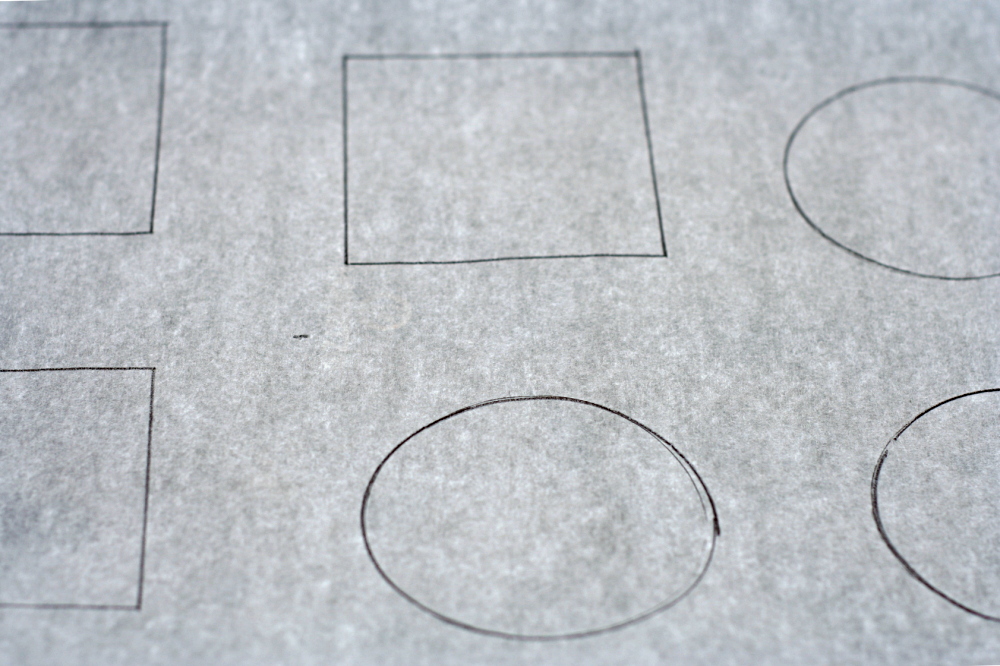
Before the meringue shells can even be made, a few preparation steps are in order – outlining the area on which to spread the meringue and grinding ingredients in the food processor. Only then can the egg whites be whipped and the ground ingredients folded in. Then the meringue needs to bake for three hours.

copy-of-img_6474

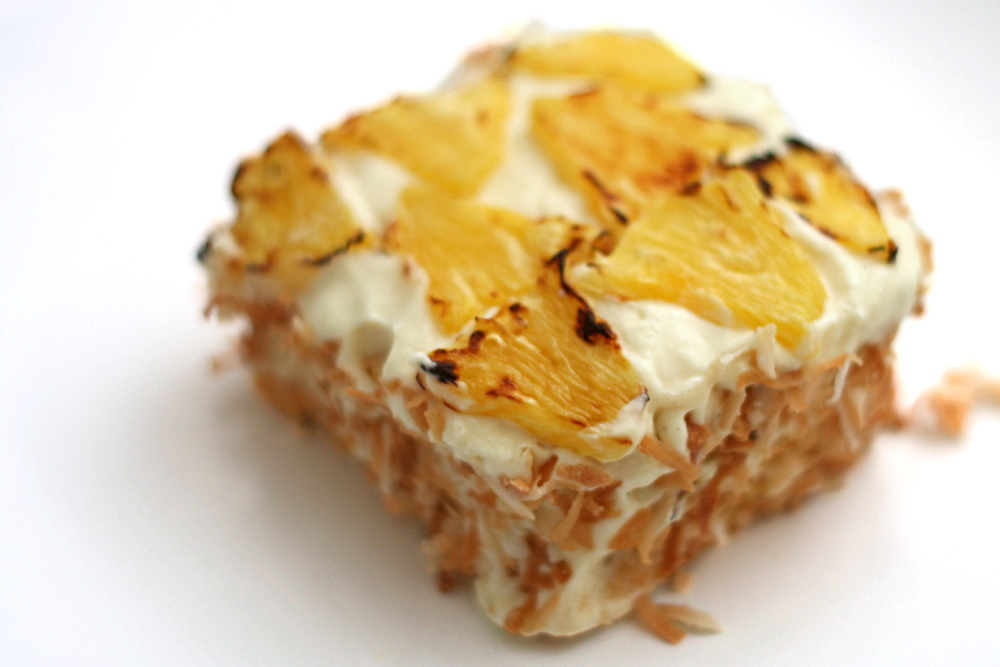
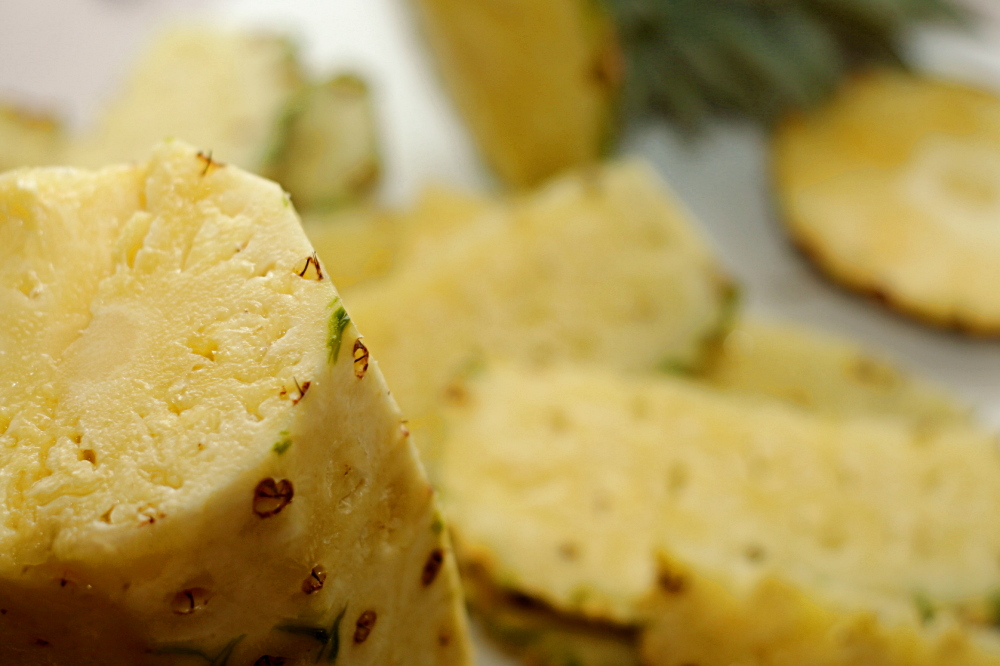
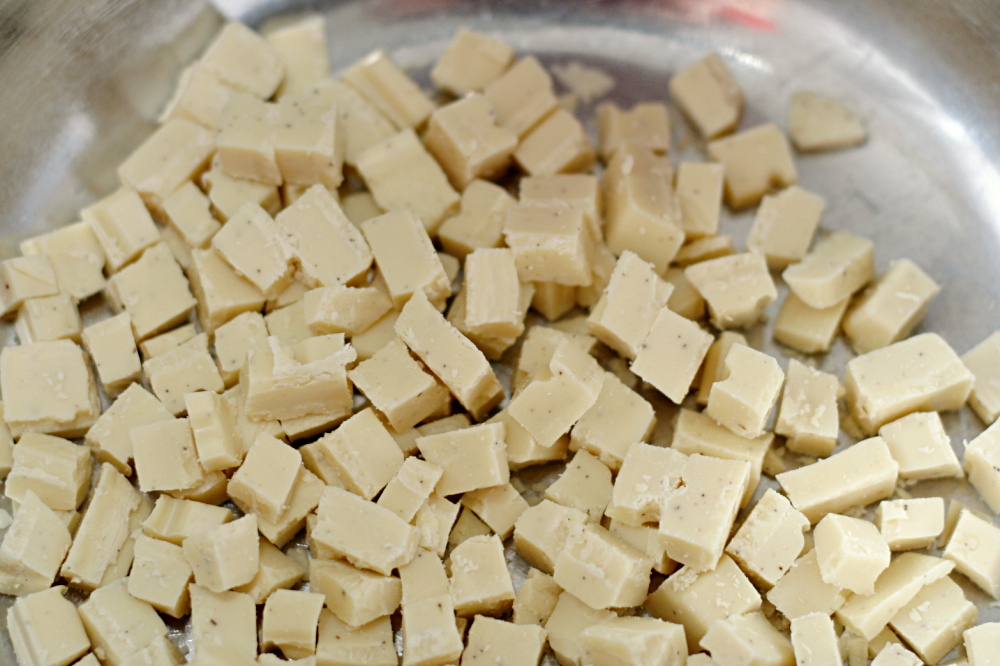
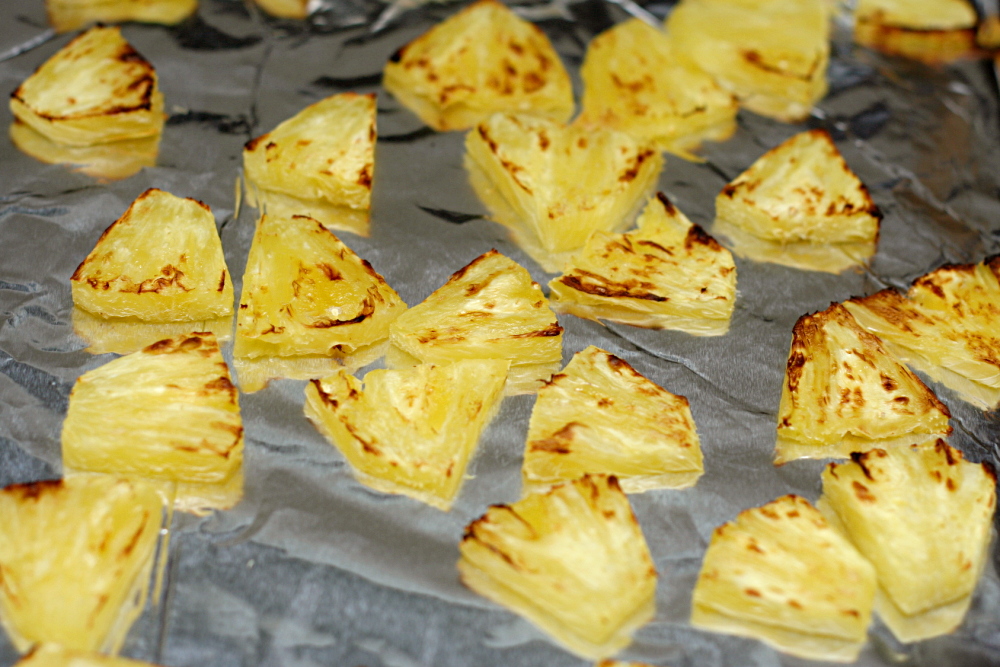
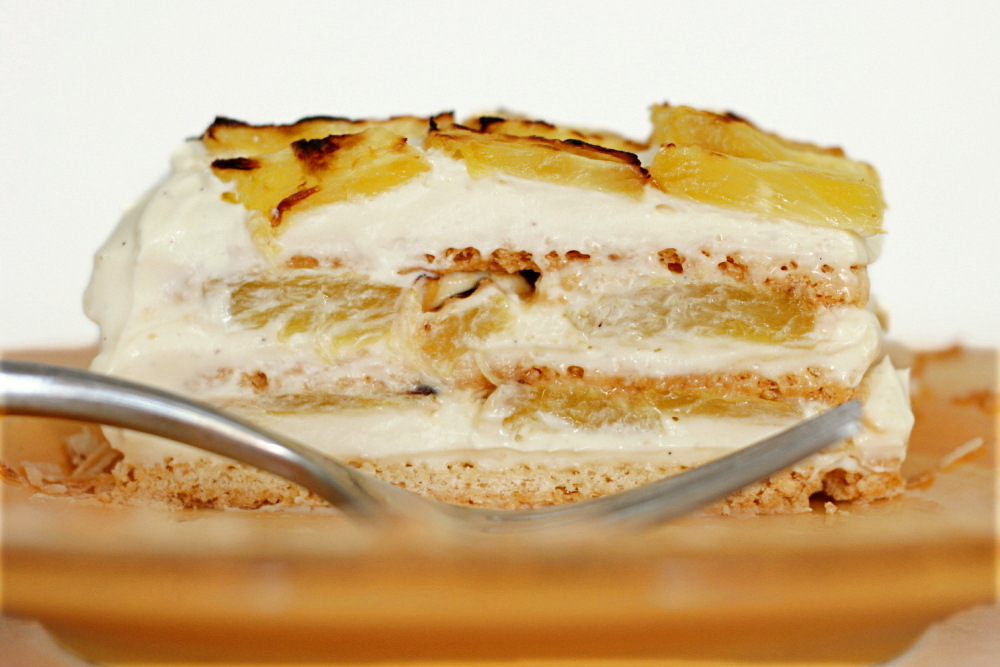
Meanwhile, white chocolate is melted with hot cream, then chilled. And a pineapple has to be cut and roasted, and coconut has to be toasted. Only then can all of the components be combined into a multi-layer dessert – which can’t be eaten until it’s been chilled for several hours.

copy-of-img_6461

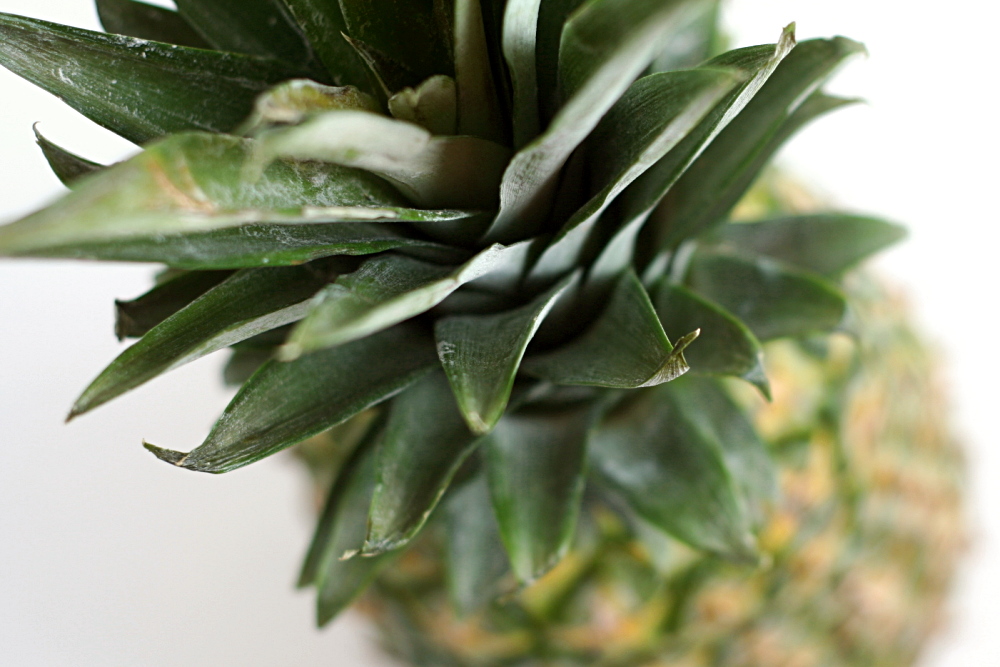
It was a lot of work. But it was fun, because it was the first time I’d baked meringue shells, the first time I’d bought and cut a whole pineapple, and the first time I’ve whipped white chocolate ganache without any swearing.

copy-of-img_6509

I enjoyed the components together. I made enough of everything for two small cakes and layered each one on the day we were going to eat them. The first one didn’t get a chance to set as long as Dorie recommends, and it was good, but a little too sweet for me and Dave. The second one, chilled longer, seemed to mellow as it set, and it was very good. I learned a lot, I had fun, and I got to eat a new, tasty dessert – all in all, it was a good week, despite my initial reservations (i.e., whining).

Andrea chose this recipe, and she has it posted.

One year ago: Pigs in a Blanket – we just had this for dinner last week!

copy-of-img_6520

honey peach ice cream

img_6200-copy

It seems lately that ice cream isn’t really my thing. For one thing, it hurts my sensitive teeth. For another, when it comes to making desserts, I really want to use the mixer. And the oven. And butter and flour and leavening. The blender and the stove? Pbbth! That’s for cooking, not baking. Although watching the ice cream slowly change texture while churning is fun.

img_6156-copy

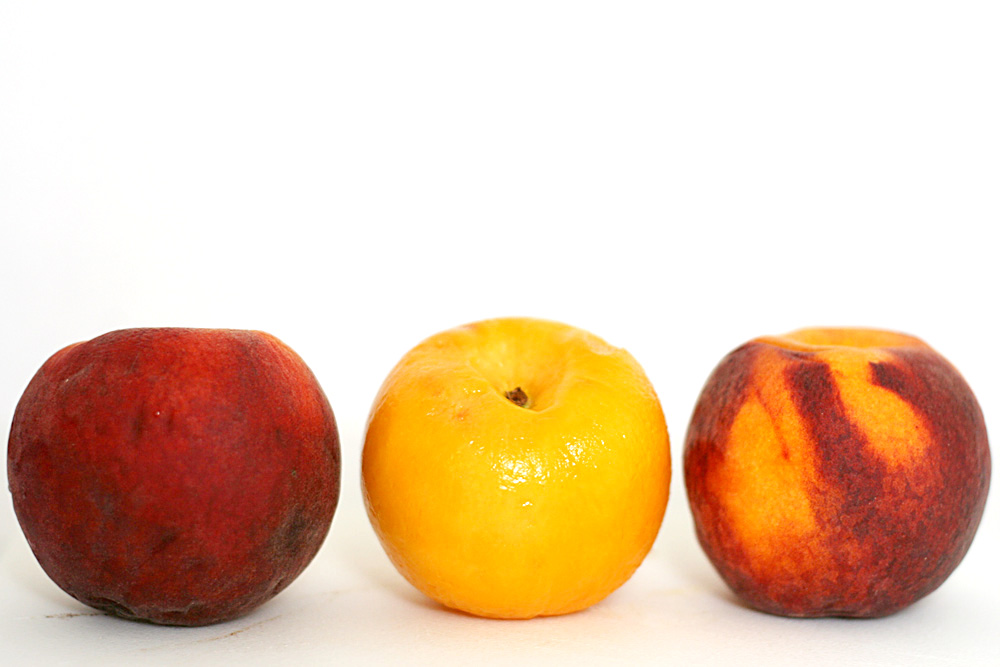
But if I’m making ice cream, at least it’s peach ice cream. It’s the only flavor I remember my mom making as a kid, and I always loved it, even though I thought I didn’t like peaches, picky little brat that I was.

img_6160-copy

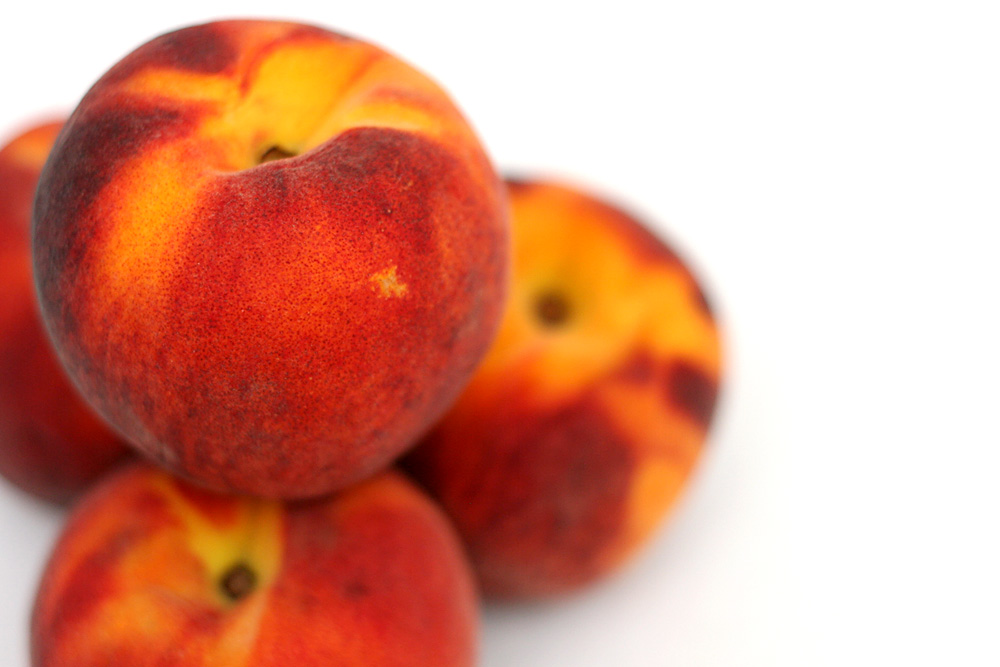
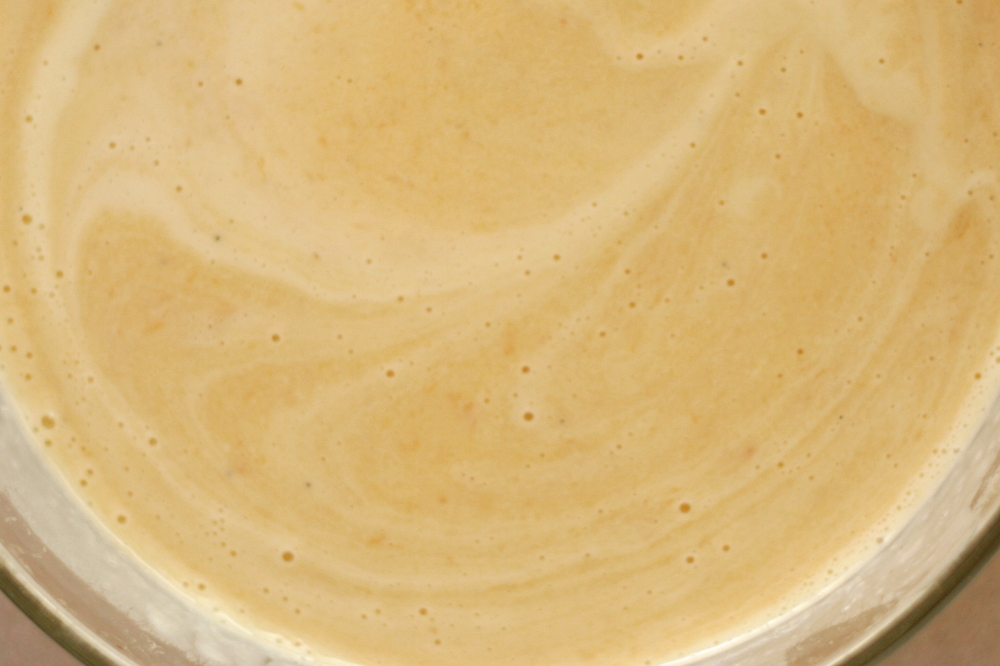
For this ice cream, peaches are softened over low heat with honey, then pureed and made into a custard with egg yolks, sugar, milk and cream. Once the custard is chilled, it’s churned into ice cream, with more peaches, chopped, mixed in at the end.

img_6165-copy

Because I had no desire for peach-flavored ice cubes dispersed throughout my ice cream, I stirred some vodka into the chopped peaches and let them set for a few hours. Hopefully the alcohol would soak into the peaches and keep them from freezing completely.

img_6197-copy

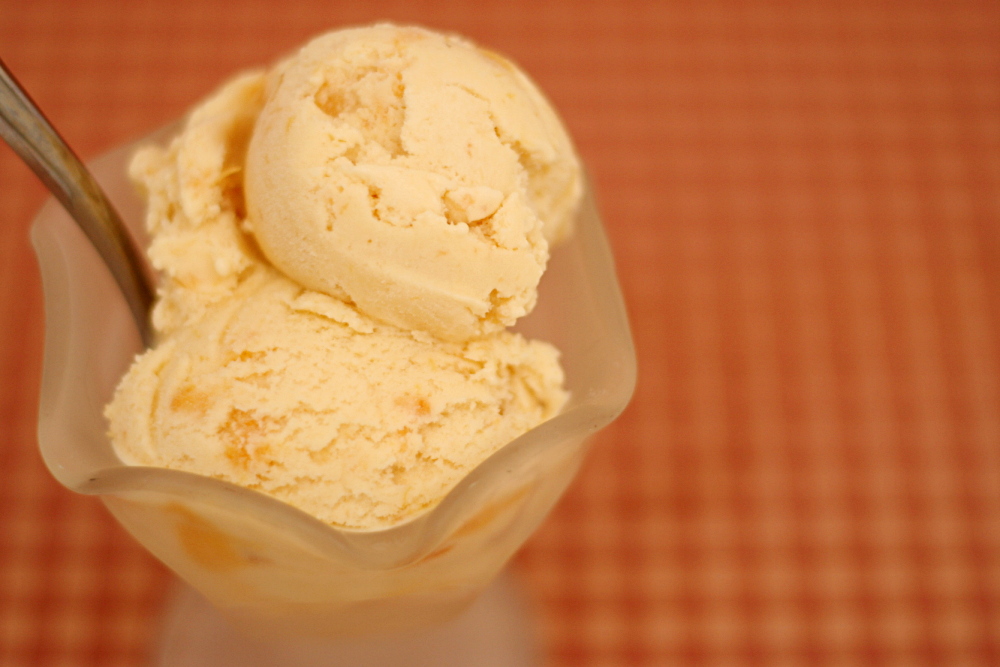
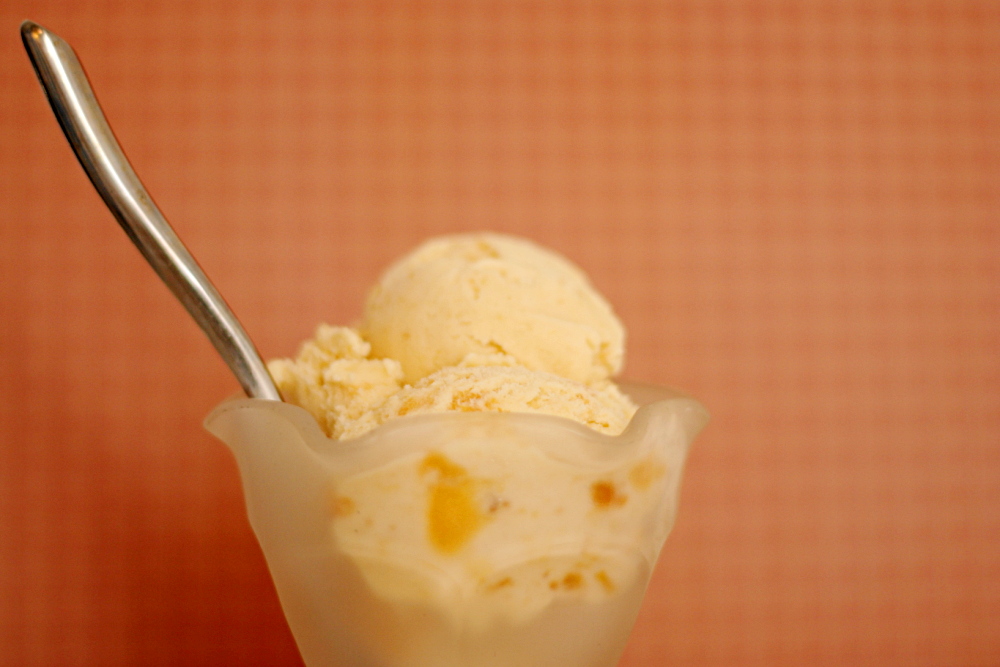
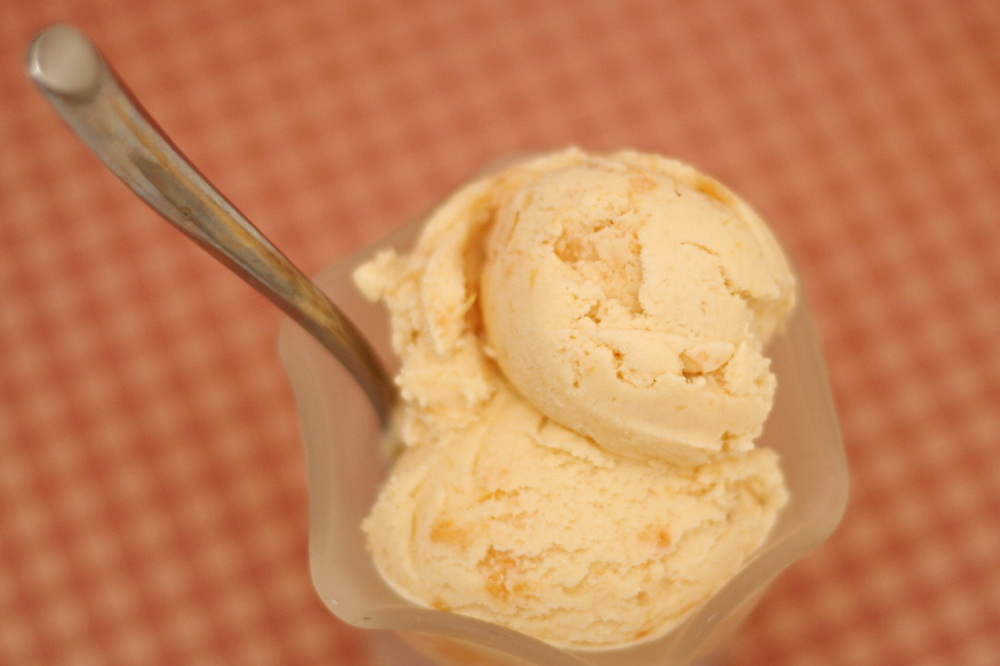
It sort of worked. Nothing is going to stop ice cream from being cold, of course, but at least the peach bits weren’t ice bits. I personally would have still preferred the ice cream without them, but Dave liked them. The custard part of the ice cream was smooth and soft enough to scoop after spending days in the freezer. It tasted pleasantly peachy, although I’m sure the flavor would be improved by more seasonal specimens than I was able to find. I couldn’t really taste the honey, but since I do like honey quite a bit, I think I’m going to start replacing part of the sugar with honey every time I make peach ice cream.

This ice cream was chosen for Tuesdays with Dorie by Tommi, and she has posted the recipe.

One year ago: Deep Dark Chocolate Cookies

img_6192-copy

Temporarily or not, the above link doesn’t work for the recipe.  So here it is!

Honey-Peach Ice Cream (from Dorie Greenspan’s Baking: From my Home to Yours)

4 large ripe peaches
1/4 cup honey
1 cup whole milk
1 cup heavy cream
3 large egg yolks
1/2 cup sugar
2 tsp vanilla

1. Chop 2 of the peaches into 1/2 inch chunks and toss them in a small saucepan. Add the honey and bring to a boil, lower the heat, cover the pan and cook until the peaches are soft (about 10 minutes). Scrape the mixture into a blender or food processor and puree. Set aside.

2. Bring the milk and cream to a boil in a saucepan. Meanwhile, whisk the yolks and sugar together until blended in a heatproof bowl. Drizzle in a bit of the hot milk mixture to temper the eggs (making sure they don’t curdle). Slowly add the rest of the milk mixture. Pour the milk/egg mixture back into the saucepan and heat while stirring until it thickens. Remove from the heat, pour into a heatproof bowl, and stir in the vanilla and peach puree.

3. Refrigerate the custard until chilled. Scrape into the bowl of an ice cream maker and churn according to the manufacturer’s instructions. While the ice cream is churning, dice the remaining 2 peaches and add them just before the ice cream is thickened. When the ice cream is ready, pack into a container and freeze for at least 2 hours until it is firm enough to scoop.

strawberries and cream pie

copy-of-img_6404

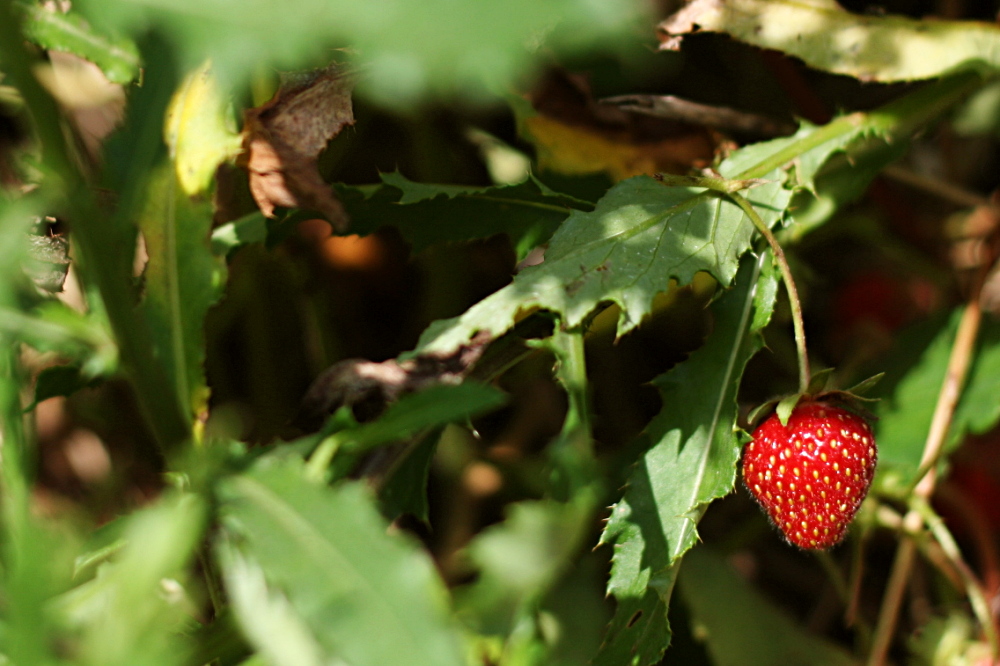
Those U-pick places tend to be better in theory than in practice for me. I do like knowing that my food is picked at its peak ripeness. It makes for some wonderfully sweet strawberries. On the other hand, ew, bugs. And thorns, and rotting berries that you can’t see under all the leaves and you don’t find until you reach under to grab for a nearby berry and squish!

copy-of-img_6327

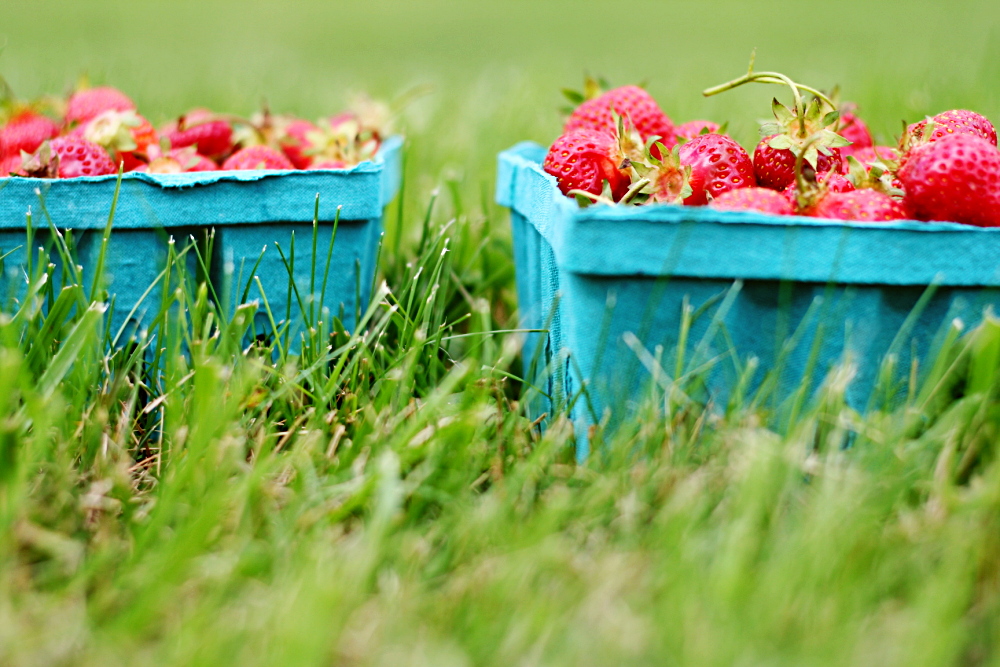
Not that you shouldn’t try it! Or you could just buy the pre-picked cartons in the farm store right nearby.

copy-of-img_6341

It was worth it in the end though, because I love this pie. I’ve managed to make it once each spring since I found the recipe. And Dave and I managed to eat three-quarters of it within 24 hours this year! That’s something to be proud of.

copy-of-img_6393

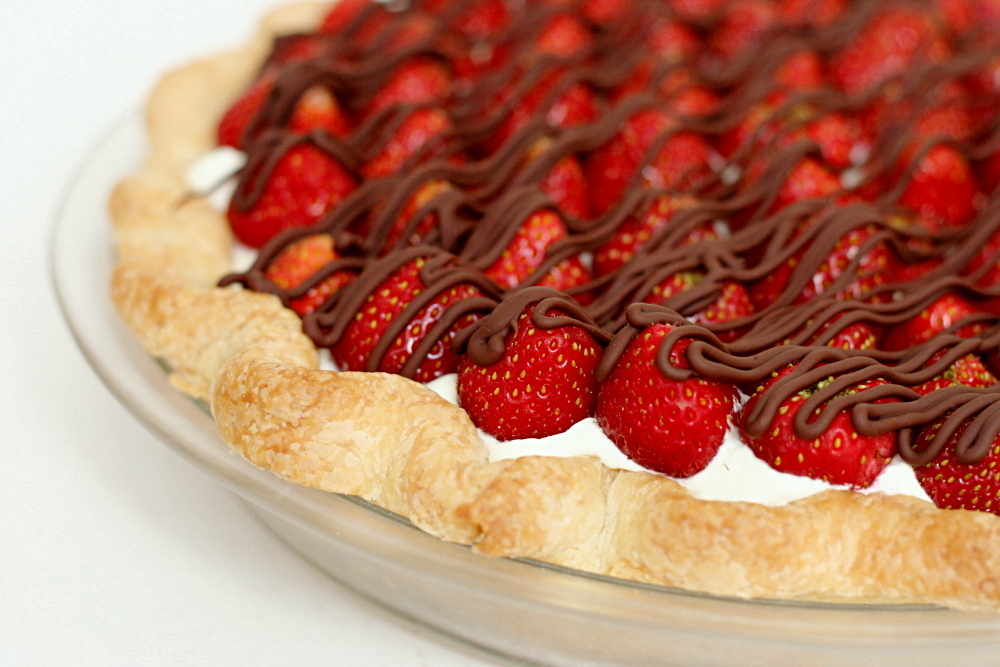
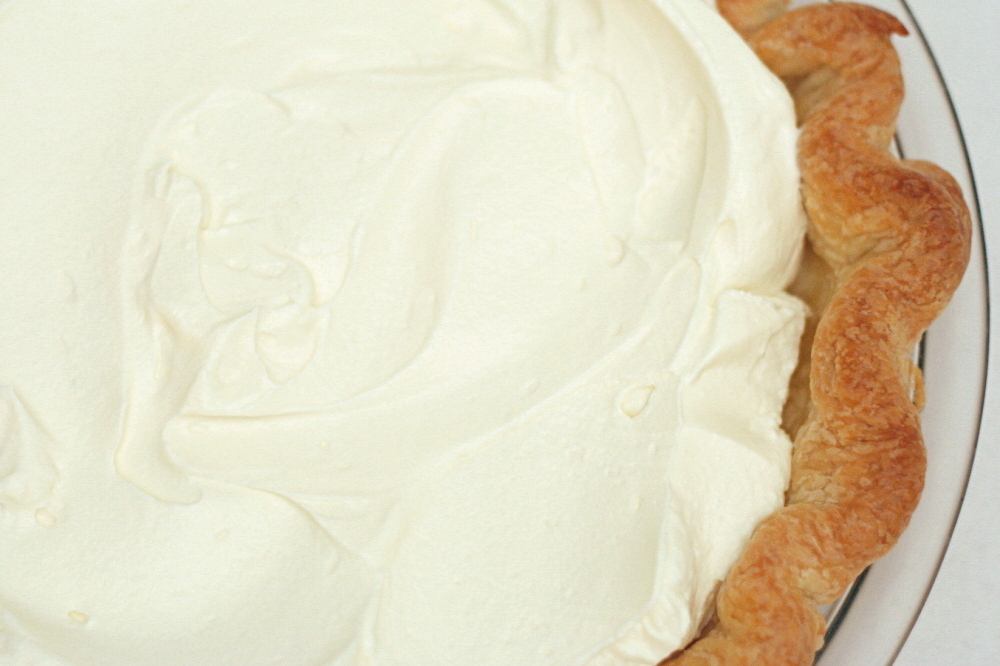
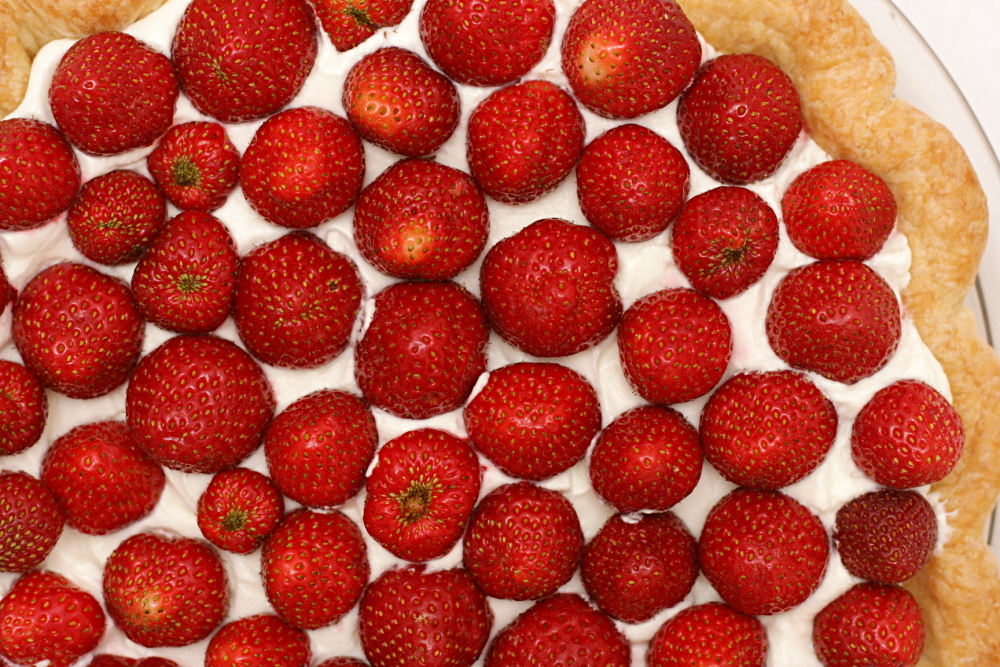
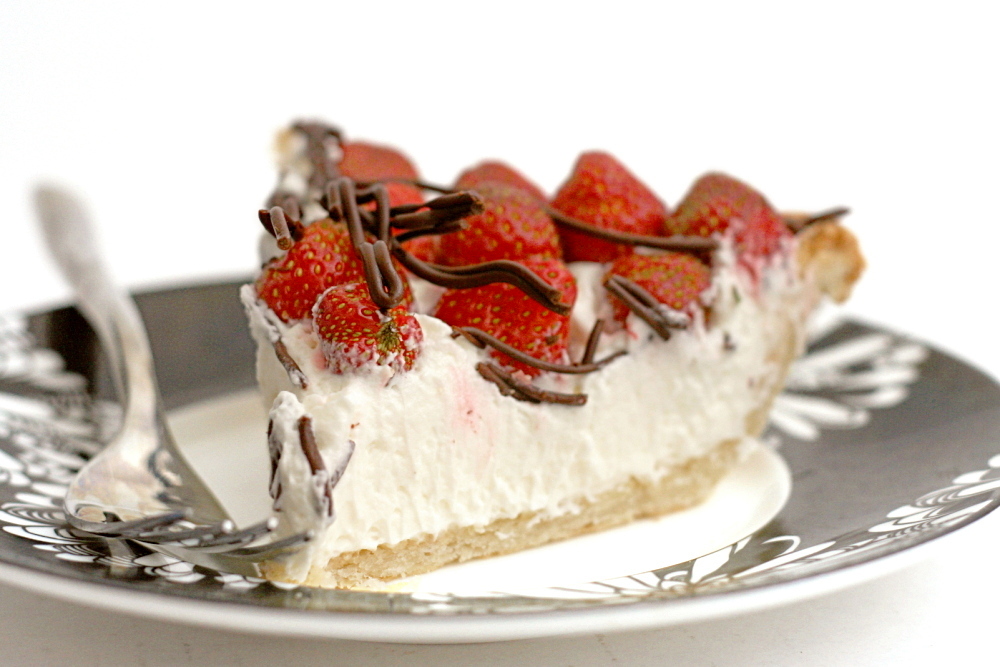
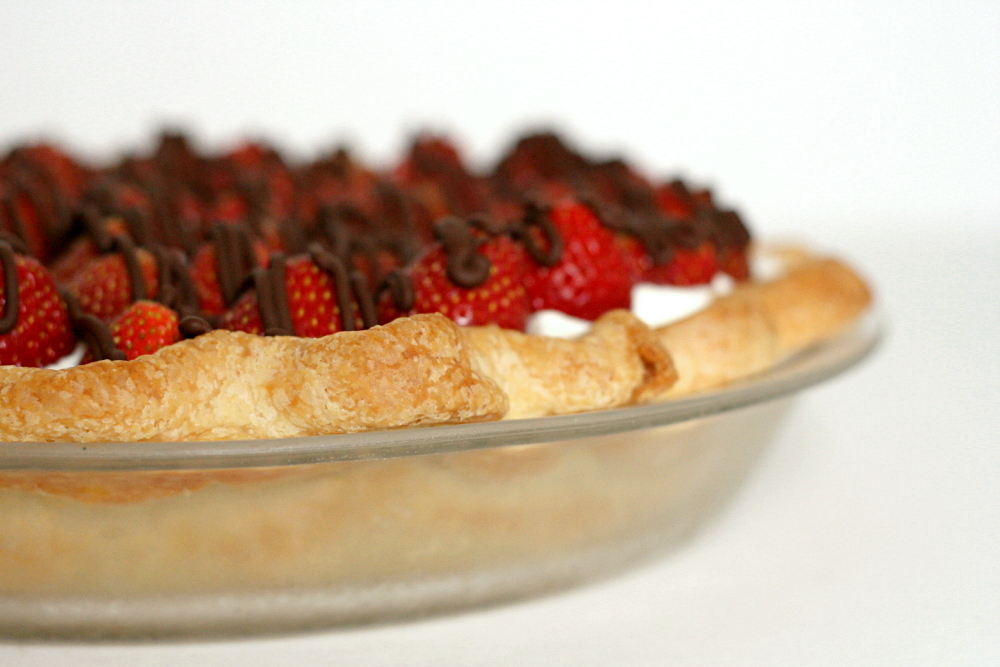
The thing is, I can’t resist cheesecake batter (sugary cream cheese!), and that’s mostly what this pie is. Cream cheese is mixed with sugar and a bit of almond extract, then whipped cream is folded in to lighten it. (I love when heavy cream is used to lighten something.)  The cream filling is topped with strawberries, which are kept whole for maximum visual impact, and then a bit of dark chocolate is drizzled over the top for some contrasting color and flavor.

copy-of-img_6402

You don’t need fresh-picked strawberries for this pie. The little raspberry-sized berries we picked made it a little easier to cut nice slices, but bigger strawberries require less hulling.  And anyway, it’s hard to mess up this pie, with the sweet, creamy filling topped with slightly tart strawberries and just a bit of bitter chocolate, all supported by flaky pie crust.  This is the only strawberry dessert I make a point to make every single spring.

copy-2-of-img_6419

One year ago: Poached Eggs with Arugula and Polenta Fingers

Strawberries and Cream Pie (adapted from Pillsbury’s Complete Cookbook)

Serves 8-10

You could definitely use the full cup of cream in the filling (which is what the original recipe recommends) if you have more cream around for the chocolate, but I didn’t and I kicked myself for not saving a bit of the 1-cup container of cream I’d brought. I used butter with the chocolate instead, but the chocolate hardened too much when it was cold and broke apart into shards when I cut slices.  Cream will keep it softer.

1 cup cold heavy cream, divided
8 ounces cream cheese, softened
1/3 cup (2.33 ounces) sugar
¼ to ½ teaspoon almond extract
1 pie crust for a 1-crust pie, completely baked and cooled
2 pints fresh whole strawberries, hulled
2 ounces bittersweet chocolate, finely chopped

1. In a medium bowl (or the bowl of a standing mixer fitted with the whisk attachment), beat 1 cup minus 1 tablespoon of the cream on medium speed. When the cream is frothy, increase the speed to high and whip until the cream holds firm peaks.

2. In a separate large bowl (or the bowl of a standing mixer fitted with the paddle attachment), beat the cream cheese on medium speed until it’s soft and creamy. Add the sugar and extract and continue beating until combined.

3. Fold about 1/3 of the whipped cream into the cream cheese to lighten the mixture, then add the remaining cream and continue folding until it’s incorporated. Evenly spread the cream mixture in the pie crust. Arrange the strawberries, pointed side up, over the filling.

4. Melt the chocolate with the remaining 1 tablespoon cream over very low heat, stirring constantly, or in the microwave on medium power, or in a double boiler. Drizzle the chocolate over the strawberries. Refrigerate the pie until set, about 1 hour.

copy-of-img_6413