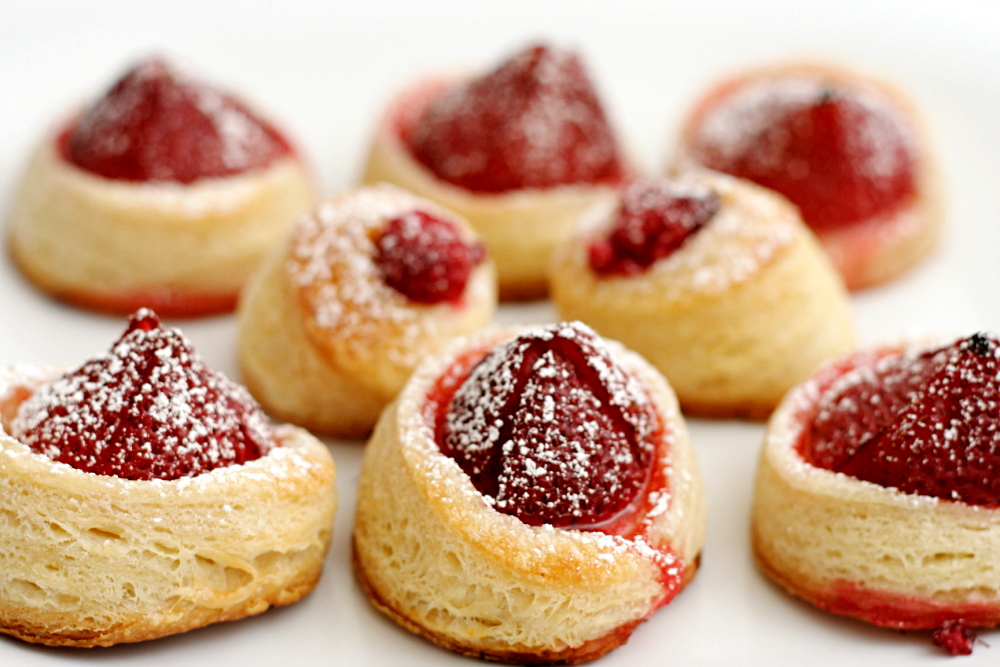
parisian strawberry tartlets

copy-of-img_6106

Once I started making an effort to eat seasonally, I realized that apples were my best bet for a large part of the year. By the end of winter, I’m impatient for strawberries to kick off the farmer’s market season. I try to avoid apples in the spring and summer, because it’s nice to take a break when I can, and then I get to look forward to them in the fall.
copy-of-img_6090

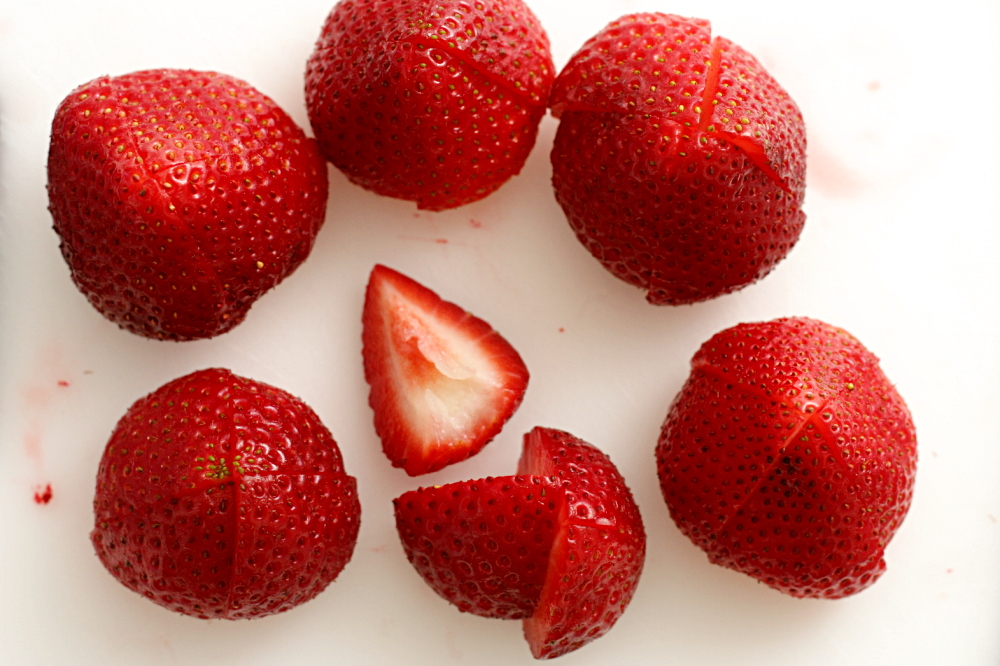
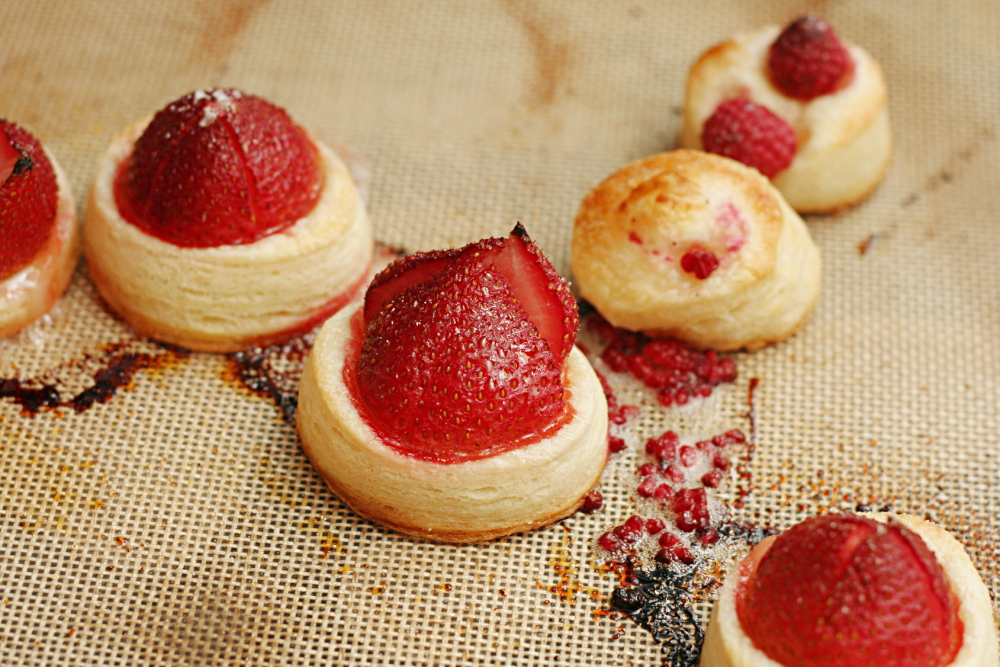
So I didn’t want to make the apple version of this dessert. Most of the other fruits that Dorie recommends are stone fruits that won’t be in season for a month or so. I thought that strawberry mini-tarts would work though.
copy-of-img_6092

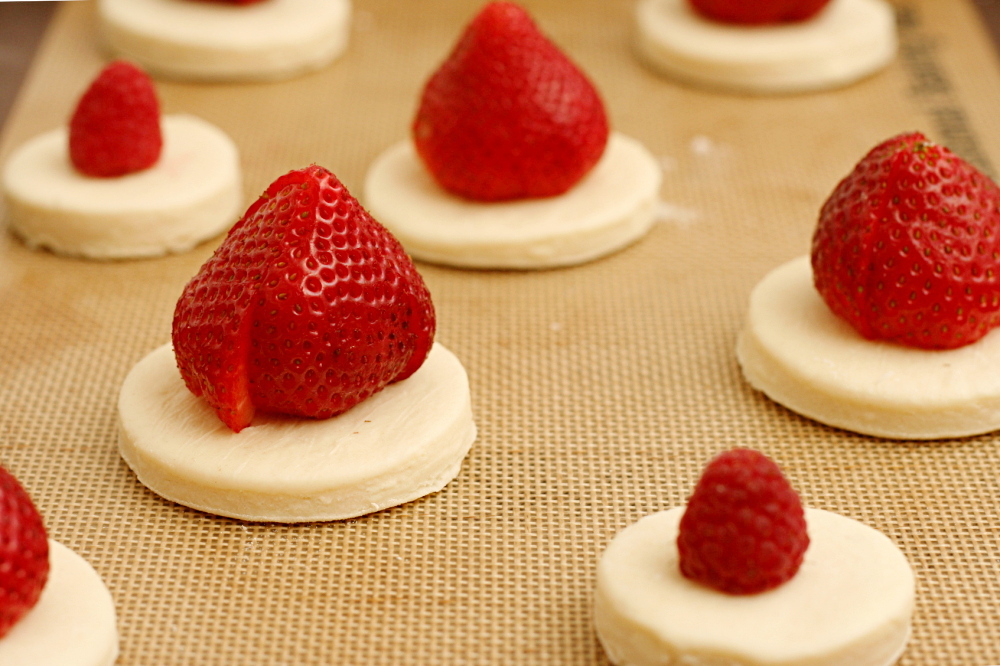
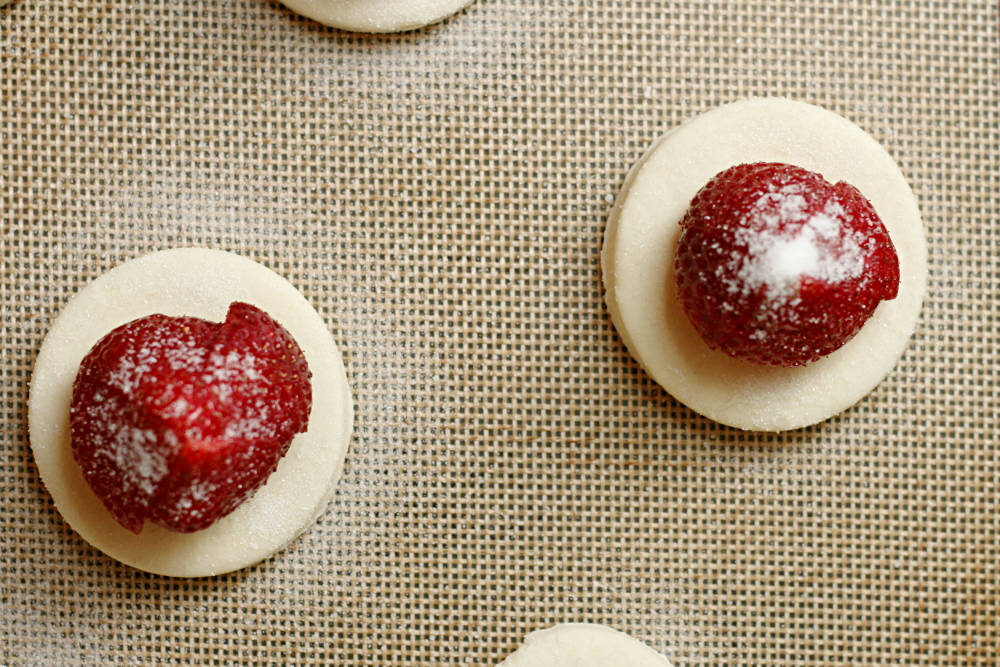
This recipe is very easy. Quartered fruit is positioned in the middle of a round of puff pastry, sprinkled with sugar, dotted with butter, and baked. I skipped the butter and added a pinch of salt.
copy-of-img_6095

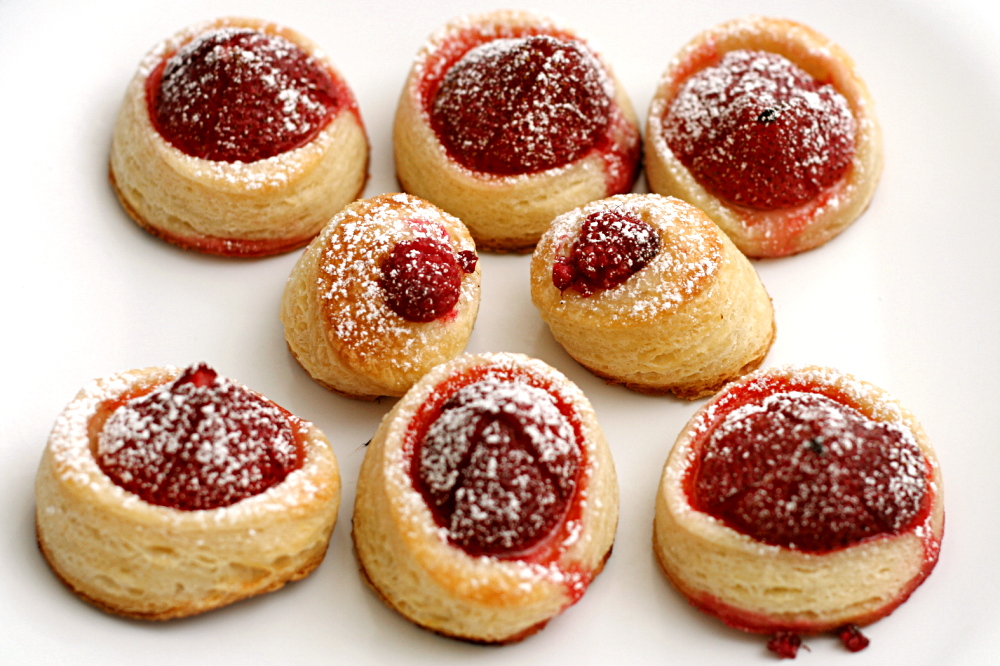
I made even miniaturer tarts too, each topped with a single raspberry, but those didn’t work quite as well. The pastry puffed the berries right off. I sort of balanced the berries back on the pastry after baking, and all was good.

The tarts were great. The flaky, buttery pastry was a great base for the sweet berries.
copy-of-img_6101

Jessica has posted the recipe for this easy, tasty, impressive dessert that she chose for Tuesdays with Dorie.

One year ago: Pita Bread
copy-of-img_6107

strawberry cake

copy-of-img_5603

I do not like oddball mixing methods. In fact, unless they’re explained, my habit is to ignore them completely. I know that muffins are sometimes mixed like cakes and that there are different types of cookies, but in general, I’m familiar with the normal mixing methods, and if something strays too far from what I recognize, it annoys me and I adapt the recipe to what seems more sensible.

copy-of-img_5021

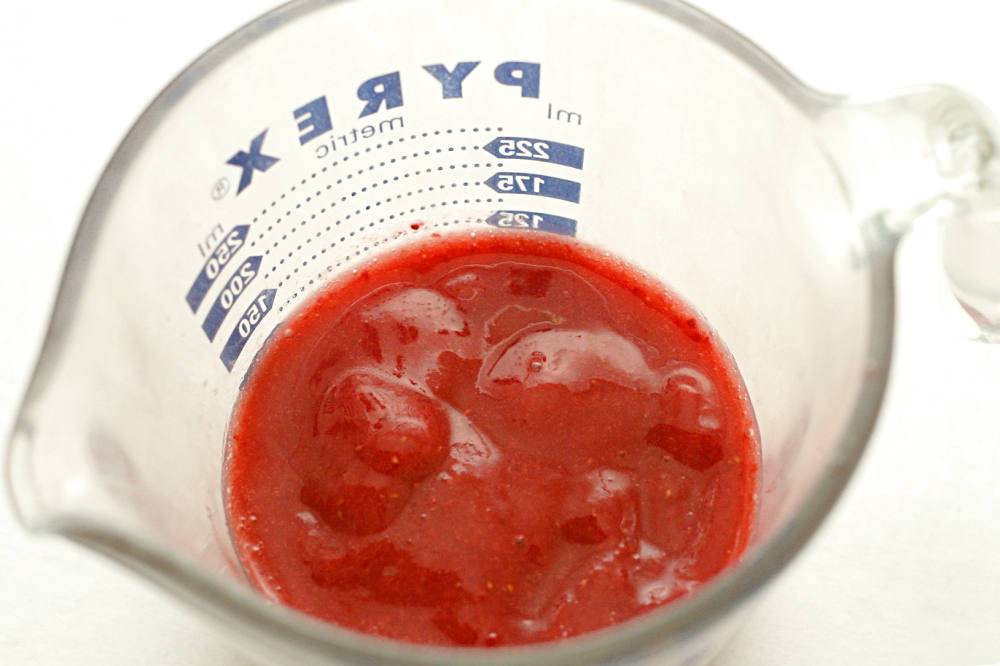
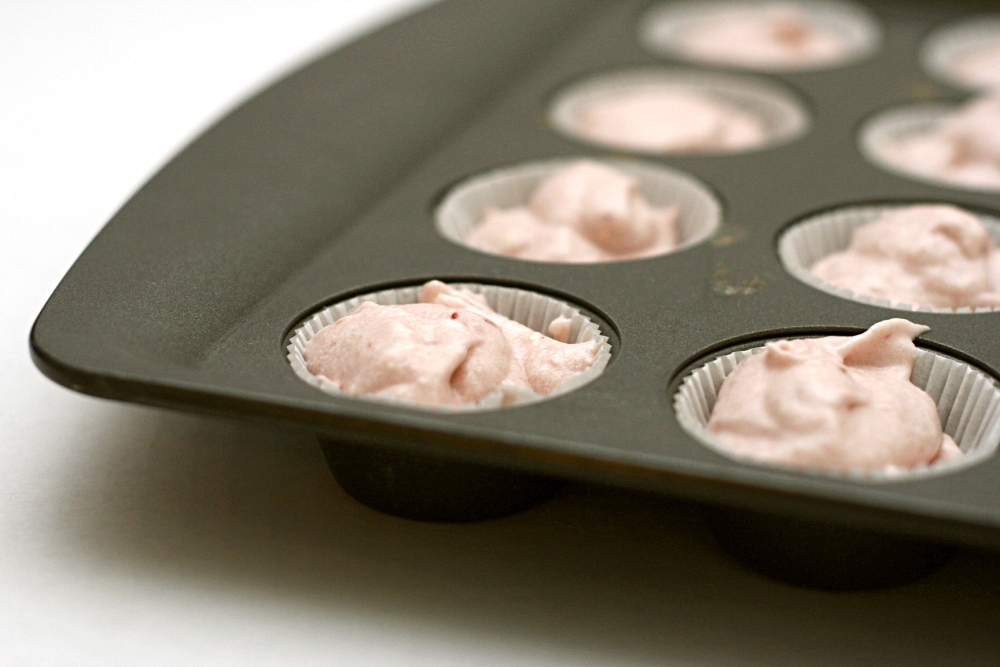
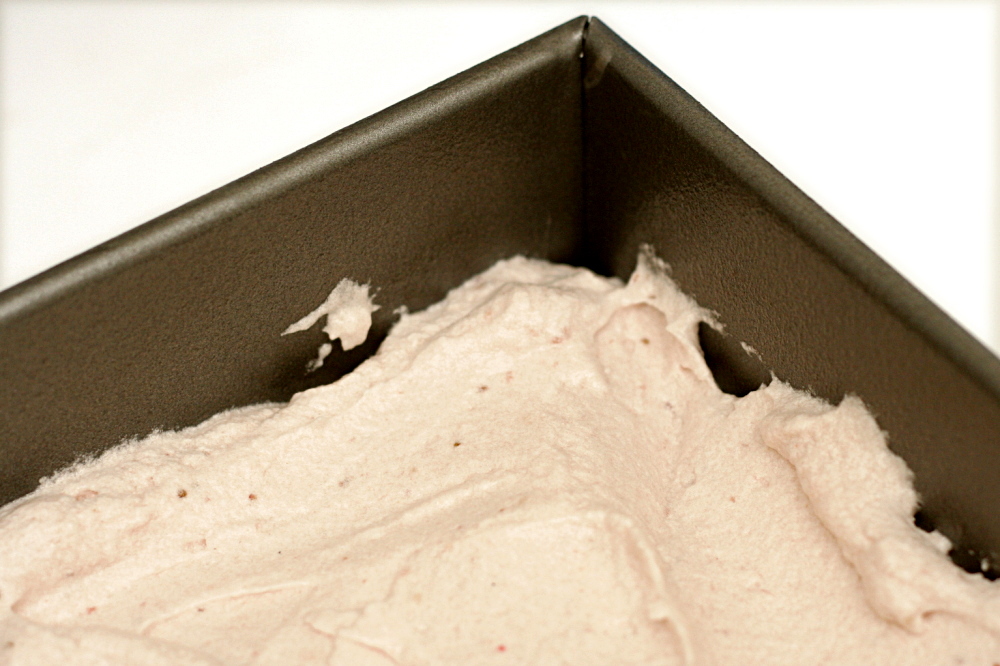
The first strawberry cake I made has a weird mixing method. You mix the dry ingredients in the mixer bowl, then add strawberry puree and softened butter and beat the mixture until it’s fluffy. Only then do you add milk and the egg whites in a few additions, mixing just until they’re mixed in.

copy-of-img_5026

The egg whites are added at the end? Bizarro.

*Disclaimer: I accidentally added the milk with the strawberry puree. I don’t think this would have a significant effect on the outcome, but I can’t be sure.

copy-of-img_5033

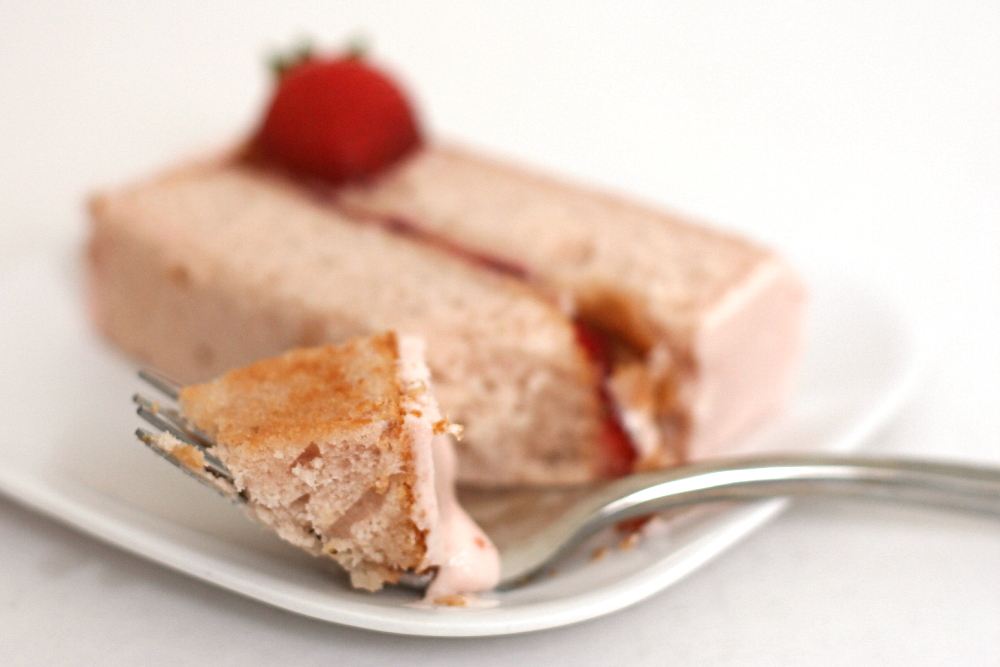
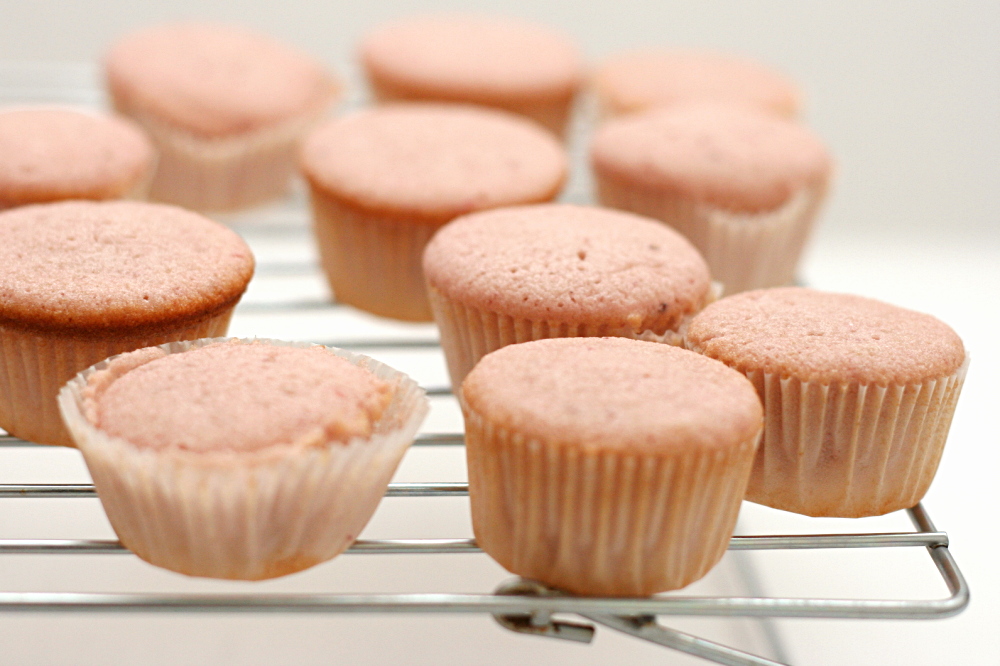
The cake was good, but, to me, not perfect. My mini cupcakes were a little sticky, or maybe gummy is a better word. What’s stranger is that all of the cupcake wrappers detached themselves from the cupcake within a few hours of baking. The flavor was great though, and every time I opened the lid to the container, I got a nice whiff of strawberries.

copy-of-img_5042

The other recipe I tried, from Good Things Catered, is similar to Cooks Illustrated’s white cake recipe, which I have previously enjoyed, with strawberry puree substituted for a portion of the milk. This recipe also has an unusual method – dry ingredients, then butter, most of the eggs + liquid, and then the rest of the eggs and liquid, followed by about a minute of beating the batter.

copy-of-img_5565

This cake, I have to admit, seemed a little dry. On the other hand, I did refrigerate it almost immediately after cooling, and then it was in and out of the freezer as I tried to neatly frost it, so perhaps I was a little too rough with it.

copy-of-img_5043

Both cakes were good. The strawberry flavor is definitely noticeable, which is nice. If I had to choose between the two, I’d choose the first one, from the Sky High cookbook, because it seemed more tender. However, what I really want to do is try the ingredients of the first one with a different mixing method. I have a feeling you can’t combine those ingredients and end up with anything that isn’t good, but I love to experiment.

copy-of-img_5568

One year ago: Baba Ghanoush and Fafafel

Pink Lady Cake (from Sky High via Smitten Kitchen)

Keep in mind that Sky High designs recipes for big cakes. If you’re not feeding a crowd, don’t be afraid to cut the recipe in half, which will yield the same amount of cake as most other cake recipes. Divide the batter between two 8- or 9-inch round pans and bake for 23-25 minutes.

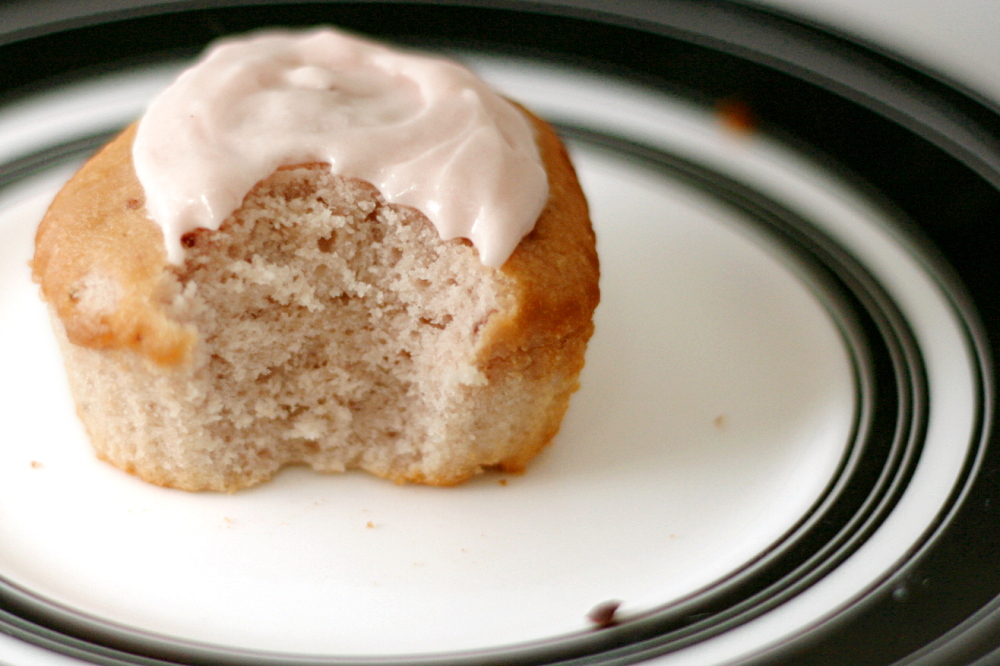
All of the cupcake pictures are of this cake.

4½ cups cake flour
3 cups sugar
5¼ teaspoons baking powder
¾ teaspoon salt
3 sticks (12 ounces) unsalted butter, at room temperature
1½ cups pureed frozen strawberries (from about 12 ounces of strawberries)
8 egg whites
⅔ cup milk
1 to 2 drops red food dye, optional (to make the pink color more intense)

1. Preheat the oven to 350F. Butter three 9-inch round or 8-inch square cake pans. Line with parchment or waxed paper and butter the paper.

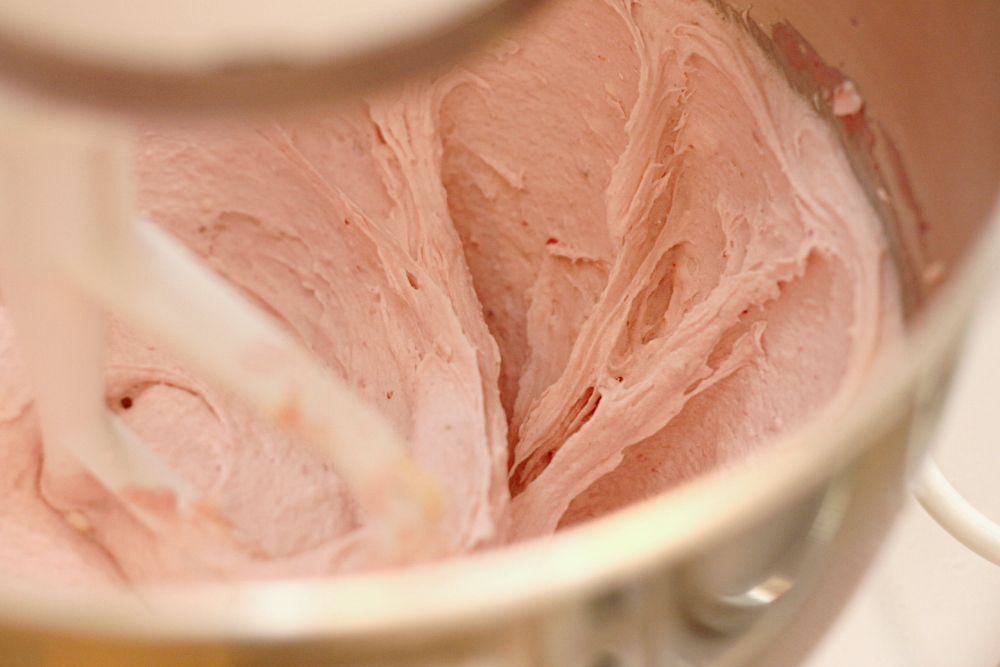
2. Put the flour, sugar, baking powder, and salt in a large mixer bowl. With the electric mixer on low speed, blend for 30 seconds. Add the butter and strawberry puree and mix to blend the ingredients. Raise the speed to medium and beat until light and fluffy, 2 to 3 minutes; the batter will resemble strawberry ice cream at this point.

3. In another large bowl, whisk together the egg whites, milk and red food dye, if using, to blend. Add the whites to the batter in two or three additions, scraping down the sides of the bowl well and mixing only to incorporate after each addition. Divide the batter among the three prepared pans.

4. Bake the cakes for 30 to 34 minutes, or until a cake tester or wooden toothpick inserted into the center comes out clean. Allow the layers to cool in the pans for 10 to 15 minutes. Invert and turn out onto wire racks and peel off the paper liners. Let stand until completely cooled before assembling the cake, at least an hour.

copy-of-img_5054

Strawberry Cake (adapted from Good Things Catered and Cooks Illustrated’s Classic White Layer Cake)

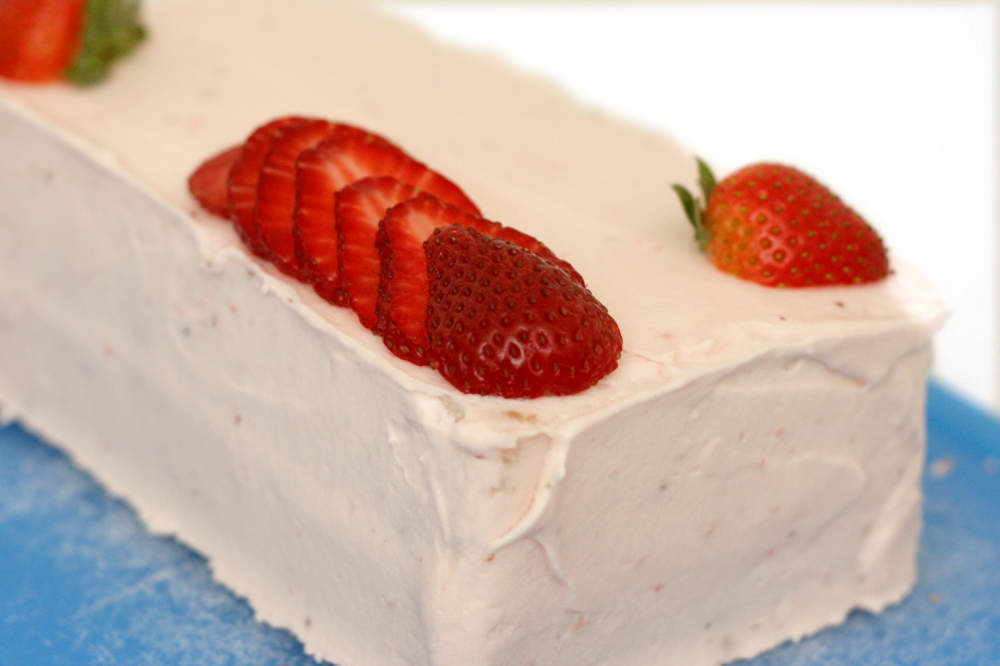
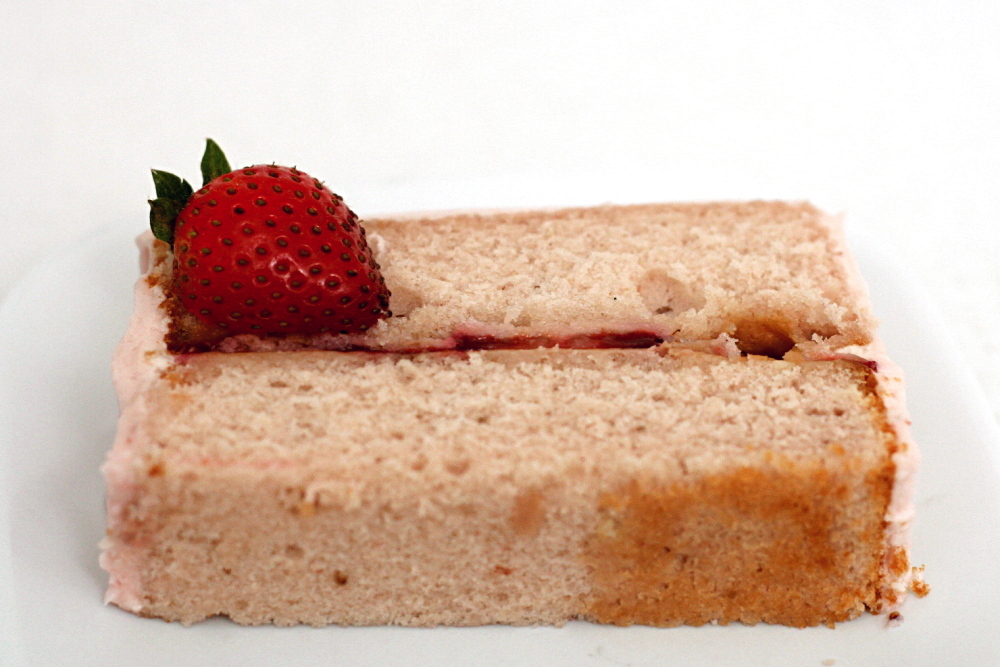
All of the layer cake pictures are from this cake.

Serves 12

Nonstick cooking spray
2¼ cups cake flour (9 ounces), plus more for dusting the pans
¼ cup whole milk, at room temperature
¾ cup strawberry puree (from about 6 ounces strawberries)
6 large egg whites (¾ cup), at room temperature
1 tablespoon vanilla extract
1¾ cups granulated sugar (12¼ ounces)
4 teaspoons baking powder
1 teaspoon table salt
12 tablespoons unsalted butter (1½ sticks), softened but still cool

1. Set oven rack in middle position. (If oven is too small to cook both layers on a single rack, set racks in upper-middle and lower-middle positions.) Heat oven to 350 degrees. Spray two 9-inch round cake pans with nonstick cooking spray; line the bottoms with parchment or waxed paper rounds. Spray the paper rounds, dust the pans with flour, and invert pans and rap sharply to remove excess flour.

2. Pour milk, strawberry puree, egg whites, and extract into 2-cup glass measure, and mix with fork until blended.

3. Mix cake flour, sugar, baking powder, and salt in bowl of electric mixer at slow speed. Add butter; continue beating at slow speed until mixture resembles moist crumbs, with no powdery streaks remaining.

4. Add all but ½ cup of strawberry mixture to crumbs and beat at medium speed (or high speed if using handheld mixer) for 1½ minutes. Add remaining ½ cup of strawberry mixture and beat 30 seconds more. Stop mixer and scrape sides of bowl. Return mixer to medium (or high) speed and beat 20 seconds longer.

5. Divide batter evenly between two prepared cake pans; using rubber spatula, spread batter to pan walls and smooth tops. Arrange pans at least 3 inches from the oven walls and 3 inches apart. (If oven is small, place pans on separate racks in staggered fashion to allow for air circulation.) Bake until thin skewer or toothpick inserted in the center comes out clean, 23 to 25 minutes.
6. Let cakes rest in pans for 3 minutes. Loosen from sides of pans with a knife, if necessary, and invert onto wire racks. Reinvert onto additional wire racks. Let cool completely, about 1½ hours.

copy-of-img_5597

cappuccino muffins

copy-of-img_5897

I apologize for being a Debbie downer, but I just wasn’t feeling this month’s Tuesdays with Dorie choices. Apples and cinnamon scream fall and winter to me, peaches won’t be ripe for another month, and two more celebration cakes? Really?

But it’s okay. I’m sure I’ll find something to enjoy about each one. I’ve made three already, and so far, so good.

copy-of-img_5877

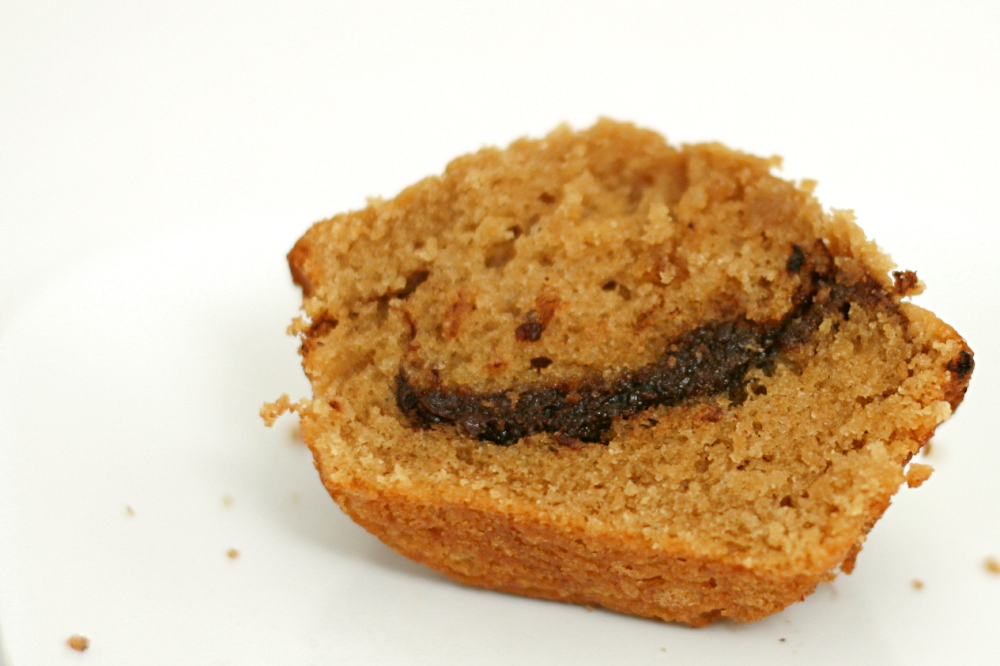
The cinnamon cake really does look great, with its tender base, layer of cinnamon, and swirls of chocolate frosting. But I thought if I could cheat by skipping the frosting and reducing the chocolate in the filling, and get something closer to a muffin than a cake, then I could give them to Dave as a morning snack, freeing me up for another dessert recipe I was eager to make last week.

copy-of-img_5874

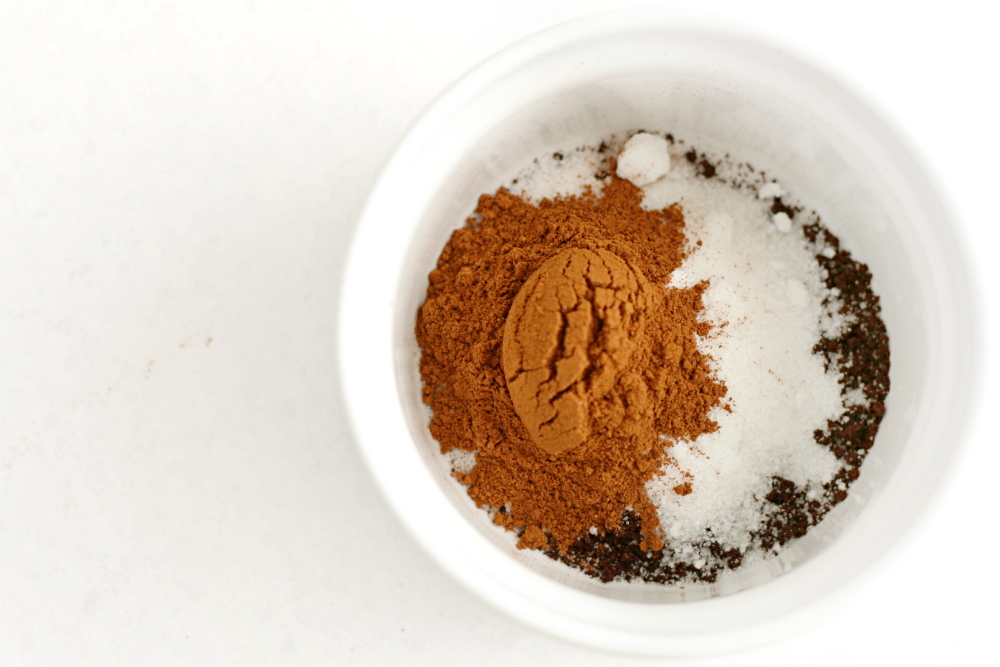
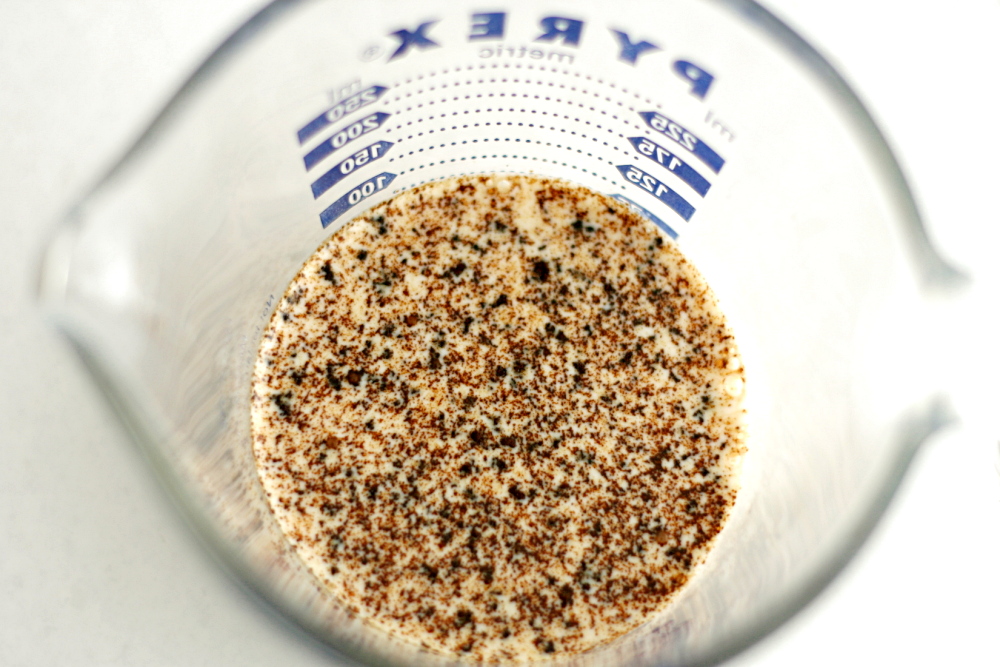
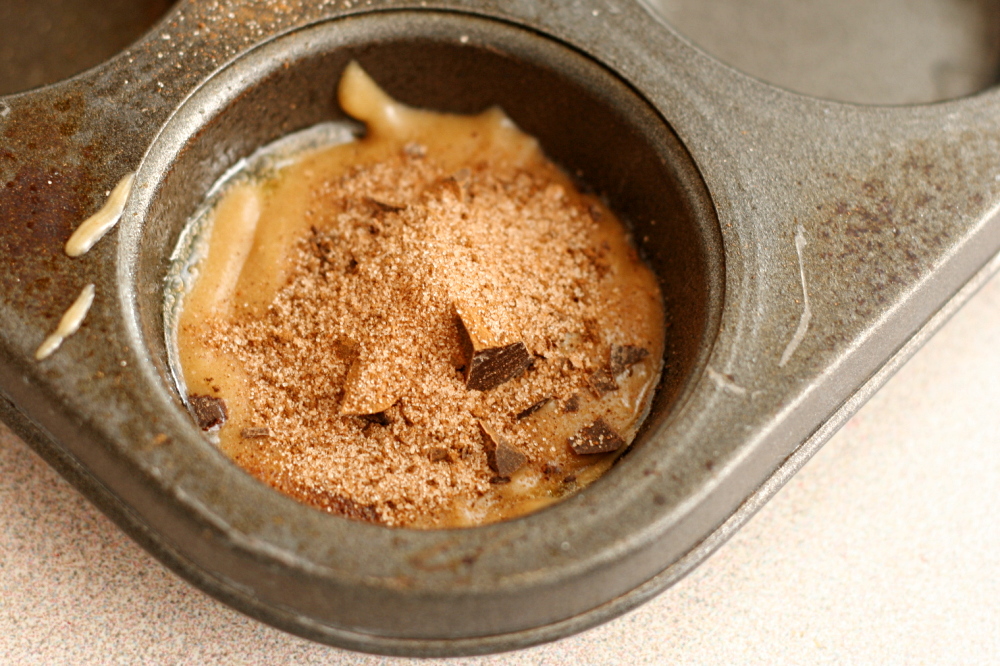
It wasn’t too far of a stretch, since the cake batter was mixed like a muffin – the dry and wet ingredients are mixed separately before being combined. Half of the batter is spread into a pan, a mixture of espresso powder, sugar, and cinnamon is sprinkled over the batter, then some chopped chocolate, and then the remaining batter. Dorie gives a cappuccino version of the recipe as well, where more espresso powder is mixed into the batter, and I made that variation in an effort to make this feel even less like a winter treat.
copy-of-img_5880

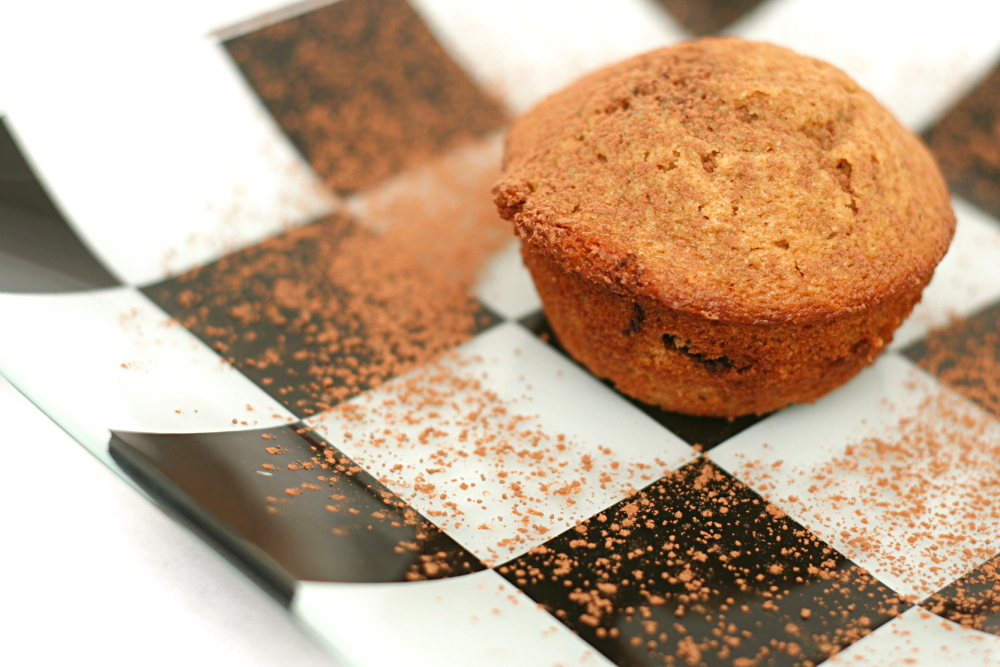
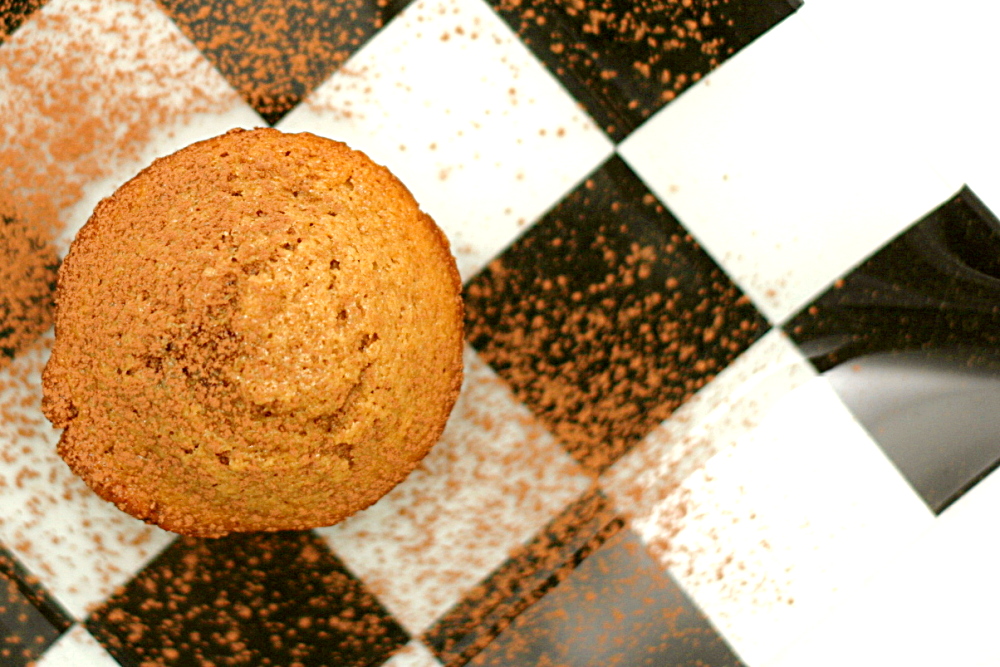
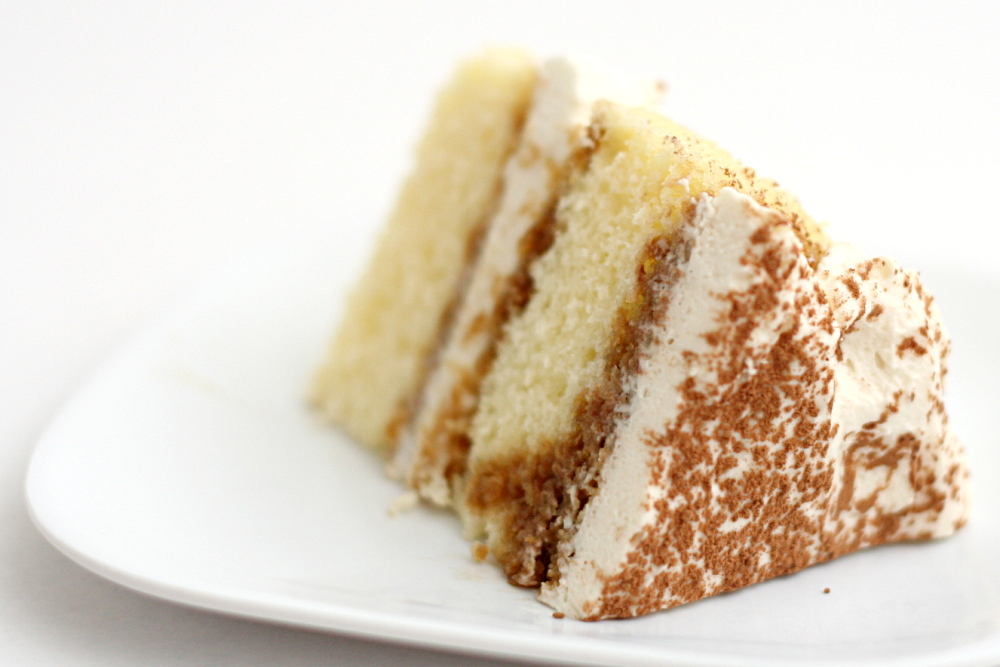
I was very happy with the result. The muffins were light and tender, with an interesting mix of flavors from the espresso, cinnamon, and chocolate. They’re certainly no replacement for our weekend cappuccino habit, but it’s not a bad substitute for a workday.
copy-of-img_5887

Tracey chose this recipe for Tuesdays with Dorie and has the recipe posted. I halved the chocolate in the filling, only used about 2/3 of the cinnamon sugar mixture, made the version with extra espresso, skipped the frosting, and baked the cake in muffin tins (use 12 for a full recipe) instead of a cake pan.
One year ago: Crockpot Pulled Pork

copy-of-img_5895

chipster-topped brownies

copy-of-img_5872
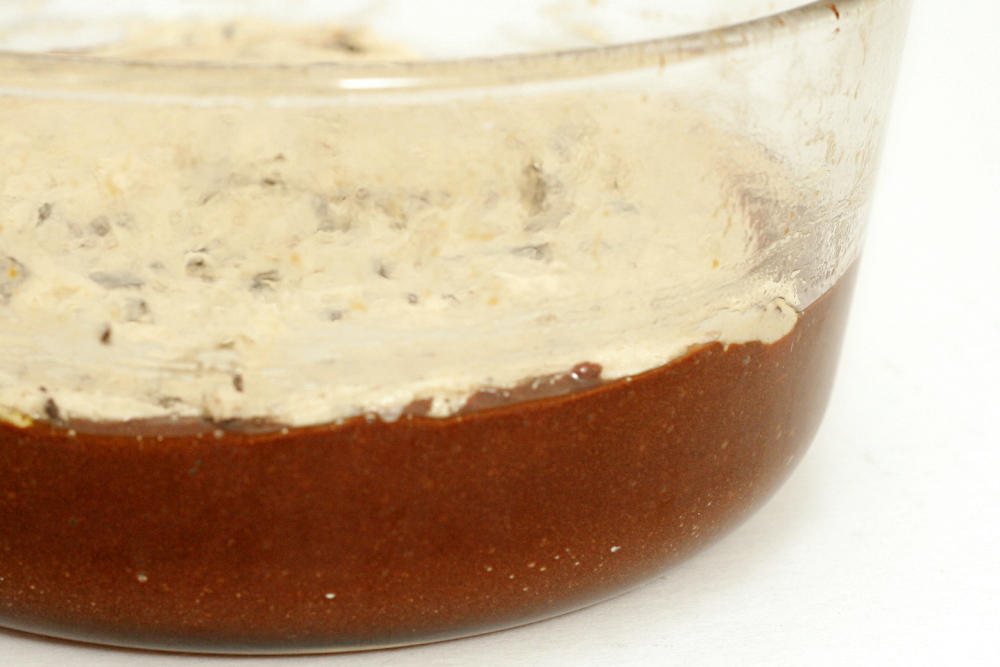
(chilled and therefore solid here)

One of my favorite things about the weekend is coffee. On weekdays, I limit myself to a big mug of black tea each day, maybe two mugs on Friday. But I have to be careful with caffeine, because even one mug of black tea makes me a little excited.  The day I made these brownies, I had about twice my normal weekend allotment of coffee at home, and then there was some deal at the bookstore, and I ended up getting a medium instead of my normal small cappuccino. Whoa.

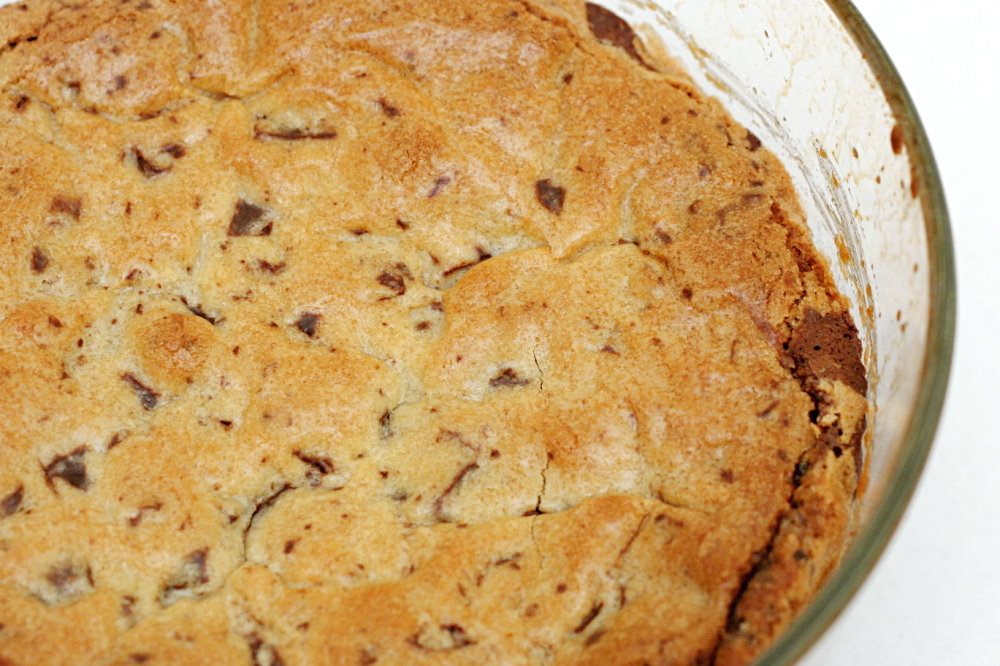
I came home and tried to make dinner and these brownies. Dinner wasn’t too complicated, and this dessert is just a basic brownie recipe topped with a basic chocolate chip cookie recipe. But I couldn’t focus on anything. I kept walking into the kitchen, looking around, and basically thinking, “what should I do, what should I do, what should I do?” Bzzzzzt. That was my brain. Bzzzzt.

copy-of-img_5818

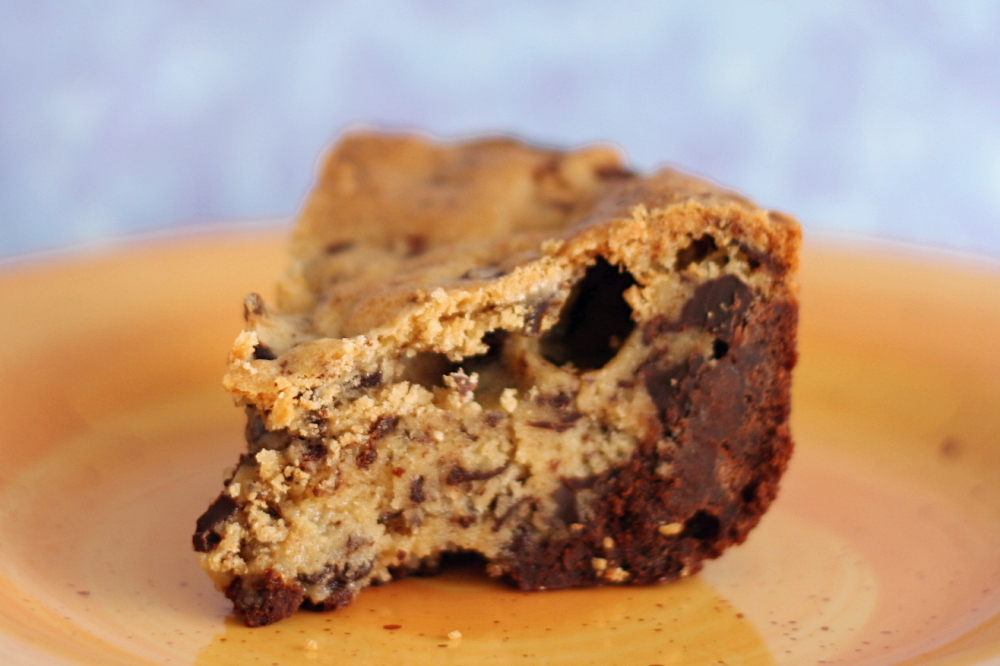
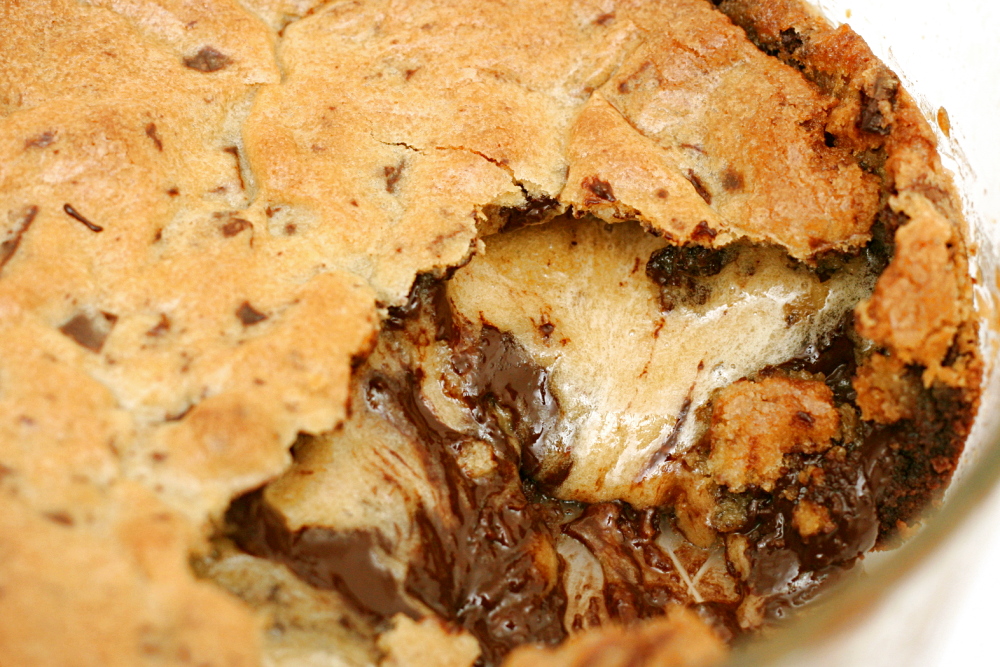
Dinner was sort of a disaster, so I decided to placate myself by skipping right to dessert – only to find that the middle of the pan of brownies was totally raw. That just made me irritated enough to grab a spoon and go to town.

I have no one to blame but myself. I never bothered to check the doneness of the brownies at all. I didn’t pay attention to when they went into the oven, and then at some point later, it occurred to me that I should check on them. I noticed how dark the top was and assumed I’d overcooked them.

copy-of-img_5834

If I had bothered to read the discussion of this recipe on TWD’s site, which of course I hadn’t, I would have known that underdoneness was a common problem. To complicate matters, I made ¼ of the brownie portion and ½ of the cookie portion using a pan ¼ the size of what’s recommended for a full recipe. (Thanks to Caitlin for this advice – it was definitely closer to the ratio of brownie to cookie that I preferred.)

If this is the result, I’m really going to have to be more careful about my caffeine consumption. It’s a good thing that chocolate chip cookie dough is one of my favorite foods, because that and brownie batter is basically what this ended up as.

Chipster-Topped Brownies (from Dorie Greenspan’s Baking: From my Home to Yours)

For the brownie layer:
6 ounces bittersweet chocolate, coarsely chopped
3 ounces unsweetened chocolate, coarsely chopped
16 tablespoons (2 sticks) unsalted butter, cut into chunks
1⅔ cups (11.66 ounces) sugar
4 large eggs
½ teaspoon salt
½ teaspoon vanilla extract
1 cup (4.8 ounces) all-purpose flour
1 cup walnuts

For the cookie layer:
1¼ cups (6 ounces) all purpose flour
½ teaspoon baking soda
½ teaspoon salt
12 tablespoons (1½ sticks) butter, room temperature
¾ cup (5.25 ounces) packed brown sugar
⅔ cup (4.66 ounces) sugar
1 large egg
1 large egg yolk
1 teaspoon vanilla extract
6 ounces bittersweet chocolate, either chips or chunks

Getting Ready: Center a rack in the oven and preheat the oven to 350F. Butter a 9×13 inch pan, line it with wax or parchment paper and butter the paper. Put the pan on a baking sheet.

To make the brownie batter:
Put both chocolates and the butter in a bowl set over a saucepan of simmering water. Stirring occasionally, heat just until the ingredients are melted, shiny and smooth. If the mixture gets too hot, the butter will separate from the chocolate. Remove the bowl from the heat.

Working with a stand mixer, preferable fitted with a paddle attachment, or working with a hand mixer in a large bowl, beat the sugar and eggs on medium-high speed for about 2 minutes, until pale, thick and creamy. Beat in the salt and vanilla extract. Reduce speed to low and mix in the melted chocolate and butter, mixing only until incorporated. Scrape down the sides of the bowl with a rubber spatula, then, still on low speed, add the flour, mixing only until it disappear into the batter. Using a spatula, fold in the walnuts, and scrape the batter into the prepared pan. Set aside.

To make the cookie dough:
Whisk together the flour, baking soda and salt.

Working with the stand mixer in the cleaned bowl or with the hand mixer in another large bowl, beat the butter and both sugars together on medium-high speed until smooth and creamy, about 3 minutes. One at a time, add the egg and the yolk, beating for 1 minute after each addition. Beat in vanilla. Reduce the mixer speed to low and add the dry ingredients, mixing only until they disappear into the dough. Still on low, mix in the chocolate. Drop the cookie dough by spoonfuls over the brownie batter and, using a spatula and a light touch, spread evenly over the batter.

Bake for 50-55 minutes, or until the cookie top is deep golden brown and firm and thin knife inserted into the brownie layer comes out with only faint streaks of moist chocolate. Transfer the pan to a rack and cool to room temperature.

When the brownies are completely cool, carefully run a knife between the sides of the pan and the brownies, then invert them onto another rack, remove the paper and turn right side up onto a cutting board. Cut into bars about 2 inches by 1 inch.

One year ago: Ricotta Spinach Tofu Ravioli

copy-of-img_5837

strawberry lemon sorbet

copy-of-img_5483

I think I’ve developed a warped sense of nutrition. For the most part, I maximize fruits and vegetables, minimize carbs, focus on lean, usually vegetarian proteins, and avoid alcohol. But this all gets thrown out the window on the weekends, when all I do is try not to overeat and hopefully get some fiber at some point. Oh, and then there’s dessert, which I eat every day.

copy-of-img_5180

I do not skip dessert. I try to control portion sizes of course, but I recognize that this is an indulgence that’s important to me and I’m willing to make other sacrifices (i.e., alcohol on weekdays) to account for it. But somewhere along the way I’ve tricked myself into thinking that as long as something doesn’t have loads of butter in it, it must be healthy.

copy-of-img_5185

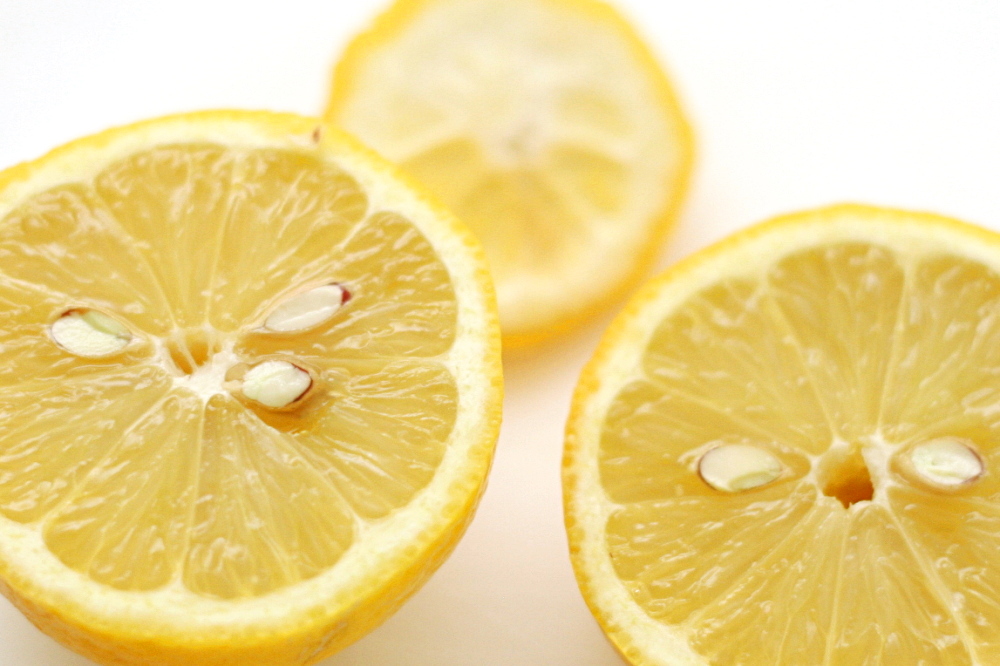
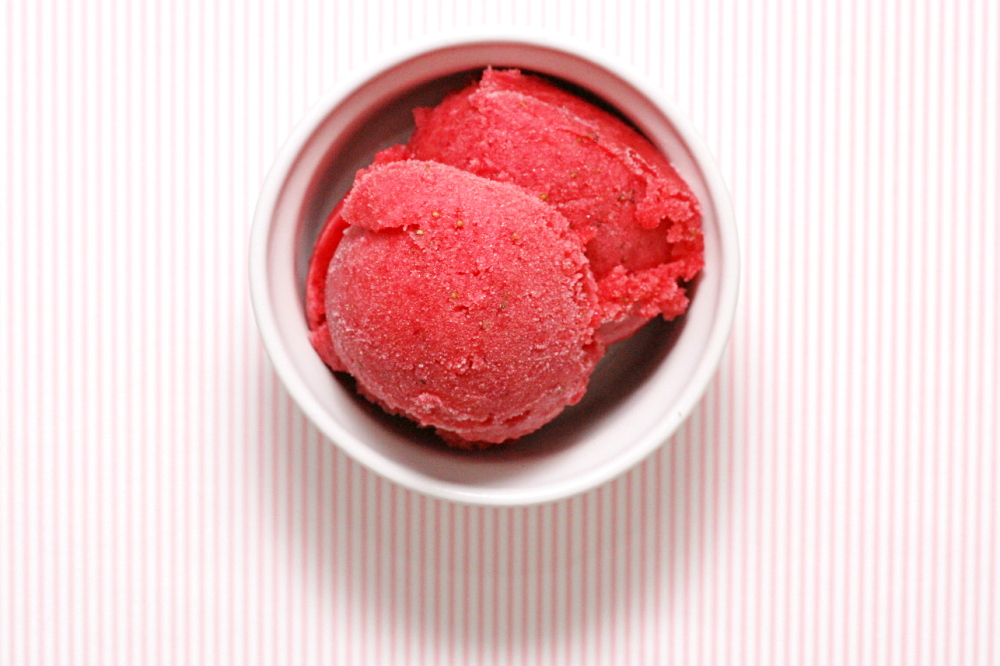
That means that I’m under the impression that this sorbet isn’t just “not so bad”, but it’s downright good for me! Pureed strawberries! A whole lemon! …2 cups of sugar? Oh well.

copy-of-img_5192

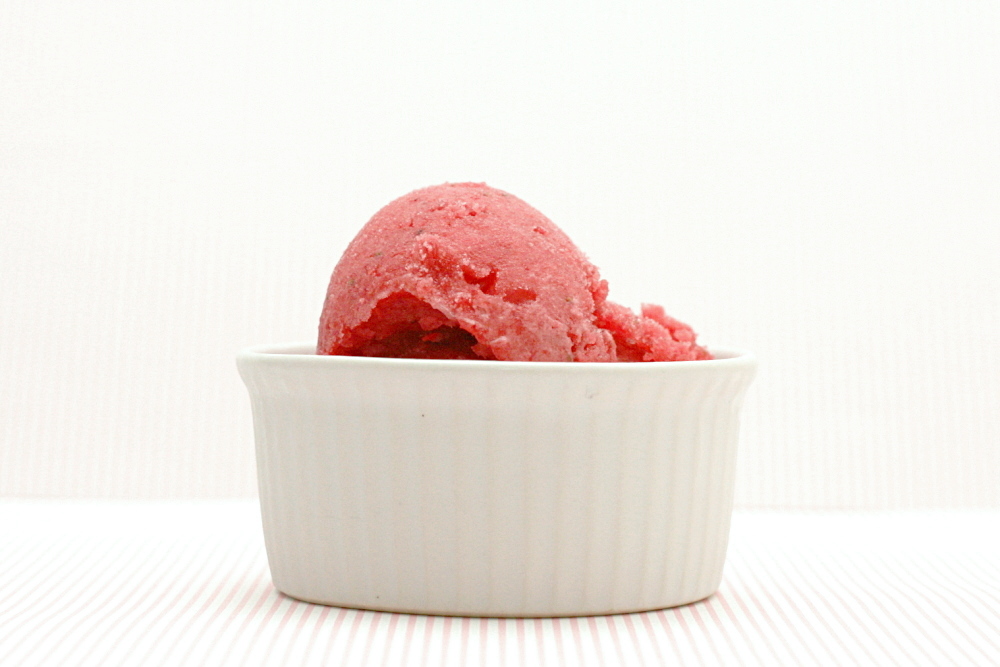
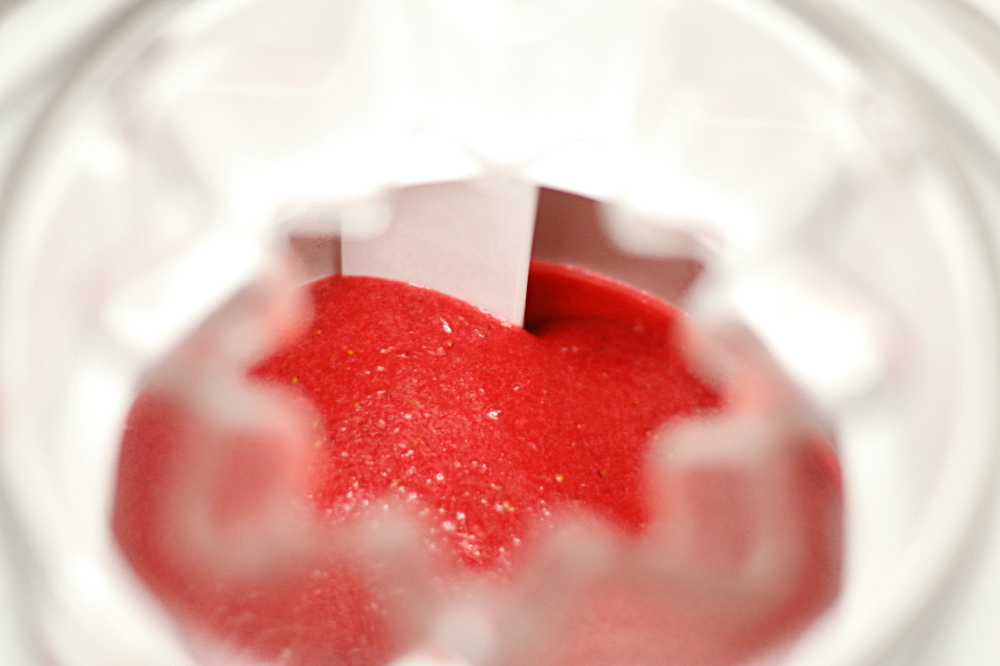
This is another whole lemon dessert, which makes it that much easier to make. All you do is puree everything and churn it in your ice cream maker. This smooth, bright pink sorbet tastes not just of strawberries, but almost equally of lemon, pleasantly tinged by bitterness from the lemon peel. It actually tastes a lot like a strawberry daiquiri. All that and it isn’t even an indulgence! Kinda.

copy-of-img_5235

One year ago: Asparagus and Arugula Salad with Cannellini Beans and Balsamic Vinegar

Strawberry Sorbet (from Smitten Kitchen, who reports the original source as the London River Cafe Cook Book)

Makes 1½ quarts

I added a bit of vodka, maybe a couple of teaspoons, just to keep it from freezing too solid. It was the perfect consistency. I’m wondering if rum would be even better, to keep with the daiquiri flavor?

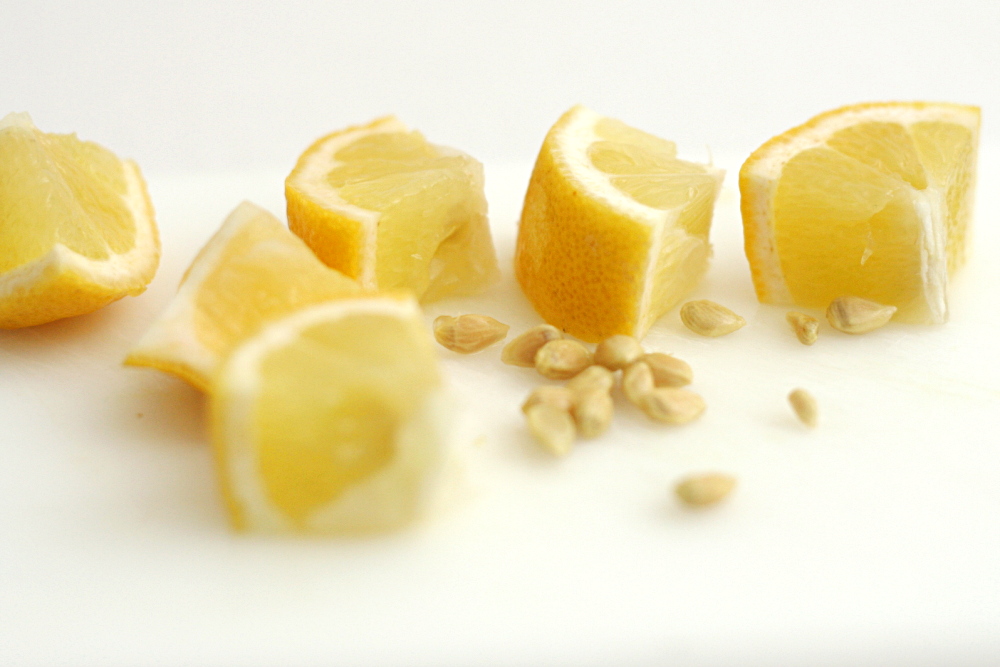
1 lemon, seeded and roughly chopped
2 cups sugar
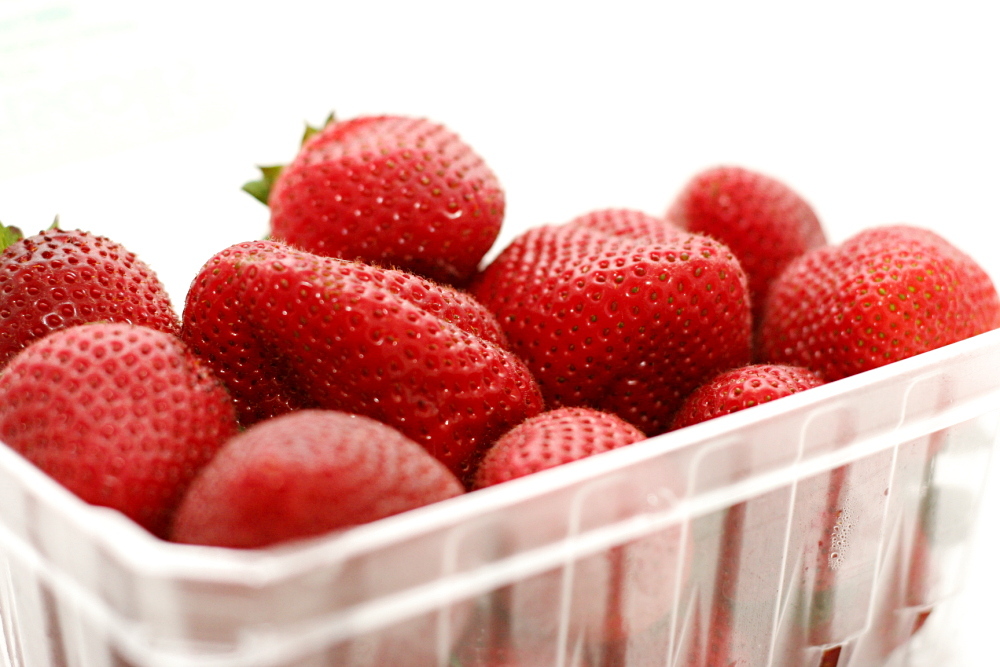
2 pounds strawberries, hulled
Juice of 1 to 2 lemons

1. Place the chopped lemon and sugar in a food processor, and pulse until combined. Transfer to a bowl.

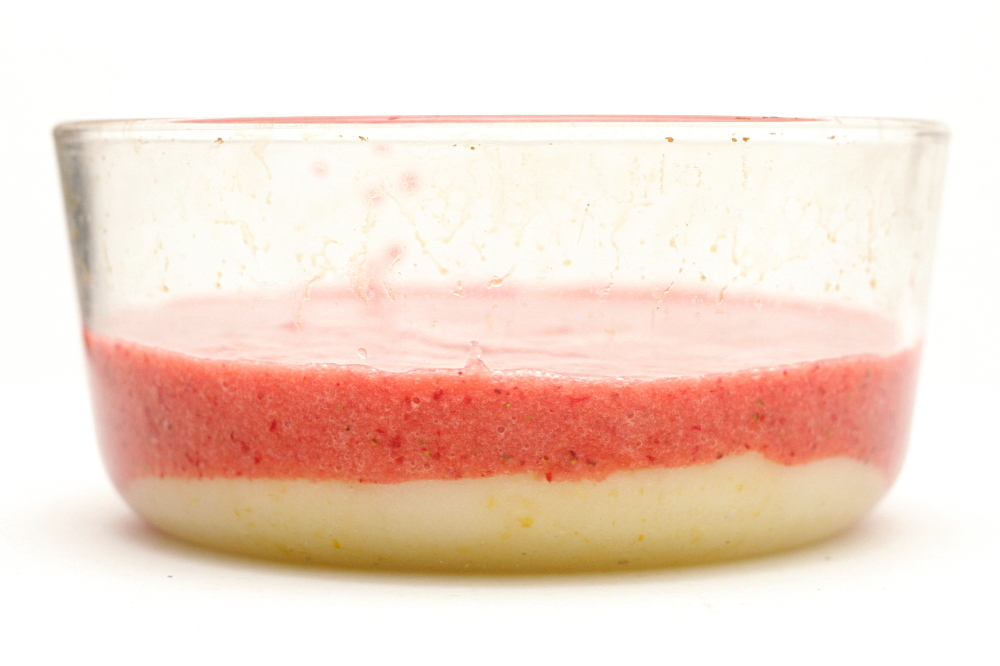
2. Puree the strawberries in a food processor, and add to the lemon mixture, along with the juice of 1 lemon. Taste and add more juice as desired. The lemon flavor should be intense but should not overpower the strawberries. Pour the mixture into an ice cream machine and churn until frozen.

copy-of-img_5490

tartest lemon tart

copy-of-img_5171

You know how a lot of citrus recipes warn you to be careful not to get any of the white pith when you zest the fruit, because it’s bitter? Well, guess what?

Bitter is good.

copy-of-img_5149

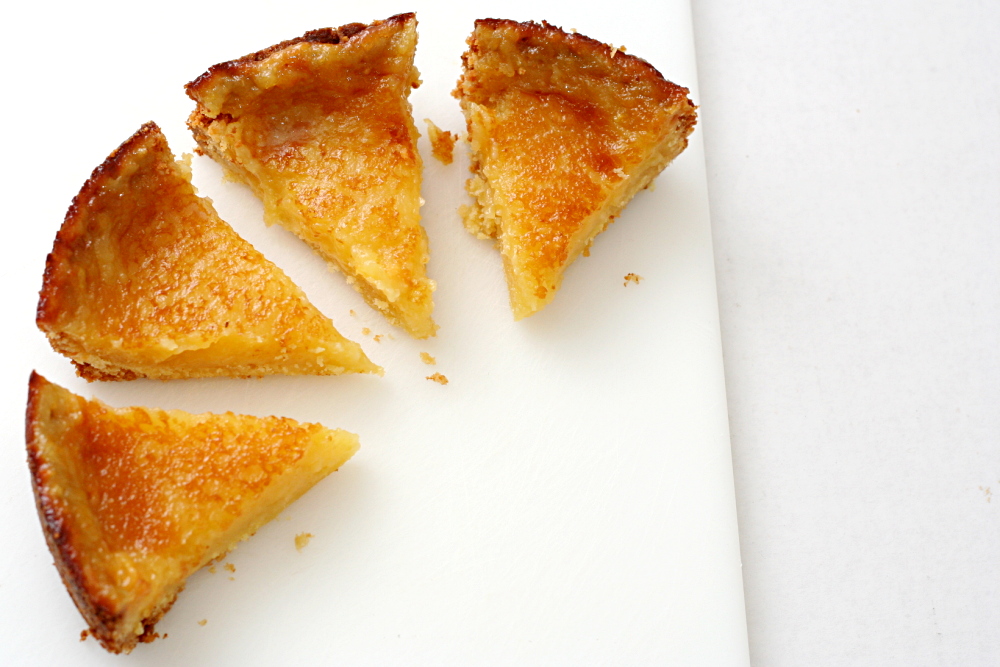
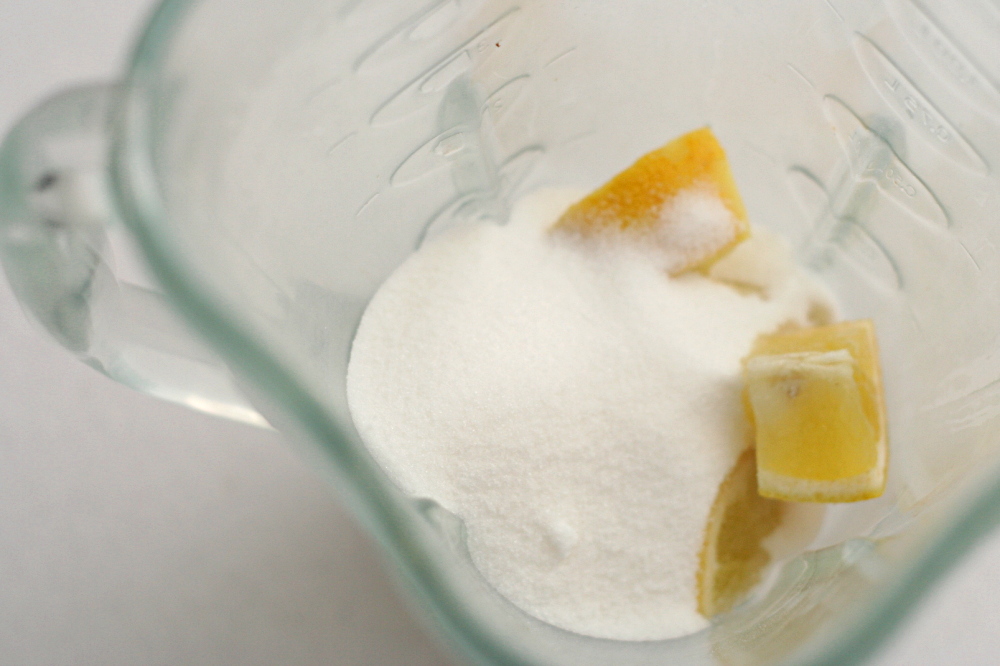
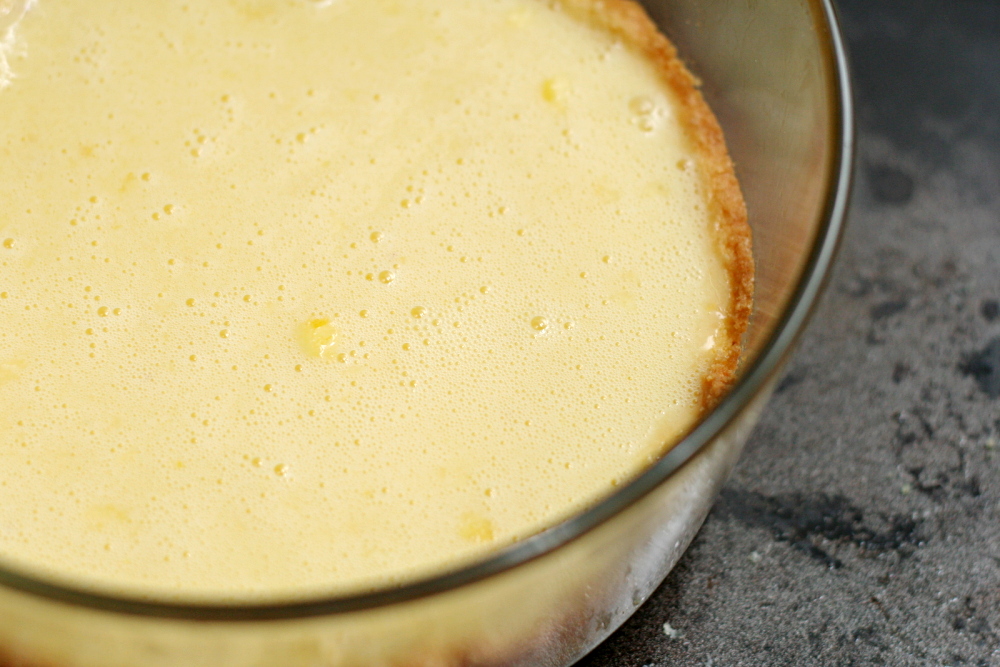
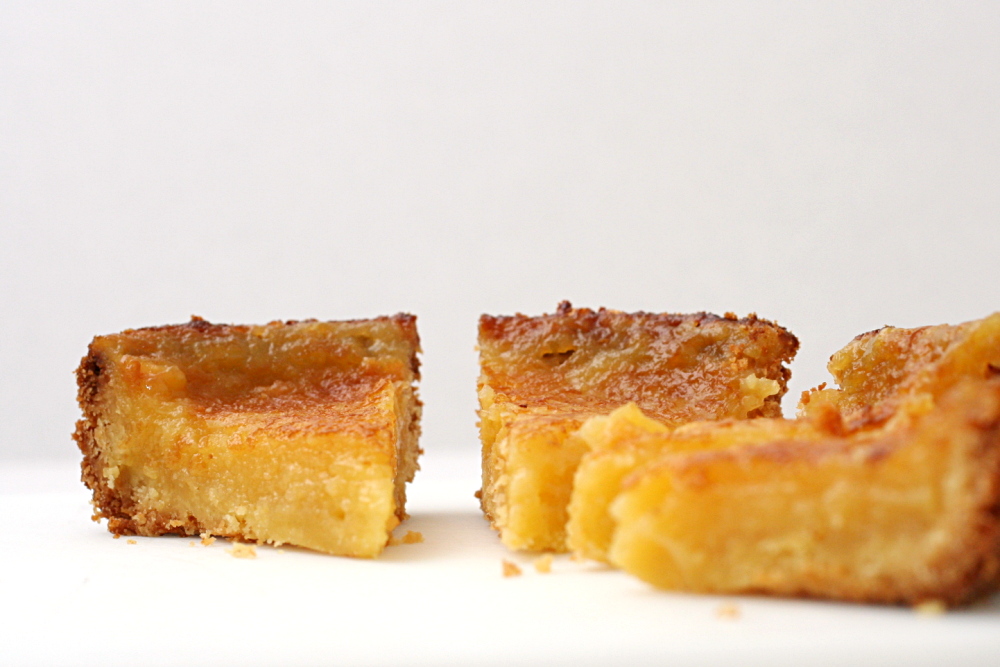
This was my first whole lemon dessert, where everything but the seeds is included. It was simple. Blend sugar and lemons together, then add the rest of the ingredients – eggs and cream, cornstarch and of course butter – to the blender and mix it all together. Then bake it, supposedly until it sets, but it never set for me. The filling boiled instead, until the crust was quite a bit darker than I like and I figured I’d better take the tart out of the oven, bubbling or not.

copy-of-img_5154

It did set up once it cooled, and it was delicious. I loved it. I didn’t think it was exceptionally tart, but it’s possible that I either had a lemon that was on the milder side, or my smallish organic lemons had a very thin layer of pith. It was just the slightest bit bitter, which was perfectly balanced by sour and sweet, adding an extra dimension to the dessert without dominating it.  I am definitely sold on the idea of whole lemon desserts – so much so that I made another one two days later!

copy-of-img_5156

Barb chose this tart for Tuesdays (or Thursdays, if you’ve been ignoring your blog while entertaining a guest) with Dorie, and she has the recipe posted.

One year ago: Caesar Salad and Snickerdoodles

Tartest Lemon Tart (adapted from Dorie Greenspan’s Tartest Lemon Tart recipe found in Baking from My Home to Yours)

Sweet Tart Dough with Nuts:
1¼ cups (6 ounces) all purpose flour
¼ cup ground almonds (or pecans, walnuts or pistachios)
½ cup (2 ounces) confectioners’ sugar
¼ tsp salt
1 stick, plus 1 tbsp (9 tbsp) very cold or frozen unsalted butter, diced
1 large egg yolk, at room temperature

Filling:
1½ lemons, scrubbed and dried
1½ cups (10.5 ounces) sugar
1 large egg, at room temperature
2 large egg yolks, at room temperature
1½ tbsp cornstarch
½ cup heavy cream
½ stick (4 tablespoons) unsalted butter, melted and cooled

1. For the dough: Put the flour, ground almonds, confectioners’ sugar and salt in a food processor, pulsing a few times to combine. Scatter the butter pieces over the dry ingredients and pulse until the butter is coarsely cut in—you should have some pieces the size of oatmeal flakes and some the size of peas. Stir the yolk, just to break it up, and add it a little at a time, pulsing after each addition. When the egg is in, process in long pulses— about 10 seconds each — until the dough, which will look granular soon after the egg is added, forms clumps and curds. Just before you reach this stage, the sound of the machine working the dough will change — heads up. Turn the dough out onto a work surface and, very lightly and sparingly, knead the dough just to incorporate any dry ingredients that might have escaped mixing.

2. To press the dough into the pan: Butter a 9-inch fluted tart pan with a removable bottom. Press the dough evenly over the bottom and up the sides of the pan, using all but one little piece of dough, which you should save in the refrigerator to patch any cracks after the crust is baked. Don’t be too heavy-handed—press the crust in so that the edges of the pieces cling to one another, but not so hard that the crust loses its crumbly texture. Freeze the crust for at least 30 minutes, preferably longer, before baking.

3. To partially bake the crust: Center a rack in the oven and preheat the oven to 375 degrees. Butter the shiny side of a piece of aluminum foil and fit the foil, buttered side down, tightly against the crust. (Since you froze the crust, you can bake it without weights.) Put the tart pan on a baking sheet and bake the crust for 25 minutes. Carefully remove the foil. If the crust has puffed, press it down gently with the back of a spoon. If there are any cracks in the baked crust, patch them with some of the reserved raw dough as soon as you remove the foil. Slice off a thin piece of the dough, place it over the crack, moisten the edges and very gently smooth the edges into the baked crust. If the tart will not be baked again with its filling, bake for another 2 minutes or so, just to take the rawness off the patch. Transfer the crust to a cooling rack (keep it in its pan).

4. For the filling: Center a rack in the oven and preheat the oven to 325 degrees. Place tart pan on baking sheet lined with parchment or silicone mat.

5. Slice whole lemon in half and pull out seeds from it and the half. Then cut lemons into small pieces. The filling is best made in a blender, but you can use a food processor. Put lemons and sugar in the blender or processor and pulse, blending and scraping down the sides until you have smooth mix. Add the remaining filling ingredients and pulse and blend until the filling is homogeneous. Rap bowl on counter several times to de-bubble the filling as much as possible, and pour it into your prepared partially baked crust.

6. Very carefully – tart shell will be full – transfer baking sheet to the oven. Bake 20 minutes, then increase the oven temp to 350 degrees and bake the tart for an additional 25 to 30 minutes. (The total time is 45 to 50 minutes). Don’t be alarmed when the filling starts to bubble up. (It might even bubble over the edge of tart – that’s okay.) When tart is properly baked, it should be set, although perhaps still shaky in center, and most of top will have formed a light sugary crust.

7. Transfer the tart pan to a cooling rack and let cool to room temperature. Chill, if you’d like, before serving with cream or a dusting of confectioners’ sugar.

copy-of-img_5166

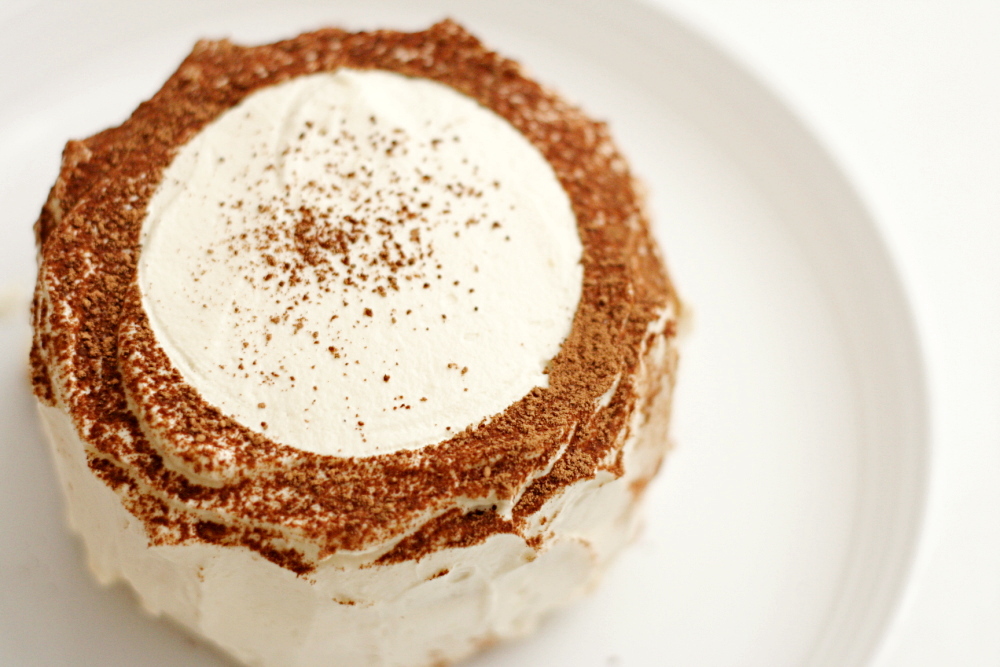
tiramisu cake

copy-of-img_5122

I would be curious to see a statistical analysis of the Tuesdays with Dorie recipes chosen so far. I figure we’ve made our way through about a third of the book, maybe a little less. But we’ve made 12 out of 18 of the celebration cakes (and that’s not including the Perfect Party Cake, which a good portion of the members made for the Daring Bakers). I also wouldn’t be surprised if a higher proportion of recipes with pictures have been chosen compared to those without.

copy-of-img_5099

The problem with celebration cakes is that I generally don’t have a celebration for them. Without people to share with, I have to get creative with fractions and pan sizes. This time, I made half of the recipe into two 4-inch round layer cakes.

copy-of-img_5114

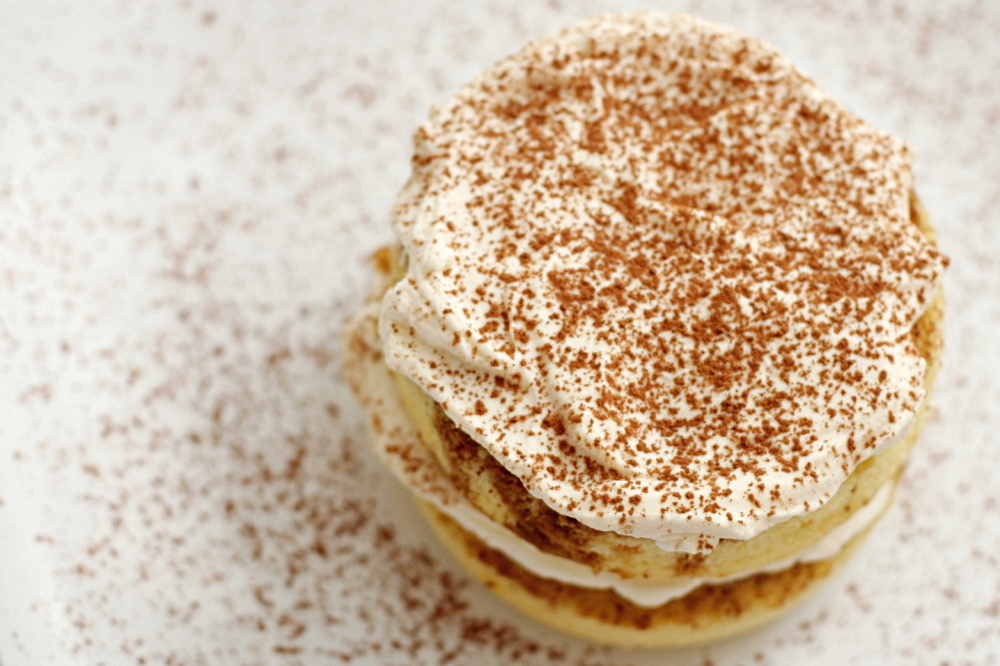
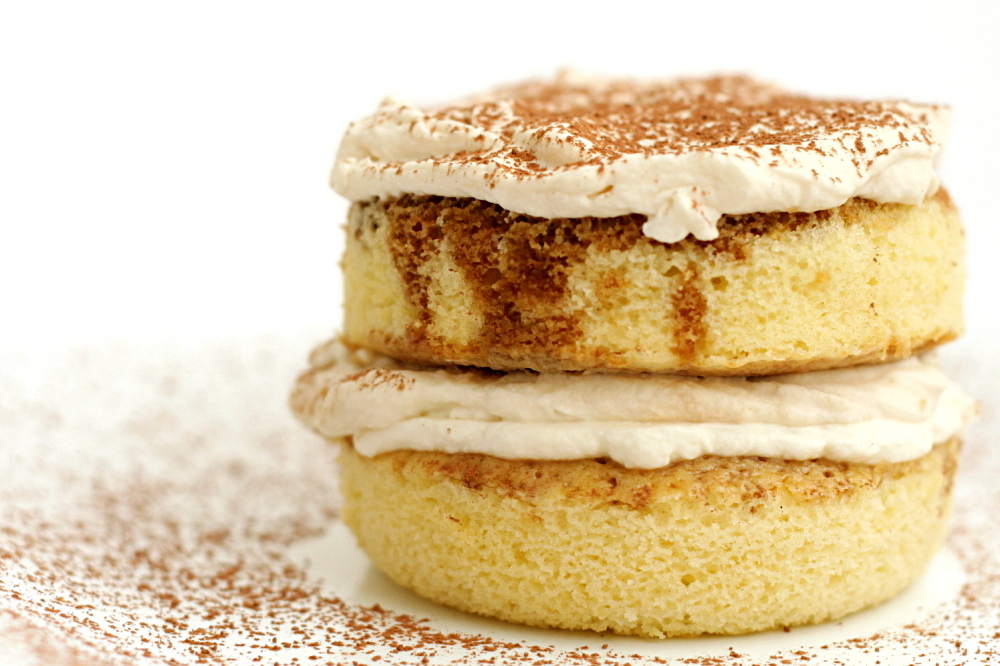
I took some shortcuts here and there. I skipped the chocolate, mostly out of laziness. I used half mascarpone and half cream cheese, because I had bits of both leftover from other things. I know cream cheese isn’t authentic in this, but I honestly just really like cream cheese. Then I added all of the espresso extract to the syrup mixture instead of saving some for the topping because I didn’t read the recipe carefully. And, I didn’t use all of the syrup to soak the cake layers.

copy-of-img_5121

None of those tweaks, save maybe the cream cheese, improved the dessert. That being said, the only one that I really regretted was using less of the coffee mixture than Dorie intended. I was concerned about soggy cake, plus the smooth untrimmed tops of my layers weren’t soaking up much liquid.

copy-of-img_5131

But a little less coffee flavor couldn’t ruin a dessert like this. The cake was light, but sturdy enough to soak up plenty of espresso syrup. The filling was creamy and light and just sweet enough. Everything was accented by bitter coffee and boozy brandy. You shouldn’t wait for a celebration to enjoy cake like this.

Megan has the recipe posted.

One year ago: Double/Triple Chocolate Cookies

copy-of-img_5134

orange-oatmeal-currant cookies

copy-of-img_4655

Is it possible to have a cookbook crush? I received Tartine in the mail three weeks ago, and I’ve hardly put it down since. I heard about the book when Mark recommended it, so I flipped through it one day in the bookstore. I flip through a lot of the books in the bookstore, but I can usually resist buying. I didn’t buy Tartine immediately, but after my initial look-through, I couldn’t put it out of my mind. The croissants! The shortbread! The banana cream pie!

copy-of-img_4591

There are a number of reasons to be excited about this book. The photography is beautiful. The desserts are garnished elegantly.  The author, Elisabeth Pruett (with her husband Chad Robertson) sets a friendly tone and provides plenty of helpful tips.

copy-of-img_4589

But as with any cookbook, it all comes down to the recipes. What I love about Tartine’s recipes is that they’re classics – lemon bars, clafoutis, gingerbread cookies – but they’re taken up a notch. The banana cream pie has a thin layer of chocolate on the bottom crust to keep it crisp. The croissant dough is built from a sponge and then a slow rise. The lemon bars have a crust made from browned butter that’s topped with an extra thick layer of curd.

copy-of-img_4594

You do have to work for those extra steps, so this book won’t be for everyone. But for someone like me, who enjoys the process as much as the result, the book is a perfect fit. There isn’t one recipe in the book that I’m not eager to make.

copy-of-img_4601

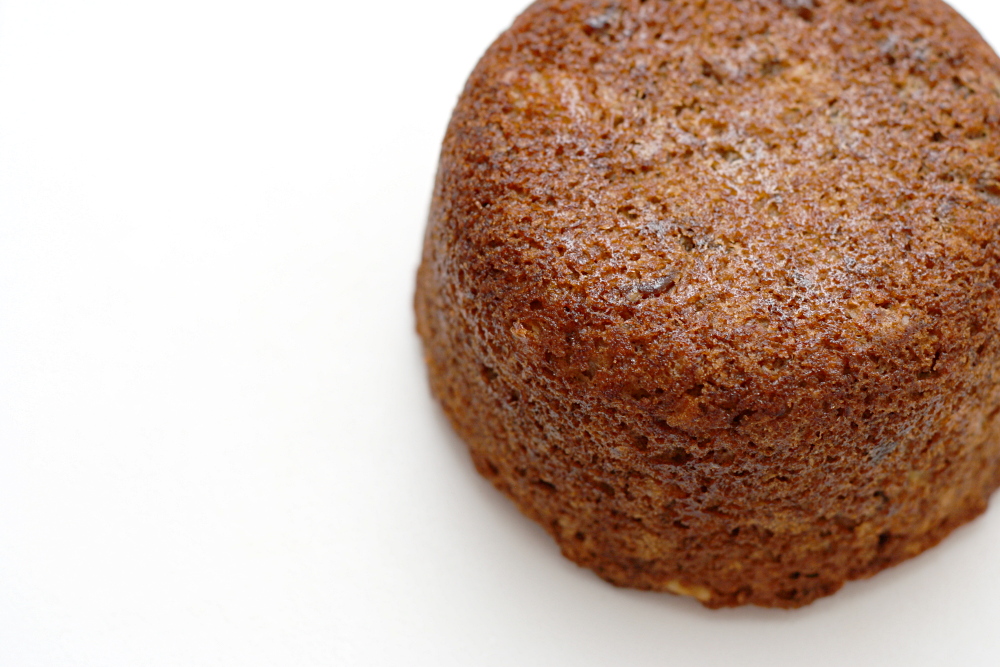
The first recipe I made was the Banana Date Tea Cake, which isn’t something that would normally sound good to me, but that’s what’s special about this book – everything sounds good. And the tea cake was delicious, with a moist, cinnamon-scented crumb that was just a little crisp at the edges. This is definitely one of my favorite banana breads. I have two old bananas sitting around right now, and I’m kicking myself for not buying dates.

copy-of-img_4573
miniature banana date tea cake

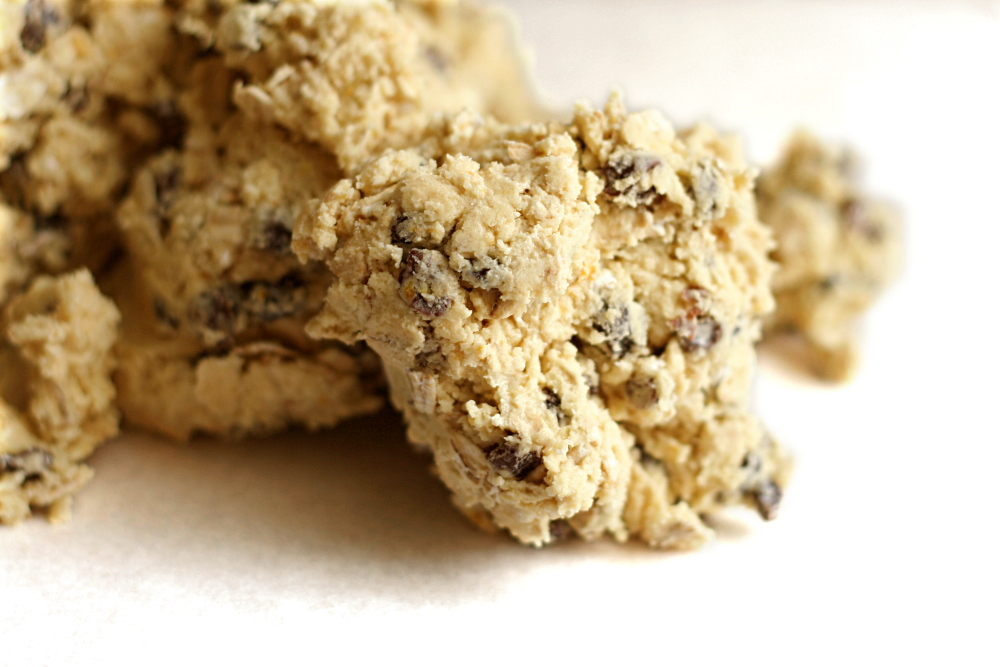
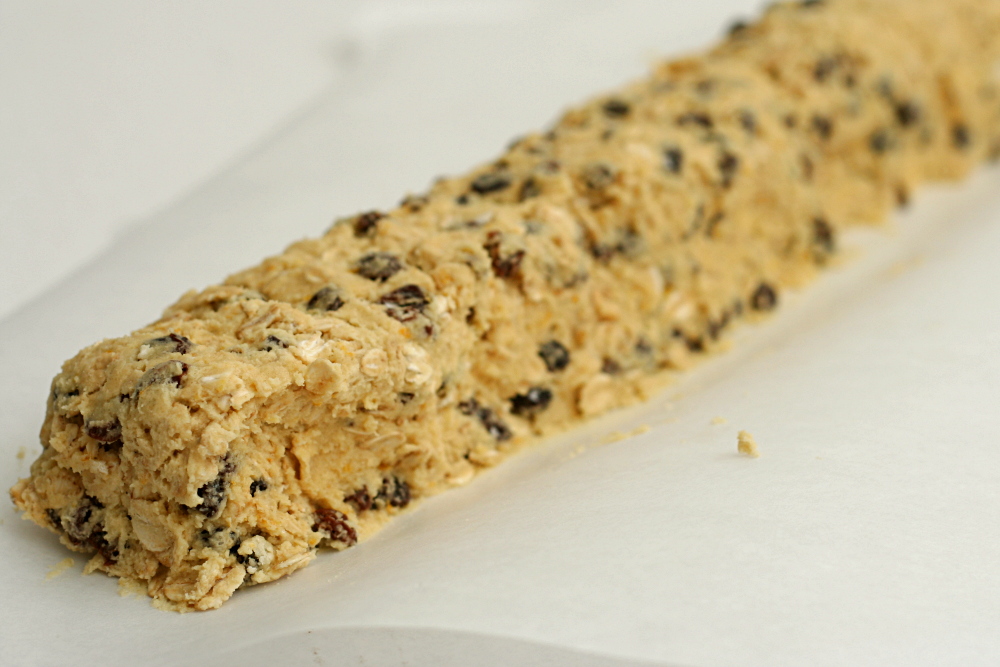
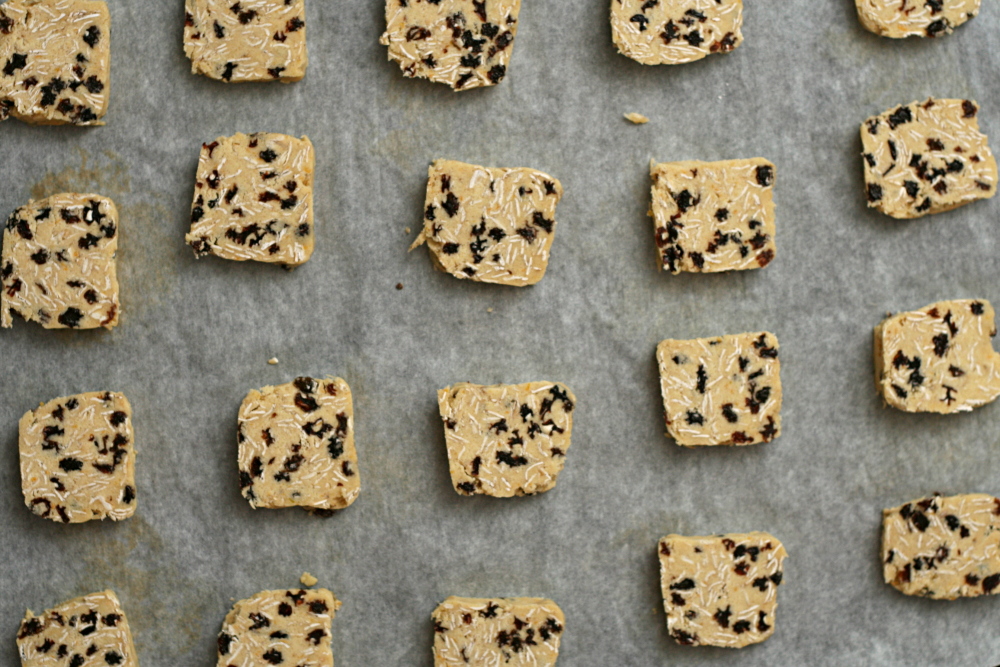
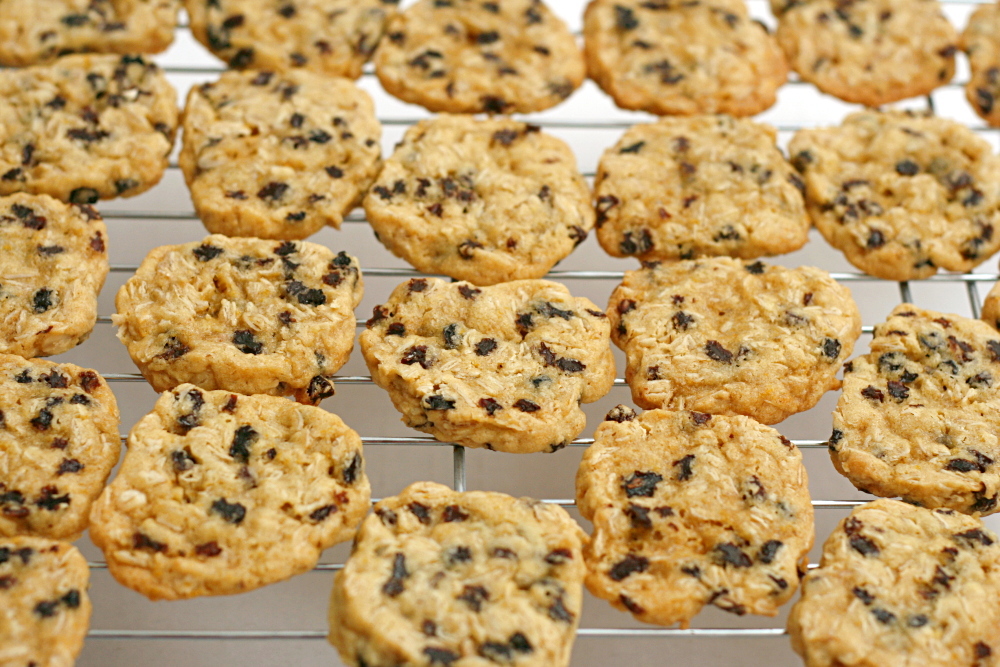
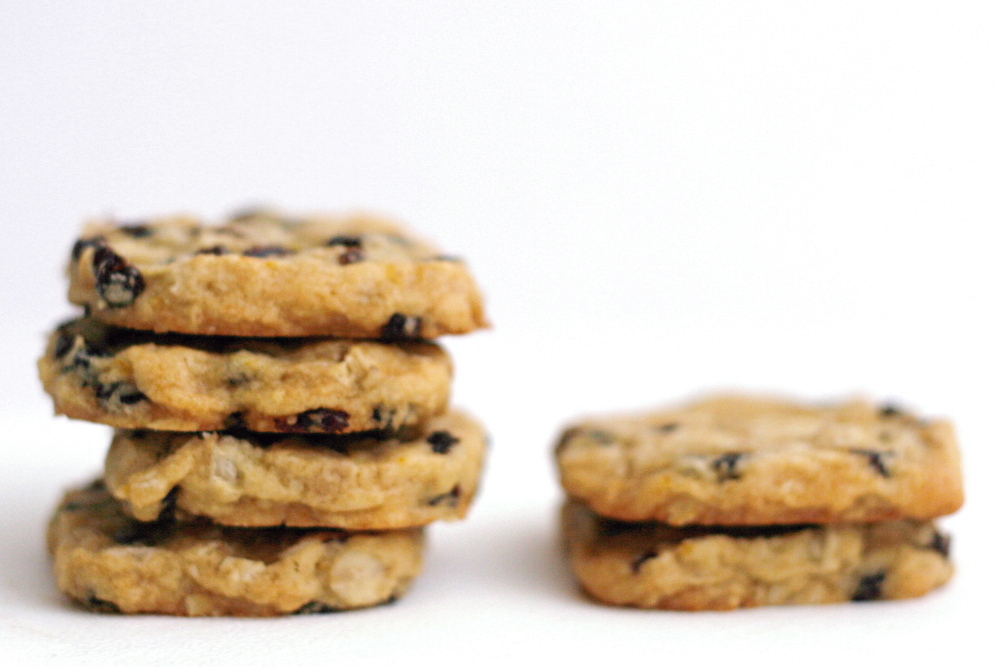
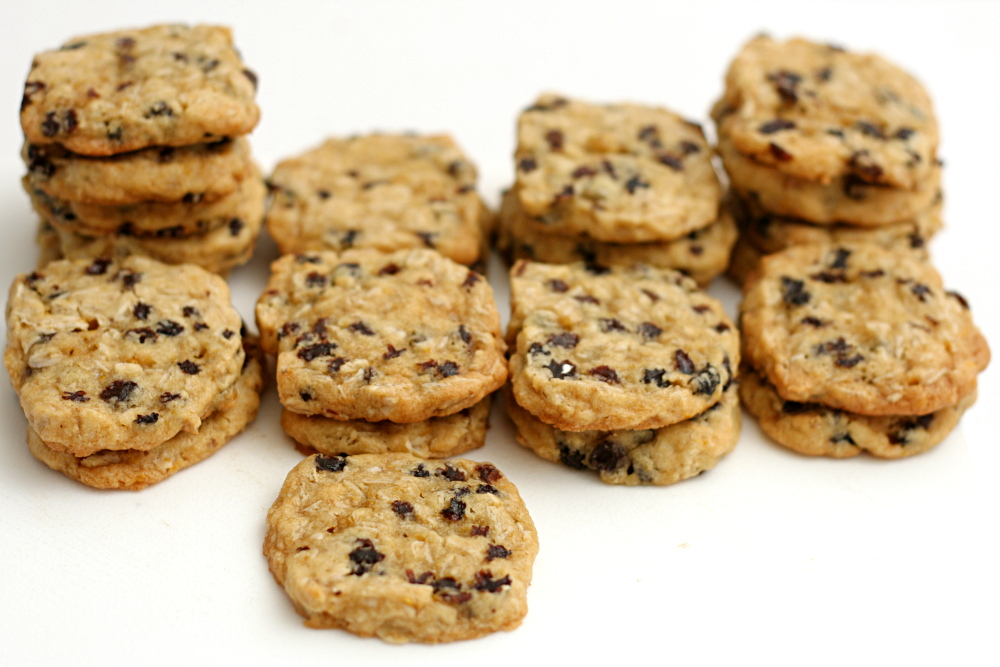
And these cookies honestly might be my new favorite (well…maybe not), and they’re certainly the best oatmeal cookie I’ve eaten. The method is mostly traditional – the butter and sugar are creamed, eggs are beaten in, and the dry ingredients are stirred in just until they’re incorporated. It’s a freezer cookie, so you wrap the dough up and chill it, then when you’re ready to bake, just slice off cookies.

copy-of-img_4644

The cookies are perfectly balanced – slightly crisp on the edges, but mostly a soft chewy center, with tartness from the currants and a hint of orange and of spice. For a cookie, they feel almost light, with currants where chocolate often is and oatmeal adding plenty of healthy bulk. I’m looking for excuses to make them again, and I’m thinking particularly about Mother’s Day. It’s going to be impossible to make my way through Tartine if each recipe is so good that I have to make it twice to get enough.

copy-of-img_4645

One year ago: Red Beans and Rice

Orange-Oatmeal-Currant Cookies (from Tartine, by Elisabeth Pruett and Chad Robertson)

Makes 80 2-inch cookies

The recipe stressed the importance of being chilled overnight, but my dough was plenty chilled after a few hours in the freezer. Zante currants are the kind that you’ll find dried.

1½ cups (7 ounces) zante currants
2 cups (10 ounces) all-purpose flour
½ teaspoon baking soda
½ teaspoon nutmeg, freshly grated
1 cup (8 ounces/16 tablespoons) unsalted butter, at room temperature
1¼ cups (8¾ ounces) sugar
1 large whole egg
1 large egg yolk
1 teaspoon vanilla extract
2 tablespoons light corn syrup
1 tablespoon blackstrap or other dark molasses
½ teaspoon salt
4 teaspoon orange zest, grated
1½ cups (5½ ounces) old-fashioned rolled oats

In a small bowl, combine the currants and warm water to cover and set aside for about 10 minutes until the currants are plumped. Drain well and set aside.

Sift together the flour, baking soda, and nutmeg into a mixing bowl and set aside. Using a stand mixer fitted with the paddle attachment, beat the butter on medium-high speed until light and creamy. Slowly add the sugar and mix on medium speed until light in color and fluffy. Stop the mixer and scrape down the sides of the bowl with a rubber spatula as needed. Add the whole eggs, egg yolk, vanilla, corn syrup, molasses, salt, and orange zest and beat until well mixed. Stir in the flour mixture, currants, and oats until well incorporated.

Divide the dough into 2 equal portions. Working on a large sheet of parchment paper, shape each portion into a log about 14 inches long and 2 inches in diameter. Gently Press each log to give it an oval shape. Wrap tightly in parchment paper or plastic wrap and place in the refrigerator or freezer overnight.

Preheat the oven to 350F. Line a baking sheet with parchment paper or a nonstick liner.

Unwrap the logs. Using a sharp knife, slice the logs into ovals about ¼ inch thick. Arrange the ovals on the prepared baking sheets. Bake until the edges of the cookies are lightly browned but the centers remain pale, 7-10 minutes. You may bake both pans at the same time, but rotate them 180 degrees at the midway point if they are not baking evenly. Transfer the cookies to wire racks to cool. The cookies will be soft when they cool. They will keep in an airtight container at room temperature for up to 2 weeks.

copy-of-img_4647

chocolate cream tart

copy-of-img_4742

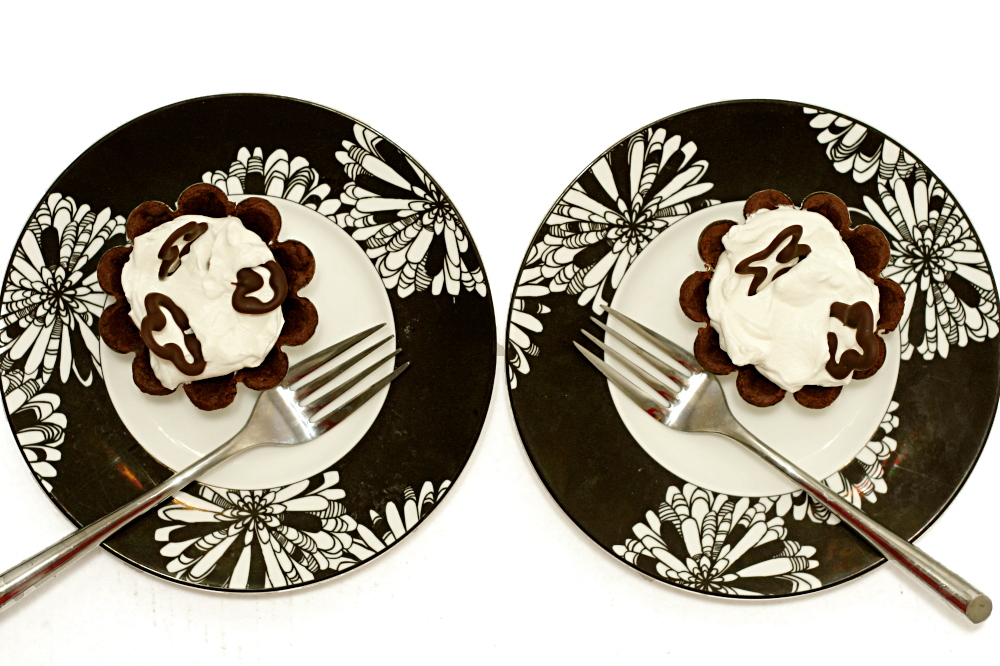
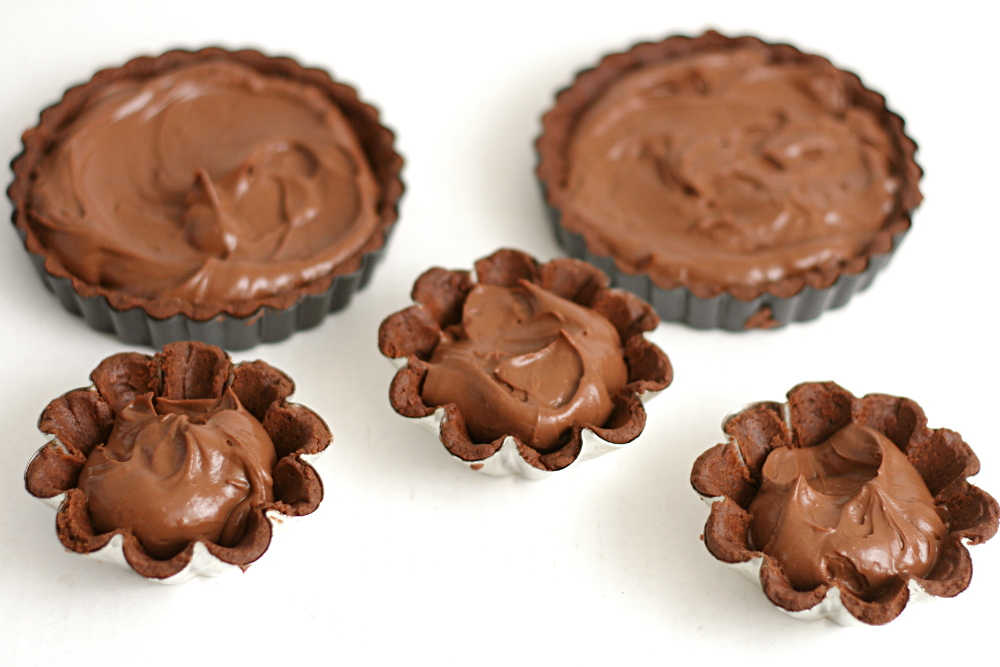
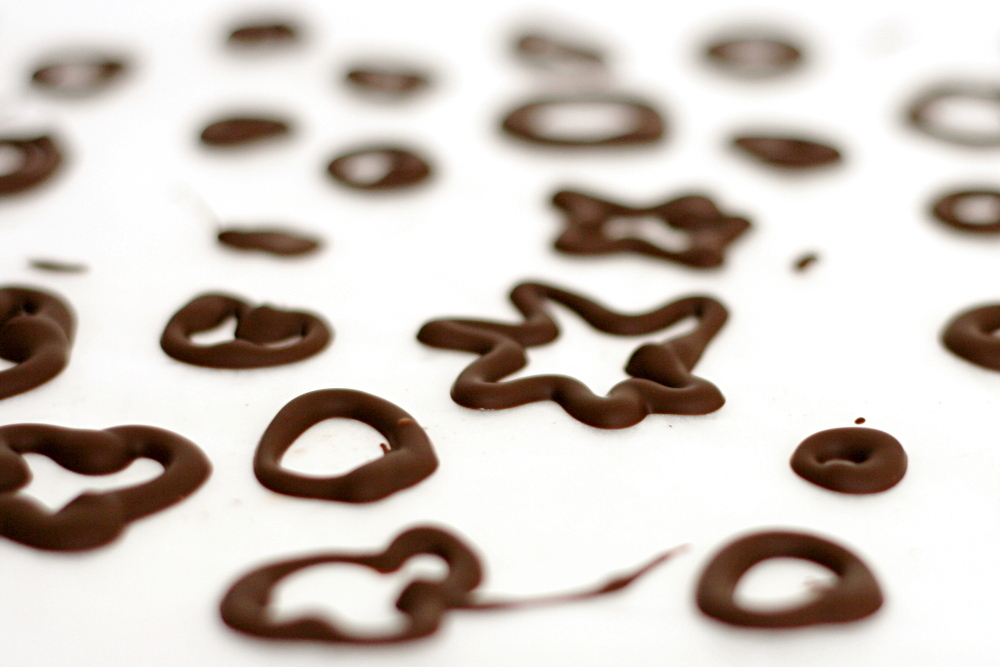
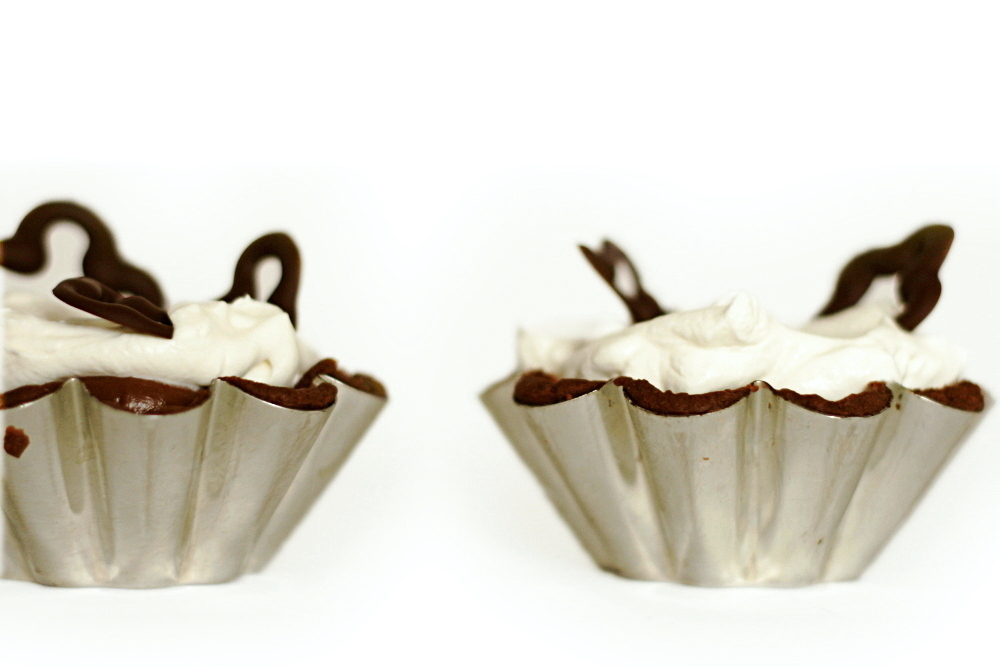
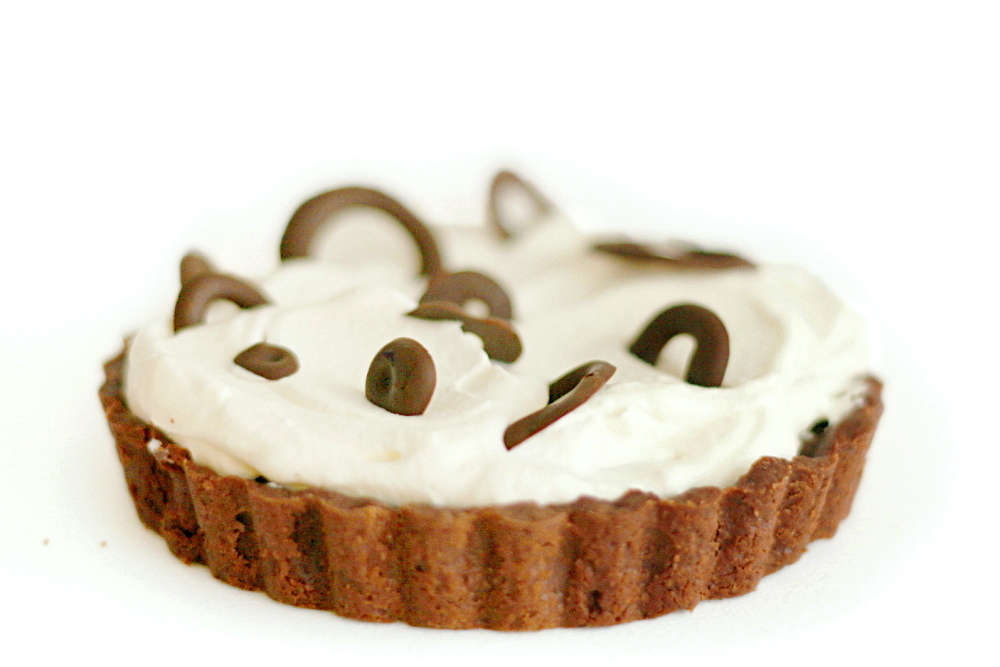
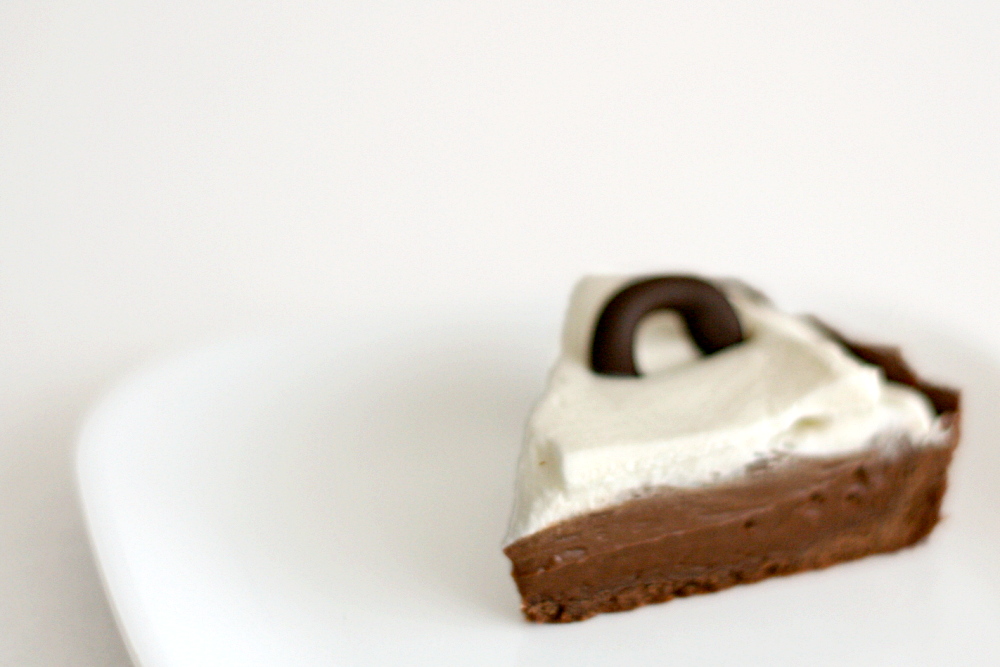
Chocolate cream tart seems like an appropriate way to cap off this month of chocolate, with a bitter chocolate crust and rich chocolate pastry cream balanced by lightly sweetened whipped cream and topped off with decorations of pure bittersweet chocolate. It’s a good thing that  I don’t get tired of chocolate or have problems with rich desserts.

copy-of-copy-of-img_4693

But I was concerned that Dave, who, after eating his umpteenth brownie, mentioned he’s actually not the biggest chocolate fan, wouldn’t like this. Fortunately, I’d forgotten how much he does like custard and pie, which apparently overshadowed his lukewarm feelings toward chocolate.

copy-of-img_4721

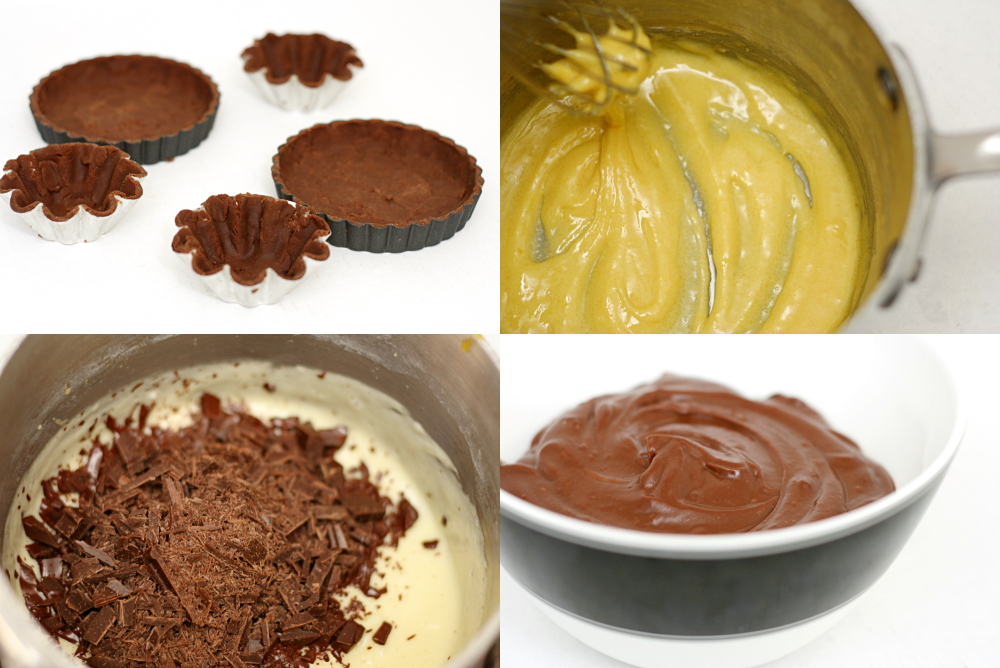
I’m always intrigued by Dorie’s tart dough, which calls for almost no liquid, and instead comes together through far more processing than is usually recommended in crust recipes. She then recommends pressing the dough into the pan instead of rolling it out. Am I the only one who hates pressing dough into pans? I don’t think it’s any less work than rolling it out. I did have to roll it out for the little brioche pans, because in my experience, pressing crusts into these deeply fluted edges results in a huge buildup of crust in the ridges. I pressed the crust into the flat tart pans, and I like both crusts equally.

copy-of-img_4730

The pastry cream is pretty luscious stuff. I did reduce the cornstarch a bit, remembering how the last few times I’ve made a cornstarch-containing custard from Dorie, the cornstarch didn’t seem to completely dissolve. I don’t mind a softer pastry cream anyway. Also, I missed that the chocolate was supposed to be melted before it was added to the pastry cream until it was too late to do anything about it, so I just finely chopped it and stirred it into the hot cream. It worked great, so this a timesaving trick I’ll keep in mind for the future.

copy-of-img_4733

Overall, I thought the tart was pretty great. Some TWD members indicated that they would have rather had a regular tart crust instead of the chocolate crust, and I wholeheartedly disagree. Usually I think tart crusts just get in the way of the filling, but I felt like the chocolate crust complimented, rather than detracted, from this dessert. All of the components, bitter and sweet, rich and light, balanced each other well.

copy-of-img_4884

Kim has posted the recipe.

One year ago: Carrot Cake

copy-of-img_4891

brownie comparison

copy-of-img_4059
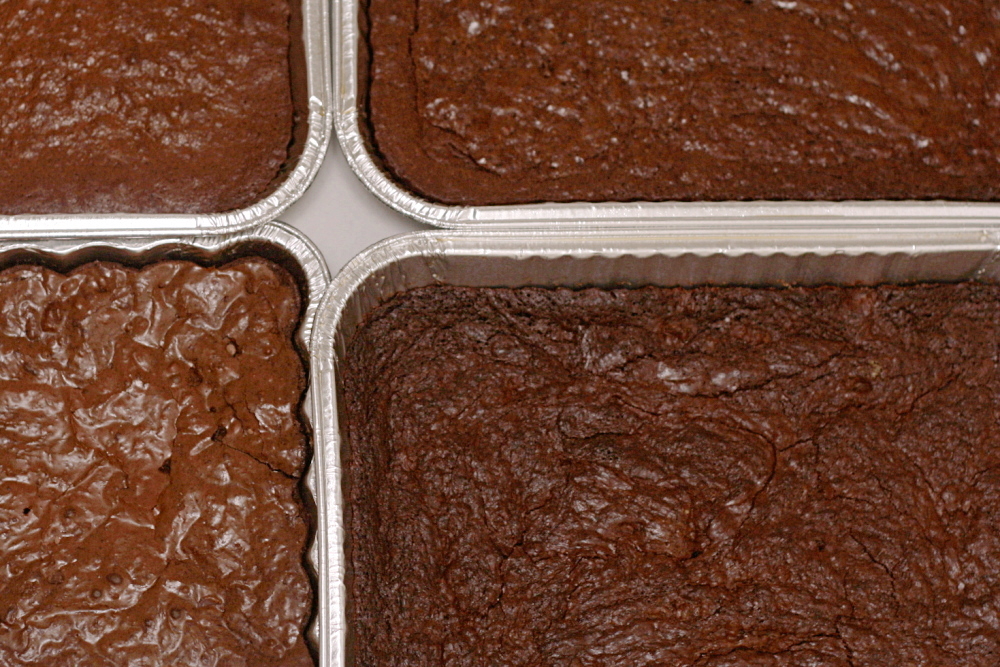
clockwise from upper left: CI, Baked, Outrageous, box

Sometimes these recipe comparisons are a little silly. Once recipes reach a certain point of outstanding-ness, it’s almost meaningless to try to pick a favorite. Plus, we’re talking about brownies – how picky do we really need to be?

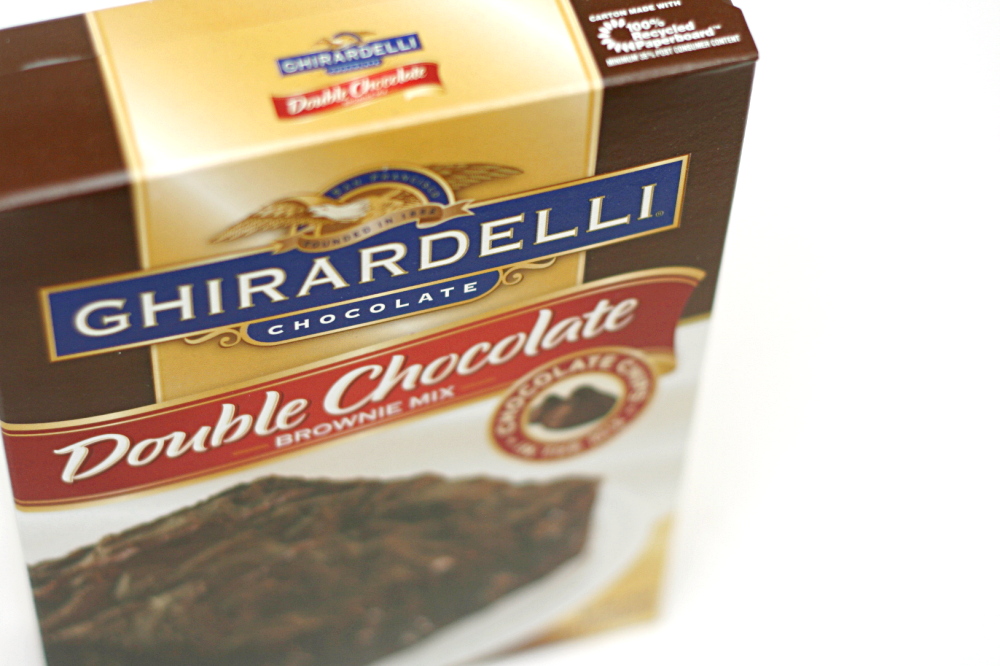
But since I’m not one to be deterred by practicalities, I went ahead with a brownie comparison post. I chose three superstars – Cooks Illustrated’s Classic Brownies, my favorite for years; Ina Garten’s Outrageous Brownies, very popular and the clear winner of another comparison; and the Baked (a bakery in Brooklyn) brownie, famous among people who care about these things. I also threw a boxed mix into the roundup. I chose Ghirardelli because it’s widely available in stores and often receives positive reviews. Plus it was on sale.

copy-of-img_4016

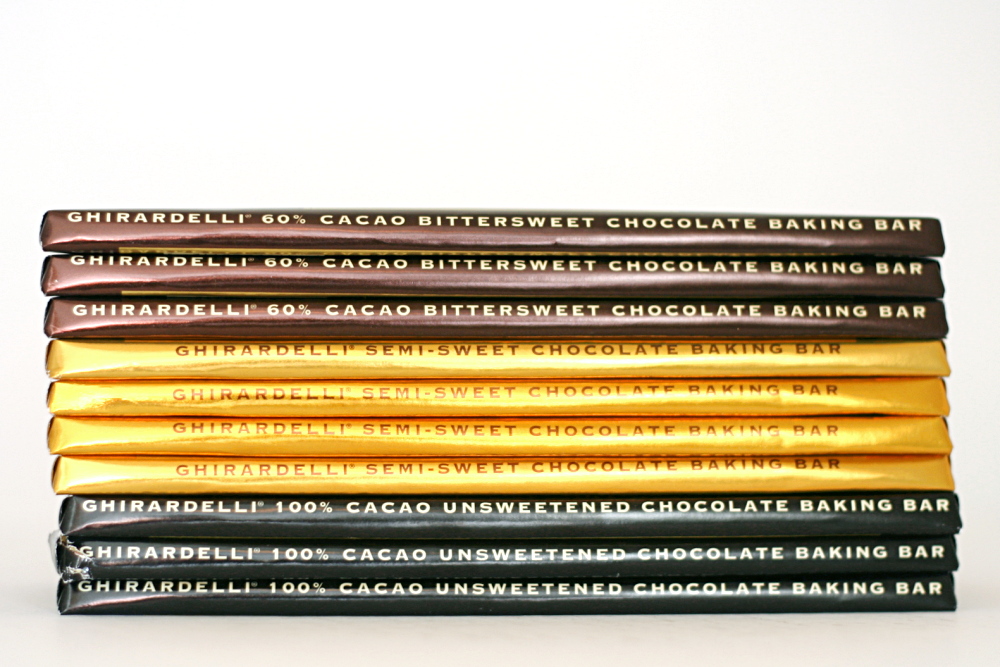
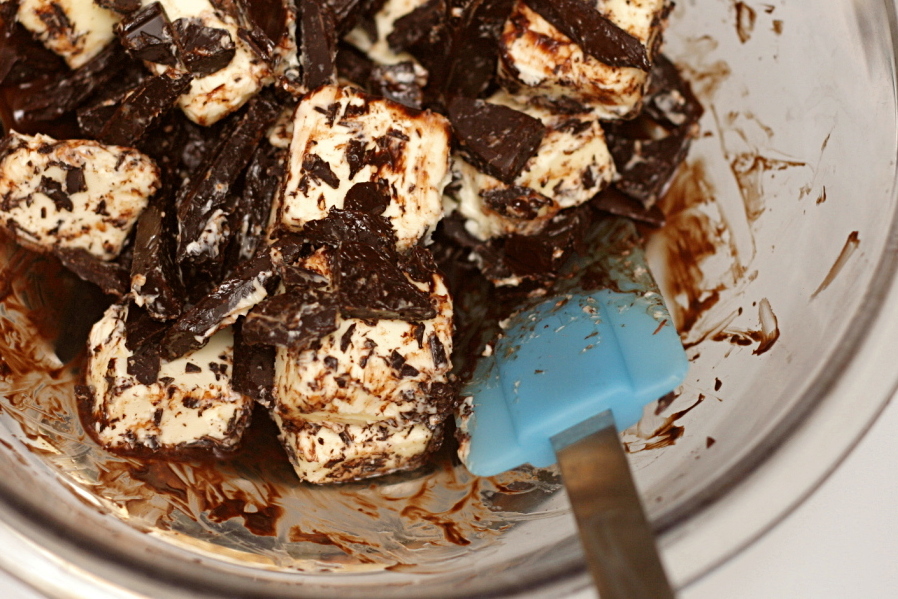
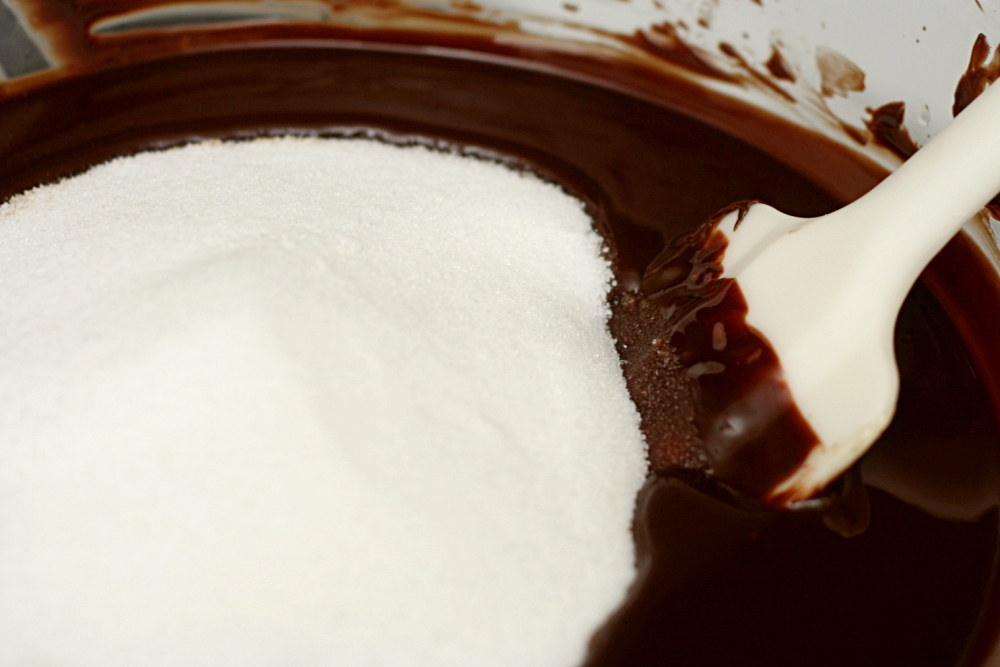
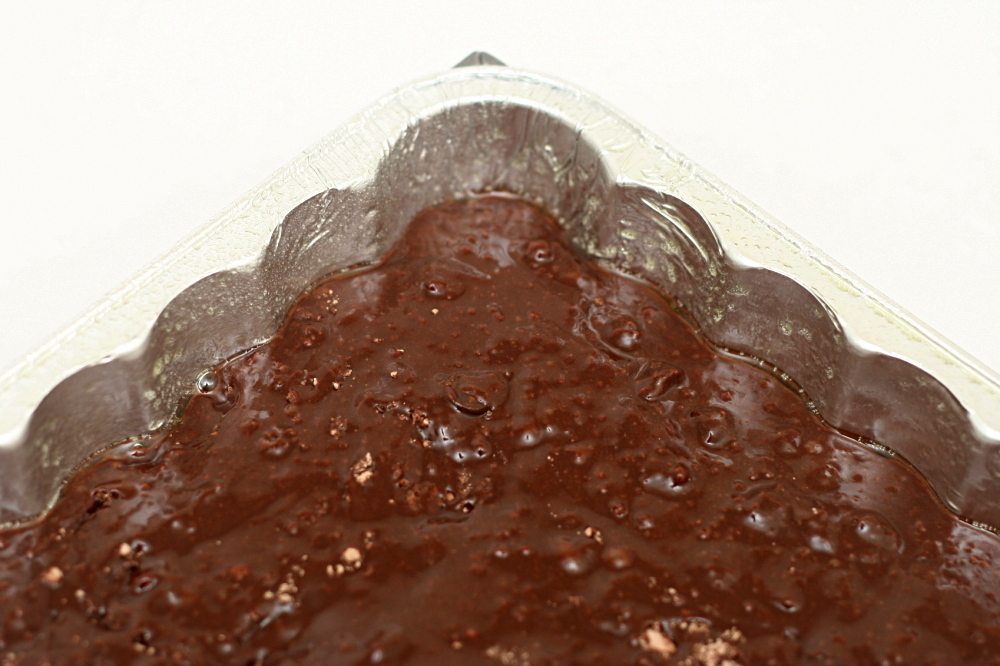
All three homemade recipes are made the same way, by melting the chocolate and butter together, whisking in the sugar, then the eggs, and finally folding in the dry ingredients. I baked the brownies in disposable foil pans (sorry, Earth!) because I was taking them camping. For baking, each foil pan was placed in a metal baking pan of the same size, in an effort to encourage more even heating than the thin foil pans could manage on their own. I chose a basic boxed mix and kept the homemade recipes at their most basic as well, leaving out nuts, spices, etc. I used Ghirardelli brand chocolate for everything.

copy-of-img_4013

It’s a good thing I had 9 tasters, because all of the recipes were good and no clear winner emerged. Here’s the breakdown:

-Ghirardelli boxed mix: This was the favorite of one person. Take that for what it’s worth – the same person had a McDonald’s chicken biscuit for breakfast after I’d made strawberry scones for him. He liked that the brownies were “sugary and moist.” Everyone else thought they were too sweet and not chocolately enough.

-Ina’s Outrageous brownies: When I made these, I was surprised by how much instant coffee powder the recipe calls for. I checked and double-checked. It was the correct amount, and that was the deciding factor for opinions of these brownies. Those who liked the bitter coffee taste (Dave was one) liked these brownies best.

-Cook’s Illustrated brownies: These were the general favorite of those who weren’t as excited about the Outrageous brownies’ coffee flavor. They were described as “cakey” by one person, and while they shouldn’t be confused with truly cakey brownies, I do think they have the most balanced texture. I guess I don’t want my brownies to be “outrageously” rich. They also have a nice strong chocolate flavor. One friend noted that both the initial taste and finish were chocolately, with none of the bitterness associated with the other homemade recipes. Perhaps because this was the only homemade recipe without coffee added?

-The Baked brownies: Major caveat – I underbaked the Baked brownies. (Ironic, no?) The toothpick came out clean, and it isn’t even supposed to be clean for brownies.  Apparently the crispy top was scraping the batter off the toothpick during my tests. I think that really affected people’s opinions of these brownies, which were often described as “too fudgy.” I did think the flavor was well balanced between sweetness and chocolate, and I liked the texture of the less-gooey edge pieces. (There’s an update below after I correctly cooked this recipe.)

copy-of-img_4052

I’m going to have to conclude that any well-reviewed homemade brownie recipe (and there are many more than these three) is going to be great. I often hear people say that they’ve never had homemade brownies better than a boxed mix, and that I don’t understand at all. Either they’re making the wrong brownies or they’re buying a much better mix than I did (or they like sugar a lot more than chocolate, like my chicken biscuit-eating friend). And since homemade brownies take only a few minutes longer to make than boxed brownies, I really don’t see the point.

copy-of-img_4055

Unfortunately, I don’t feel like this was the fairest comparison. What really matters with a brownie recipe is texture and chocolate flavor. But Ina’s brownies were dominated by the coffee flavor, which is very easy to vary by adding more or less instant coffee powder. The Baked brownies were impossible to judge because of my baking screw-up. I’d love to do another comparison that corrects these errors, but that will have to wait. One result of these comparison posts is that I end up burned out on the food for months to come. And I still have brownies in the freezer.

Okay, I guess I’m not that upset about it.

copy-of-img_4049

(I apologize for the lack of photos of each brownie’s texture, which I know would have been informative.  I was camping and hanging out with friends I rarely see, and there was just a lot going on.)

Update: I made the Baked brownie again, this time actually baking them, you know, all the way. I really like them, and they got great reviews from the people I sent them to. But, I still like Cooks Illustrated’s Classic Brownies better.  For one thing, the Baked brownies are so fudgy that it’s difficult to accurately test their doneness.

One year ago: Buttermilk Coleslaw

Classic Brownies (from Cook’s Illustrated)

CI note: Be sure to test for doneness before removing the brownies from the oven. If underbaked (the toothpick has batter clinging to it) the texture of the brownies will be dense and gummy. If overbaked (the toothpick comes out completely clean), the brownies will be dry and cakey.

1 cup (4 ounces) pecans or walnuts, chopped medium (optional)
1¼ cups (5 ounces) cake flour
½ teaspoon salt
¾ teaspoon baking powder
6 ounces unsweetened chocolate, chopped fine
12 tablespoons (1½ sticks) unsalted butter, cut into six 1-inch pieces
2¼ cups (15¾ ounces) sugar
4 large eggs
1 tablespoon vanilla extract

1. Adjust oven rack to middle position; heat oven to 325 degrees. Cut 18-inch length foil and fold lengthwise to 8-inch width. Fit foil into length of 13 by 9-inch baking dish, pushing it into corners and up sides of pan; allow excess to overhand pan edges. Cut 14-inch length foil and, if using extra-wide foil, fold lengthwise to 12-inch width; fit into width of baking pan in same manner, perpendicular to first sheet. Spray foil-lined pan with nonstick cooking spray.

2. If using nuts, spread nuts evenly on rimmed baking sheet and toast in oven until fragrant, 5 to 8 minutes. Set aside to cool.

3. Whisk to combine flour, salt, and baking powder in medium bowl; set aside.

4. Melt chocolate and butter in large heatproof bowl set over saucepan of almost-simmering water, stirring occasionally, until smooth. (Alternatively, in microwave, heat butter and chocolate in large microwave-safe bowl on high for 45 seconds, then stir and heat for 30 seconds more. Stir again, and, if necessary, repeat in 15-second increments; do not let chocolate burn.) When chocolate mixture is completely smooth, remove bowl from saucepan and gradually whisk in sugar. Add eggs on at a time, whisking after each addition until thoroughly combined. Whisk in vanilla. Add flour mixture in three additions, folding with rubber spatula until batter is completely smooth and homogeneous.

5. Transfer batter to prepared pan; using spatula, spread batter into corners of pan and smooth surface. Sprinkle toasted nuts (if using) evenly over batter and bake until toothpick or wooden skewer inserted into center of brownies comes out with few moist crumbs attached, 30 to 35 minutes. Cool on wire rack to room temperature, about 2 hours, then remove brownies from pan by lifting foil overhang. Cut brownies into 2-inch squares and serve. (Store leftovers in airtight container at room temperature, for up to 3 days,

Outrageous Brownies (from Ina Garten/Barefoot Contessa)

2 sticks unsalted butter
8 ounces, plus 6 ounces semisweet chocolate, chopped
3 ounces unsweetened chocolate
3 extra-large eggs
1½ tablespoons instant coffee powder
1 tablespoons real vanilla extract
1.125 (7.85 ounces) cups sugar
½ cup (2.4 ounces) all-purpose flour, plus 2 tablespoons
1½ teaspoons baking powder
½ teaspoon kosher salt

Preheat oven to 350 degrees F. Grease and flour a 13 by 9 by 1 ½-inch baking pan.

Melt together the butter, 8 ounces chocolate, and unsweetened chocolate on top of a double boiler. Cool slightly. Stir together the eggs, instant coffee, vanilla and sugar. Stir in the warm chocolate mixture and cool to room temperature.

Stir together ½ cup of the flour, baking powder and salt. Add to cooled chocolate mixture. Toss the 6 ounces of chocolate chips with 2 tablespoons flour to coat. Then add to the chocolate batter. Pour into prepared pan.

Bake for about 30 minutes, or until tester just comes out clean. Halfway through the baking, rap the pan against the oven shelf to allow air to escape from between the pan and the brownie dough. Do not over-bake! Cool thoroughly, refrigerate well and cut into squares.

The Baked Brownie (from Baked: New Frontiers in Baking from the Baked Bakery in Red Hook, Brooklyn, via Smitten Kitchen)

1¼ cups (6 ounces) all-purpose flour
1 teaspoon salt
2 tablespoons dark unsweetened cocoa powder
11 ounces dark chocolate (60 to 72% cacao), coarsely chopped
1 cup (2 sticks) unsalted butter, cut into 1-inch pieces
1 teaspoon instant espresso powder
1½ cups (10.5 ounces) granulated sugar
½ cup (3.5 ounces) firmly packed light brown sugar
5 large eggs, at room temperature
2 teaspoons pure vanilla extract

1. Preheat the oven to 350 degrees F. Butter the sides and bottom of a 9×13 glass or light-colored metal baking pan.

2. In a medium bowl, whisk the flour, salt, and cocoa powder together.

3. Put the chocolate, butter, and instant espresso powder in a large bowl and set it over a saucepan of simmering water, stirring occasionally, until the chocolate and butter are completely melted and smooth. Turn off the heat, but keep the bowl over the water and add the sugars. Whisk until completely combined, then remove the bowl from the pan. The mixture should be room temperature.

4. Add 3 eggs to the chocolate mixture and whisk until combined. Add the remaining eggs and whisk until combined. Add the vanilla and stir until combined. Do not overbeat the batter at this stage or your brownies will be cakey.

5. Sprinkle the flour mixture over the chocolate mixture. Using a spatula (not a whisk), fold the flour mixture into the chocolate until just a bit of the flour mixture is visible.

6. Pour the batter into the prepared pan and smooth the top. Bake in the center of the oven for 30 minutes, rotating the pan halfway through the baking time, until a toothpick inserted into the center of the brownies comes out with a few moist crumbs sticking to it. Let the brownies cool completely, then cut them into squares and serve.

7. Tightly covered with plastic wrap, the brownies keep at room temperature for up to 3 days.

copy-of-img_4070
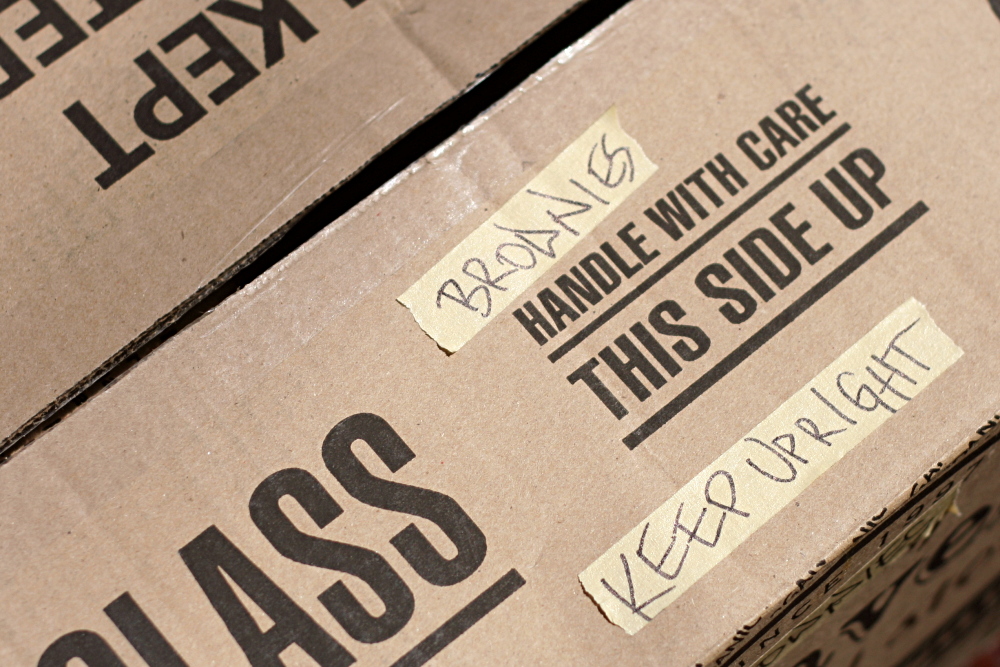
(Another apology: I didn’t realize until I uploaded this picture that it says ASS on the bottom left corner.  I’m too lazy to fix it.  Plus, it’s appropriate for a box full of brownies, no?)