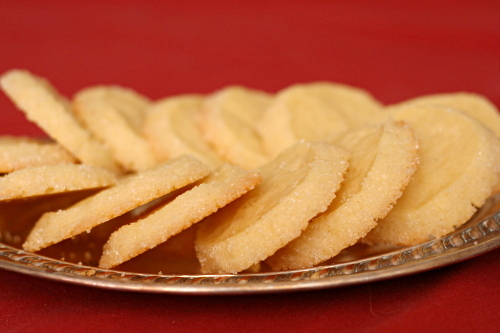
sablés

Copy of IMG_1733
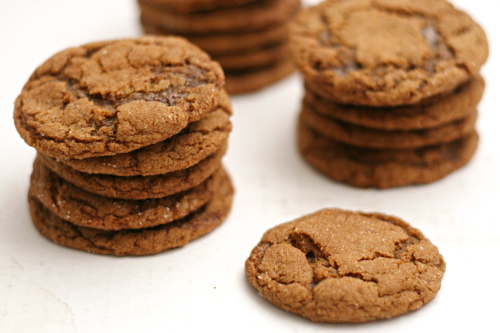
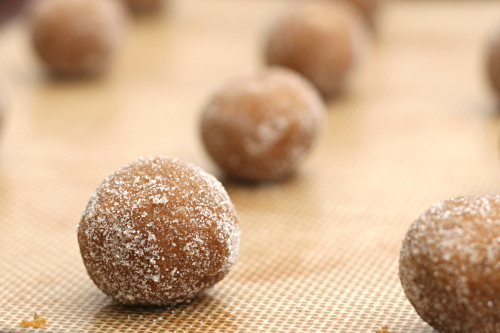
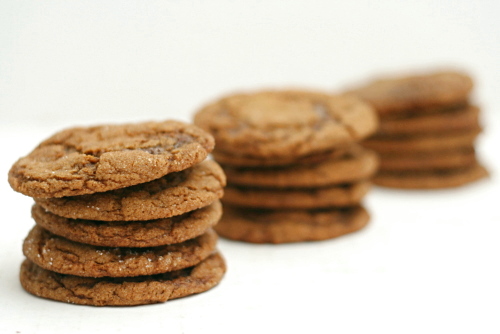
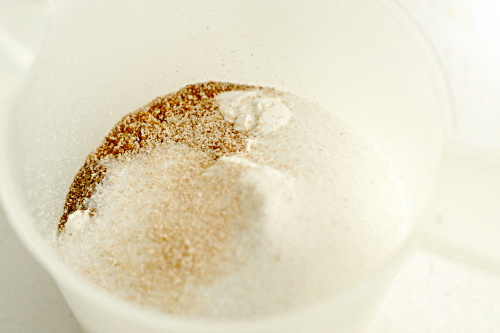
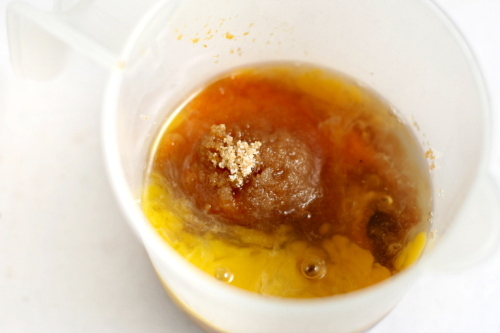
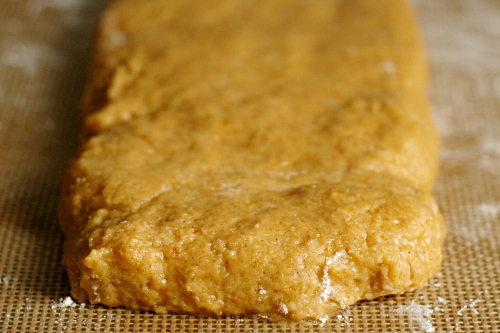
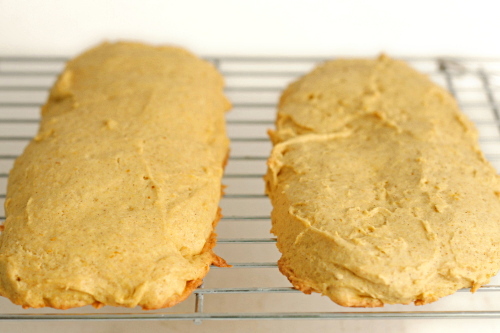
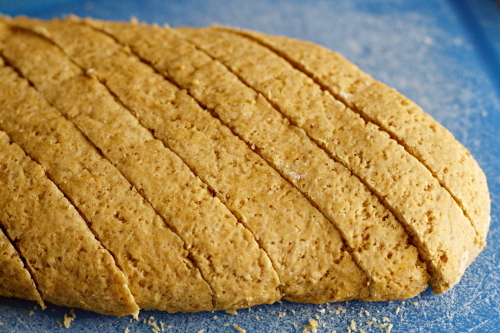
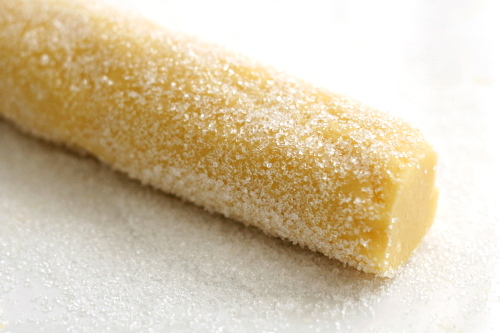
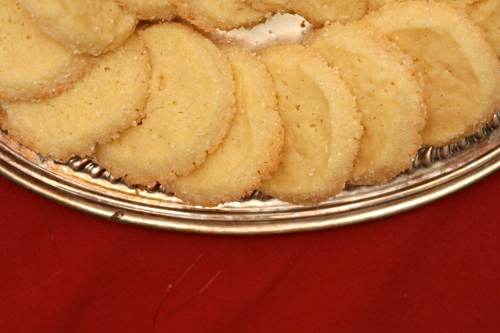
I was all excited about these cookies after I mixed up the dough, which tasted amazing. I was looking forward to how pretty they’d look once they were baked, tall and flat with glittery sugar around their edges.
Copy of IMG_1679

Then I saw that there was some flavor variations that I could have played with. Because what’s better than regular sablés? Lemon sablés! Ooh, or orange. Or I could have used vanilla sugar instead of regular sugar! Now I was disappointed in my cookies. Stupid boring plain sablés.
Copy of IMG_1684

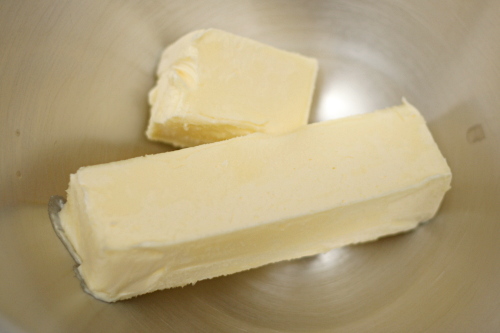
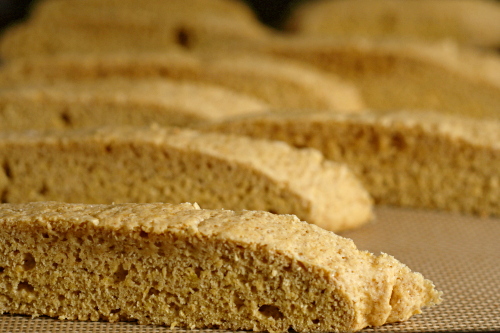
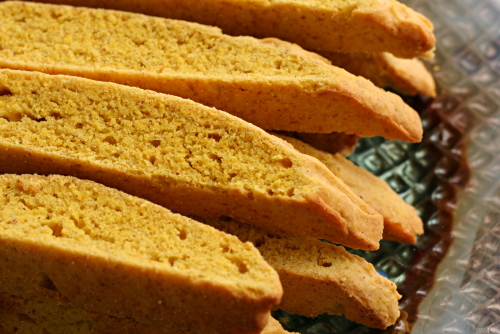
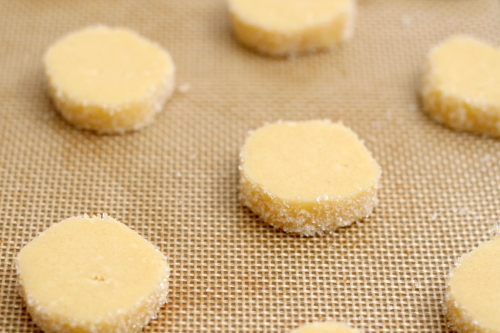
Except, not really. Because without any other flavors getting in the way, these cookies mostly taste like butter. And sugar. And salt. In other words, like everything good.
Copy of IMG_1687

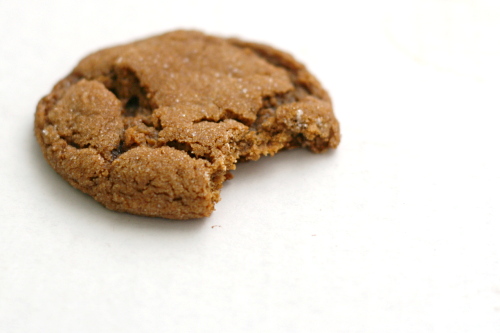
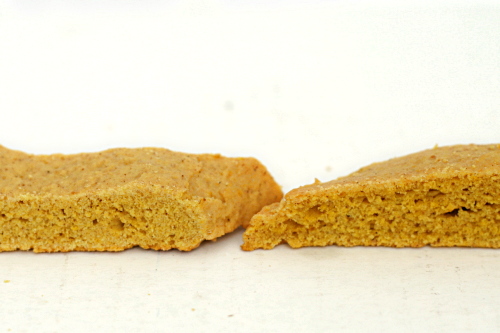
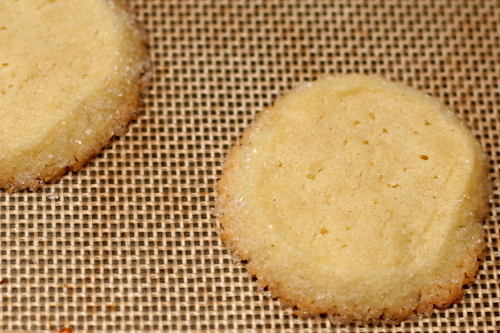
Barbara chose these for Tuesdays with Dorie and has the recipe posted. I didn’t follow the directions quite as precisely as I should have, which is why my cookies don’t have straight edges and and a perfectly even texture.

One year ago: Grandma’s All-Occasion Sugar Cookies
Copy of IMG_1735

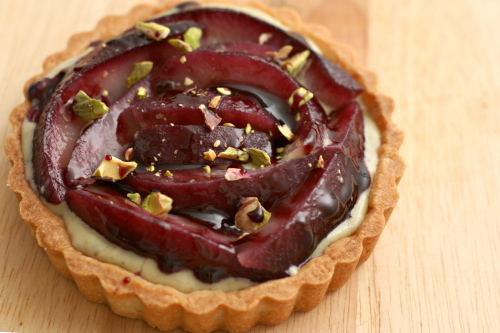
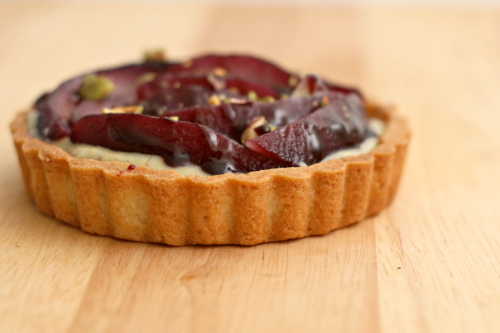
rosy poached pear and pistachio tart

Copy of IMG_1364

I’m not really good with pears. I don’t know much about them, so I never buy them. And, of course, because I never buy them, I don’t learn much about them. Which types are best for baking and for eating? When are they in season? How do I know when they’re ripe? How long do they take to ripen after you buy them?

Copy of IMG_1336

Due to my lack of pear knowledge, I was a little worried about how my tart would come out. I should have looked up what kind of pear to use, plus I forgot to buy mine early so it would have time to ripen before I needed to make the tart.

Copy of IMG_1352

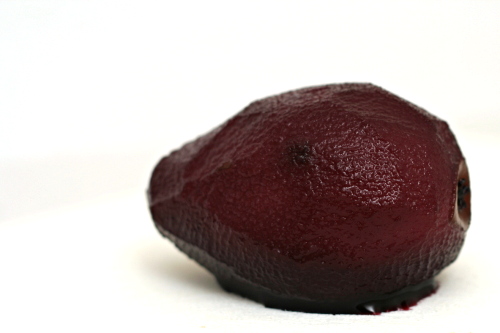
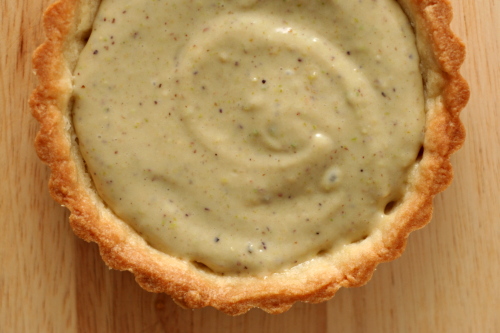
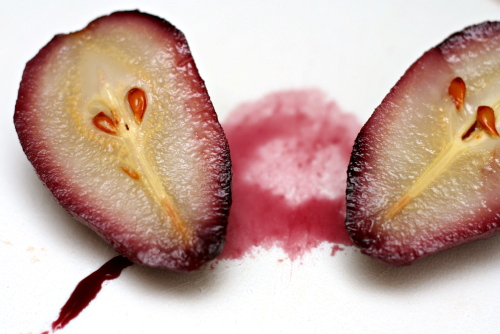
It probably would have been a little better if my pear had been softer, but, as it was, this was a pretty darn good tart. I mean, the pear is cooked in wine for over half an hour – how could that be bad? Plus, pastry cream is just delicious, although pistachio pastry cream resembles split pea soup a little too closely for my comfort. Good thing it’s covered by that beautiful purple poached pear!

Copy of IMG_1355

Lauren chose this for Tuesdays with Dorie and she has the recipe posted.

One year ago: Linzer Sablés

Copy of IMG_1361

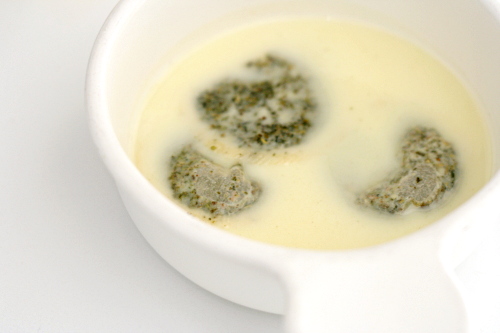
green tea crème brûlée

Copy of IMG_8543

Dave’s attitude toward restaurants has changed dramatically over the past few months, and I love it. He used to think of eating out as simply a way to get food with minimal effort; the faster he could get in and out, the better. I remember impatiently waiting for our orders to be taken, for the meal to arrive, and for the server to bring the bill.

Copy of IMG_8513

Fortunately, after some fancy work-related dinners, he decided that eating at restaurants can be about more than filling a void. It’s about the whole experience – trying new foods, enjoying the company of your friends, choosing the right drink to compliment your meal. These days when we go out to eat, we take our time, starting with appetizers and ending with dessert and coffee.

Copy of IMG_8517

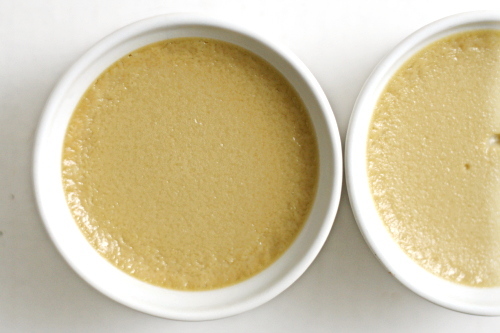
After enjoying green tea crème brûlée at the end of a fancy schmancy Thai meal (which I sadly did not get to share), he kept talking about it later. It’s rare for a dessert to make such an impression on Dave. But crème brûlée is so simple to make at home, it almost seems like a waste to order it in a restaurant.

Copy of IMG_8534

From his description, the restaurant’s version arrived in something similar to a tiny trough – a long, narrow oval. Dave specifically requested a similarly shaped dish when I made it at home, as he is full of obnoxiousness. Round ramekins it is!

Copy of IMG_8536

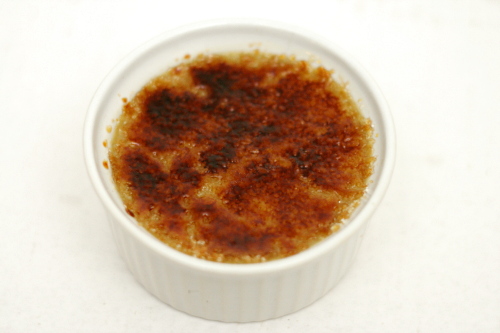
But fun dishes is just about the only advantage restaurants have over home cooks when it comes to crème brûlée, which is not hard to make and requires no odd ingredients. Smooth and creamy, with just enough green tea flavor, topped with a crackling layer of caramelized sugar, I can see why Dave thought this was worth ordering out, but I’m glad we can enjoy it at home whenever we want.

Copy of IMG_8540

One year ago: Country-Style Sourdough Bread

Printer Friendly Recipe
Green Tea Crème Brûlée

Makes 4

1¼ cups heavy cream
¼ cup whole milk
⅓ cup + 2 teaspoons granulated sugar
pinch table salt
3 green tea bags (or 1 tablespoon loose tea)
4 large egg yolks
1 teaspoon vanilla extract
2 teaspoons brown sugar

1. Adjust an oven rack to the lower-middle position and heat the oven to 300ºF.

2. Combine ½ cup cream and the milk, ⅓ cup sugar, and the salt in a medium saucepan; submerge the tea bags in the liquid; bring the mixture to a boil over medium heat, stirring occasionally to ensure that the sugar dissolves. Take the pan off of the heat and let the mixture steep for 15 minutes to infuse the flavors.

3. Meanwhile, place a kitchen towel in the bottom of a large baking dish or roasting pan and arrange flour 4- to 5-ounce ramekins (or shallow fluted dishes) on the towel. Bring a kettle or large saucepan of water to a boil over high heat.

4. After the cream has steeped, remove the tea bags or strain the loose tea; stir in the remaining ¾ cup cream to cool down the mixture. Whisk the yolks in a large bowl until they’re broken up and combined. Whisk about half of the cream mixture into the yolks until they’re loosened and combined; repeat with the remaining cream and the extract; whisk until the mixture is evenly colored and thoroughly combined. Strain through a fine-mesh strainer into a 2-quart measuring cup or pitcher (or clean medium bowl); discard the solids in the strainer. Evenly divide the mixture among the ramekins.

5. Carefully place the baking dish with the ramekins on an oven rack; pour boiling water into the dish, taking care not to splash water into the ramekins, until the water reaches two-thirds height of the ramekins. Bake until the centers of the custards are just barely set and are no longer sloshy, and a digital instant-read thermometer inserted in the center of one ramekin registers 170 to 175 degrees, 30 to 35 minutes (25 to 30 minutes for shallow fluted dishes). Begin checking the temperature about 5 minutes before the recommended time.

6. Transfer the ramekins to a wire rack; cool to room temperature, about 2 hours. Set the ramekins on a rimmed baking sheet, cover tightly with plastic wrap, and refrigerate until cold, at least 4 hours or up to 4 days.

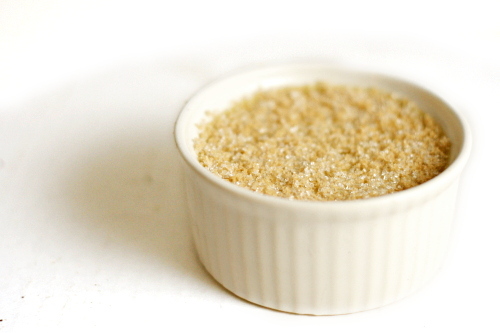
7. Uncover the ramekins; if condensation has collected on the custards, place a paper towel on the surface to soak up moisture. Mix the 2 teaspoons granulated sugar with the brown sugar. Sprinkle each ramekin with about 1 teaspoon of the sugar mixture; tilt and tap the ramekins for even coverage. Ignite torch and caramelize sugar. Refrigerate the ramekins, uncovered, to re-chill, 30 to 45 minutes (but no longer); serve.

slice and bake brown sugar cookies

Copy of IMG_1207

It’s Thanksgiving! And that means it’s officially Christmastime!

Right?

Oh, it means something about giving thanks? Hmm. That’s cool too.

Copy of Copy of IMG_1129

Still, once the feast is over, it’s all about Christmas. I used to try to hold off thinking about, hearing, and seeing anything Christmas-related until Thanksgiving, but you can imagine how successful that strategy was. These days, I’m more in the ‘if you can’t beat ‘em, join ‘em’ mindset. I didn’t play carols or put up my tree, but I did smile over cute decorations.

Copy of IMG_1153

What better way to kick off the Christmas season than cookies? One of my favorite Christmas cookies, in fact, and I think I finally figured out exactly why I like them so much.

Copy of Copy of IMG_1198

The dough is pretty typical for cookies, with butter, sugar, salt, eggs, vanilla, flour, and leavening. But, it uses twice as much brown sugar as white sugar, which…you guys! It’s chocolate chip cookie dough, without the chocolate! Nothing against chocolate, but that’s pretty much my perfect cookie.

Copy of IMG_1192

Plus, they’re so pretty. It takes a bit of effort to get them into the different shapes, but once they’re formed, you just throw the logs of dough in the freezer, then bake however many you want whenever you want.

Copy of IMG_1190

These cookies are delicious, they’re not hard to make, they look impressive, and their timing is completely flexible. In other words, they’re perfect. There can be no better way to shift into the Christmas season.

Copy of IMG_1208

One year ago: Multigrain Pancakes

Printer Friendly Recipe
Slice and Bake Brown Sugar Cookies
Makes about 8 dozen

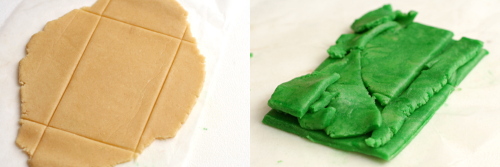
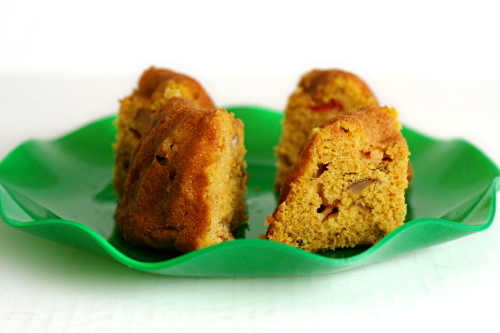
The only slightly difficult part of this recipe is rolling out the dough to an exact size. The best method I found was to initially roll it out to about twice the desired size, then trim the edges to a shape 1 inch smaller in each direction than you eventually want. Place the trimmings on the cut rectangle, cover with wax paper, and roll out to your final desired size (see photos above).

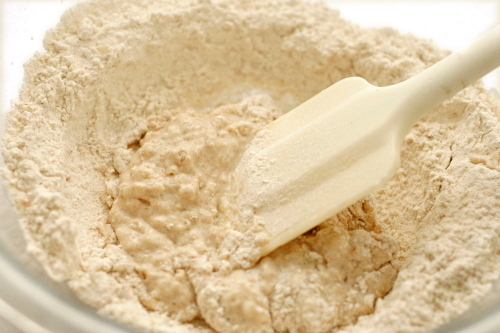
Update 12/22/2011: I like these cookies even better with a ½ cup less flour (3½ cups total).  The dough is stickier, and there’s no way you’d be able to roll it out to the right size, but I’ve decided that simply pressing it to the right size is easier anyway.
4 cups (19.2 ounces) unbleached flour
1 teaspoon baking powder
¼ teaspoon baking soda
2 eggs, preferably room temperature
2 teaspoons vanilla extract
20 tablespoons (2½ sticks) butter, room temperature
1 teaspoon salt
1 cup (7 ounces) firmly packed light brown sugar
½ cup (3½ ounces) granulated sugar
½ ounce unsweetened chocolate, finely chopped

1. In a medium-sized bowl, combine the flour, baking powder, and baking soda. Break the eggs into a small measuring cup, whisk them lightly, and mix in the vanilla.

2. Place the butter in the bowl of a stand mixer fitted with the paddle attachment (or a large mixing bowl if you’re using a hand-held mixer). Beat the butter on medium-low speed until it’s smooth, then add the salt and both sugars. Continue beating on medium-low until the mixture is light and fluffy, about 2 minutes, scraping the sides of the bowl as needed. With the mixer running, gradually add the egg mixture. Once the eggs have been added, scrape the sides of the bowl once, then continue mixing on medium speed for about 1 minute. Reduce the mixer speed to low and gradually add the flour mixture, mixing just until evenly combined. Divide the dough into three equal portions.

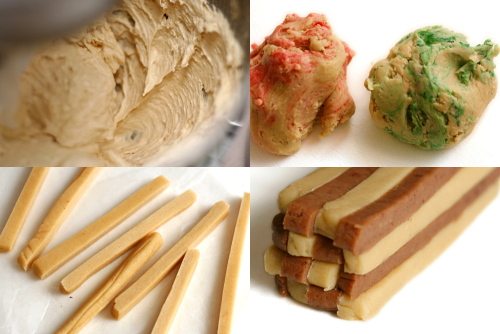
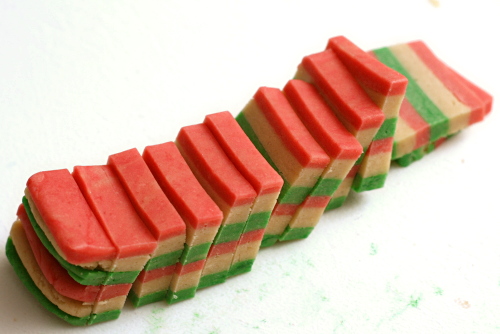
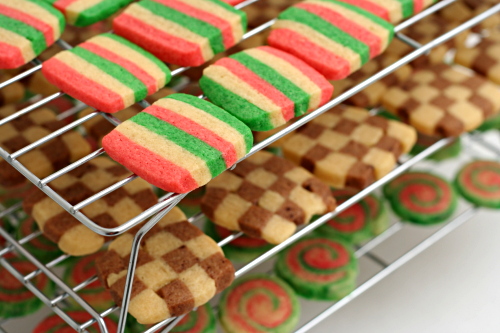
3. For the striped cookies: Divide the first portion of dough into three more equally sized parts. Color one third red, another green, and leave the last one white. Between sheets of wax paper, roll each portion out to a 3-by-9-inch rectangle. Freeze the rectangles for about 10 minutes, until they’re firm enough to cut and stack. Cut each rectangle in half lengthwise to form two 1½-by-9-inch rectangles. Stack the rectangles of dough, alternating colors, to form a block of dough with stripes. Trim the edges if desired. Wrap in wax paper and freeze for at least four hours, or up to 4 weeks.

4. For the checkerboard cookies: Place the chocolate in a microwave-safe bowl and microwave on half power for about 30 seconds. Stir, then repeat the heating and stirring until fully melted, being careful not to burn the chocolate. Divide one portion of dough into two equally sized parts. Mix the chocolate into one half and leave the other plain. Roll each portion into a 9-by-3-inch rectangle. Freeze the rectangles for about 10 minutes, until they’re firm enough to cut and stack. Cut each rectangle into eight 9-by-3/8-inch strips. On a sheet of wax paper, lay four strips next to each other, alternating colors. Press the strips together gently to remove any gaps. Lay another four strips on top of the first layer, alternating colors between layers. Repeat twice more, until there are four layers of four strips each. Trim the edges if desired. Wrap in wax paper and freeze for at least four hours, or up to 4 weeks.

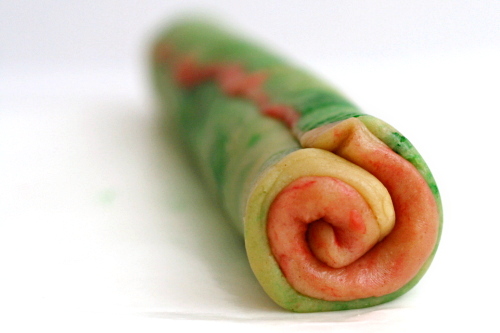
5. For the spiral cookies: Divide the last portion of dough into two equally sized parts. Color one half red and the other green. Between sheets of waxed paper, roll each portion of dough into an 8-by-8-inch square. Without chilling the dough, stack the squares, then tightly roll them together to form a spiral. Wrap the dough in wax paper and freeze for at least fours hours, or up to 4 weeks.

6. When ready to bake, adjust an oven rack to the middle position and heat the oven to 350ºF. Line a baking pan with parchment paper or a silicone mat. Slice the frozen logs into cookies about 1/8-inch thick. Lay the cookies on the prepared pan, about ½-inch apart. Bake for 7-10 minutes, just until the tops no longer look wet. Let the cookies cool on the pan for about 2 minutes, then transfer them to wire racks. Serve at room temperature. Stored in an airtight container, the cookies will be good for at least a week.
Copy of IMG_1220

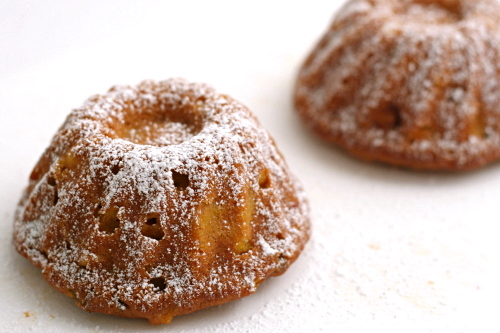
all-in-one holiday bundt cake

Copy of IMG_0911

When I did my bake-and-send extravaganza last summer, I unintentionally left a few key people out. Namely, our moms, both mine and Dave’s. Oops.

Copy of IMG_0871

I did, however, send a box of cookies to my mother-in-law’s sister. Who, of course, called my mother-in-law, mentioned the cookies, and then…I was in trouble. Well, not in trouble, because my mother-in-law is too nice for that, but not not in trouble either.
Copy of IMG_0884

So I finally made up for it recently by sending a box of fall-themed treats – molasses cookies, pumpkin biscotti, and this cake. Phew. No longer in the daughter-in-law doghouse.

Copy of IMG_0906

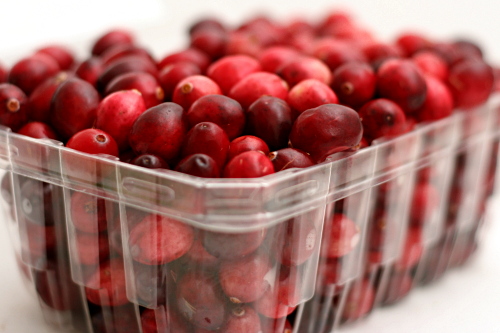
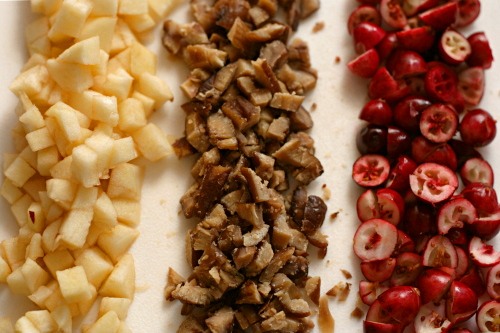
This is not a simple cake – we’re talking pumpkin, cranberries, apples, nuts, spices. I thought it smelled a lot like apple cake, but when I was eating it, the flavor of the cranberries stood out the most. It was a good cake – tasty and moist. I enjoyed it, and I hope my mother-in-law did too.

Now perhaps I should consider sending her a thank you note for the birthday present she sent me in August?

Copy of IMG_0934

Britin chose this cake for Tuesdays with Dorie, and she will have the recipe posted.  I substituted chestnuts for the pecans.

One year ago: Thanksgiving Twofer Pie

Copy of IMG_0908

cranberry nut dessert

Copy of IMG_1245

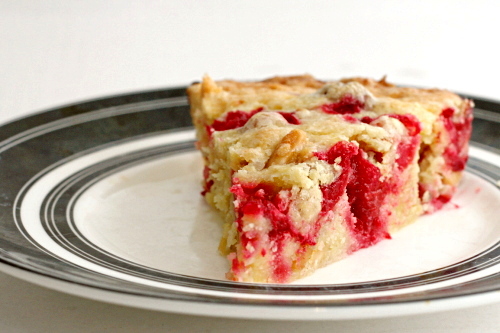
Sometimes I’m too full of myself for my own good. When I saw this on Jen’s site, I noted that she called it ‘cranberry dessert.’ But, in my hubris, I figured, what the hell, it looks like a cake. I’ll call it a cake and serve it as a cake.

Copy of IMG_1202

In retrospect, though, the vague title ‘dessert’ is probably more appropriate. Or maybe cranberry clafoutis? Except with more butter. Cobbler doesn’t quite work because the breading isn’t biscuits.

Copy of IMG_1205

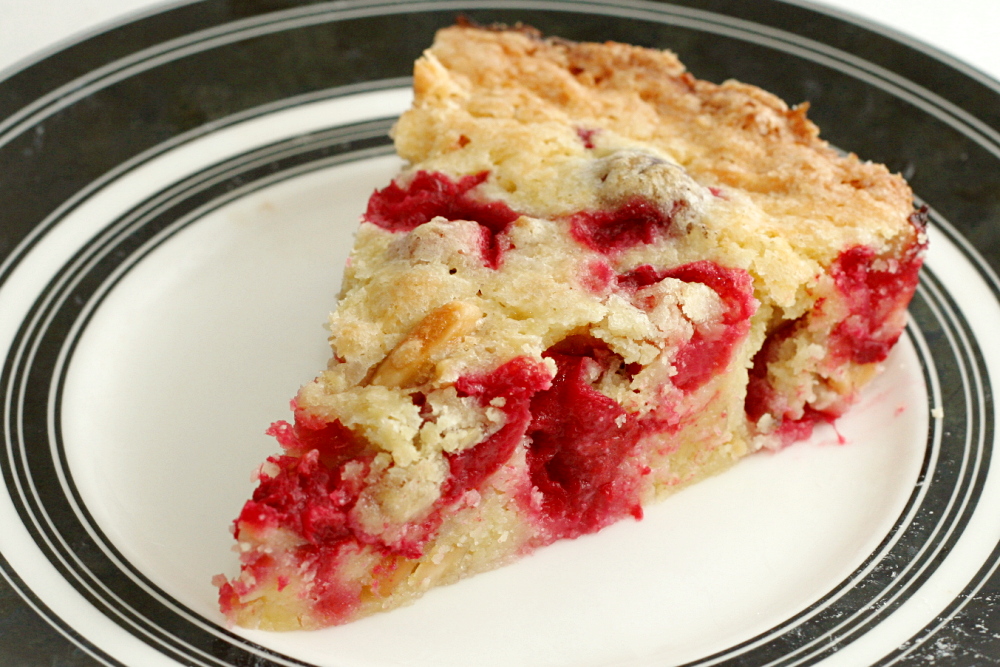
Even looking at the photos now, it looks like a cake. The recipe is mixed like a quick bread, so that’s cake-like.

Copy of IMG_1206

But somehow, when I was eating it, it seemed more like a fruit dessert, maybe because the ratio of fruit to batter is so high. It was fantastic on its own, but it did cry out for a scoop of vanilla ice cream. Next time I won’t deny it.

Copy of IMG_1210

One year ago: Lime Meltaways

Printer Friendly Recipe
Cranberry Nut Dessert (rewritten from Use Real Butter)

Most nuts would work here, but I used lightly toasted almonds and it seemed like a perfect match.

1 cup (4.8 ounces) all-purpose flour
1 cup (7 ounces) granulated sugar
¼ teaspoon salt
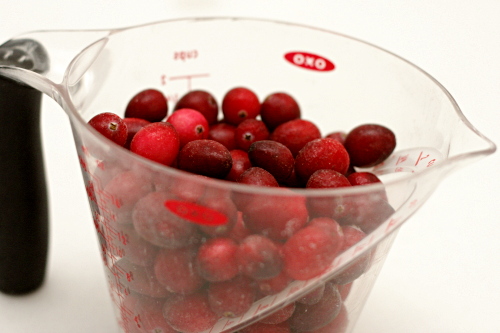
2 cups fresh or frozen cranberries
½ cup chopped nuts
2 eggs
8 tablespoons (1 stick) butter, melted and cooled
½ teaspoon almond extract

1. Adjust a rack to the middle position and heat the oven to 350ºF. Spray a pie pan with spray oil.

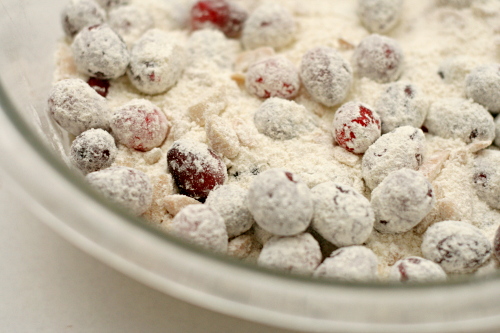
2. In a large bowl, combine the flour, sugar, salt, cranberries, and nuts. In another bowl, whisk the eggs until broken up, then whisk in the butter and almond extract. Pour the liquid ingredients into the dry ingredients and stir until just combined.

3. Spread the batter in the prepared pan; bake for 40 minutes or a until toothpick inserted near the center of the pan comes out clean or with a few crumbs hanging onto it. Let the dessert cool for at least 15 minutes before serving. Serve with ice cream or whipped cream, if desired.

Copy of IMG_1248

sopaipillas

Copy of IMG_5080

Moving to a small remote town in the middle of a desert, there are definitely things I’m going to miss.  Other a big grocery store, that is.  Sushi restaurants, for one, and long fall and spring seasons, and skylines, and squirrels and deer in my backyard, and, well, green things.

Copy of IMG_5057

On the other hand, there are things I’m really looking forward to.  Skies that go on forever, shockingly colorful sunsets, lizards and antelope, cacti, two national parks within 50 miles, mountains.  And New Mexican food.  Green chile, red chile, rice and beans, sopaipillas.

Copy of IMG_5059

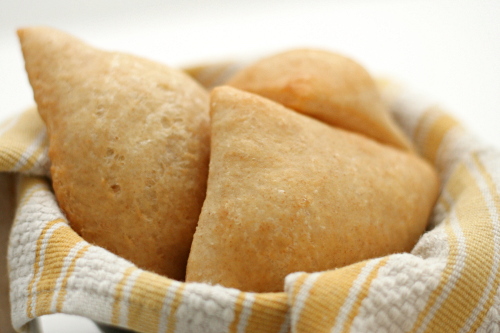
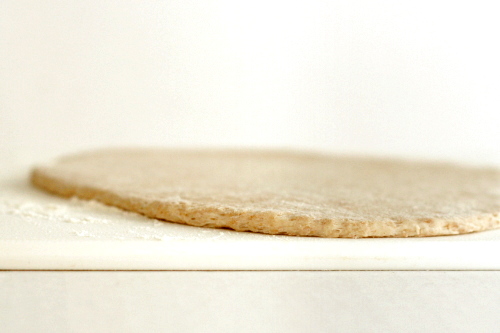
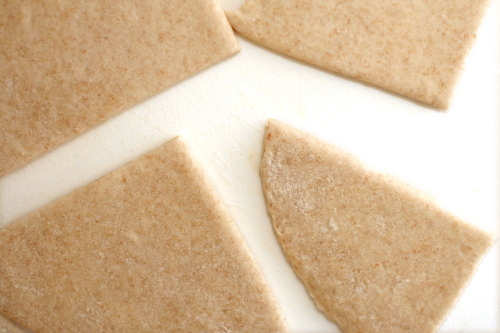
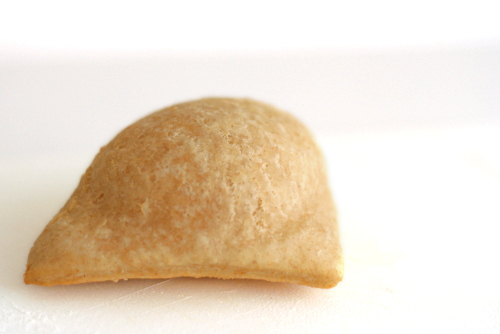
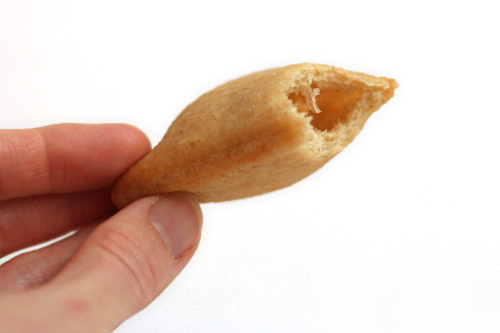
Sopaipillas are maybe the New Mexican equivalent of donuts.  Dough, enriched with lard and leavened with either yeast or baking powder, is rolled flat and fried.  It puffs like a pita in the oil, forming a pocket that’s pretty much designed to be filled with honey.  Or carne adovada, if you’re thinking dinner.

Copy of IMG_5068

A basket of these is served with any meal in a restaurant serving New Mexican food.  Or if it isn’t, it’s cause for complaint about how cheap the restaurant is to charge, even a dollar, for something that by all rights should be included for free with a meal.

Copy of IMG_5074

Everyone has their own tricks for eating their sopaipillas with honey.  Bite a corner off and squirt honey inside?  Drizzle the honey over the top?  My favorite way, for maximum coverage with minimum stickiness, is to form a pool of honey on my plate and dip each bite.

There may not be sushi in Carlsbad, NM, but by god, there’ll be sopaipillas that I don’t have to fry myself.

Copy of IMG_5078

One year ago: Comparison of 4 chocolate chip cookie recipes

Printer Friendly Recipe
Sopaipillas (adapted from Simply Simpatico, by the Junior League of Albuquerque)

Makes about 2 large dozen sopaipillas

4 cups (19.2 ounces) all-purpose flour, plus more if necessary
1 cup whole wheat flour
2¼ teaspoons (1 package) instant yeast
2 tablespoons sugar
1½ teaspoons salt
1½ cups milk, warmed to 100ºF
¼ cup water
3 tablespoons lard or shortening, melted
vegetable or canola oil for frying

1. Stand mixer: Mix the flours, yeast, sugar, and salt in the bowl of a stand mixer fitted with the dough hook. With the mixer on low speed, gradually add the milk, water, and lard.  Continue mixing on medium-low until the dough is elastic and supple, about 8 minutes. You may need to add a little more flour or water to get the correct consistency – smooth but not sticky. Transfer the dough to an oiled bowl and cover with plastic wrap. (You can refrigerate the dough overnight at this point.)

By hand: Mix the flours, yeast, sugar, and salt in a large bowl. Make a well in the middle of the dry ingredients and pour in the milk, water, and lard. Stir the mixture until the dough comes together. Transfer it to a floured board or countertop and knead, incorporating as little flour as possible, for about 10 minutes, until the dough is elastic and supple. You may need to add a little more flour or water to get the correct consistency – smooth but not sticky. Transfer the dough to an oiled bowl and cover with plastic wrap.

2. Let the dough rise until it’s doubled in size, about 1 hour. Knead it lightly to expel air.

3. When the dough is almost ready, heat 2 inches of vegetable oil in a large Dutch oven to 350ºF.

4. On a lightly floured surface, roll out the dough, in portions if necessary, until it’s just under 1/8-inch thick.  Using a pizza cutter, cut the dough into squares or rectangles of whatever size you want – a few inches per side is standard.

5. Place the squares of dough on lightly floured pans and lightly cover.  The cut sopaipillas can stay at room temperature for up to 5 minutes; otherwise, refrigerate them until you’re ready to fry them.

6. Carefully drop two or three sopaipillas into the hot oil.  When the rolls begin to puff, gently push them into the hot oil several times to help them puff more evenly.  Turn several times; fry until pale gold on both sides, 1-2 minutes.  Drain on paper towels.  Serve immediately.

Copy of IMG_5084

sugar-topped molasses spice cookies

Copy of IMG_0865

A story:

I was trying to decide where to go to graduate school, visiting schools and meeting with potential advisors. One of those advisors had me over for dinner at his house with his family. His wife said she’d recently made molasses taffy, and I blurted out, “It doesn’t taste like molasses, right? That would be disgusting!” Yes, she said, clearly taken aback, it tastes like molasses.

Copy of IMG_0850

Oh, god, it still makes me cringe. Shut up, Bridget.

It’s not my fault! I didn’t know much about molasses back then, and in fact had only recently bought my first jar – of blackstrap molasses, because I didn’t know there were different types. No wonder I thought all molasses tasted bad.

Now I know better. Molasses = gingerbread = good.

Copy of IMG_0853

These cookies are even more molassey than gingerbread, which I don’t mind at all these days. And you know what? I ate a piece of that molasses taffy, way back when, and it wasn’t all bad either. I must have come up with something appropriately polite to say, because four years later, that advisor gave me a degree.

Copy of IMG_0870

Pamela has the recipe posted for Tuesdays with Dorie. I liked the texture and shape of the cookies better when they were baked at 375ºF for 8-10 minutes instead of 350ºF for 12-14 minutes.

One year ago: Rice Pudding

Copy of IMG_0868

apple tart

Copy of IMG_1073

I cheated.

I baked.

Copy of IMG_1040

I said I wouldn’t, until Thanksgiving. I considered baking cookies to send to a friend for his birthday, figuring if it wasn’t for myself, it’s allowed, right? I considered making scones to use up some cranberries, figuring that if it wasn’t dessert, it’s allowed, right?

Copy of IMG_1050

And then I baked a dessert, for myself.

But hear me out, okay? I was never holding myself back from baking dough that I’d previously mixed up and frozen – I have three batches of cookie dough in the freezer and baking up one or two cookies each night was always part of the plan.

Copy of IMG_1047

Well, I had tart dough in the freezer too. And if frozen cookie dough is allowed, frozen tart dough is also allowed, right? And come on, I added a bunch of apples to it, so the whole thing is downright healthy. Or something.

Copy of IMG_1048

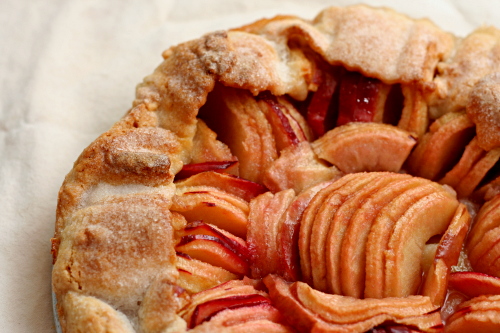
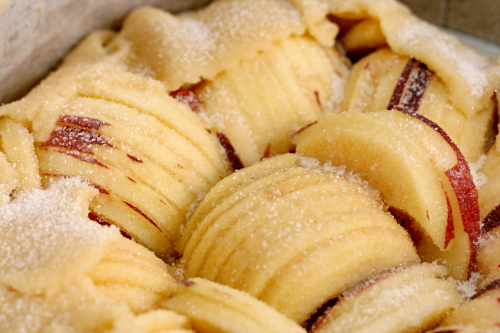
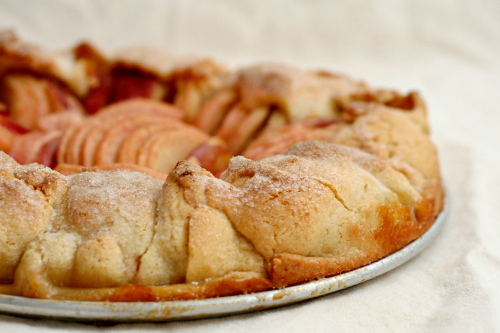
Anyway, it’s a pretty cool recipe. It’s simple, but I love how it eeks out all of the flavor possible from the apples. Tart dough, rolled out quite a bit larger than the 9-inch pan it’s placed in, is filled with slices of apples. The extra dough is folded over the apples, like a galette contained by the tart pan’s rim. The unbaked tart is brushed with butter and sprinkled with sugar. Simple.

Copy of IMG_1054

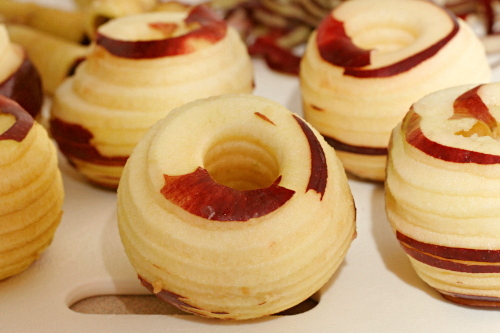
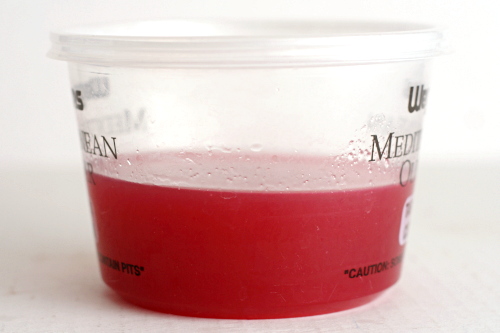
Then, in a interesting and creative move, the apple peels and cores are simmered with water and sugar until the liquid is reduced to a syrup, which is brushed on the baked tart right before serving. What a great way to maximize the flavor of the apples! (I did end up with way, way too much syrup, which I boiled down even further and then used as a topping for apple-cinnamon pancakes the next morning.)

Copy of IMG_1066

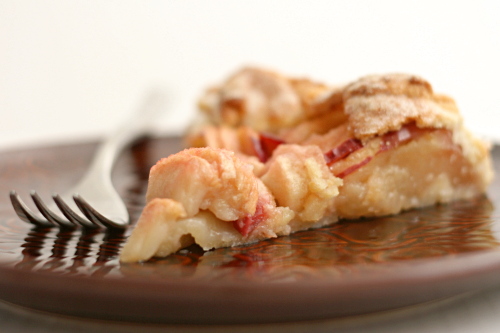
Of course it was good. The apples softened and intensified in the oven, and the crust provided a crisp sweet contrast to the apples. It’s also highly adaptable – I followed the recipe almost exactly, but next time I’ll add a light sprinkle of salt on top of the apples and few drops of lemon juice to the syrup. I’ll consider using a pie crust instead of tart crust as well, because I love that flakiness. If you can’t imagine an apple dessert without cinnamon, add some! But if you want to appreciate apples at their most basic and delicious, absolutely follow the recipe exactly. You can’t go wrong.

Copy of IMG_1084

One year ago: Basic Mashed Potatoes

Printer Friendly Recipe
Alice Waters’s Apple Tart (via Smitten Kitchen)

I didn’t use this tart dough recipe, because I already had some I needed to use up. I needed 6 apples to reach 2 pounds, but for my tart, that was about 1 apple too many to fit. Deb mentioned that she only used 3 tablespoons of sugar sprinkled over the tart right before baking, and I followed her advice. I suggest placing the tart pan (I used a springform pan) on a baking sheet, because mine leaked sugary apple juices.

Dough:
1 cup unbleached all-purpose flour
½ teaspoon sugar
⅛ teaspoon salt
6 tablespoons (¾ stick) unsalted butter, just softened, cut into ½-inch cubes
3½ tablespoons chilled water

Filling:
2 pounds apples (Golden Delicious or another tart, firm variety), peeled, cored (save peels and cores), and sliced
2 tablespoons unsalted butter, melted
5 tablespoons sugar

Glaze:
½ cup sugar

1. Mix flour, sugar, and salt in a large bowl; add 2 tablespoons of the butter. Blend in a mixer until dough resembles coarse cornmeal. Add remaining butter; mix until biggest pieces look like large peas.

2. Dribble in water, stir, then dribble in more, until dough just holds together. Toss with hands, letting it fall through fingers, until it’s ropy with some dry patches. If dry patches predominate, add another tablespoon water. Keep tossing until you can roll dough into a ball. Flatten into a 4-inch-thick disk; refrigerate. After at least 30 minutes, remove; let soften so it’s malleable but still cold. Smooth cracks at edges. On a lightly floured surface, roll into a 14-inch circle about 1/8 inch thick. Dust excess flour from both sides with a dry pastry brush.

3. Place dough in a lightly greased 9-inch round tart pan, or simply on a parchment-lined baking sheet if you wish to go free-form, or galette-style with it. Heat oven to 400ºF. (If you have a pizza stone, place it in the center of the rack.)

4. Overlap apples on dough in a ring 2 inches from edge if going galette-style, or up to the sides if using the tart pan. Continue inward until you reach the center. Fold any dough hanging over pan back onto itself; crimp edges at 1-inch intervals.

5. Brush melted butter over apples and onto dough edge. Sprinkle 2 tablespoons sugar over dough edge and the other 3 tablespoons over apples.

6. Bake in center of oven until apples are soft, with browned edges, and crust has caramelized to a dark golden brown (about 45 minutes), making sure to rotate tart every 15 minutes.

7. Make glaze: Put reserved peels and cores in a large saucepan, along with sugar. Pour in just enough water to cover; simmer for 25 minutes. Strain syrup through cheesecloth.

8. Remove tart from oven, and slide off parchment onto cooling rack. Let cool at least 15 minutes.

9. Brush glaze over tart, slice, and serve.

Copy of IMG_1068

pumpkin biscotti

Copy of IMG_0891

My less-baking-until-Thanksgiving goal is getting annoying. The deal was that for most of November, I would only bake biscotti for Dave, 100% whole wheat bread, and any recipes that were required for my blog. Well, I finished baking November’s Tuesdays with Dorie recipes last week, and my freezer is stocked with whole wheat bagels, pizza dough, and baguettes.

Copy of IMG_0514

So I’ve made a lot of biscotti for Dave this month. It’s been my way to cheat. I’ve been making half batches, not only because that way I get to make more again sooner, but I was a little uncertain about this recipe.

Copy of IMG_0510

The original version didn’t have any butter in it. I’ve made biscotti without fat before, and they were some of the worst biscotti I’ve had. The texture was not crunchy or crisp, but nearly crystalline. In this case, I guess I was hoping that the pumpkin would somehow make up for the lack of fat.

Copy of IMG_0520

It didn’t, and the first batch of these biscotti weren’t great. I added a few tablespoons of butter to the second batch (less than half of what a regular cookie recipe has), and the texture was what Dave and I prefer in our biscotti – crunchy but not teeth-breakingly so. But there was some metallic background taste that Dave and I couldn’t identify, which made our tongues tingle unpleasantly after a bite.

Copy of IMG_0847
right – half the baking powder

What in the world was that? My guess was that there was too much baking powder, but the amount I used seemed on par with other biscotti recipes. So I tried one more time, this time making two half-batches of dough, one with half the amount of baking powder, one with the same amount.

Copy of IMG_0527

Well, I don’t know what was wrong with that second batch. Maybe I accidentally doubled the baking powder, because when I divided the amount in half, the biscotti didn’t rise correctly. It tasted good and the texture was fine, but it didn’t dome in the middle to make pretty shapes. The half-batch with the full amount of baking powder was perfect – crunchy, smooth and domed, and no metallic taste.

Copy of IMG_0889
left – half the baking powder

Which means I have no more excuses to experiment. I have half a carton of cranberries in my fridge, and I’m just about out of scones stored in my freezer, so I’m itching to make cranberry scones. And I have a friend with a birthday soon, and I want to send treats. But that’s breaking the rules, I suppose. Two more weeks until I get to bake again.

It’s cheating to let myself bake as long as it isn’t desserts for myself, right? Right?

Copy of IMG_0528
the first, butterless batch

One year ago: Bourbon Pumpkin Cheesecake

Printer Friendly Recipe
Pumpkin Biscotti
(adapted from Simply Recipes)

2½ cups (12 ounces) all-purpose flour
1 cup (7 ounces) granulated sugar
1 teaspoon baking powder
1 teaspoon cinnamon
½ teaspoon nutmeg
pinch ginger
pinch cloves
½ teaspoon salt
2 eggs
6 tablespoons butter, melted
½ cup pumpkin purée
1 teaspoon vanilla extract

1. Preheat oven to 350°F. Sift together the flour, salt, sugar, baking powder, and spices into a large bowl.

2. In another bowl, whisk together the eggs, melted butter, pumpkin purée, and vanilla extract. Pour the pumpkin mixture into the flour mixture. Give it a rough stir to generally incorporate the ingredients, the dough will be crumbly.

3. Flour your hands and a clean kitchen surface and lightly knead the dough. Lightly grease a baking sheet or line it with parchment paper. Form the dough into a large log, roughly about 15-20 inches by 6-7 inches. The loaves should be relatively flat, only about ½ inch high. Bake for 22-30 minutes at 350ºF, until the center is firm to the touch. (Feel free to also form two smaller logs for cute two-bite biscotti; just cut the baking time to 18-24 minutes.)

4. Let biscotti cool for 15 minutes and then using a serrated knife cut into 1 inch wide pieces. Turn the oven to 300ºF and bake for an additional 15-20 minutes. Cool completely.

Copy of IMG_0894