double apple bundt

I’m all confused about fall this year. I see bloggers baking with pumpkin. Pioneer Woman is sharing her Thanksgiving recipes. People are planning their Halloween costumes. And I just keep thinking: Isn’t it a little early?
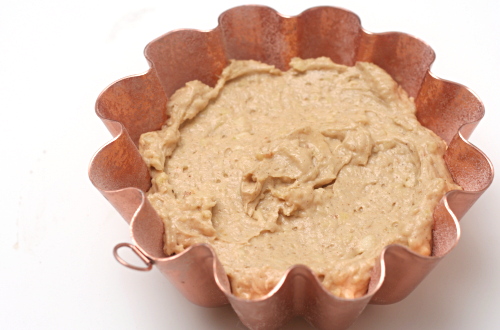
It really isn’t. It’s October, which for years has been my official welcoming of fall. That’s when I accept that summer is over and that it’s time to bundle up, enjoy the leaves, and cook with pumpkin and apples. But in southern New Mexico, fall just means that it isn’t quite so hot all the time. It’s still hot. Just not in the morning.
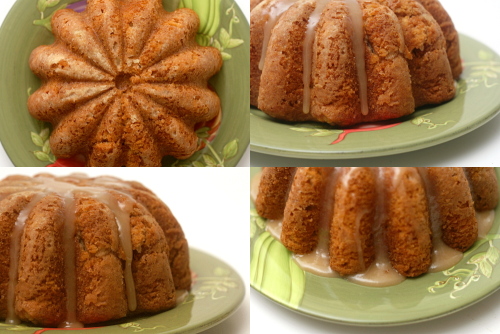
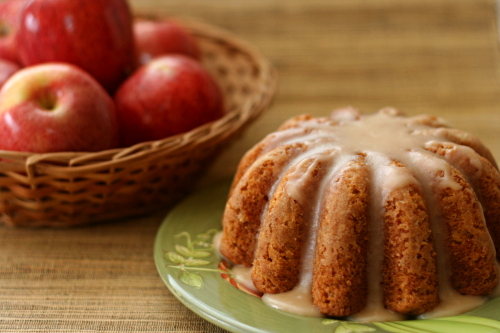
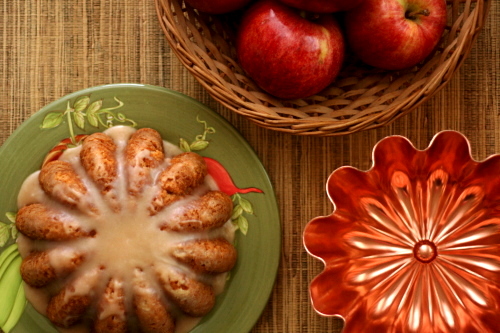
Tuesdays with Dorie is going to convince me it’s fall even if the weather doesn’t, with a month of apple and pumpkin recipes.  Bundt cake with apple flavor coming from both fresh grated apples and apple butter is enough to make me pretend it’s fall here.  I’ll just close my eyes, enjoy this perfect cake, and imagine I’m surrounded by tall trees with fire-colored leaves.

Lynne chose this and has posted the recipe. I doubled the salt, left out the nuts and raisins, and did some complicated thing (you don’t want to know, trust me) to the glaze to make it caramelly.

One year ago: Cottage Cheese Pufflets
Two years ago: Caramel Peanut-Topped Brownie Cake
palmiers

If you watch the Food Network regularly, you’ve probably heard that the correct Italian pronunciation of bruschetta is “brusketta”. That’s all well and good, but most of us in the US pronounce it ‘brushetta’. And no matter how much you insist that it’s supposed to be brusketta, I’m going to consider you an insufferable know-it-all who needs to just go along with the flow. You can do as the Romans do when you’re in Rome; when you’re here, just say brushetta like the rest of us.

So how do you pronounce ‘palmiers’, anyway? The all-knowing Google says PALM-yeh, but I’m not sure if that’s the I’m-saying-it-the-French-way-even-though-we’re-not-in-France-and-no-one-here-talks-like-that way, or if Americans do actually say it like that. Maybe I don’t watch enough Food Network.

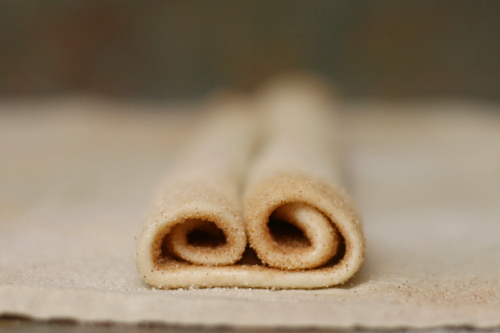
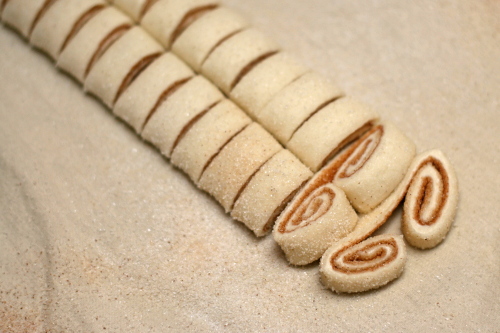
Fortunately, they’re easier to make than they are to figure out how to pronounce. All you do is roll out puff pastry, coat it in sugar and maybe spices, fold up the sides, slice, and bake. I actually did it before work, although I was late for work that day. But I’m late for work everyday, so I can’t blame the cookies.

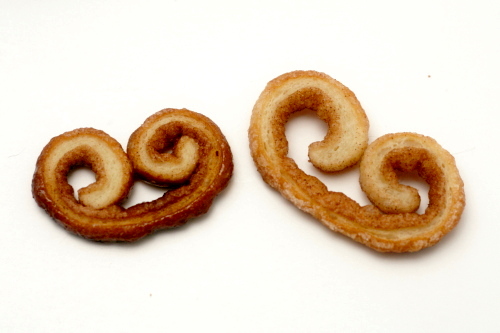
My coworker described them as cinnamon rolls in cookie form, which is exactly what I was going for. Several people asked me what they were, to which I had no good answer. “Um…I don’t know how to pronounce it…some French word that means palm…” Someone please make me smarter. Palm-yay? Palm-yers?

One year ago: Pumpkin Cupcake Comparison
Two years ago: Pain Ordinaire

Printer Friendly Recipe
Palmiers (adapted from Ina Garten and About.com)

Makes about 30 cookies

1 cup sugar
pinch table salt
2 teaspoons cinnamon (optional; or other spices of your choice)
8 ounces puff pastry

1. Heat the oven to 425 degrees. Line two baking sheets with parchment paper or silicone mats. Mix the sugar, cinnamon, and salt.

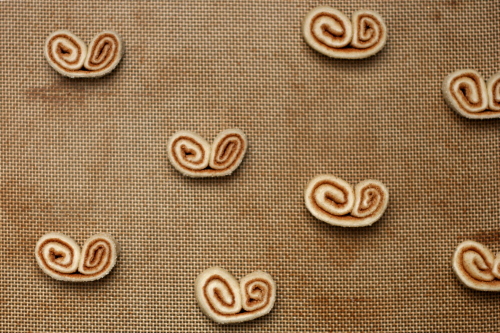
2. Spread an even coating of the sugar mixture onto a pastry cloth or clean section of countertop. Coat more sugar over the top of the dough. Roll the dough out to a 15- by 12-inch rectangle, adding more sugar as necessary to prevent sticking. Starting at each long end, tightly roll the edges toward the center until they meet. Slice the dough into 3/8-inch cookies, transferring them to the prepared pans. Leave plenty of space between the cookies.

3. Bake one sheet at a time for 10-12 minutes, until the cookies puff and turn golden brown. Immediately (before the molten sugar hardens and glues the cookies to the pan!) transfer them to a wire rack to cool.

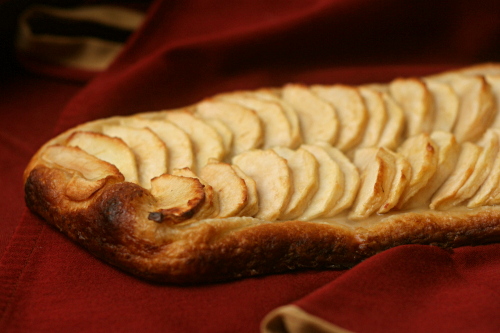
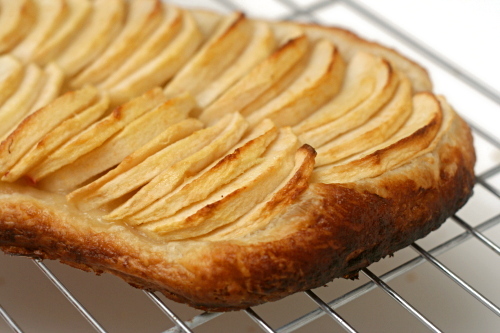
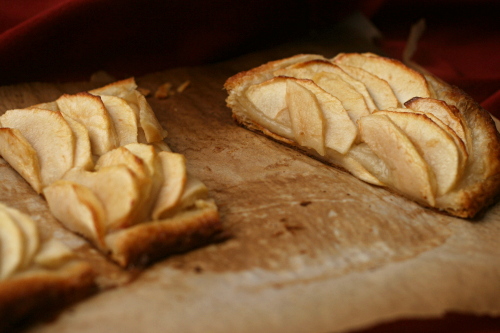
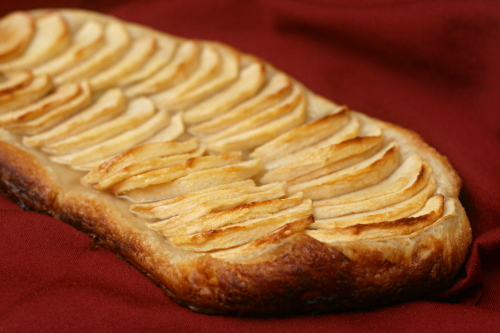
tarte fine

My boss and I both teach a course at the local community college, in addition to our day job. It keeps us busy. Yesterday he said that he’s considered taking semesters off from teaching, but then he wonders what he would do with the extra time.

I’m taking next semester off, and I can tell you all sorts of things I’m going to do with that time. I’m going to work out more. I’m going to brew beer. I’m going to pay attention to my husband in the evenings. I’m going to keep in closer touch with my friends. I’m going to make petits fours again. I’m going to go to bed earlier and buy birthday presents on time and keep my house cleaner. (Okay probably none of that last stuff will happen, because I’ll be too busy making petits fours and brewing beer.)

Until then, thank goodness for easy apple tarts that can be made after a Sunday evening faculty meeting; whose flaky crust and softened apples make for a just reward for going to a work meeting on the weekend, while softening the blow of another rushed week ahead.

Leslie chose this tart for Tuesdays with Dorie, and she has the recipe posted. In between grading exams and writing blog entries on Sunday, I managed to make my own puff pastry. I’d forgotten how easy it is.

One year ago:  Flaky Apple Turnovers
Two years ago: Crème Brulée

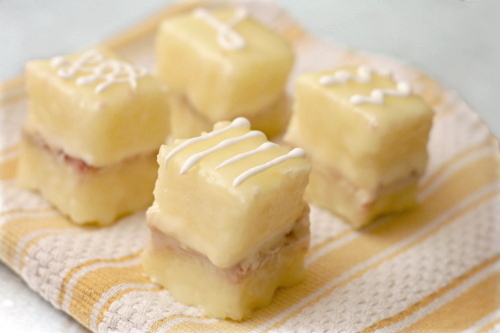
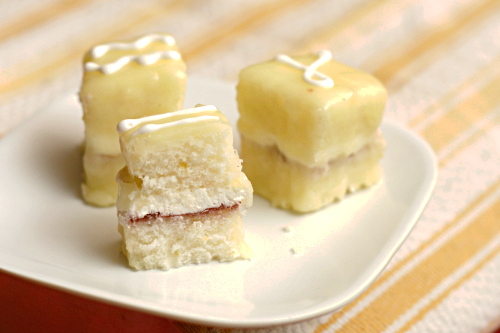
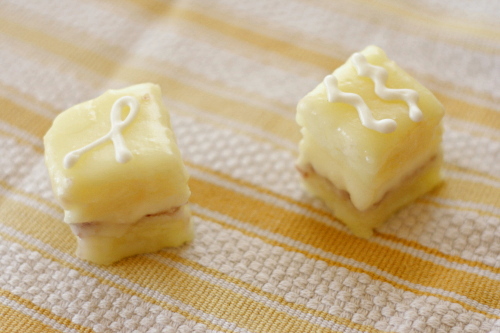
raspberry lemon petits fours

Making petits fours is like giving birth. Right afterwards, you’re convinced, NEVER AGAIN, because that freaking sucked. As time passes, you start thinking, well, maybe I could do that again. It’s worth it in the end, right?

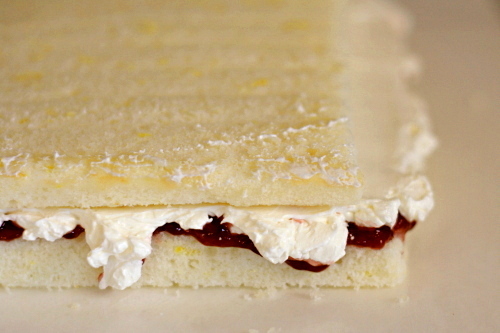
It all seemed so simple at first. I baked the cake in advance and froze it. I wasn’t going to brush the cakes with syrup, and the filling I was using was storebought jam – how hard could this be? You smear your cake with jam and frosting, cut it into cubes, drizzle pourable fondant over everything, and slap on some decorations. Clearly every blog entry I’d read on petits fours, in which the person swore that they would never be doing that again, was an exaggeration.

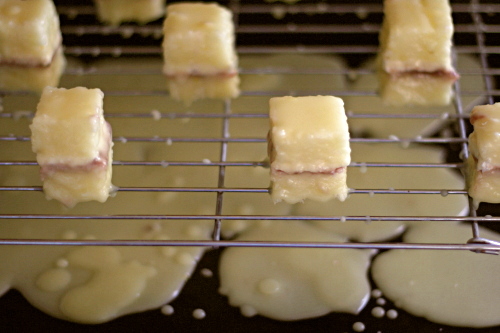
It’s the fondant that complicates things. Pourable fondant, made of warmed powdered sugar and water and corn syrup, is, quite frankly, a big pain in the ass. You’re lucky if ten percent of it stays on the squares of cake; the remainder drips onto a pan below. The lost fondant repeatably needs to be scraped off the pan back into a double boiler to reheat. It doesn’t coat very thickly, so multiple coats are necessary, and it doesn’t dry very solid, so the finished petits fours are sticky.

Okay, so they’re not perfect, and the process was frustrating and made me late for work. (This was back in those days when “work” was teaching one course in the evenings, which now I do in addition to my full-time day job.) On the other hand, they’re so cute! And completely delicious, since they are really nothing more than cake, filling, and frosting. Yes, I will definitely be trying again. If you’d asked me four months ago, when I made these, I don’t think I would have been so certain.

One year ago: Green Chile Huevos Rancheros
Two years ago: Pan-Seared Steak with Red Wine Pan Sauce

Printer Friendly Recipe
Raspberry Lemon Petits Fours

Makes about 30 petits fours

This is what I did, which is not the same as what I’ll do next time. Next time I’ll use Dorie’s Perfect Party Cake, because it isn’t as moist, and regular, rolled, fondant, probably a marshmallow version.

For decorations, consider fresh fruit to match your flavors; royal icing flowers (purchased or homemade); piped royal icing; or something more interesting that I’m not creative enough to come up with.

½ recipe White Cake (my adaptation), baked in a 9×13-inch pan for 16-22 minutes
¼ cup raspberry jam
½ recipe of Dorie Greenspan’s Buttercream
1 recipe Pourable Lemon Fondant (recipe follows)
decorations

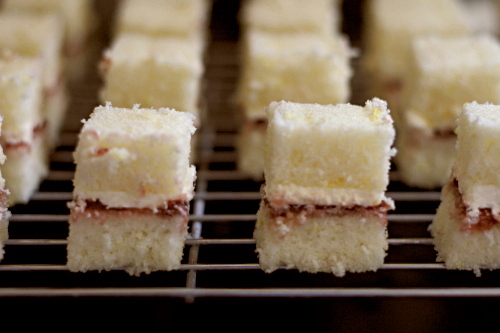
Cut cake in half crosswise. Spread jam over one cake half. Spread buttercream over jam; you might not use it all. Top with remaining cake half. With a serrated knife, trim cake edges; cut cake into 1¼-inch squares. Arrange the squares on a cooling rack set over a baking sheet. Use a squeeze bottle, pastry bag, or ziploc bag with a hole cut from a corner to cover cake squares with fondant. As necessary, scrape fondant from baking sheet back into double boiler; rewarm. Allow fondant to dry before adding decorations.

Pourable Lemon Fondant: (from Use Real Butter)
2¼ cups (10 ounces) confectioner’s sugar
¼ cup water
2 tablespoons light corn syrup
¼ teaspoon vanilla
¼ teaspoon lemon extract
drop of yellow food coloring (optional)

Combine all ingredients except coloring in double boiler. Heat until lukewarm. Remove from heat and stir in food coloring.

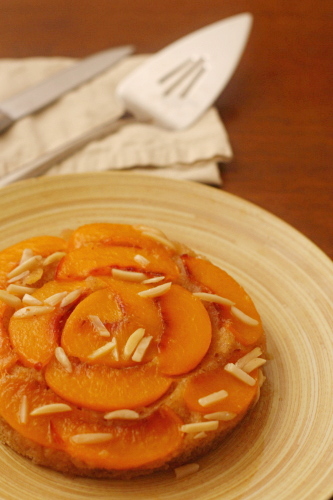
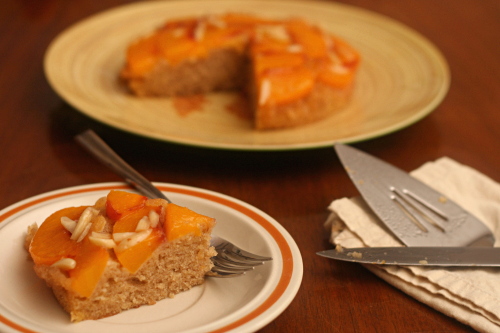
peach upside-downer

I’ve struggled with September the last few years. I’m never ready to give up summer, but I can’t deny the signs of impending fall either. Tomatoes are just starting to come into their own in September, and there are still peaches, although the berries are gone and you can’t depend on corn anymore.

Down here in the desert, you actually can deny the signs of fall in September. Our high temperatures are still in the 90s. I won’t be making chili and cornbread for a while yet, and I certainly don’t think I’ll be able to find cranberries. The peaches, however, are ripe and fragrant.

You know what makes good peaches better? Cake. Especially cake with a little bit of cinnamon and whole lot of butter. This was good with late summer peaches, and, I think for once, I’m looking forward to the fall version of something, in this case with cranberries, even more.

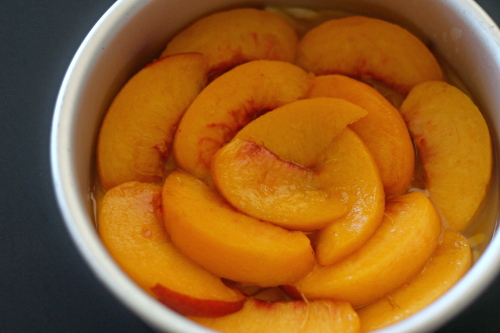
Sabrina chose this for Tuesdays with Dorie, and she has the recipe posted. You’ll need about two peaches, peeled and pitted, to replace the cranberries. Dorie recommends skipping the nuts for the peach version, but I enjoyed a few sliced almonds. Peaches are sweeter than cranberries; I recommend reducing the sugar in the glaze to 4 tablespoons if you make this substitution.

One year ago: Flaky Apple Turnovers
Two years ago: Chocolate Chunkers

cheesecake comparison

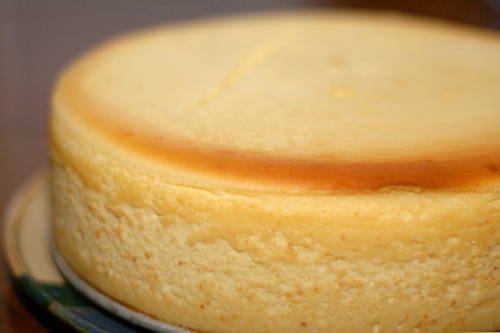
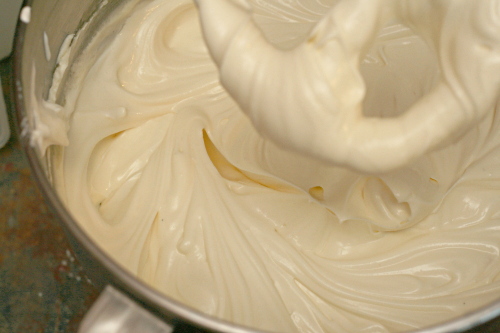
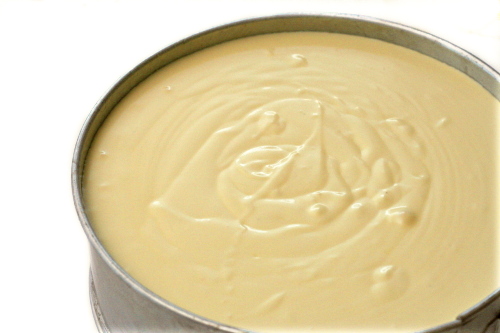
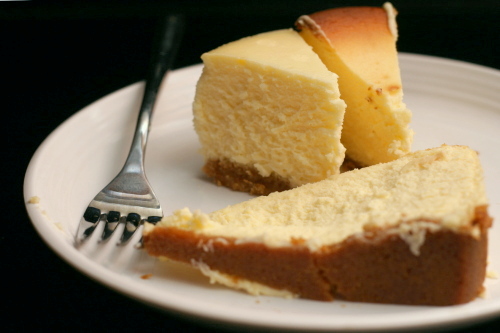
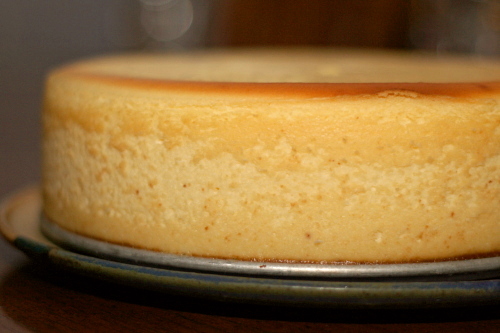
The problem with a cheesecake comparison is that so much of what makes a cheesecake perfect, especially a New York cheesecake, is its texture, and the texture depends so much on the baking technique, and the baking technique will vary depending on the pan size. So the only really fair comparison would be to make three full cheesecakes and use a thermometer to test doneness. But three cheesecakes makes for a ridiculous amount of cheesecake. Plus my instant-read thermometer was on vacation when I made two of these. I did my best.

I baked the first cheesecake for a family holiday. Then I drove with it for four hours to my parents’ house, served half of it, drove back four hours with the remainder and stuck it in the freezer. I baked the other two a month later in a 5-inch springform pan. I overbaked one and underbaked the other. This is not my most comprehensive comparison post, I admit.

Still, I think we were able to draw some conclusions. Not that the opinions of my four tasters were aligned; that would be too easy. (Full disclosure: This comparison was actually done months ago, after cocktails. My notes have the cakes labeled as “brown”, “pale”, and “mess”; apparently one cake didn’t slice well.)

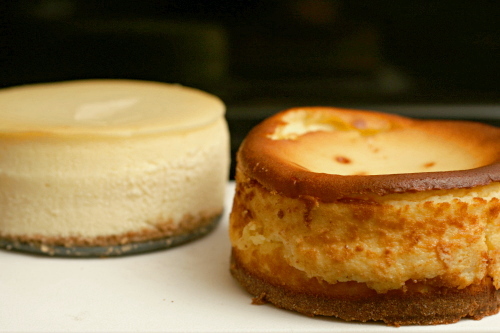
Mess, aka Cooks Illustrated’s New York Cheesecake: After the abuse of eight hours in the car, being half-eaten, frozen, and defrosted, is it any wonder it didn’t slice cleanly? Regardless, it was without question my favorite, as well as Dave’s. The texture ranges from solid and dry on the edge to soft and luscious in the center. The flavor is balanced between the cream cheese and the sweetness and the flavorings. In my opinion, this is cheesecake perfection.

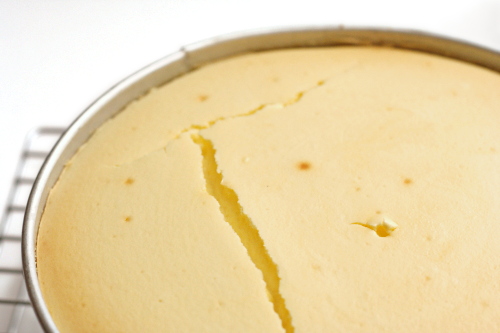
Pale, aka Dorie Greenspan’s Tall and Creamy Cheesecake: I undercooked this one; still, this is one good cheesecake. While I liked Cooks Illustrated’s NY Cheesecake better, I almost feel like it’s an unfair comparison because they’re not meant to be similar cheesecakes. Dorie’s cheesecake is soft and melty with a good balance of sweet and tangy (if you use sour cream instead of the also suggested heavy cream). It isn’t the same style as a New York cheesecake, and there’s nothing wrong with that. It was my sister’s favorite. (My sister started this whole complicated comparison in the first place, by reminding me that cheesecake is one of her favorite foods and then visiting shortly afterwards.)

Brown, aka (Goumet via) Smitten Kitchen’s New York Cheesecake: I’m not a big enough person to take all of the responsibility for overcooking this one. Deb admits that the cooking times are risky – 500 degrees until the top begins to brown, then a far lower temperature. I don’t need to tell you that it didn’t work for me; you can see that overbrowned, blown-out top for yourself. Besides that, most of us felt that the citrus flavor was overbearing, even with the reduced amounts of zest that Deb recommends. With all of the stars aligned and with less zest, this might be a great cheesecake. But with other stars around, why bother with the struggle?

Overall, a flawed comparison, but I learned my preferences. For New York cheesecake, Cooks Illustrated. For non-New York cheesecake, Dorie Greenspan. But always, I just want cheesecake.

One year ago: 100% Whole Wheat Sandwich Bread
Two years ago: Lemon Pancakes with Blueberry Syrup

Printer Friendly Recipe
New York Cheesecake (from Cooks Illustrated)

For the crust:
5 tablespoons unsalted butter, melted, plus 1 additional tablespoon, melted, for greasing the pan
4 ounces (approximately 8 whole) graham crackers, broken into rough pieces and processed into fine, even crumbs
1 tablespoon sugar

For the cheesecake:
2½ pounds (5 8-ounce packages) cream cheese, room temperature
⅛ teaspoon salt
1½ (10.5 ounces) cups sugar
⅓ cup sour cream
2 teaspoons freshly squeezed lemon juice
2 teaspoons vanilla extract
2 large egg yolks plus 6 large eggs, at room temperature

1. To make the crust, adjust an oven rack to the lower-middle position and heat the oven to 325 degrees F. Brush the bottom and sides of a 9-inch springform pan with ½ tablespoon of the melted butter. In a medium bowl combine the graham cracker crumbs, 5 tablespoons melted butter, and sugar. Toss with a fork until the crumbs are evenly moistened. Transfer the crumbs to the springform pan and use the bottom of a ramekin to firmly press the crumbs evenly into the pan bottom. Bake until fragrant and beginning to brown around the edges, about 13 minutes. Cool on a wire rack while preparing the filling.

2. Increase the oven temperature to 500 degrees F. In the bowl of a stand mixer fitted with the paddle attachment, beat the cream cheese at medium-low speed to break up and soften it slightly, about 1 minute. Scrape the beater and the bottom and sides of the bowl well with a rubber spatula; add the salt and about half of the sugar and beat at medium-low speed until combined, about 1 minute. Scrape the bowl; beat in the remaining sugar until combined, about 1 minute. Scrape the bowl; add the sour cream, lemon juice, and vanilla. Beat at low speed until combined, about 1 minute. Scrape the bowl; add the egg yolks and beat at medium-low speed until thoroughly combined, about 1 minute. Scrape the bowl; add the remaining eggs 2 at a time, beating until thoroughly combined, about 1 minute, scraping the bowl between additions.

3. Brush the sides of the springform pan with the remaining ½ tablespoon melted butter. Set the pan on a rimmed baking sheet to catch any spills in case the pan leaks. Pour the filling into the cooled crust and bake 10 minutes; without opening the oven door, reduce the oven temperature to 200 degrees and continue to bake until the cheesecake reads about 150 degrees on an instant-read thermometer inserted in the center, about 1½ hours. Transfer the cake to a wire rack and cool until barely warm, 2½ to 3 hours. Run a paring knife between the cake and the springform pan sides. Wrap tightly in plastic wrap and refrigerate until cold, at least 3 hours.

4. To unmold the cheesecake, removed the sides of the pan. Slide a thin metal spatula between the crust and the bottom of the pan to loosen, then slide the cake onto a serving plate. Let the cheesecake stand at room temperature about 30 minutes, then cut into wedges and serve. (Use a long, thin, sharp knife that has been run under hot water and then dried for slicing. Wipe the blade clean and rewarm between slices.)

Printer Friendly Recipe
Tall and Creamy Cheesecake
(from Dorie Greenspan’s Baking: From my Home to Yours)

I prefer using sour cream instead of heavy cream.

Makes 16 servings

For the crust:
1¾ cups graham cracker crumbs
3 tablespoons sugar
pinch of salt
½ stick (4 tablespoons) unsalted butter, melted

For the cheesecake:
2 pounds (four 8-ounce boxes) cream cheese, at room temperature
1⅓ cups (9.67 ounces) sugar
½ teaspoon salt
2 teaspoons pure vanilla extract
4 large eggs, at room temperature
1⅓ cups sour cream or heavy cream, or a combination of the two

To make the crust:
Butter a 9-inch springform pan—choose one that has sides that are 2 ¾ inches high (if the sides are lower, you will have cheesecake batter leftover) — and wrap the bottom of the pan in a double layer of aluminum foil; put the pan on a baking sheet.

Stir the crumbs, sugar and salt together in a medium bowl. Pour over the melted butter and stir until all of the dry ingredients are uniformly moist. (I do this with my fingers.) Turn the ingredients into the buttered springform pan and use your fingers to pat an even layer of crumbs along the bottom of the pan and about halfway up the sides. Don’t worry if the sides are not perfectly even or if the crumbs reach above or below the midway mark on the sides—this doesn’t have to be a precision job. Put the pan in the freezer while you preheat the oven.

Center a rack in the oven, preheat the oven to 350°F and place the springform on a baking sheet. Bake for 10 minutes. Set the crust aside to cool on a rack while you make the cheesecake.

Reduce the oven temperature to 325°F.

To make the cheesecake:
Put a kettle of water on to boil.

Working in a stand mixer, preferably fitted with a paddle attachment, or with a hand mixer in a large bowl, beat the cream cheese at medium speed until it is soft and lives up to the creamy part of its name, about 4 minutes. With the mixer running, add the sugar and salt and continue to beat another 4 minutes or so, until the cream cheese is light. Beat in the vanilla. Add the eggs one by one, beating for a full minute after each addition—you want a well-aerated batter. Reduce the mixer speed to low and stir in the sour cream and/or heavy cream.

Put the foil-wrapped springform pan in the roaster pan.

Give the batter a few stirs with a rubber spatula, just to make sure that nothing has been left unmixed at the bottom of the bowl, and scrape the batter into the springform pan. The batter will reach the brim of the pan. (If you have a pan with lower sides and have leftover batter, you can bake the batter in a buttered ramekin or small soufflé mold.) Put the roasting pan in the oven and pour enough boiling water into the roaster to come halfway up the sides of the springform pan.

Bake the cheesecake for 1 hour and 30 minutes, at which point the top will be browned (and perhaps cracked) and may have risen just a little above the rim of the pan. Turn off the oven’s heat and prop the oven door open with a wooden spoon. Allow the cheesecake to luxuriate in its water bath for another hour.

After 1 hour, carefully pull the setup out of the oven, lift the springform pan out of the roaster—be careful, there may be some hot water in the aluminum foil—remove the foil. Let the cheesecake come to room temperature on a cooling rack.

When the cake is cool, cover the top lightly and chill the cake for at least 4 hours, although overnight would be better.

Serving:
Remove the sides of the springform pan— I use a hairdryer to do this (use the dryer to warm the sides of the pan and ever so slightly melt the edges of the cake)—and set the cake, still on the pan’s base, on a serving platter. The easiest way to cut cheesecake is to use a long, thin knife that has been run under hot water and lightly wiped. Keep warming the knife as you cut slices of the cake.

Storing:
Wrapped well, the cake will keep for up to 1 week in the refrigerator or for up to 2 months in the freezer. It’s best to defrost the still-wrapped cheesecake overnight in the refrigerator.

Printer Friendly Recipe
New York Cheesecake (adapted from Gourmet via Smitten Kitchen)

Crust:
8 ounces (15 4¾-by-2½-inch sheets) graham crackers
8 tablespoons (1 stick) unsalted butter, melted
½ cup (3.5 ounces) sugar
¼ teaspoon salt

Filling:
5 (8-ounce) packages cream cheese, softened
1¾ cups (12.25 ounces) sugar
3 tablespoons all-purpose flour
1 teaspoon finely grated lemon zest
1 teaspoon finely grated orange zest
5 large eggs
2 large egg yolks
½ teaspoon vanilla

1. For the crust: Stir together crust ingredients and press onto bottom and up the sides, stopping one inch shy of the top rim, of a buttered 9-inch (or 24 cm) springform pan. Put the crust in the freezer while you prepare the filling.

2. Filling: Preheat oven to 550 degrees. Beat together cream cheese, sugar, flour and zest with an electric mixer until smooth. Add vanilla, then eggs and yolks, one at a time, beating on low speed until each ingredient is incorporated. Scrape bowl down between additions.

3. Put the springform pan with the crust in a shallow baking pan (to catch drips). Pour the filling into the crust (the springform pan will be completely full) and bake in baking pan in the middle of the oven for 12 minutes or until puffed. Please watch your cake because some ovens will top-brown very quickly and if yours does too fast, turn the oven down as soon as you catch it. Reduce the temperature to 200 degrees and continue baking until the cake is mostly firm (center will still be slightly wobbly when pan is gently shaken), about one hour more.

4. Run a knife around the top edge of the cake to loosen it and cool the cake completely in the springform pan on a rack, then chill it, loosely covered, for at least 6 hours.

peanut butter crisscrosses

I have a bad habit of losing touch with friends before I get their best recipes from them. I never asked my Spanish/Puerto Rican friend for the basics of his paella, and when I asked him how he makes his rice and beans, he beat around the bush about how I’d never be able to find the right ingredients in the US.

My college roommate made the most amazing peanut butter cookies. I didn’t know I was a fan of peanut butter cookies until hers, and I haven’t been a fan of peanut butter cookies since. But I could never get enough of those.

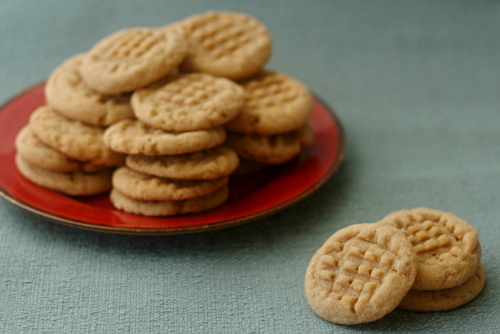
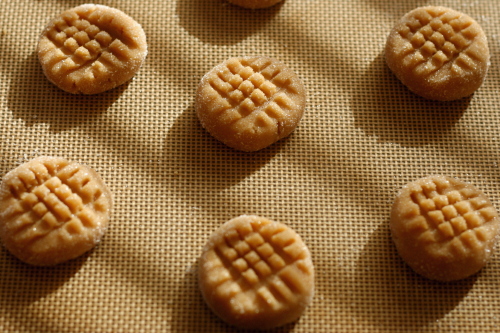
I’ve been simultaneously keeping an eye out for another perfect peanut butter cookie recipe and afraid to try any because they might not live up to my memory. But I’ve heard nothing but good reviews of Dorie’s recipe.  My friend’s cookies didn’t have mix-ins in them, so I left out the peanuts Dorie suggests, and I underbaked the cookies to get the soft texture I love.

Pretty darn close. Nothing tastes as good as a memory, but soft, sweet peanut butter cookies can come pretty darn close. Jasmine has the recipe posted since she chose these for Tuesdays with Dorie. I left out the salted peanuts and increased the salt to 1 teaspoon.

One year ago: Chocolate Soufflé
Two years ago: Chocolate Malted Whopper Drops

espresso chocolate shortbread

Oh, coffee. I love it. I love how the bitterness offsets anything sweet, especially a scone or the foamed milk of a cappuccino. I love how, because I only drink it on weekends, it’s always a treat. I love that little buzz that makes me feel like life is the most awesome awesomeness of awesome ever.

I do not like when that buzz goes too far, so that my thoughts are too scrambled to go beyond Bzzzzt. I do not like when it irritates my stomach. I do not like lying awake at night regretting the mug I drank ten hours ago.

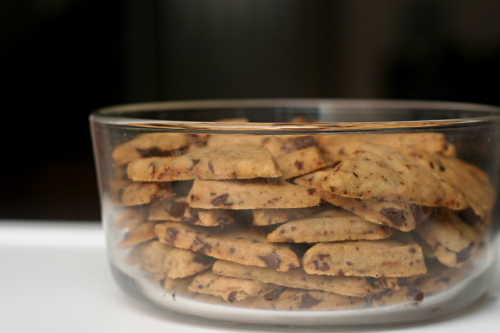
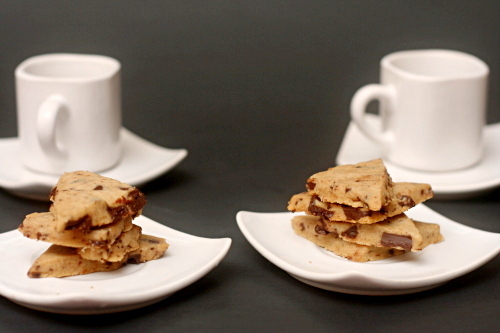
Coffee and I, we have a complicated relationship. I like it, but I have to be very, very careful with it. Which, come to think of it, is how I feel about dessert too. These crisp-tender distinctively coffee-flavored cookies were no exception, although in this case, I had even more reason to try to resist.  No one wants to be up all night because they ate cookies after dinner!

Donna chose these cookies for Tuesdays with Dorie, and she has the recipe posted.

One year ago: Espresso Cheesecake Brownies
Two years ago: Chunky Peanut Butter and Oatmeal Chocolate Chipsters

rhubarb crumb coffee cake

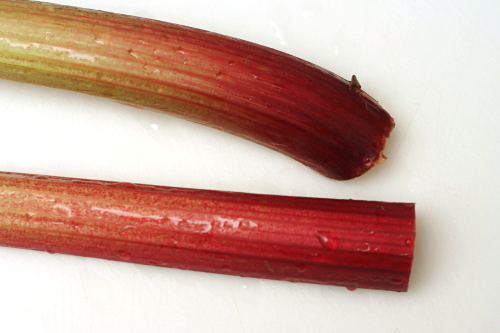
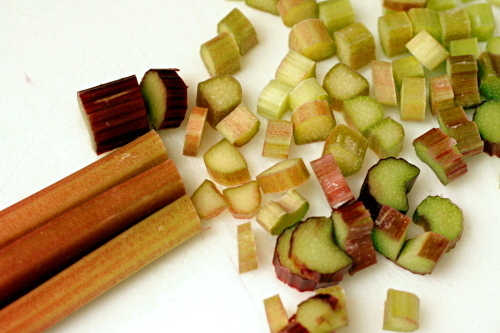
Did you know rhubarb has a second harvest in the late summer? It was news to me, but very happy news, as I’d missed the early spring crop in the busyness of starting a new job. Every time I saw rhubarb at the store, I thought, Next time. Next week. Next week I’ll have more time, more opportunities for baking, a rhubarb recipe I just can’t resist.

You know how this story ends. Finally, I said, Enough! I’ll make scones! I’ll shape the dough and freeze the scones to eat whenever the mood strikes! And then there was no rhubarb.

Taking pity on me, my friend in Tacoma sent me a jar of homemade strawberry rhubarb jam. And then another, bigger jar of strawberry rhubarb jam when the first didn’t last through a week. And then, finally, the perfect birthday present for someone like me: rhubarb from her garden.

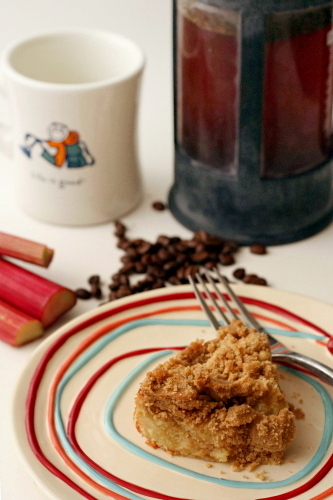
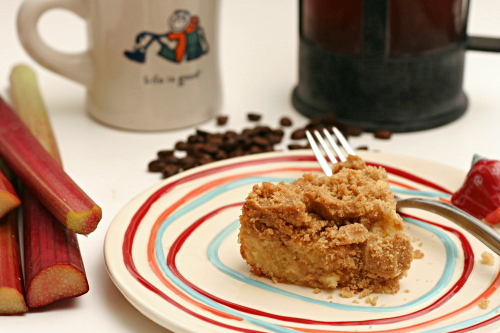
After the freezer was stocked with scones, I still wanted rhubarb for breakfast. And I always want cake. Especially this one, with its fluffy and soft cake studded with sweet-tart rhubarb and topped with a layer of sugary crisp crumbs. I’m so grateful for that second harvest of rhubarb – and to friends who send me produce as gifts!

One year ago: Amaretto Cheesecake
Two years ago: Fruit Bruschetta

Printer Friendly Recipe
Rhubarb Crumb Cake (from Smitten Kitchen via the New York Times)
Serves 6-8

For the rhubarb filling:
8 ounces rhubarb, trimmed
¼ cup (1.75 ounces) sugar
2 teaspoons cornstarch
½ teaspoon ground ginger

For the crumbs:
⅓ cup (2.33 ounces) dark brown sugar
⅓ cup (2.33 ounces) granulated sugar
1 teaspoon ground cinnamon
½ teaspoon ground ginger
⅛ teaspoon salt
8 tablespoons (1 stick) butter, melted
1¾ cups cake flour

For the cake:
⅓ cup sour cream
1 large egg
1 large egg yolk
2 teaspoons vanilla extract
1 cup cake flour
½ cup (3.5 ounces) sugar
½ teaspoon baking soda
½ teaspoon baking powder
¼ teaspoon salt
6 tablespoons softened butter, cut into 8 pieces

1. Preheat oven to 325 degrees. Grease an 8-inch-square baking pan. For filling, slice rhubarb ½-inch thick and toss with sugar, cornstarch and ginger. Set aside.
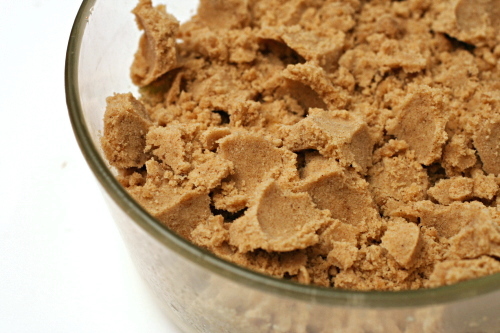
2. To make crumbs in a large bowl, whisk sugars, spices and salt into melted butter until smooth. Stir in flour with a spatula or wooden spoon. It will look and feel like a solid dough. Leave it pressed together in the bottom of the bowl and refrigerate.

3. To prepare the cake, in a small bowl, stir together the sour cream, egg, egg yolk and vanilla. Using a mixer fitted with paddle attachment, mix the flour, sugar, baking soda, baking powder and salt. Add the butter and a spoonful of the sour cream mixture and mix on medium speed until the flour is moistened. Increase the speed and beat for 30 seconds. Add the remaining sour cream mixture in two batches, beating for 20 seconds after each addition, and scraping down the sides of bowl with a spatula. Scoop out about ½ cup batter and set aside.

4. Scrape remaining batter into the prepared pan. Spread the rhubarb over batter. Dollop reserved batter over rhubarb; it does not have to be even.

5. Using your fingers, break the topping mixture into big crumbs, about ½-inch to ¾-inch in size. Sprinkle over cake. Bake cake until a toothpick inserted into the center comes out clean of batter (it might be moist from rhubarb), 45 to 55 minutes. Cool completely before serving.

crunchy and custardy peach tart

It’s hot.  Usually at this time of year, I’m glaring at everyone who is eating chili and baking pumpkin treats and looking forward to fall, wondering how anyone could possibly want to move on from the sunny days of summer.  But now it’s too hot, and I just want a few days where the high temperatures are below 90 degrees.  Below 90…that’s all I ask.

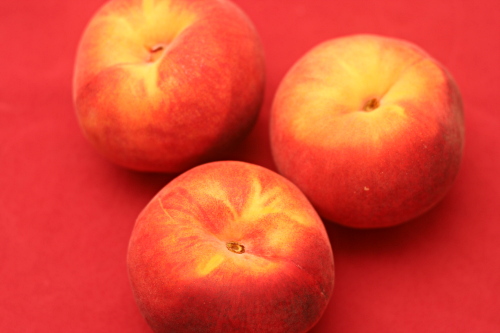
On the other hand, I’m not ready to give up summer food!  I haven’t had anywhere near my fill of stone fruits, berries, and tomatoes.  I’m lucky that Rachel’s choice for Tuesdays with Dorie this week gave me a chance to use peaches.  You can’t go wrong with a good summer peach.

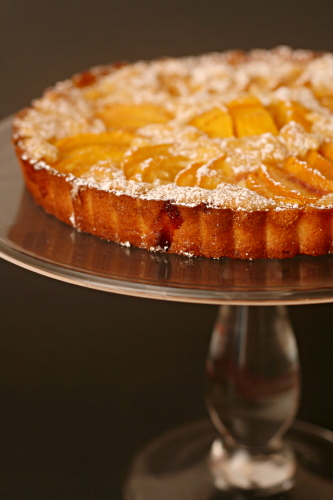
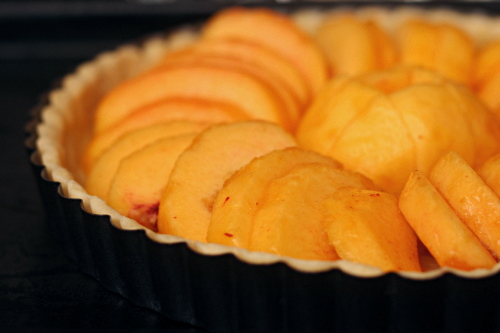
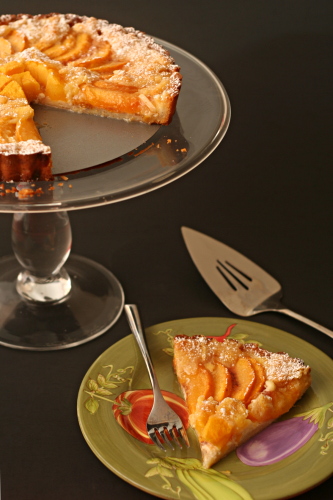
In this case, those summer peaches were sliced, spread over tart dough, covered in rich custard, and dotted with streusel.  All of those extra textures and flavors just enhanced the perfection of the peaches.  Unfortunately, it involved an hour and a half of oven time.  Delicious though it was, perhaps I wouldn’t need yet another cooling shower right now if we’d eaten the peaches plain…

Rachel has this recipe posted on her blog.  I think I undercooked mine.  It was still very juicy, and the streusel wasn’t browned.  On the other hand, the tart crust was getting too dark, and the custard seemed curdled.  I don’t know the answer, although perhaps one isn’t necessary, as we certainly weren’t complaining about the tart as it was.

One year ago: Lime Cream Meringue Pie
Two years ago: Chocolate Banded Ice Cream Torte